
 Rifan Muazin
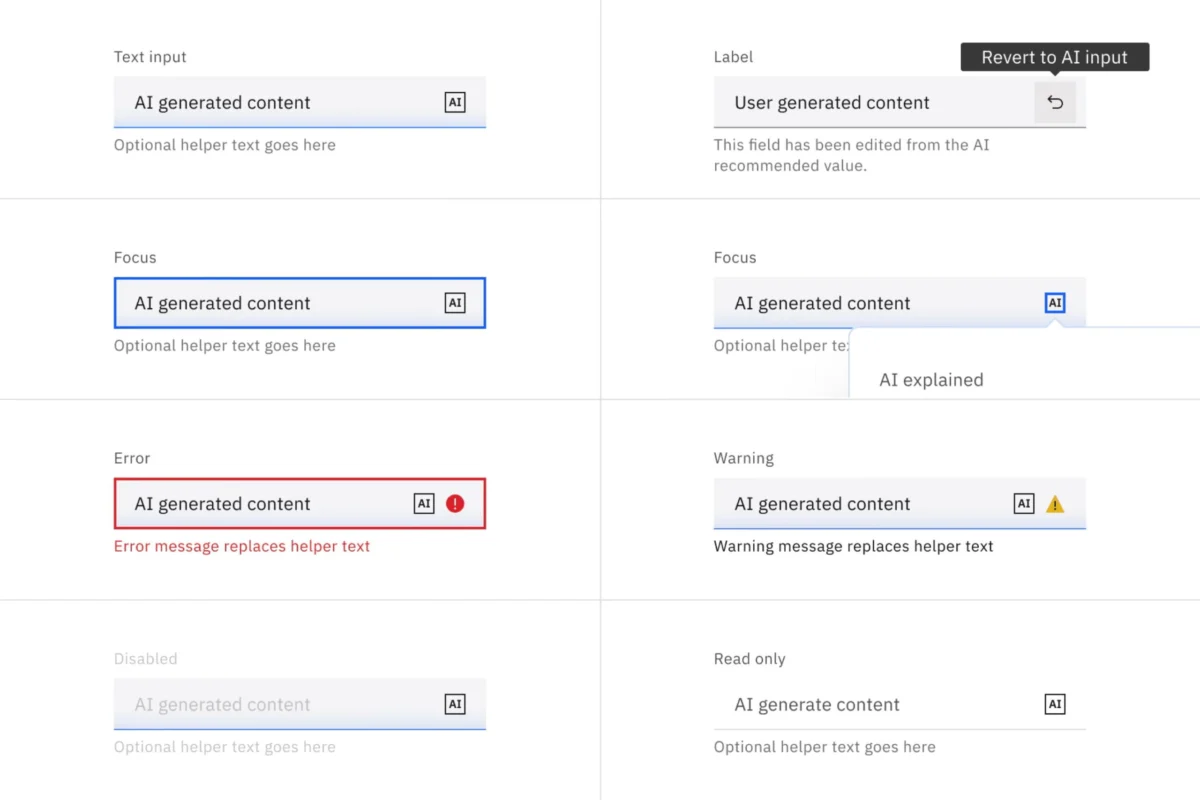
The landscape of digital product design and content creation shifted fundamentally on August 2, 2026. As the European Union’s comprehensive AI Act began to phase in its transparency obligations, organizations worldwide—from Silicon Valley startups to multinational corporations—found themselves at a critical crossroads. The mandate is clear: if your product serves EU citizens, you must now explicitly label content that has been artificially generated or manipulated.
While initial industry reactions were marked by confusion and a sense of panic over potential "drastic measures" and "sweeping fines," the reality of the legislation is far more pragmatic. The EU is not seeking to stifle innovation; rather, it is establishing a baseline of trust. By requiring clear disclosure for AI-generated content, the bloc aims to ensure that human-produced work remains distinguishable from algorithmic output, effectively curbing the spread of misinformation and restoring user confidence.
Main Facts: What the Mandate Means
The core objective of the new regulation is to ensure that users are never left guessing about the origin of the information they consume. According to Article 50(4) of the EU AI Act, transparency is no longer optional—it is a legal requirement.
It is a common misconception that these rules apply only to EU-based companies. Similar to the General Data Protection Regulation (GDPR) and the European Accessibility Act (EAA), the jurisdiction of the AI Act is extraterritorial. If a company operates anywhere in the world but provides AI-powered services to citizens within the European Union, it must comply.

Crucially, the law imposes obligations on both providers (those who build or supply the AI system) and deployers (those who integrate and use the system in a commercial setting). Businesses cannot insulate themselves from these obligations by licensing external AI tools from third-party vendors. If you are serving the content to an EU audience, the burden of transparency rests with you.
Chronology: A Path to Enforcement
The introduction of these rules did not happen overnight. The European Commission has spent years drafting the AI Act, carefully balancing the need for technological advancement with the protection of fundamental human rights.

- Pre-2024: Initial legislative drafting and multi-stakeholder consultations.
- Early 2025: Finalization of the AI Act framework, with clear signals to industry leaders regarding upcoming compliance deadlines.
- August 2, 2026: The official effective date for transparency and labeling obligations. This milestone represents the culmination of a long-term strategy to standardize AI interactions across the digital economy.
- Post-2026: Continued monitoring by the European AI Office, with potential for further refinements to the "Code of Practice" as generative models evolve in complexity.
Supporting Data: The "Sparkle" Fallacy
For years, the industry has relied on the "sparkle" icon—a shimmering, abstract star—to denote AI-powered features. However, recent research, including studies highlighted by the NNGroup, suggests that this symbol is dangerously ambiguous. Users often interpret the sparkle as a signal of a "magic" or "enhanced" feature, failing to grasp that the content itself was generated by a machine.
The European Commission has been explicit: the sparkle is not enough. Under the new guidelines, labels must be "clear and distinguishable." An icon that is hidden in a footer, flashes for a split second, or lacks a descriptive, human-readable text component is considered non-compliant. The goal is to move away from branding-heavy icons toward functional transparency.

The Commission has released an official set of icons designed to distinguish between:
- Basic AI-assisted tasks.
- Fully AI-generated content.
- Partially modified or manipulated content.
These icons are intended to be paired with clear, plain-language markers, such as "AI-generated" or "Synthetically modified," ensuring that the notice persists even if the content is downloaded or reshared across social media platforms.

The Fine Line: Edited vs. Generated
A significant source of industry anxiety involves the boundary between human-edited work and AI-generated output. Does a document written by AI but proofread by a human require a label?
The EU’s guidance provides some clarity here:

- Exemptions: Minor assistive edits—such as basic spellchecking, grammar correction, formatting adjustments, color correction, or machine translation—do not trigger the disclosure requirement. These are viewed as tools that enhance human work rather than replacing the creative process.
- Obligations: Substantive AI-generated summaries, the creation of composite imagery, or significant rewrites are firmly classified as "AI generation." The rule of thumb is that if the machine performed the heavy lifting of the content creation, it must be labeled.
The "human-in-the-loop" argument—where a person simply skims an AI draft before hitting "publish"—is not sufficient. The Commission requires substantive editorial control. If the core of the content remains machine-derived, the label is mandatory.
Official Responses and Global Implications
The EU is not acting in a vacuum. As countries globally move toward similar regulatory patterns, companies that adopt these transparency measures early will likely gain a competitive advantage.

In the United States, we are seeing a fragmented landscape of state-level regulations, particularly regarding "synthetic performers" and political advertising. However, the EU’s approach is notably more comprehensive, covering a broader spectrum of commercial and public-interest content. By establishing a standard that prioritizes user agency, the EU is effectively setting the global "Gold Standard" for AI interface design.
Industry associations have largely responded with a push toward standardized design systems, such as the Carbon Design System, which provides modular, accessible UI components for AI transparency. These systems demonstrate that compliance does not have to be a burden on user experience (UX); it can be a feature that builds brand credibility and user trust.

Implications for Future Design
For designers and product managers, the mandate to disclose AI involvement is an opportunity to improve the "explainability" of their products. Instead of treating the label as a legal nuisance, forward-thinking teams are integrating it into the user flow as a value-add.
Key Takeaways for Teams:
- Audits are Essential: Conduct an immediate audit of all AI-driven features. Determine which ones generate public-facing content and ensure they are appropriately marked.
- Move Beyond Icons: Always pair visual indicators with clear, accessible text. Ensure that the labels are machine-readable and remain attached to the content across platforms.
- Human-Centered Control: If your product relies on AI, ensure that there is a clear, identifiable human entity taking responsibility for the content.
- Stay Informed: The "Code of Practice" is a living document. As AI models become more integrated into daily workflows, the definition of "substantive modification" may shift.
Conclusion
The era of "black-box" AI is coming to an end. The regulations taking effect this August represent a significant step toward a more transparent, honest digital environment. While the transition may require technical adjustments, the long-term benefit is a clearer distinction between machine-generated noise and human-authored content.

By embracing these guidelines, businesses can avoid the risks of non-compliance while fostering a culture of transparency that users will increasingly demand. As we look toward the future, the most successful AI products will not be those that hide their origins, but those that proudly and clearly articulate the collaboration between human intent and machine execution.
For those looking to deepen their expertise, resources like Design Patterns for AI Interfaces offer practical guidance on how to navigate these challenges, ensuring that design teams remain both legally compliant and user-focused in an increasingly automated world.


 Basiran

 Layla Zulfa
 Dwi Wanna
 Suro Senen
 Asep Darmawan
