
 Asro
Asro
The fundamental mechanics of how the public consumes information have undergone a seismic shift. According to the Q1 2026 Sprout Pulse Survey, social media has officially overtaken traditional television, dedicated news applications, and podcasts as the primary destination for breaking news. For the modern marketer, this transition signals more than just a change in platform preference; it represents a complete democratization of the information pipeline.
Today, consumers are just as likely to encounter rigorous reporting from a brand, a niche content creator, or an independent influencer as they are to see a headline from a legacy news organization. As traditional gatekeepers lose their monopoly on the narrative, brands are finding that waiting for external media coverage is no longer a viable strategy for staying relevant. Instead, the most innovative companies are building their own internal newsrooms, effectively becoming the media outlets they once relied upon.
The Evolution of the Brand Newsroom
At its core, a brand newsroom is a specialized, high-velocity workspace where multidisciplinary teams—spanning social media, content strategy, PR, communications, and internal marketing—converge to craft timely narratives. This is not merely an updated version of a corporate blog; it is an agile engine designed to identify, analyze, and report on the cultural trends and industry events that matter most to a brand’s specific audience.

The Shift from "Earned" to "Owned" Coverage
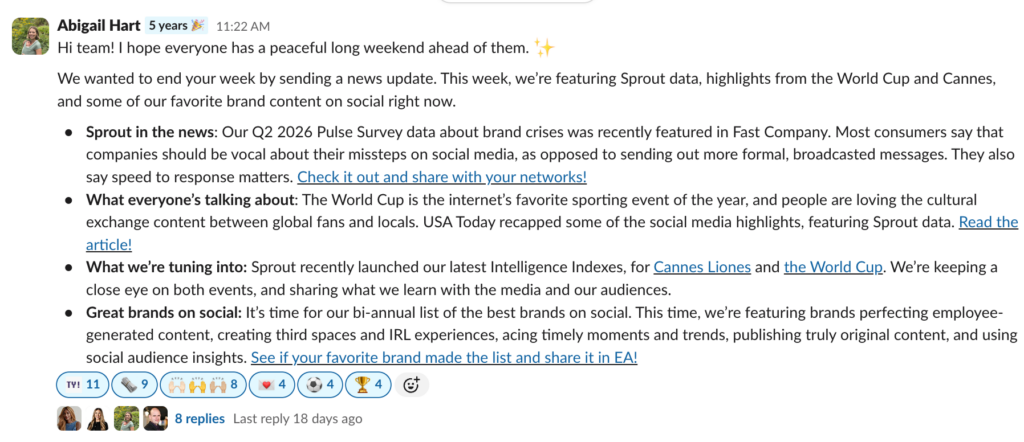
Historically, public relations functioned on a model of "earned" media: marketers would craft a story, pitch it to journalists, and hope for a favorable mention. This process was inherently slow and often stripped the brand of its voice. In the current "zero-click" search environment, where AI-driven engines and social algorithms prioritize direct, immediate insights, the ability to control the original narrative is a competitive imperative.
Companies like IKEA have pioneered this shift with their "Responsive Project Team." By pivoting their content strategy to react in real-time to viral social moments, trending aesthetic "cores," and pop culture milestones, they have transformed their brand presence from a static corporate entity into a dynamic participant in global conversations.
Chronology of the Transformation: From Silos to Synced Strategy
The transition toward the brand newsroom model did not happen overnight. It is the result of a multi-year convergence of technological advancement and changing consumer behavior.
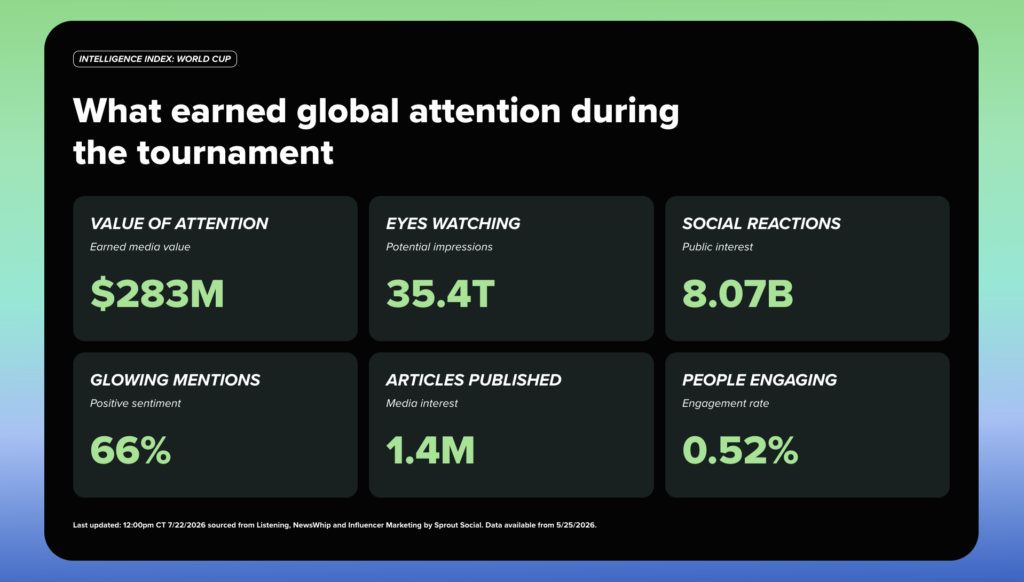
- 2023-2024: The Rise of Real-Time Expectations. As social platforms moved from chronological feeds to interest-based algorithms, brands realized that being "first" to a trend was less important than being "relevant."
- 2025: The Infrastructure Pivot. Recognizing that traditional, slow-moving approval processes were killing their ability to engage, brands began consolidating teams. The siloed structure—where PR, social, and content teams operated in isolation—began to collapse.
- 2026: The Newsroom Standard. With the publication of the Q1 2026 Sprout Pulse Survey, the industry reached a tipping point. Data confirmed that the audience is now social-first. Forward-thinking companies began formalizing their newsroom structures, integrating data-listening tools directly into their daily editorial workflows.
Supporting Data: Why Agility Wins
The effectiveness of a newsroom is measured by more than just reach; it is measured by resonance. At Sprout Social, the implementation of a newsroom model has yielded quantifiable results, driving nearly 8,000 engagements across social networks and growing their Substack publication, Social Futures, to over 1,800 followers within a matter of months.
The Power of Data-Informed Content
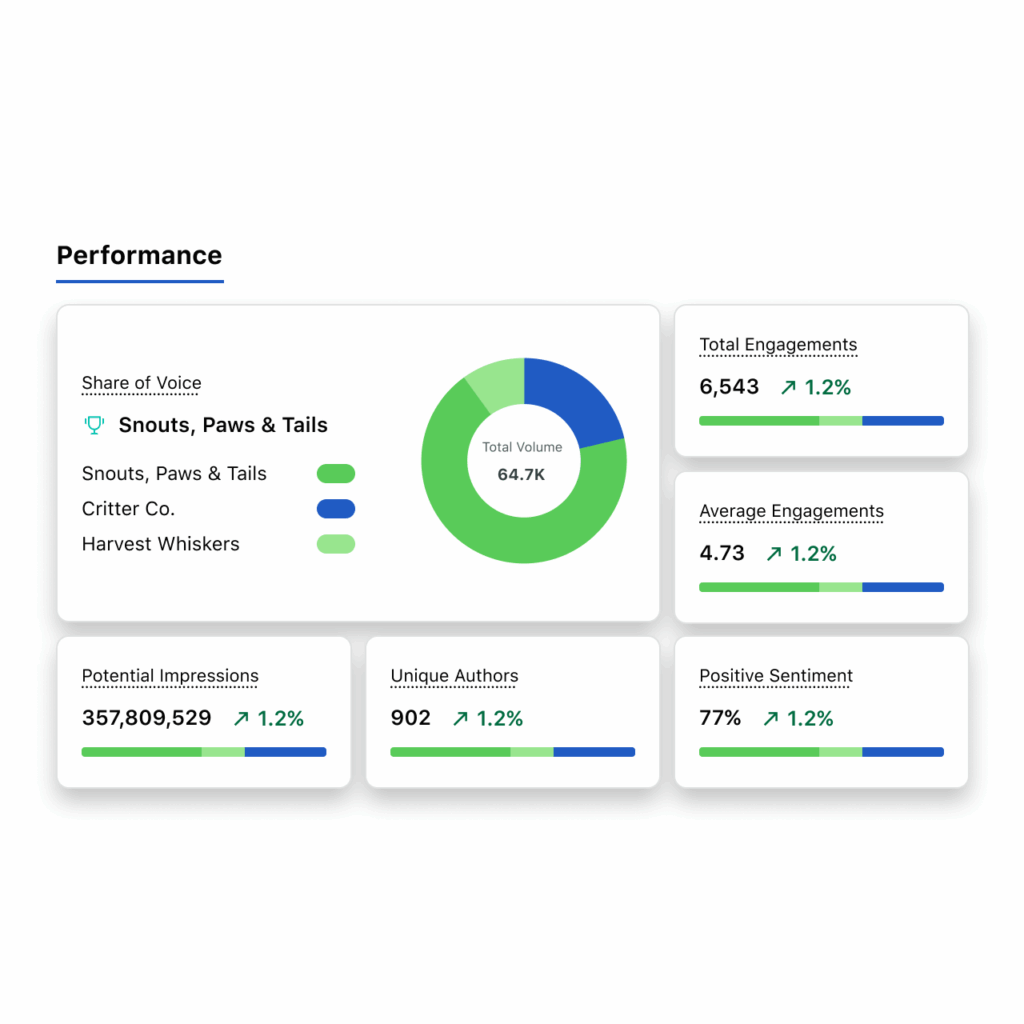
The newsroom model succeeds because it replaces guesswork with social listening. By using data dashboards to analyze "Share of Voice," brands can identify gaps in the industry conversation. If a specific topic is trending but lacks a nuanced expert perspective, the brand newsroom can fill that void immediately with original data, thought leadership, or objective analysis.
Furthermore, this approach leverages "Answer Engine Optimization" (AEO). As users increasingly rely on AI to answer complex queries, content that provides immediate, high-value insights is more likely to be cited by AI search tools. A brand that consistently publishes authoritative, timely content effectively trains these engines to view them as a primary source of industry information.

Establishing the Newsroom: A Strategic Roadmap
Building a newsroom is not just about hiring journalists; it is about building a culture of agility. Based on the operational experience of industry leaders, here is the blueprint for creating a functional brand newsroom.
1. The Cross-Collaborative Dream Team
The newsroom requires a diverse set of skill sets. You need:
- Social Strategists: To monitor the pulse of platforms and identify viral potential.
- PR & Comms Professionals: To ensure the narrative aligns with the company’s broader mission.
- Content Creators/Journalists: To distill complex data into digestible, high-quality narratives.
- Internal Communications: To ensure the entire organization is aligned on the company’s point of view regarding industry shifts.
2. Rituals of Collaboration
In a remote or hybrid environment, silos are the enemy of speed. Establishing "newsroom rituals" is essential. This includes daily stand-up meetings to discuss trending topics, shared Slack channels for rapid-fire approvals, and a centralized content calendar that allows teams to see what is being published across all channels in real-time.

3. Investing in the Right Toolset
Data is the lifeblood of the newsroom. Teams must be equipped with:
- Listening Tools: To track keywords, hashtags, and industry sentiment.
- Analytics Suites: To measure performance in real-time and adjust strategy based on what the audience actually engages with.
- Collaborative Project Management Software: To facilitate the rapid movement of content from ideation to publication without getting stuck in bureaucratic bottlenecks.
Implications for the Future of Marketing
The implications of this shift are profound. Brands that fail to adopt this agile, newsroom-style approach will find themselves increasingly invisible. When you rely solely on external media, you are subject to their editorial calendars and their biases. By building your own newsroom, you retain the ability to steer the conversation, protect your brand during industry volatility, and, most importantly, connect with your audience on a human level.
As the internet continues to accelerate, the concept of "perfection" in content production is becoming a liability. The brands that win are those that prioritize relevance and velocity over polished, weeks-long production cycles. The goal is to build the operational muscle necessary to enter the conversation, contribute value, and sustain interest over time.
Frequently Asked Questions (FAQ)
What is the fundamental difference between a newsroom and a PR department?
Traditional PR is reactive and dependent on external media outlets. A brand newsroom is proactive. It functions as a publisher, creating its own content, data reports, and cultural commentary to own the narrative, rather than asking for permission to be included in someone else’s.
How do you balance speed with brand safety?
The newsroom model relies on pre-approved guidelines and a "cross-collaborative" approval chain. Because the teams are integrated, the brand voice is consistent. The speed comes from having the right stakeholders in the room (or the Slack channel) from the start, rather than waiting for documents to circulate through multiple departments.
Is this strategy only for large enterprises?
Not at all. While large brands may have more resources, the principle remains the same for smaller teams: identify one or two key platforms, use social listening data to find out what your audience is asking, and answer those questions consistently. It is about the process of agility, not the size of the budget.
How do you measure success?
Success in a newsroom is measured by Share of Voice, engagement rates on timely content, and the growth of owned audiences (like newsletter subscribers). By tracking how your brand’s presence in search and social feeds changes over time, you can clearly map the impact of your newsroom efforts against your business goals.
The era of waiting for the news to come to you is over. By building the infrastructure to lead the conversation, brands can ensure they remain the primary source of truth for their customers in an increasingly noisy world.


 Pevita Pearce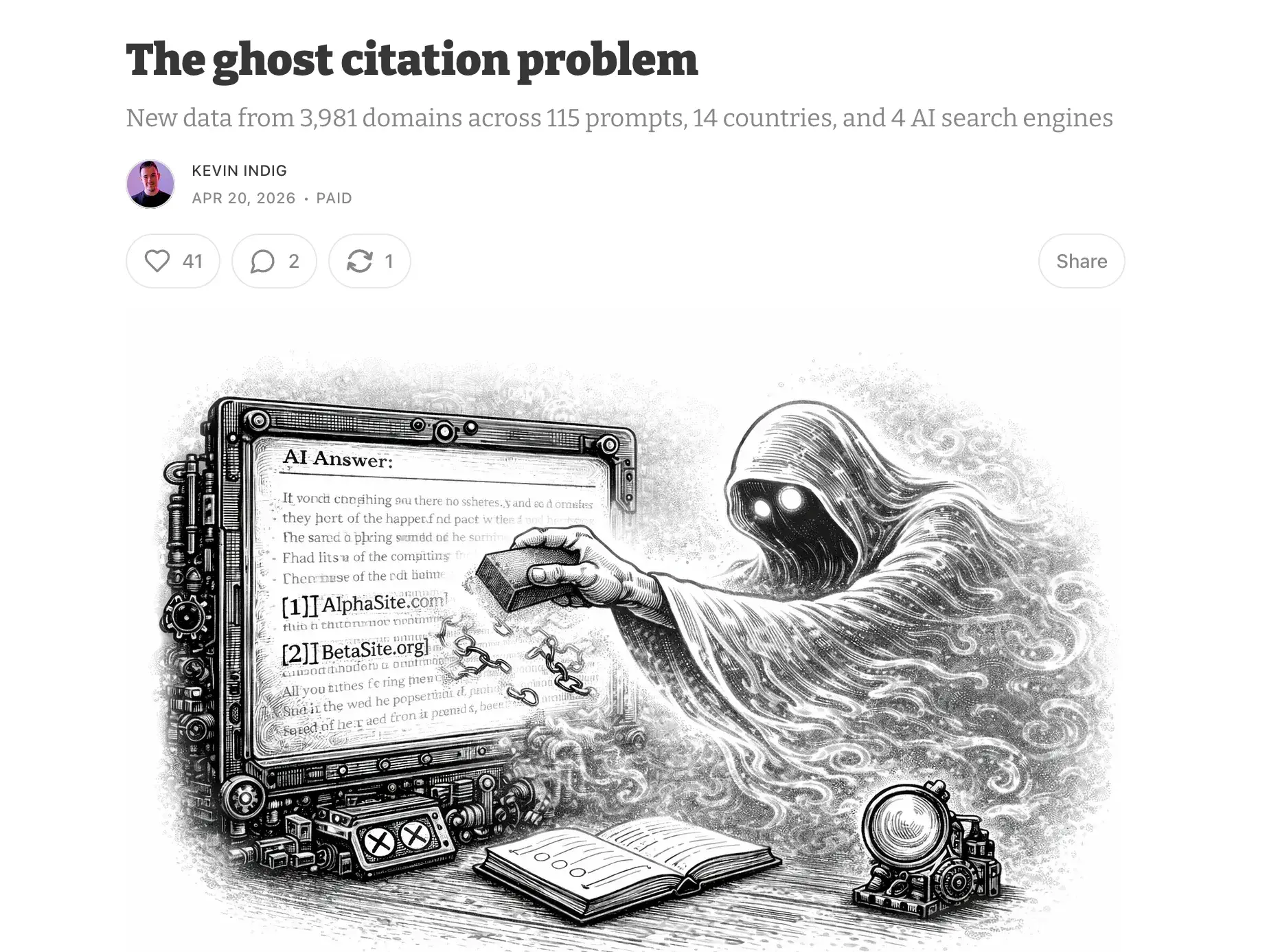
 Reynand Wu
 Ammar Sabilarrohman
 Suro Senen
 Jia Lissa
 Evan Lee Salim

 Ali Ikhwan