
 Nana
Nana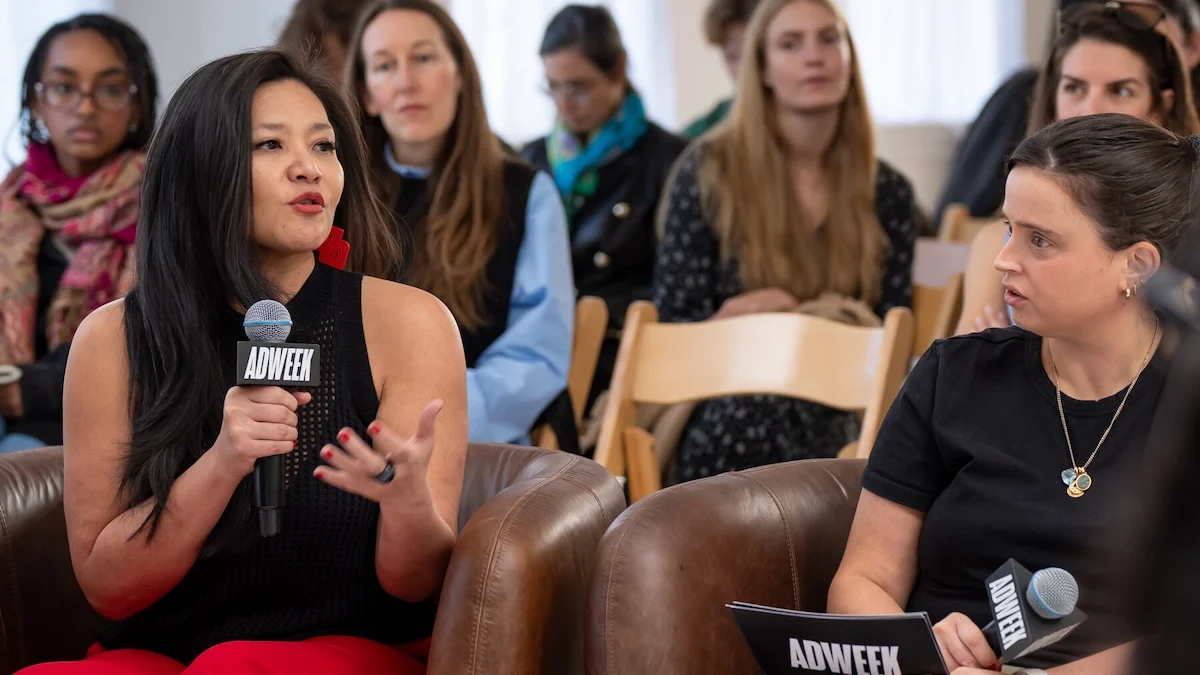
This report was created in partnership with Shopify.
In the hyper-competitive landscape of digital commerce, the classic marketing conundrum—famously summarized by the John Wanamaker adage, "I know 50% of my marketing is wasted; I just don’t know which 50%"—has evolved from a manageable ambiguity into a complex, multi-channel crisis.
As digital touchpoints multiply, the customer journey has become increasingly non-linear. During a recent ADWEEK House Advertising HQ group chat, co-hosted by Shopify, a cohort of marketing leaders converged to address the shifting realities of Customer Acquisition Cost (CAC) and the nuances of mapping value in a fragmented ecosystem. The consensus was clear: the old playbook for measuring return on ad spend (ROAS) is obsolete. To succeed today, brands must pivot from broad-brush metrics toward sophisticated, data-driven strategies that prioritize incrementality, lifetime value (LTV), and authentic consumer connection.
The Complexity Paradox: Why Traditional Measurement Fails
Modern marketers possess an unprecedented array of analytical tools, yet the consensus among industry leaders is that the task of measuring success has never been more difficult. Jess Jacobs, VP of shop growth and marketing at Shopify, opened the discussion by acknowledging that while data availability has increased, so has the "confusion and complexity" of the average customer’s path to purchase.
The Problem of Attribution
The primary friction point for most organizations is the "black box" of attribution. With customers oscillating between social media discovery, search engine research, and direct site visits—often across multiple devices—isolating the specific marketing effort that triggered a sale is increasingly speculative.
Samir Pradhan, VP of product management at Shopify, emphasized that the fundamental error many marketers make is treating all customers as monolithic entities. Pradhan argued that the real value lies in granular segmentation: distinguishing between a first-time purchaser and a repeat customer who has reached a deeper level of brand loyalty.
"The key is to understand how much a new customer is worth, how much someone who has bought from you before becoming more loyal to you is worth, and then adjusting how much you bid or pay for that opportunity," Pradhan noted. He cautioned that a single transaction is not a guarantee of long-term value, suggesting that marketers often over-invest in users who have no intention of becoming loyal brand advocates.

Chronology of the Shift: From Broad Reach to Precision Targeting
Historically, digital marketing focused on top-of-funnel volume—buying as much traffic as possible to maximize conversion. However, the last few years have seen a drastic shift in strategy.
The "Exclude and Optimize" Era
The current strategy, championed by brands like Naked & Thriving, relies on sophisticated analytics to prune marketing waste. Scott Kramer, CMO of Naked & Thriving, detailed how his team utilizes Shopify’s analytics to map CAC across a diverse portfolio of channels, including Meta, Google, and emerging platforms like ChatGPT.
The breakthrough for Kramer came from a rigorous exclusion strategy. By using data to identify existing customers, his team excludes them from top-of-funnel acquisition campaigns. "That doesn’t mean we shouldn’t spend anything on past customers," Kramer clarified. "For us, email and SMS are how we want to drive that repeat customer revenue. It’s just very cost-efficient." By shifting the focus of paid channels exclusively to new customer acquisition, the brand maintains a leaner, more effective budget.
The Focus on Lifetime Value (LTV)
Not all brands view acquisition as the primary lever for growth. Ameetess Dira, CMO of Petzey Pet Telehealth, shared a perspective centered on the nature of the service provided. For Petzey, the need for pet telehealth is often emergent and outside the consumer’s control. Consequently, the company focuses less on the initial "grab" and more on the long-term retention of the customer.
"We want to focus on lifetime value: educating the consumers, educating ecosystems that we already support," Dira explained. "It’s not just for emergencies; it’s not just for triaging." This strategy reflects a broader trend toward "service-based" commerce, where the goal is to build an ongoing relationship rather than chasing a one-off conversion.
Supporting Data: Testing, Holdouts, and Intuition
Data is the bedrock of these new strategies, but it is not a replacement for judgment. The leaders discussed the necessity of "holdout" testing—a method of measuring true incrementality by withholding ads from a specific group to see if they would have purchased anyway.
The Role of Incrementality
Pradhan highlighted that a rise in sales following an ad campaign is not necessarily a reflection of effective marketing. It could simply be a correlation with existing organic demand. "I think holdouts are the main way I would assess whether you’re getting someone who you truly wouldn’t have gotten at a platform level," he said.

Balancing Data with "Gut Feeling"
Despite the technical advancements, there remains a place for executive instinct. Kramer admitted that while data drives the logic of "one plus one equals two," the ability to scale often requires a leap of faith. "Sometimes you just got to have these gut feelings," he remarked. "It’s like, all right, one plus one equals two. Let’s keep scaling."
Marisa Smith, head of growth at Blue Bottle Coffee, echoed this sentiment, advocating for a holistic view of the consumer. By analyzing "omni-touchpoints," Smith ensures that the strategy is dictated by real-world behavior rather than just digital click-through rates. Understanding who buys during the holidays versus who stocks up on routine products allows for a more surgical allocation of marketing dollars.
Official Responses and Tactical Solutions
The challenges posed by the fragmented journey have forced platforms like Shopify to develop tools that automate the heavy lifting of attribution and budget allocation.
Scaling the Test
For many brands, the barrier to innovation is the fear of budget loss. Testing new channels is inherently risky, especially when Meta and Google continue to command the lion’s share of budgets due to their proven, albeit increasingly expensive, efficacy.
To combat this, Shopify has introduced solutions like:
- Shop Campaigns: A tool that allows merchants to set a specific price they are willing to pay for a sale, with different thresholds for new versus repeat customers. Crucially, the merchant is only charged upon a successful conversion, effectively shifting the risk profile.
- Shopify Autopilot: An automated solution that runs cross-channel testing against defined merchant goals, allowing the system to shift budget in real-time based on performance guardrails.
These tools are designed to bridge the gap for brands that lack the massive analytical teams of enterprise retailers, democratizing access to high-level testing and optimization.
Strategic Implications: Looking Toward the Future
As the market moves into the Q4 holiday crunch, the leaders agreed on a core truth: experimentation must be funded before the peak season begins. Smith emphasized the importance of carving out "learning budgets" early in the year. "There’s value, whether it’s in the negative or the positive, before you start scaling into holiday," she said.

The New Creative Imperative
Perhaps the most significant takeaway from the discussion was the changing role of creative content. In an environment where the "where" of advertising is becoming increasingly difficult to control, the "what" has become the primary competitive advantage.
Kramer summarized the current state of the industry with a candid observation: "Our creative needs to stand out more and more. What I’ve started distilling it down to is: stop trying to fight where we show up, and just show up in those places where a consumer wants to be, and do a better job of getting our message across."
Final Thoughts
The era of blind ad-buying is over. Success in the current landscape requires a sophisticated marriage of data, intuition, and platform-level support. By prioritizing incrementality over vanity metrics, investing in long-term LTV, and refusing to settle for generic creative, modern brands are finding that they can indeed navigate the fragmentation of the digital world. The winners of the next decade will not necessarily be the brands with the biggest budgets, but the brands that best understand the complex, evolving behaviors of the humans behind the clicks.
Featured Conversation Leaders:
- Jess Jacobs, VP of shop growth and marketing, Shopify
- Samir Pradhan, VP of product management, Shopify
- Scott Kramer, CMO, Naked & Thriving
- Ameetess Dira, CMO, Petzey Pet Telehealth
- Marisa Smith, Head of growth, Blue Bottle Coffee


 Nana Muazin
 Lina Hope
 Nana Wu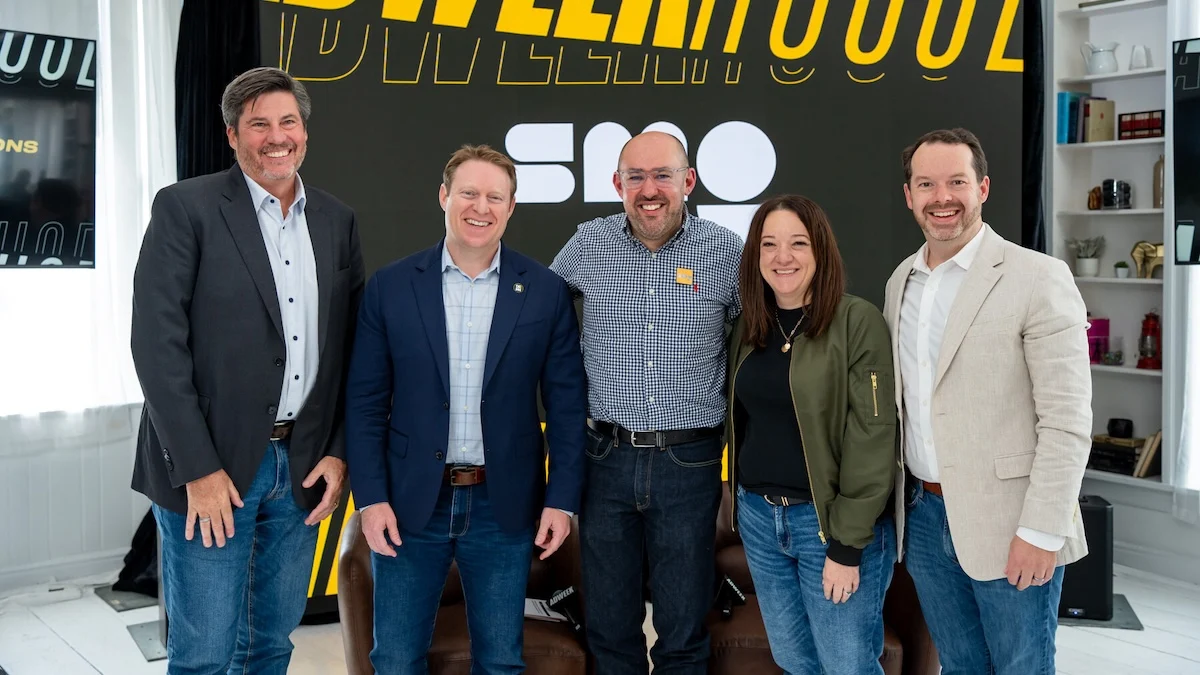
 Pevita Pearce
 Jia Lissa