
 Neng Nana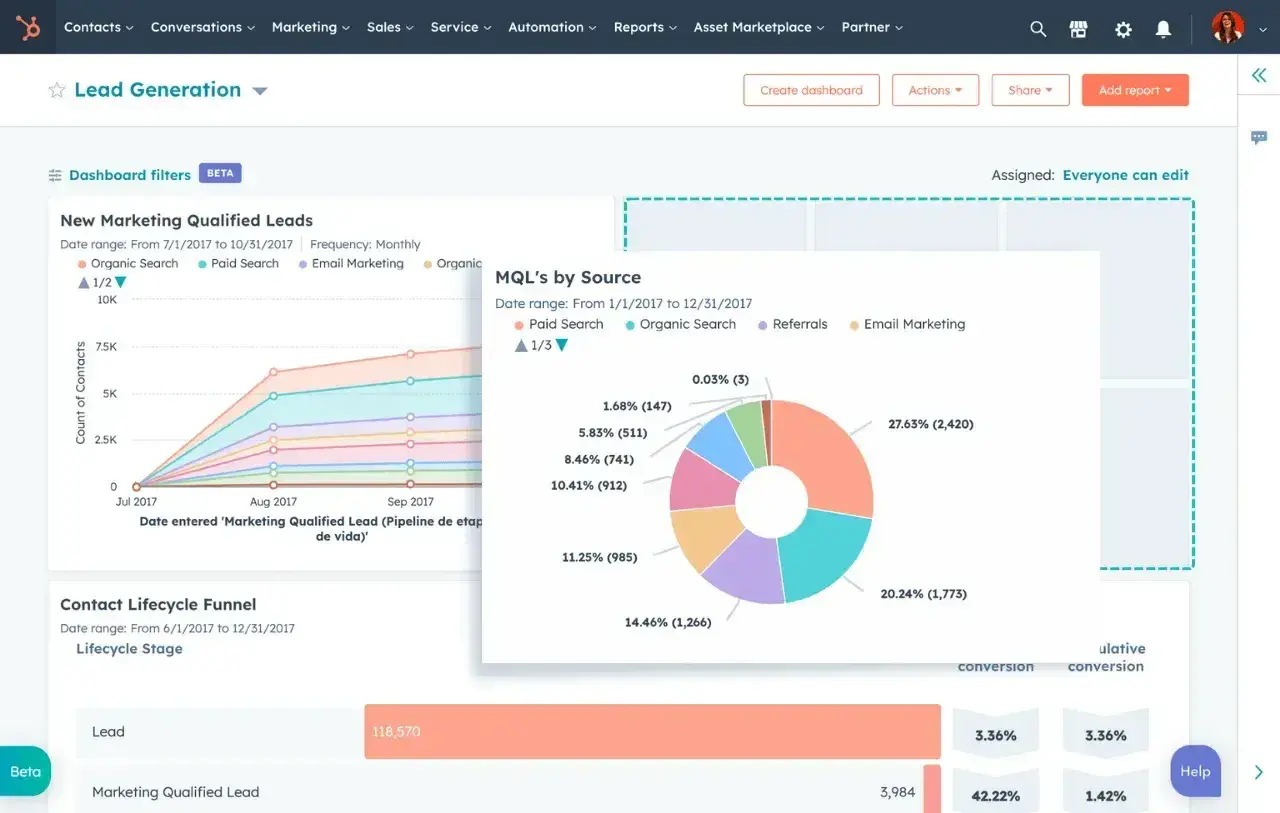
In the fast-paced world of B2B distribution, the days of relying on spreadsheets and disconnected legacy software are rapidly fading. As supply chains become more complex and customer expectations for real-time data rise, wholesale businesses are finding that a generic customer relationship management (CRM) system is no longer enough. To remain competitive in 2026, wholesalers require specialized platforms that act as a bridge between front-office sales and back-office operations.
The Evolution of Wholesale CRM: Why Specialized Tools Matter
Wholesale businesses operate under a unique set of constraints. Unlike retail, where transactions are often one-off and B2C-focused, wholesale involves high-volume repeat orders, complex account-specific pricing, and a constant need for inventory synchronization. When a sales team quotes a customer without knowing the current stock level, or fails to apply the correct contract pricing, the result is lost revenue, strained relationships, and operational friction.
A true wholesale CRM does not exist in a vacuum; it acts as the "source of truth" that integrates seamlessly with Enterprise Resource Planning (ERP) and inventory management systems. By unifying these data streams, businesses can transform their sales process from a reactive, manual exercise into a proactive, data-driven engine.
Chronology of the Shift: From Spreadsheets to AI-Powered Ecosystems
The transformation of the wholesale technology stack has unfolded in distinct phases:
- The Pre-Digital Era (Pre-2010s): Wholesalers relied almost exclusively on paper records, manual ledger updates, and phone-based inventory inquiries. Customer relationships were siloed within individual sales representatives’ notebooks.
- The Integration Phase (2010–2020): Businesses began adopting early cloud CRMs, but these systems often functioned as isolated islands. Sales teams had to toggle between the CRM and the ERP to see product availability, leading to "swivel-chair" inefficiencies.
- The Unified Era (2020–2025): The rise of API-first architectures allowed CRMs to pull real-time inventory and pricing data directly from back-end systems. This era emphasized mobile access for field reps.
- The Intelligence Era (2026 and Beyond): We are now entering an age where AI-driven "Breeze" or agentic tools proactively identify reorder opportunities, predict stockouts, and automatically adjust pricing based on market fluctuations.
Top CRM Platforms for Wholesale Distributors in 2026
Selecting the right software requires balancing functionality, ease of use, and total cost of ownership. Here are six leading solutions currently shaping the wholesale landscape.
1. HubSpot Smart CRM: The Unified Powerhouse
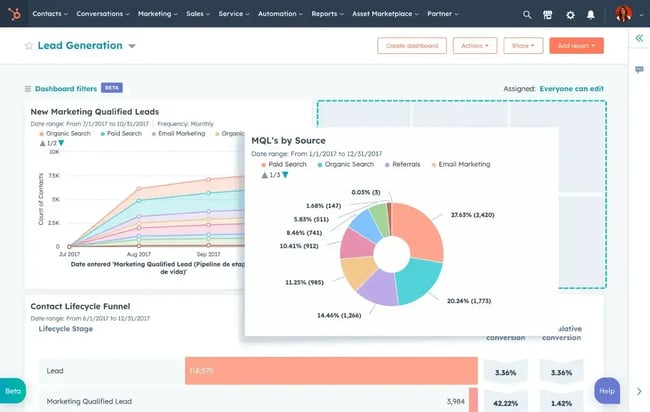
HubSpot has evolved far beyond its marketing roots to become a robust system of record for B2B distributors. By combining the "Smart CRM" with Commerce Hub and AI-driven automation, it allows teams to manage the entire quote-to-cash cycle in one interface. Its strength lies in its ability to scale, allowing small businesses to start with free tools and expand into enterprise-grade automation.

2. Pepperi: The Field Sales Specialist
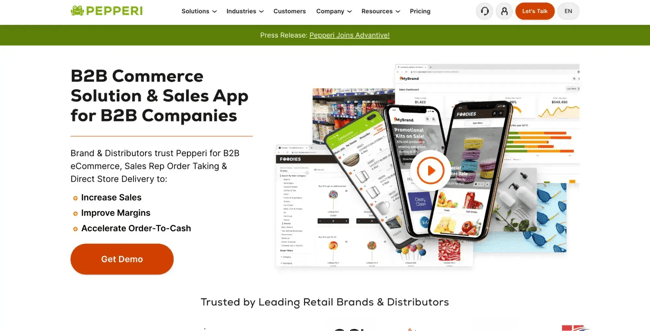
Pepperi is designed specifically for B2B brands and distributors. It shines in its ability to provide offline mobile access, making it the preferred choice for field reps who visit warehouses or client sites where internet connectivity may be unreliable. Its native B2B commerce capabilities allow for a seamless transition from face-to-face selling to self-service portals.
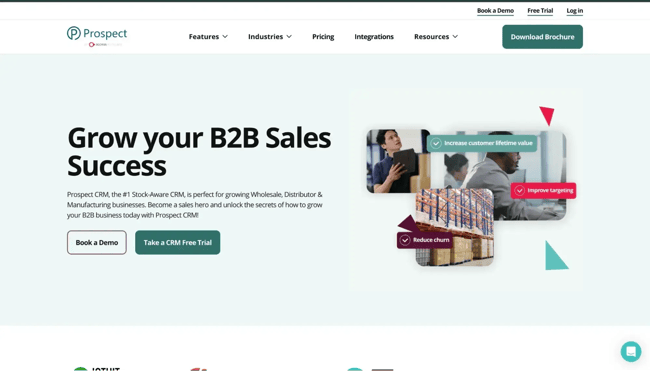
3. Prospect CRM: The Stock-Aware Champion
Prospect CRM distinguishes itself by being "stock-aware" out of the box. For distributors where real-time inventory visibility is the primary pain point, this platform provides deep integration with ERP data. It is particularly effective at highlighting cross-sell opportunities based on a customer’s specific purchasing history.
4. Zoho CRM: The Flexible, Cost-Effective Choice
Zoho provides a highly customizable environment at a price point that is often more accessible for mid-sized distributors. Through the broader Zoho ecosystem—including Zoho Inventory—teams can build a bespoke solution that connects their sales pipeline to warehouse management without the heavy overhead of enterprise-level pricing.
5. Salesforce Agentforce Sales: The Enterprise Standard
For large-scale wholesalers with complex global territories and multi-layered pricing models, Salesforce remains the industry titan. With the introduction of Agentforce, Salesforce is pushing the boundaries of autonomous sales agents that can handle complex quoting and territory management at scale.
6. Microsoft Dynamics 365 Sales: The Ecosystem Advantage
For organizations already embedded in the Microsoft stack, Dynamics 365 is the logical choice. It offers the tightest possible integration with Outlook, Teams, and Power BI, ensuring that CRM data is always accessible within the tools employees use for daily productivity.
Supporting Data: The Economic Case for CRM Adoption
The transition to a dedicated wholesale CRM is not merely an operational upgrade; it is a financial imperative. Research indicates that organizations that implement integrated CRM systems experience:
- 20-30% Reduction in Quoting Time: By automating pricing logic and inventory checks, sales reps spend less time researching and more time closing.
- 15% Increase in Customer Lifetime Value (CLV): Better visibility into reorder patterns allows for proactive "nudge" marketing, ensuring distributors capture the next order before a competitor does.
- Reduction in Data Entry Errors: Automated syncing between the CRM and ERP eliminates the "double-entry" problem, reducing manual errors that lead to costly returns and shipping discrepancies.
Official Perspectives: The Role of AI and Automation
Industry leaders emphasize that the future of wholesale is "proactive, not reactive." AI agents, such as those integrated into HubSpot’s Breeze or Salesforce’s Agentforce, are now being tasked with monitoring customer behavior.
For instance, an AI agent can analyze a customer’s typical buying cycle. If a client usually orders widgets every 30 days and it has been 35 days, the system can automatically notify the sales rep or send a personalized reorder reminder to the client. This level of automation ensures that the distributor remains the "top of mind" vendor, effectively turning the CRM into a sales assistant rather than just a database.
Implications for Future Operations
As we look toward the remainder of the decade, the implications for wholesale businesses are clear:
- Data Sovereignty: Distributors must ensure their CRM allows them to own and port their data. As AI becomes more central to business strategy, the quality and cleanliness of your CRM data will become your company’s most valuable asset.
- Seamless Handoffs: The "Quote-to-Cash" gap must disappear. The goal is a frictionless experience where a salesperson’s quote instantly reserves the stock in the warehouse, updates the accounting software, and triggers a shipping notification—all without human intervention.
- The Rise of Mobile Field Sales: As remote and hybrid work models persist, the "office" for a wholesale rep is increasingly their mobile device. Any CRM lacking a fully functional, offline-capable mobile app will fail to capture the necessary field data required for accurate forecasting.
Conclusion: How to Choose Your Path
Selecting a CRM is a step-by-step commitment. Start by mapping your current processes—identify exactly where the bottlenecks exist. Is it the quoting phase? Is it communication? Is it inventory visibility?
Once identified, prioritize integration. If your current ERP is a legacy system, ensure the CRM you choose has robust API capabilities or pre-built connectors. Finally, involve the stakeholders who will actually use the system—your field reps, warehouse managers, and finance teams.
Whether you opt for the unified ecosystem of HubSpot, the field-sales focus of Pepperi, or the enterprise scale of Salesforce, the objective remains the same: create a system that allows your business to move faster, sell smarter, and grow consistently. In 2026, the businesses that win will be those that view their CRM not as a cost center, but as the central nervous system of their entire operation.


 Ammar Sabilarrohman
 Sagoh
Sagoh
 Raul Delapena Setiawan
 Reynand Wu

 Azzam Bilal Chamdy
 Ali Ikhwan