
 Sagoh
Sagoh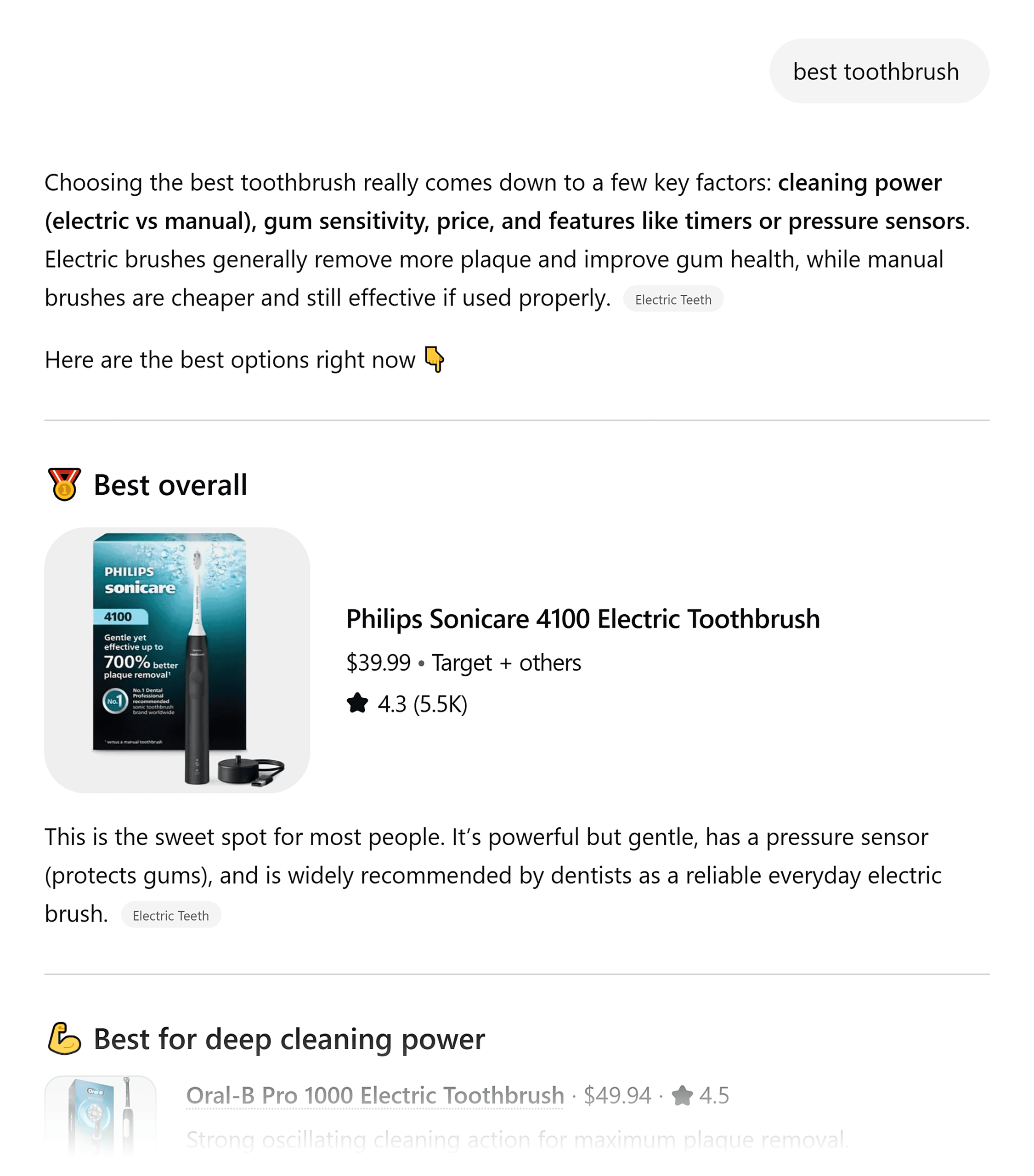
In the traditional era of SEO, success was binary: you either ranked on the first page of Google, or you were invisible. However, as Large Language Models (LLMs) like ChatGPT, Perplexity, and Google’s AI Overviews become the primary interface for information retrieval, the old rules of search engine optimization are undergoing a seismic shift.

Today, your content can hold the number one spot on a Google SERP and still never be cited, mentioned, or even acknowledged by an AI. The reason lies in a backend process known as "query fan-out." If your content strategy is still built solely around winning individual keyword battles, you are likely missing out on the most significant traffic shift of the decade.
What Is Query Fan-Out?
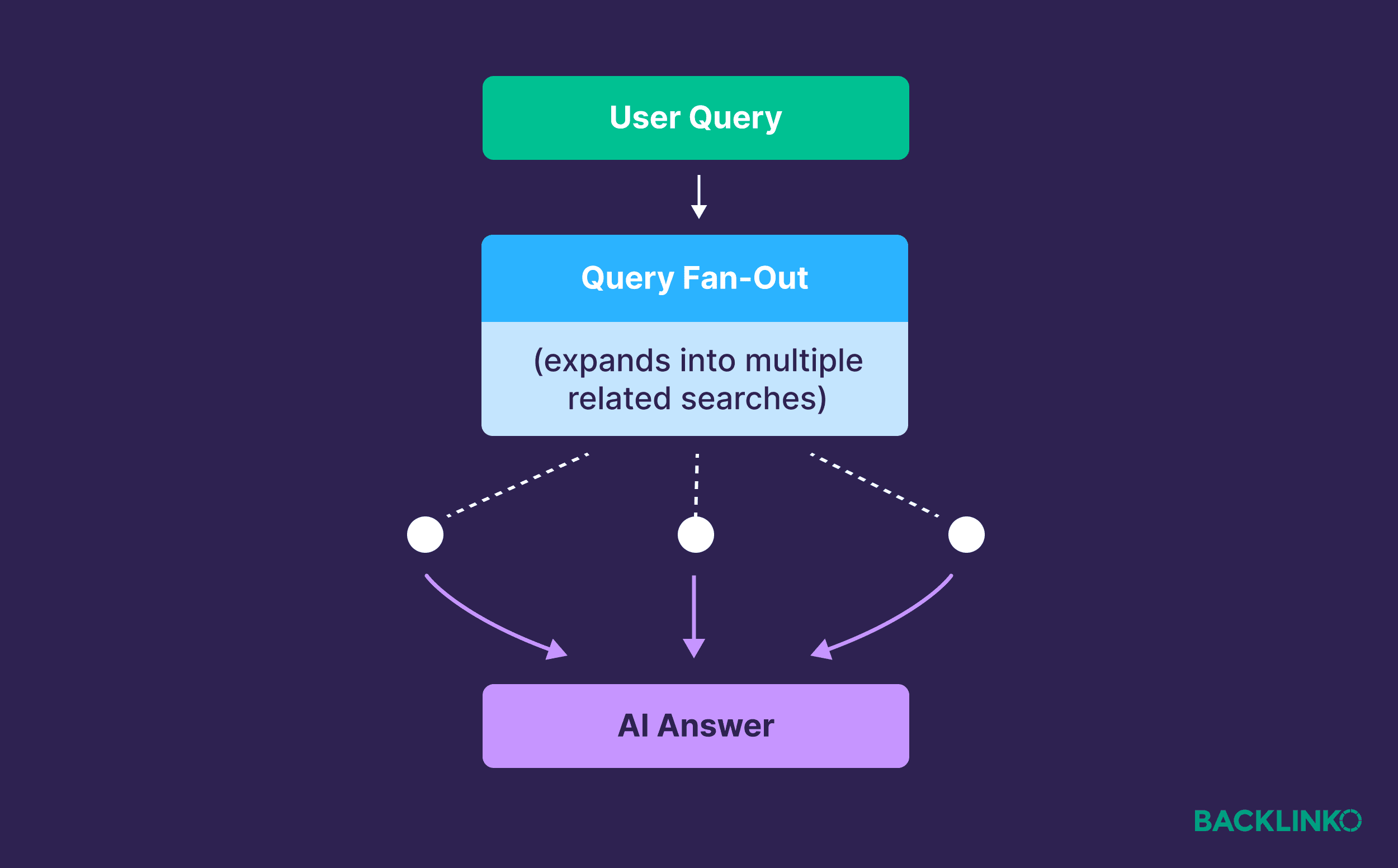
Query fan-out is the sophisticated, background orchestration AI systems use to transform a single, often vague, user prompt into a multi-dimensional, comprehensive answer.
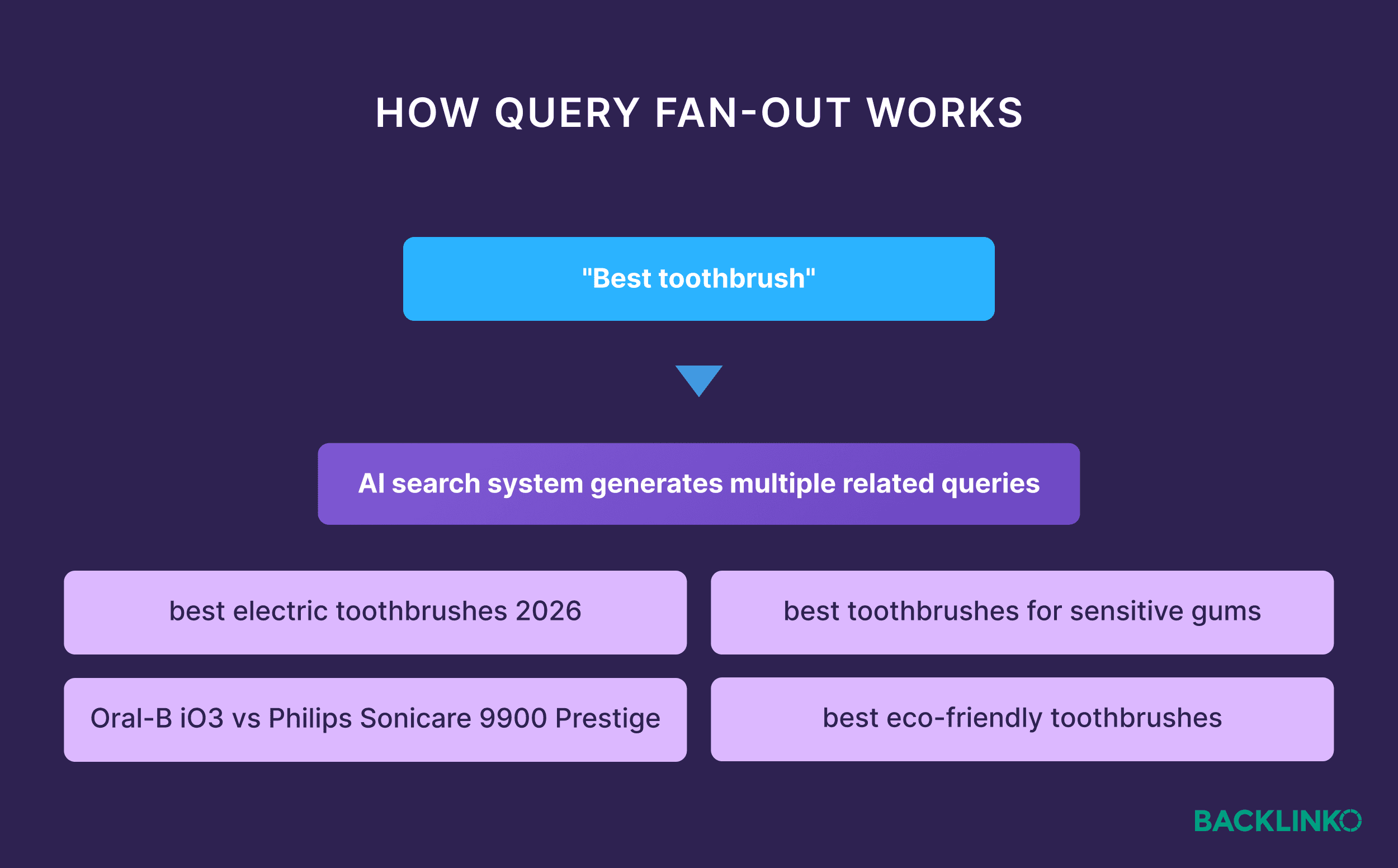
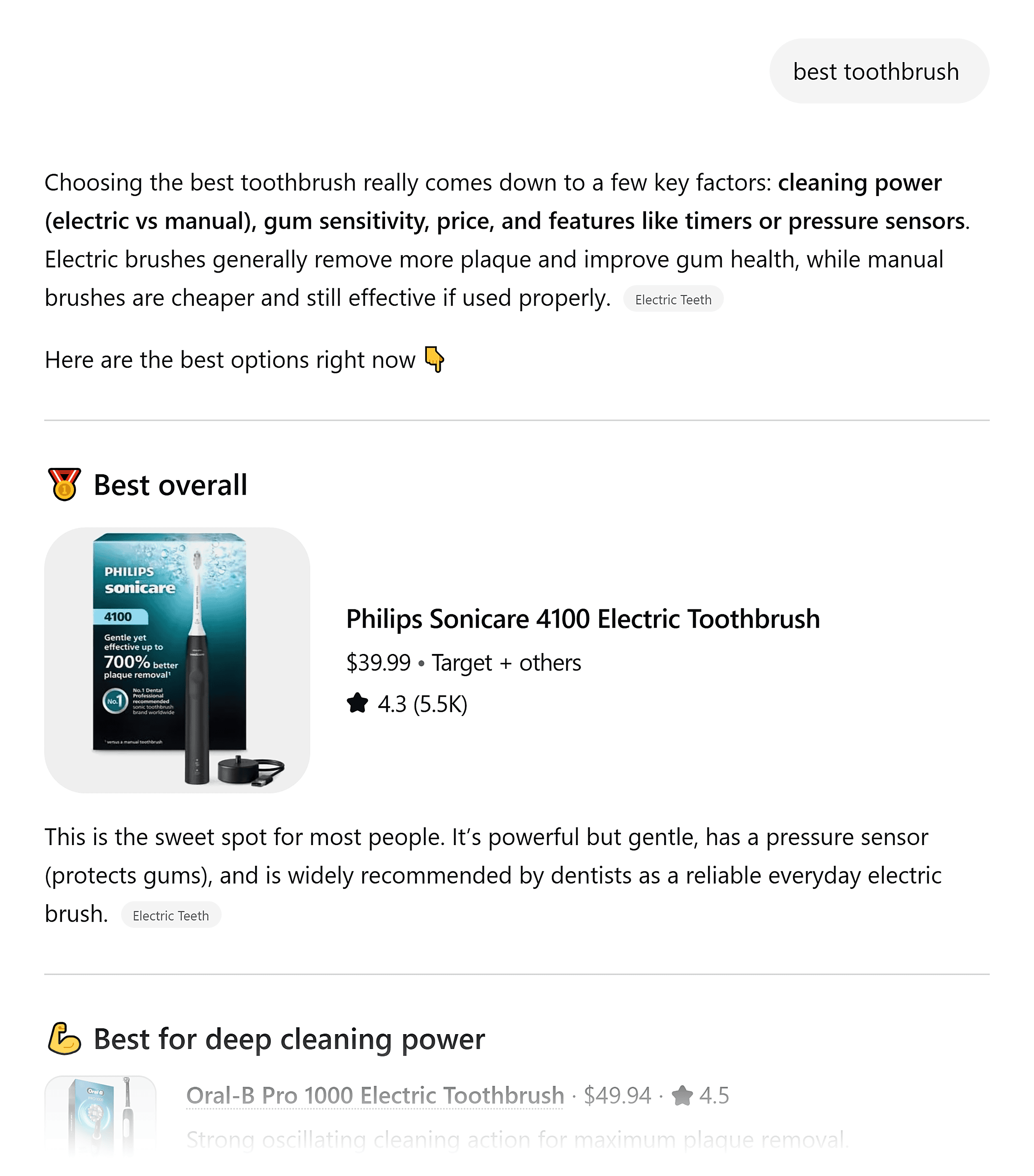
When a user asks a broad question—such as "What is the best electric toothbrush?"—an AI does not simply query a database for the highest-ranking page. Instead, it "fans out" that query into a series of highly specific sub-queries: “Best electric toothbrushes 2026,” “electric toothbrush for sensitive gums,” “Oral-B vs. Philips Sonicare comparison,” and “budget-friendly electric toothbrushes.”
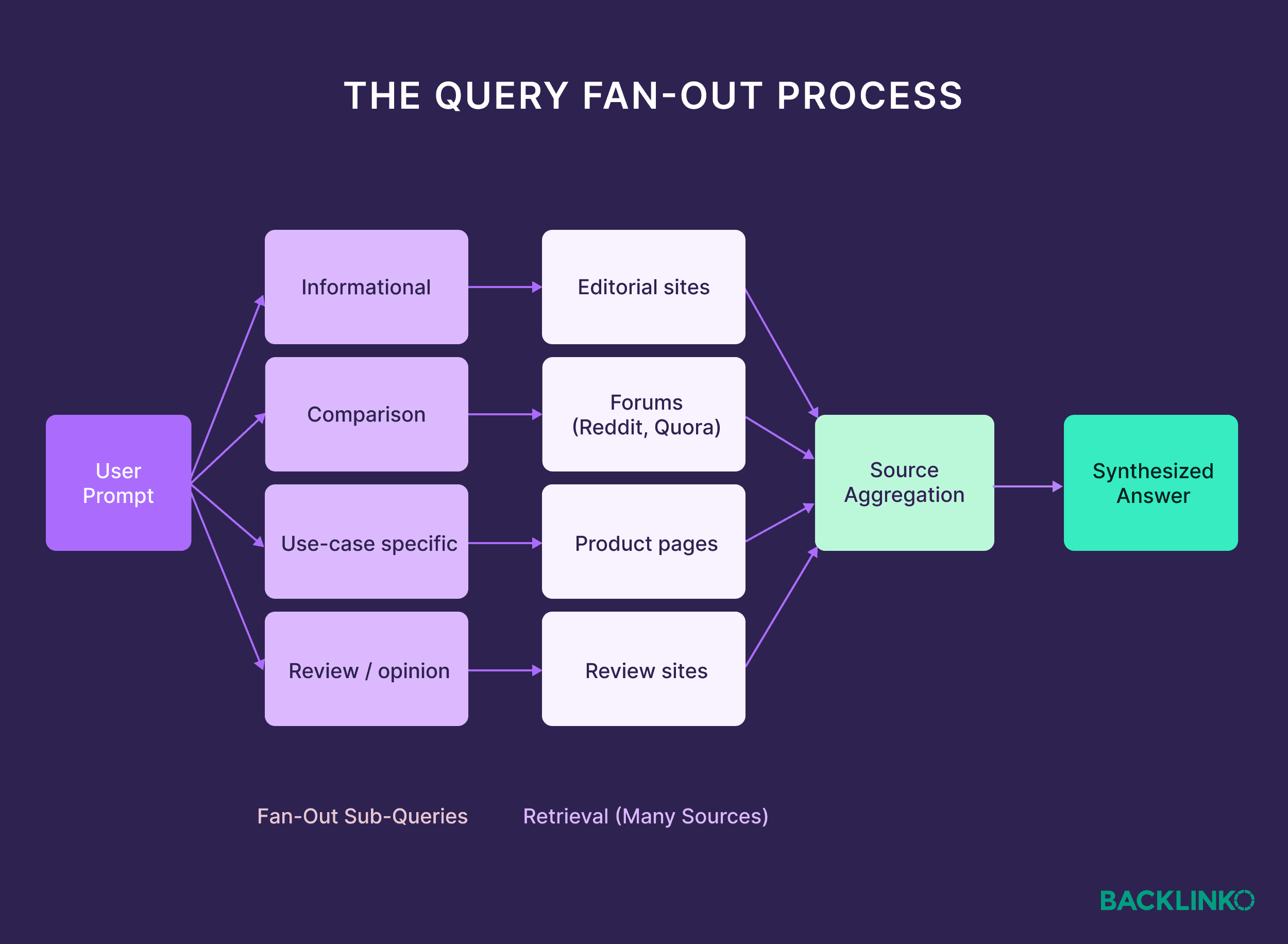
By executing these sub-queries, the AI gathers a mosaic of information from diverse sources—editorial reviews, Reddit discussions, and specific product pages—and synthesizes them into a single, cohesive response. In this model, the AI isn’t just looking for a "ranking" page; it is looking for the most authoritative, granular, and helpful passage of text that answers each specific sub-component of the user’s intent.
The Chronology of the Shift: From Search to Synthesis
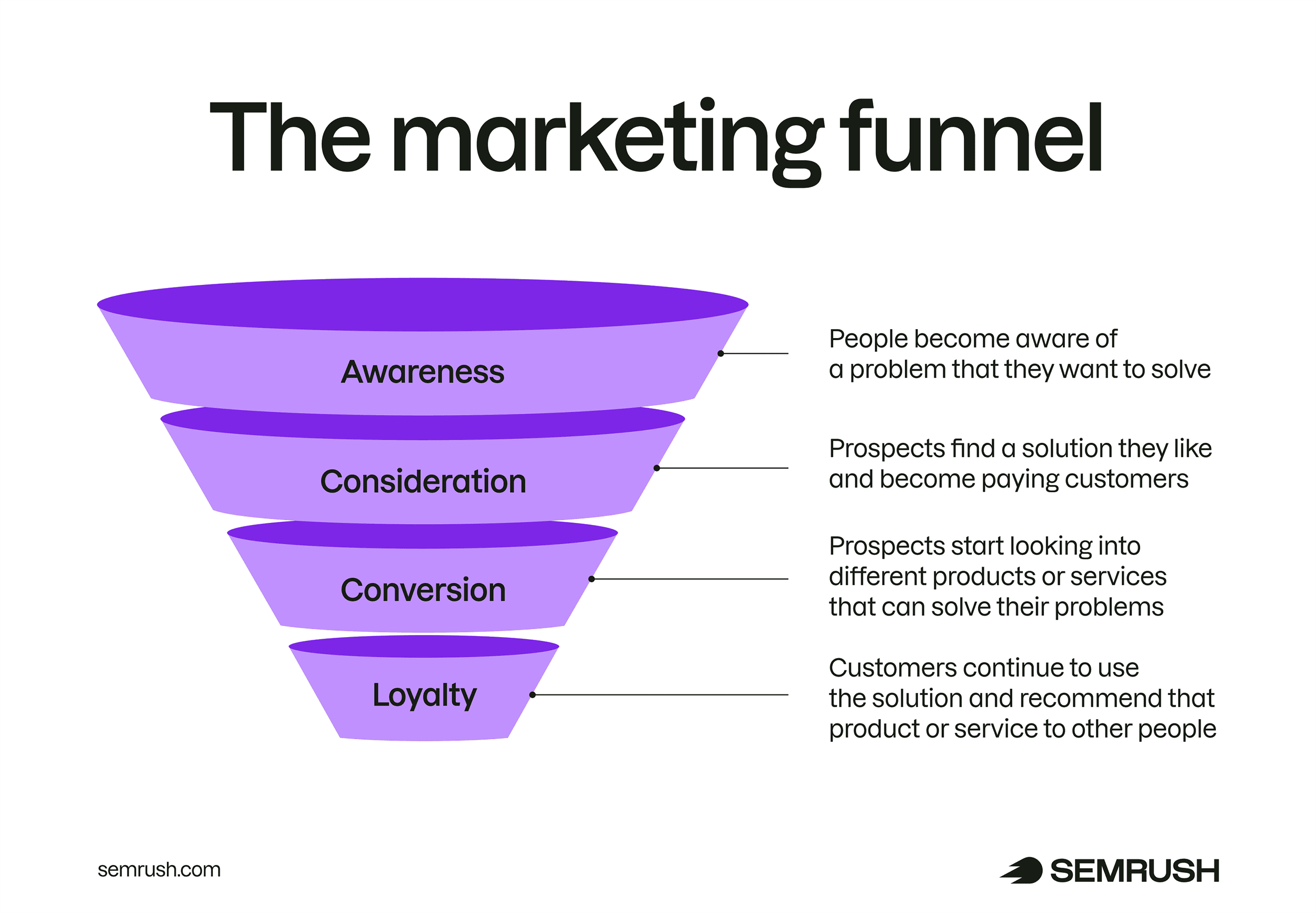
For years, the SEO industry focused on "linear intent." We built content for the funnel: awareness, consideration, and decision. We assumed a user would search for a problem, click a link, read a blog post, and then move to a product page.
The AI era has effectively collapsed this funnel.
- The Input: A user inputs a complex, high-intent query.
- The Fan-Out: The AI engine identifies the sub-topics necessary to answer that query.
- The Retrieval: The AI scrapes relevant passages from the web, ignoring page-level ranking in favor of passage-level relevance.
- The Synthesis: The LLM rewrites the gathered information into a custom answer, citing the sources that provided the most "complete" data for each sub-topic.
The implication is clear: The journey from "What is this?" to "I want to buy this" now happens in a single interaction. Your content must be ready to serve as the answer for every stage of that journey simultaneously.
Supporting Data: Why Rankings Are No Longer King
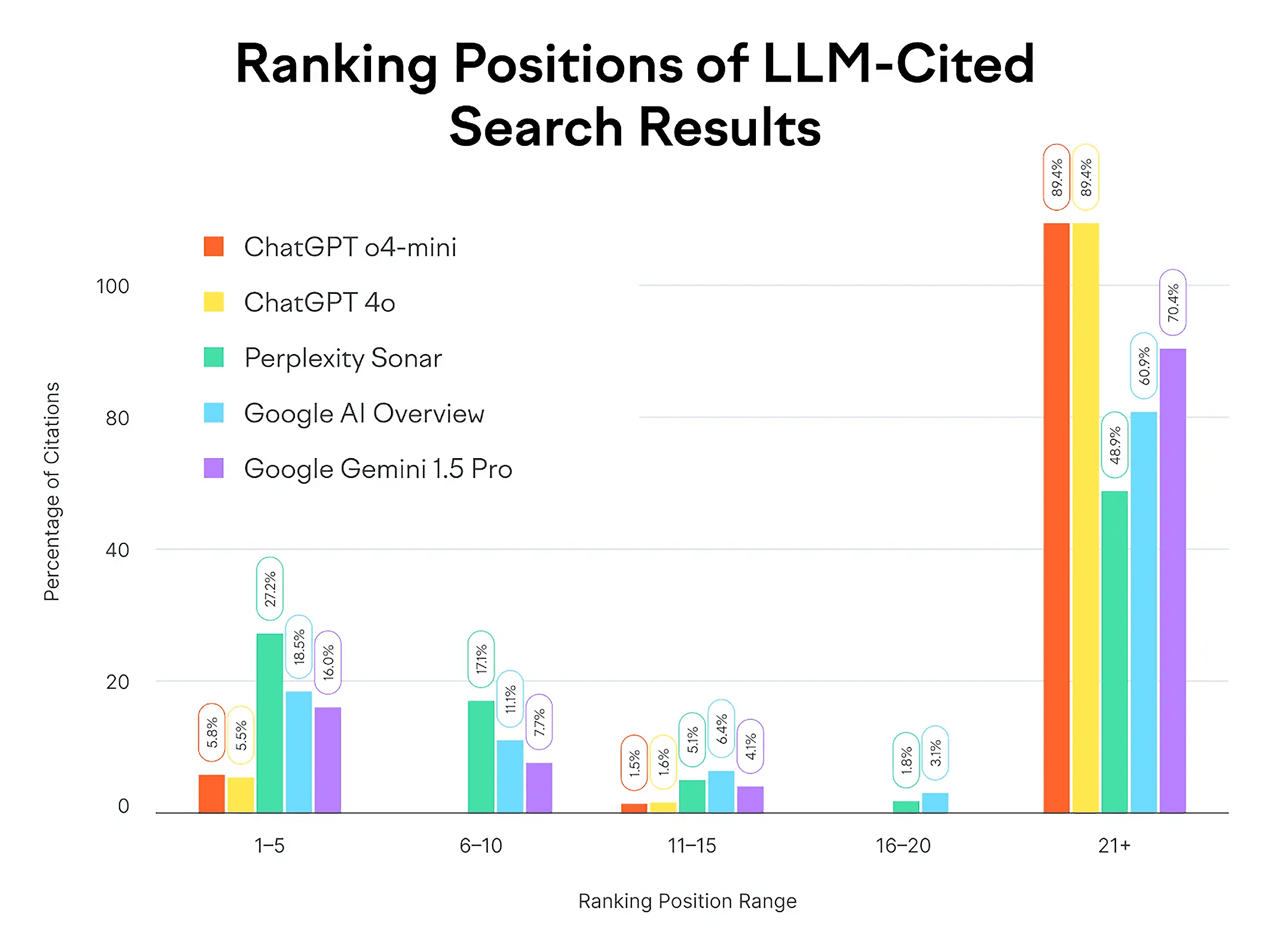
If you believe that position #1 is your safety net, the data suggests otherwise. Recent studies, including analysis from Semrush, have shown that AI systems frequently bypass top-ranking pages to extract data from sources in positions 21 and beyond.
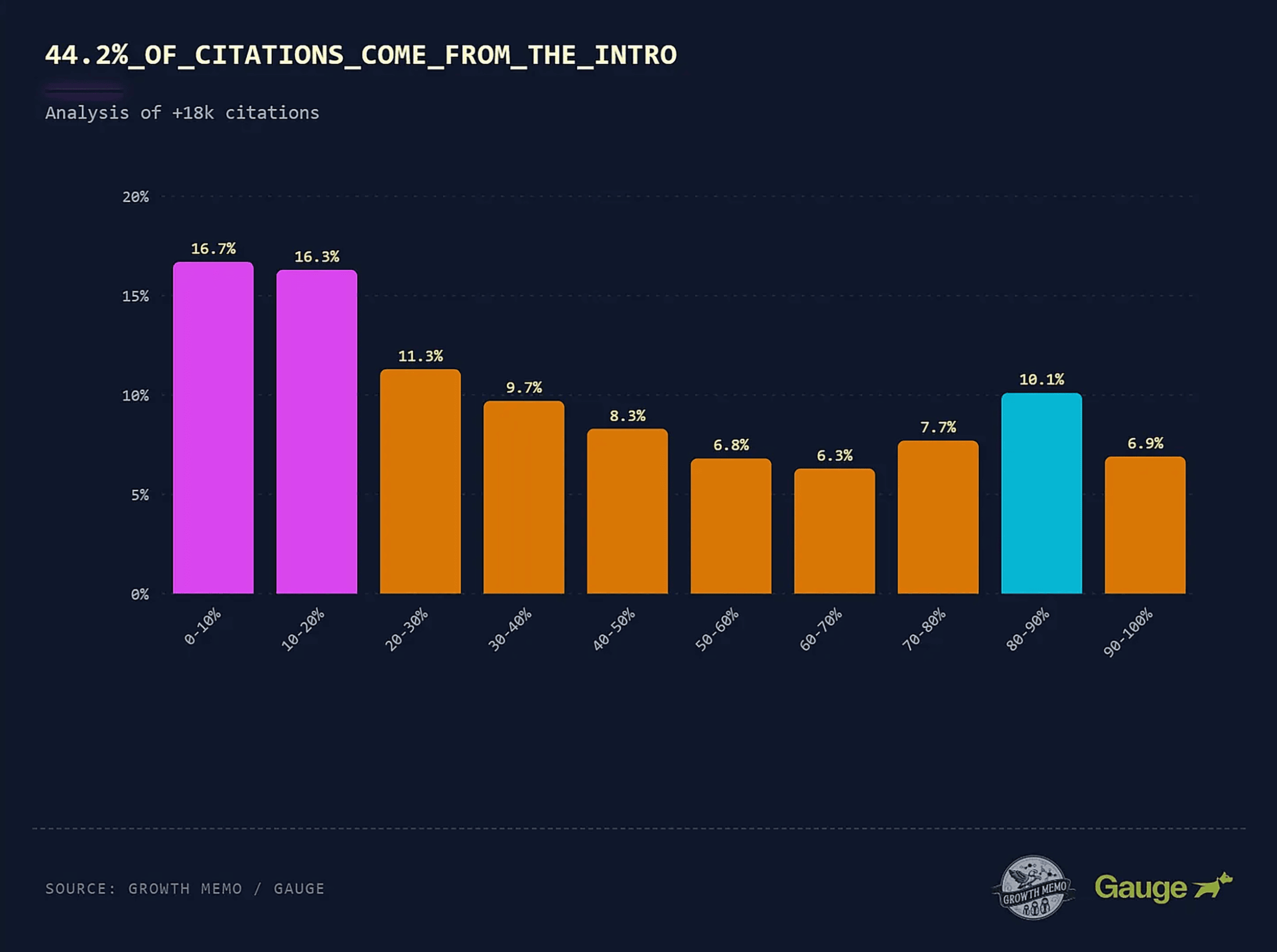
Furthermore, content architecture is now more important than domain authority. Growth advisor Kevin Indig analyzed 1.2 million ChatGPT responses and found that 44.2% of citations originate from the first 30% of a page. This indicates that AI models prioritize "front-loading" information—they are looking for direct, concise, and highly relevant passages that require little processing power to interpret.
Implications for Content Strategy
To remain visible in this new landscape, you must move beyond "keyword stuffing" and embrace "topical coverage."

1. You Don’t Need the #1 Spot for Citations
AI doesn’t care about your backlink profile or your DA as much as it cares about the specific, factual accuracy of a passage. If a page in position 30 answers a sub-query more comprehensively than the page in position 1, the AI will cite the page in position 30.

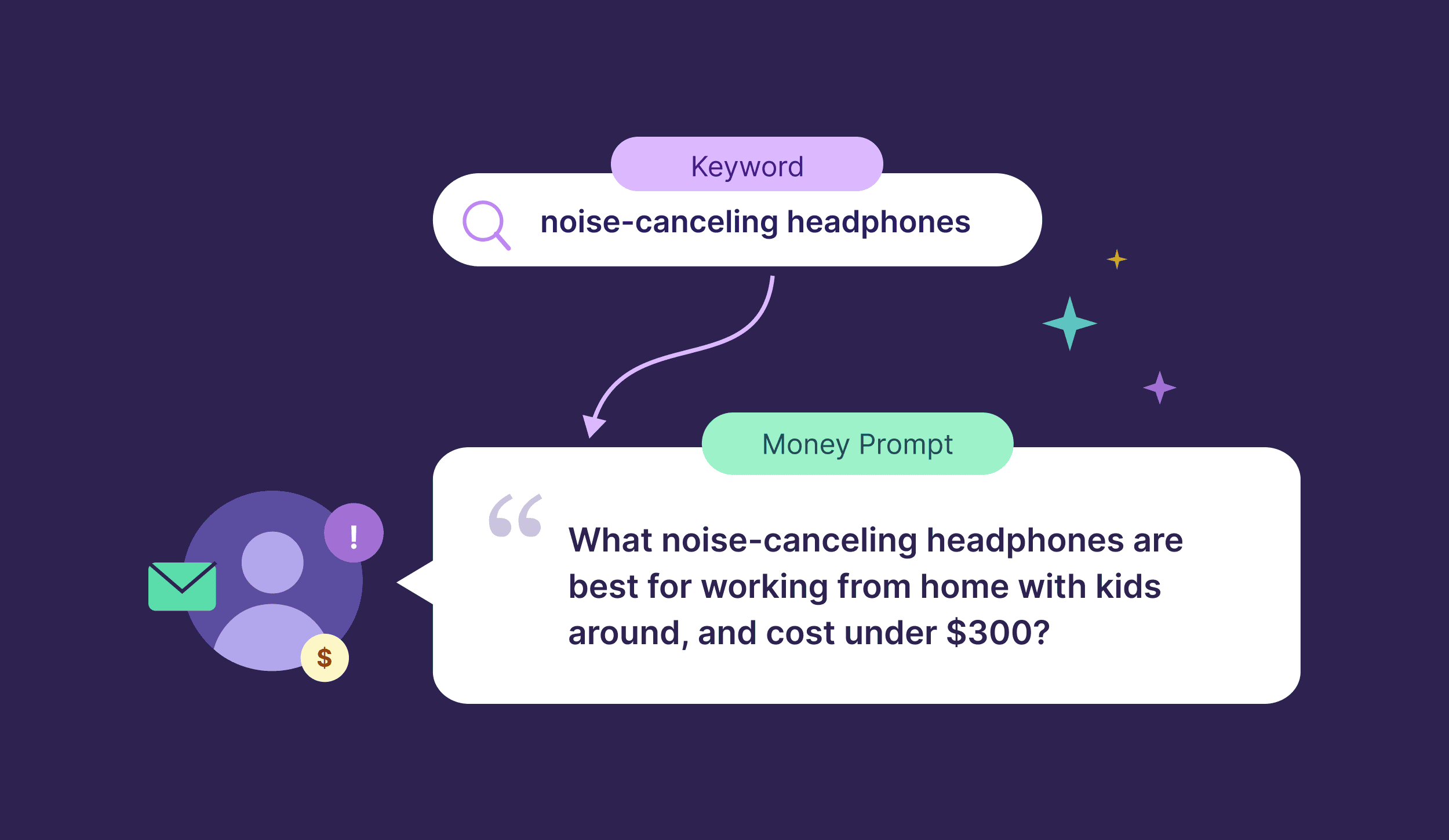
2. The Rise of "Money Prompts"
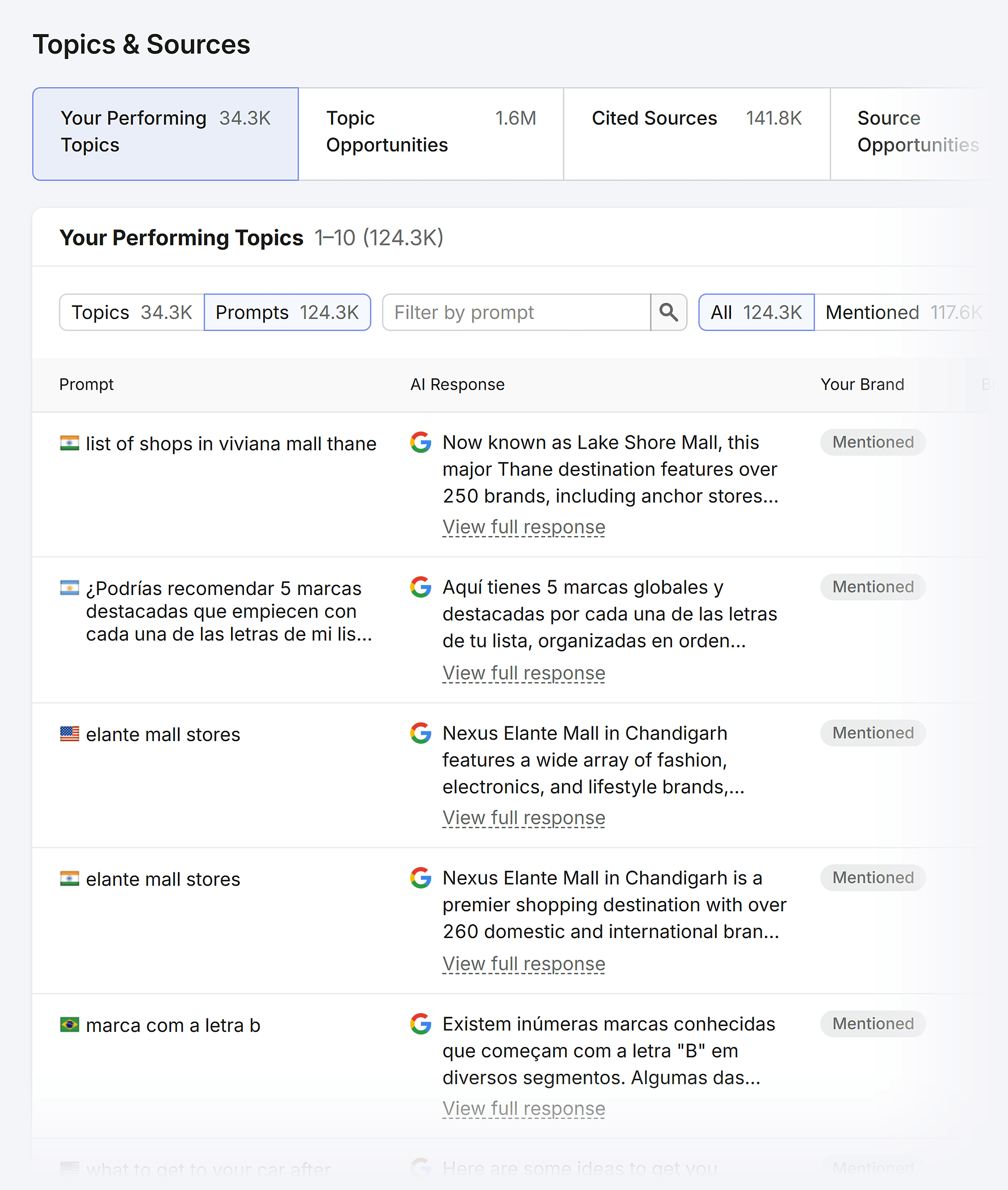
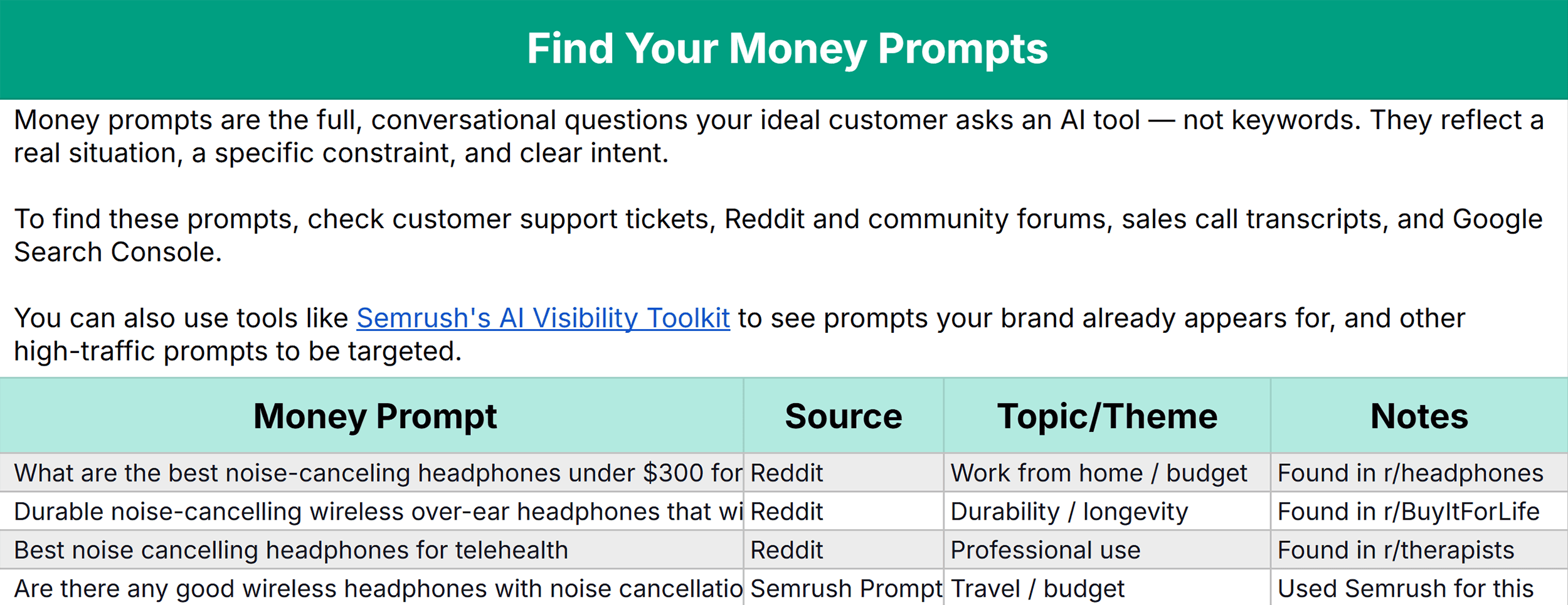
"Money prompts" are the AI equivalent of high-commercial-intent keywords. They are the specific, conversational questions your customers ask AI when they are ready to solve a problem. Identifying these requires looking at what users type into AI tools, not just search engines.
3. Topic Clusters Over Individual Keywords
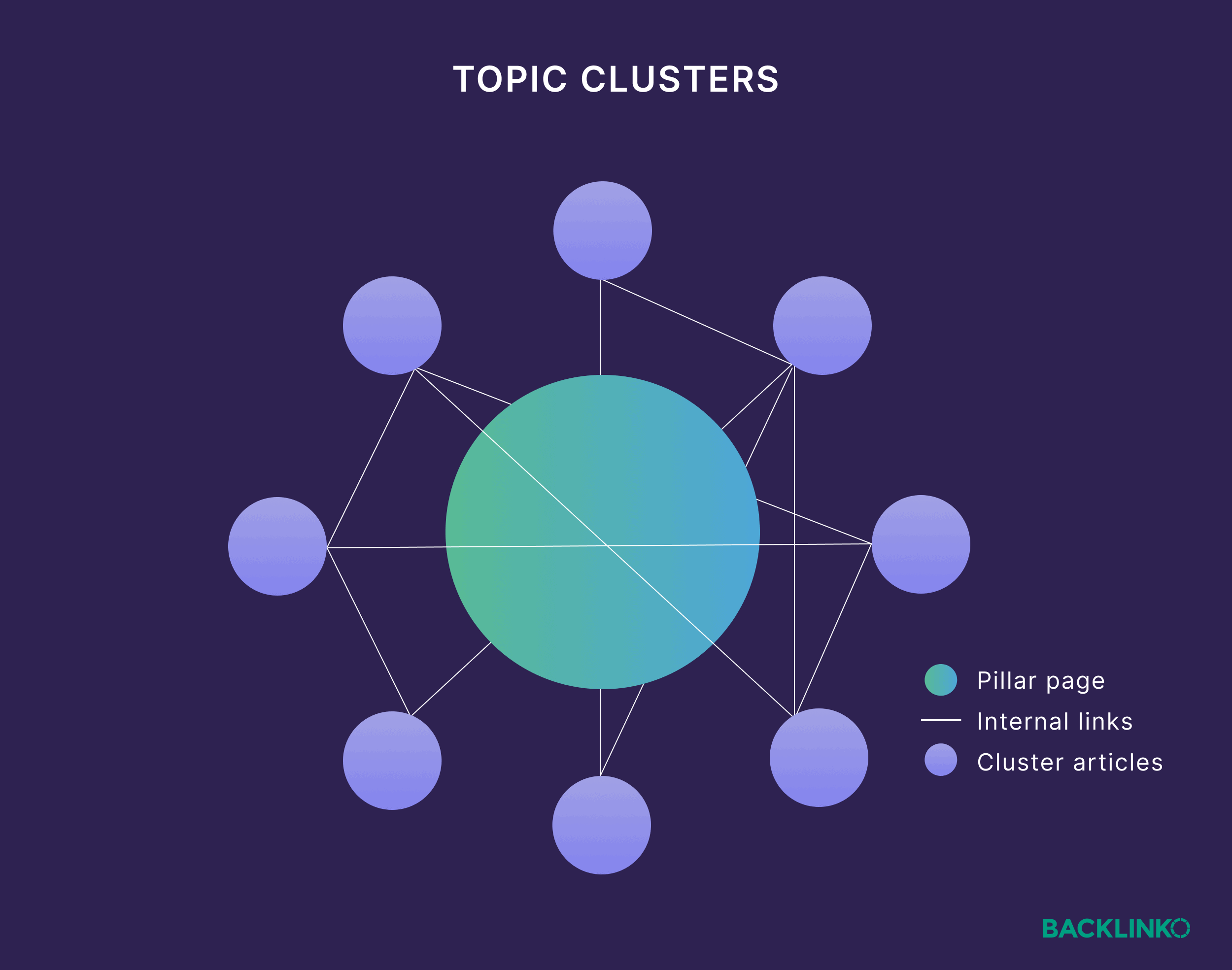
Because AI synthesizes information, it favors websites that provide a comprehensive "encyclopedia" of a topic. Pillar pages that connect to clusters of sub-topic articles are more likely to be seen as a "reliable source" by the AI’s retrieval mechanism.
The 6-Step Workflow to Earn AI Citations
If you want to optimize your brand for the AI-first web, follow this repeatable framework:
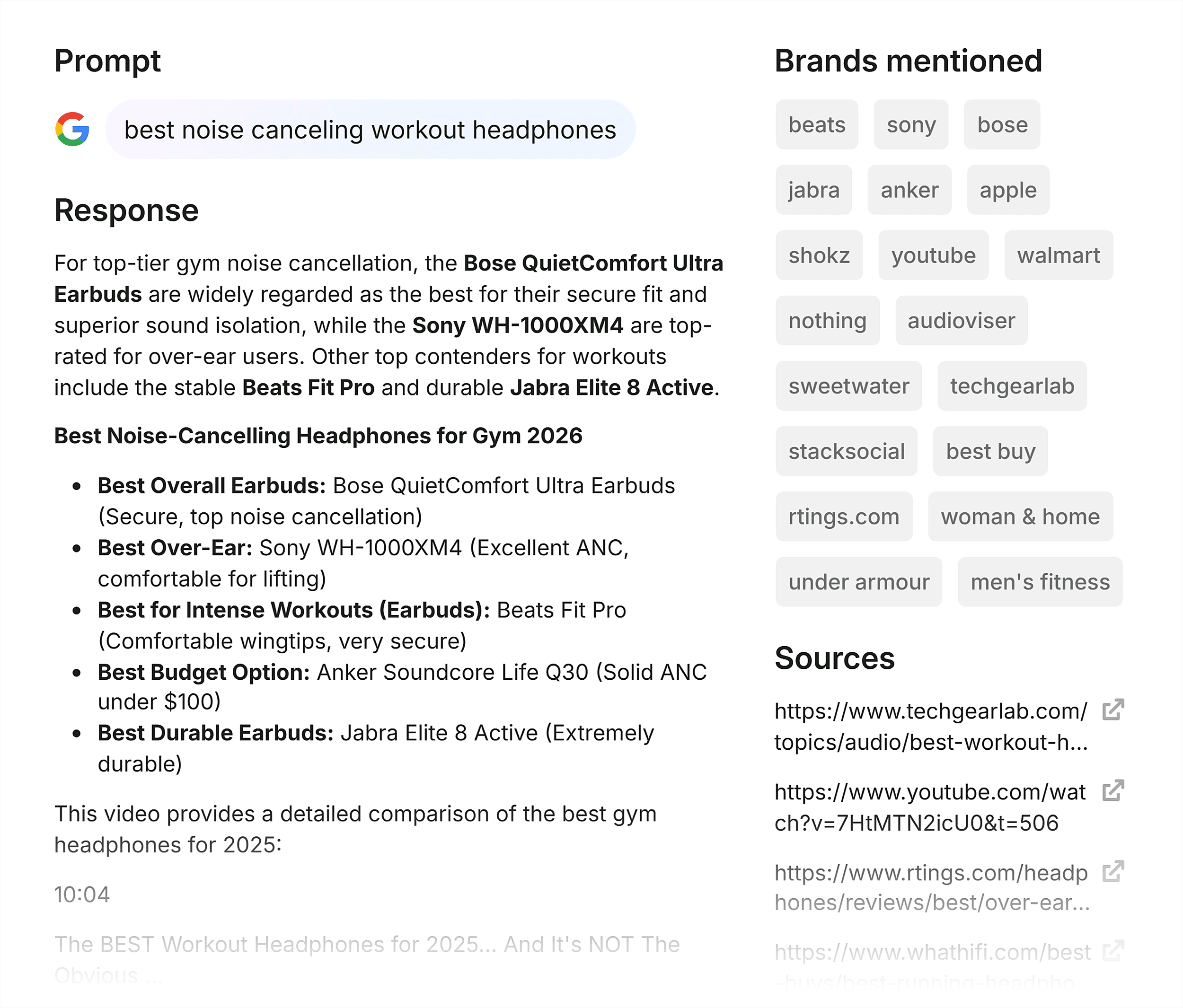
Step 1: Find Your Money Prompts
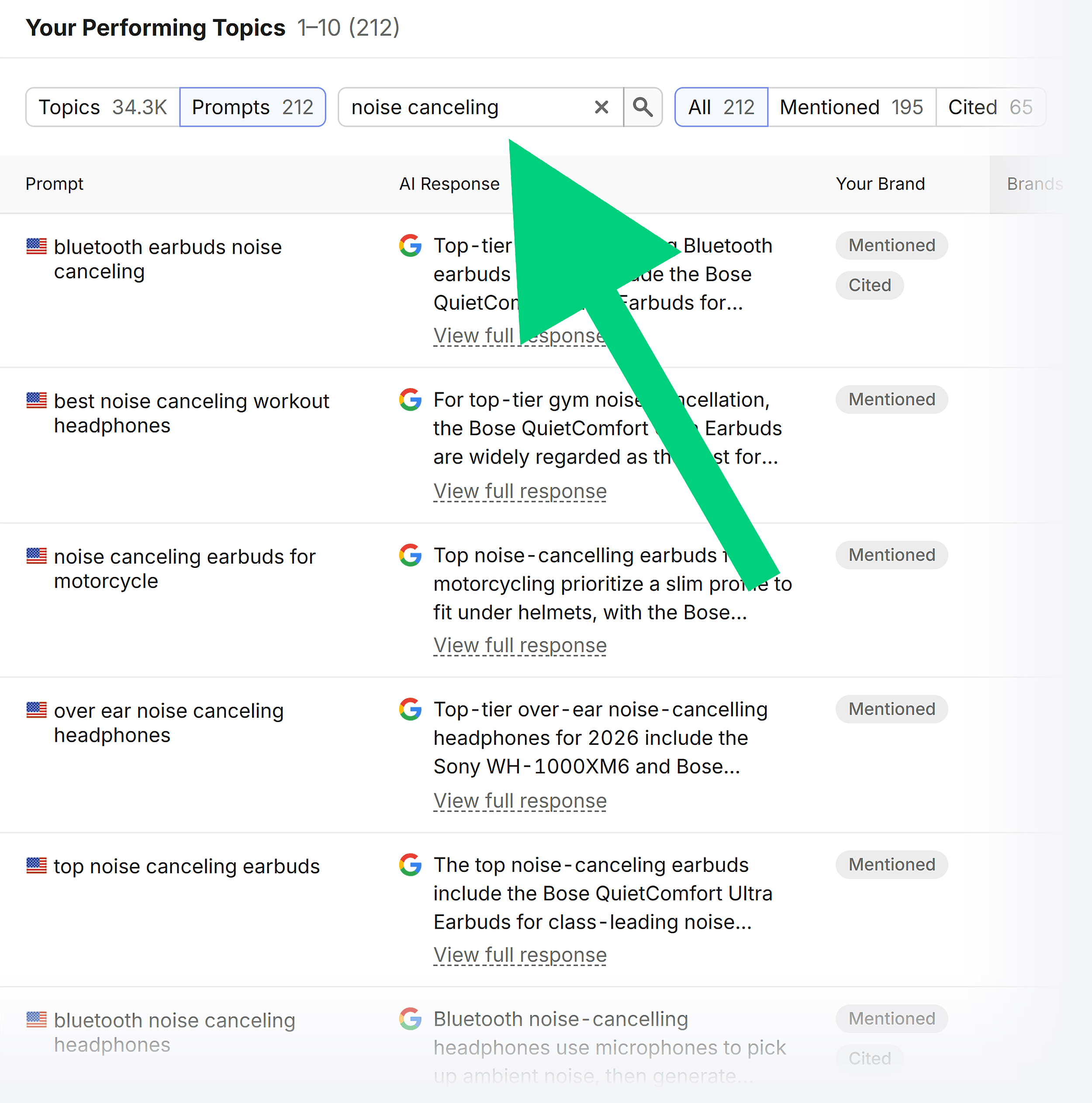
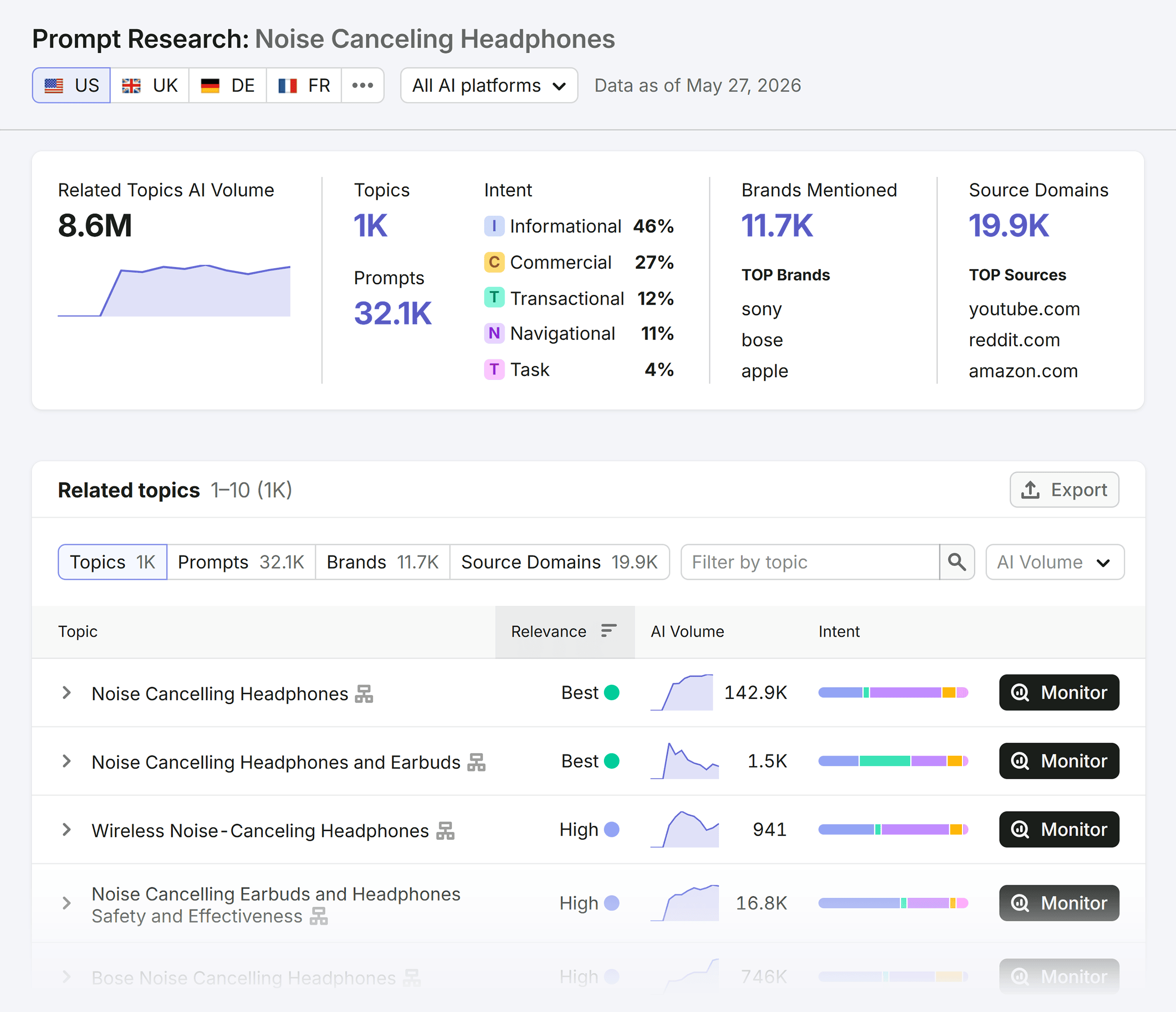
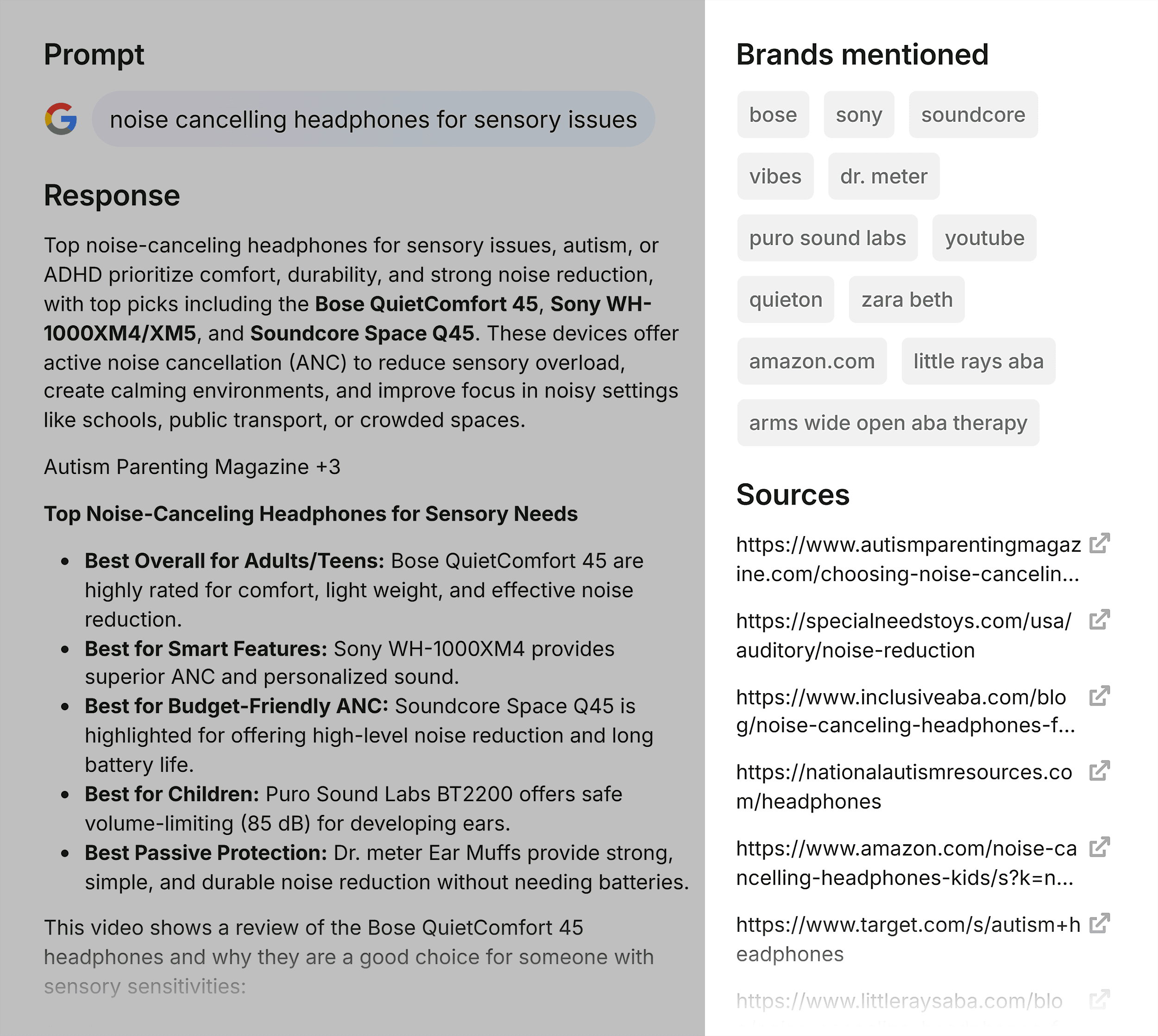
Identify the questions your audience asks AI. Use tools like the Semrush AI Visibility Toolkit to see which prompts currently generate results in your industry. If you don’t have visibility, use "Prompt Research" tools to input broad topics and uncover the sub-questions AI is generating for your competitors.
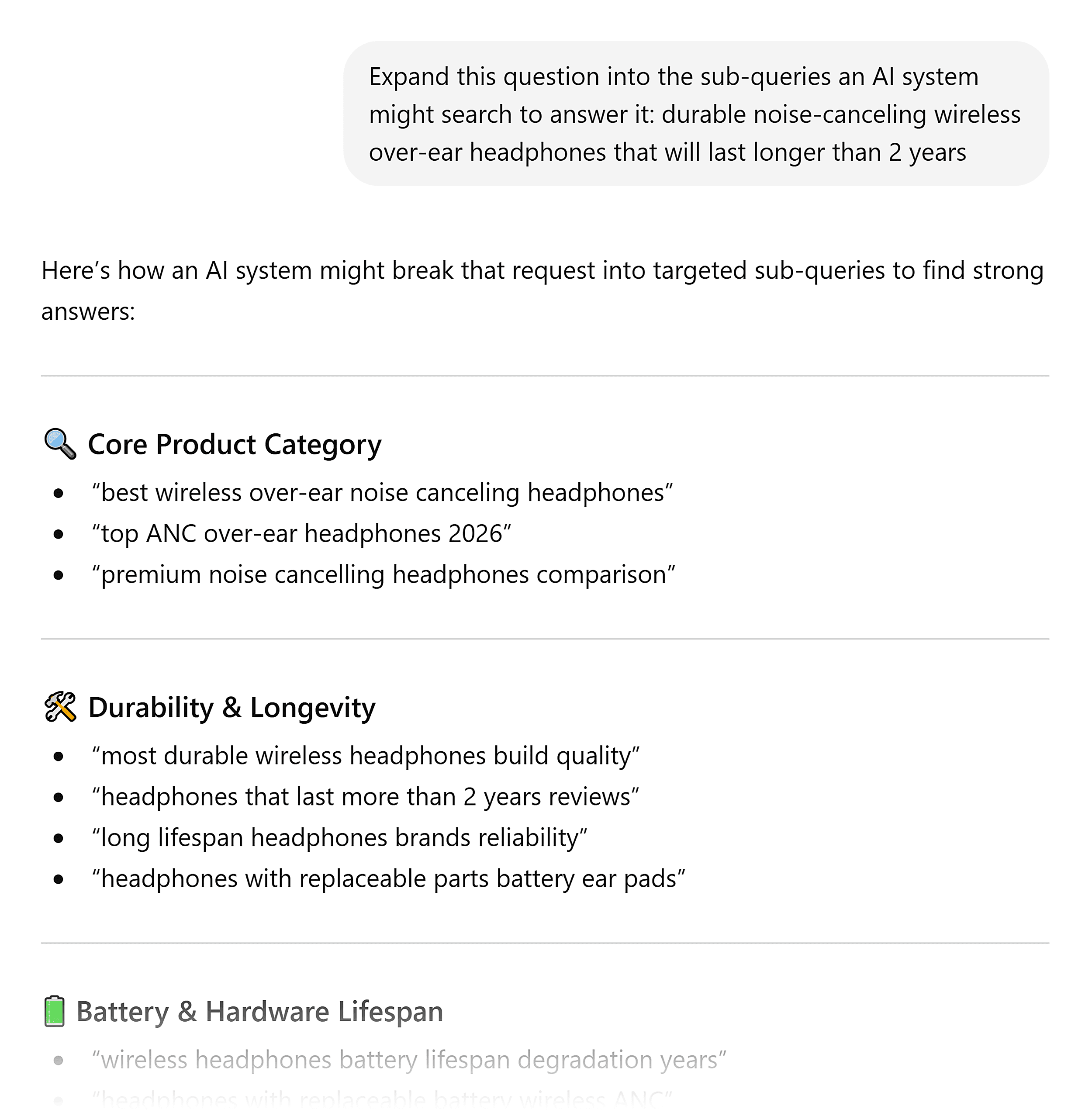
Step 2: Generate Your Fan-Out Set
Manually test your money prompts in ChatGPT or Perplexity. Use the "Inspect" tool in your browser to view the "network" traffic and search for the word "queries." This will reveal the actual sub-queries the AI is running behind the scenes.
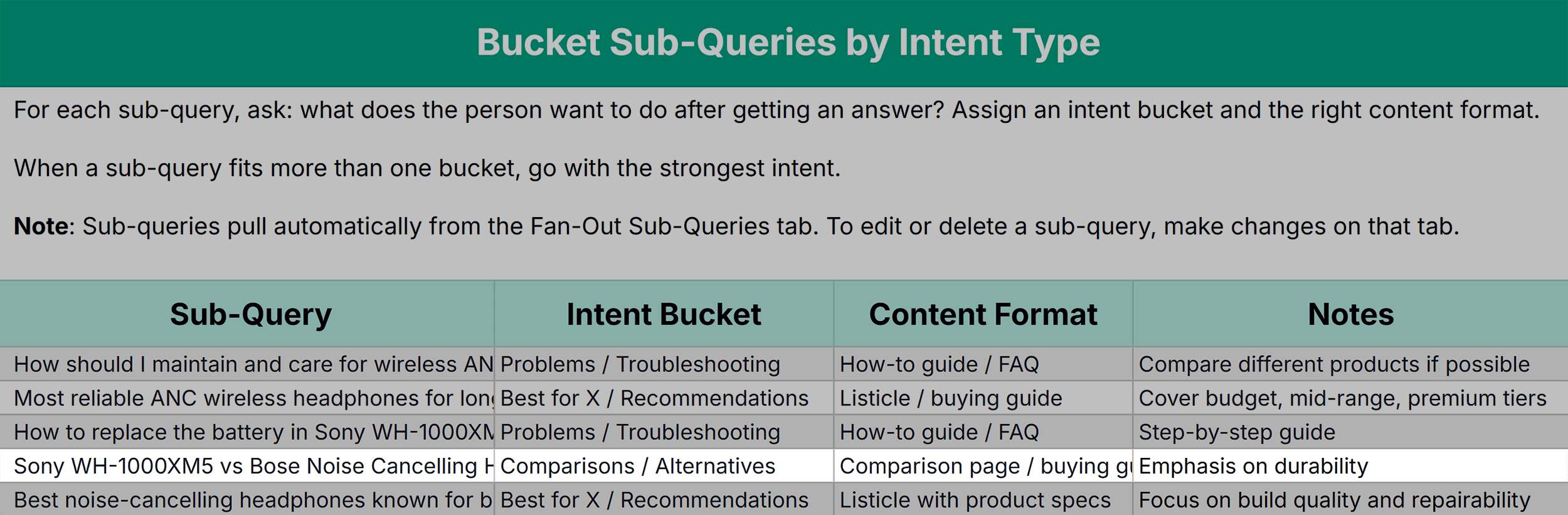
Step 3: Bucket Sub-Queries by Intent
Categorize every sub-query you find:
- Definitions: For basic, educational content.
- Comparisons: For head-to-head table formats.
- Best-for-X: For listicles and buying guides.
- Troubleshooting: For FAQs and "how-to" sections.
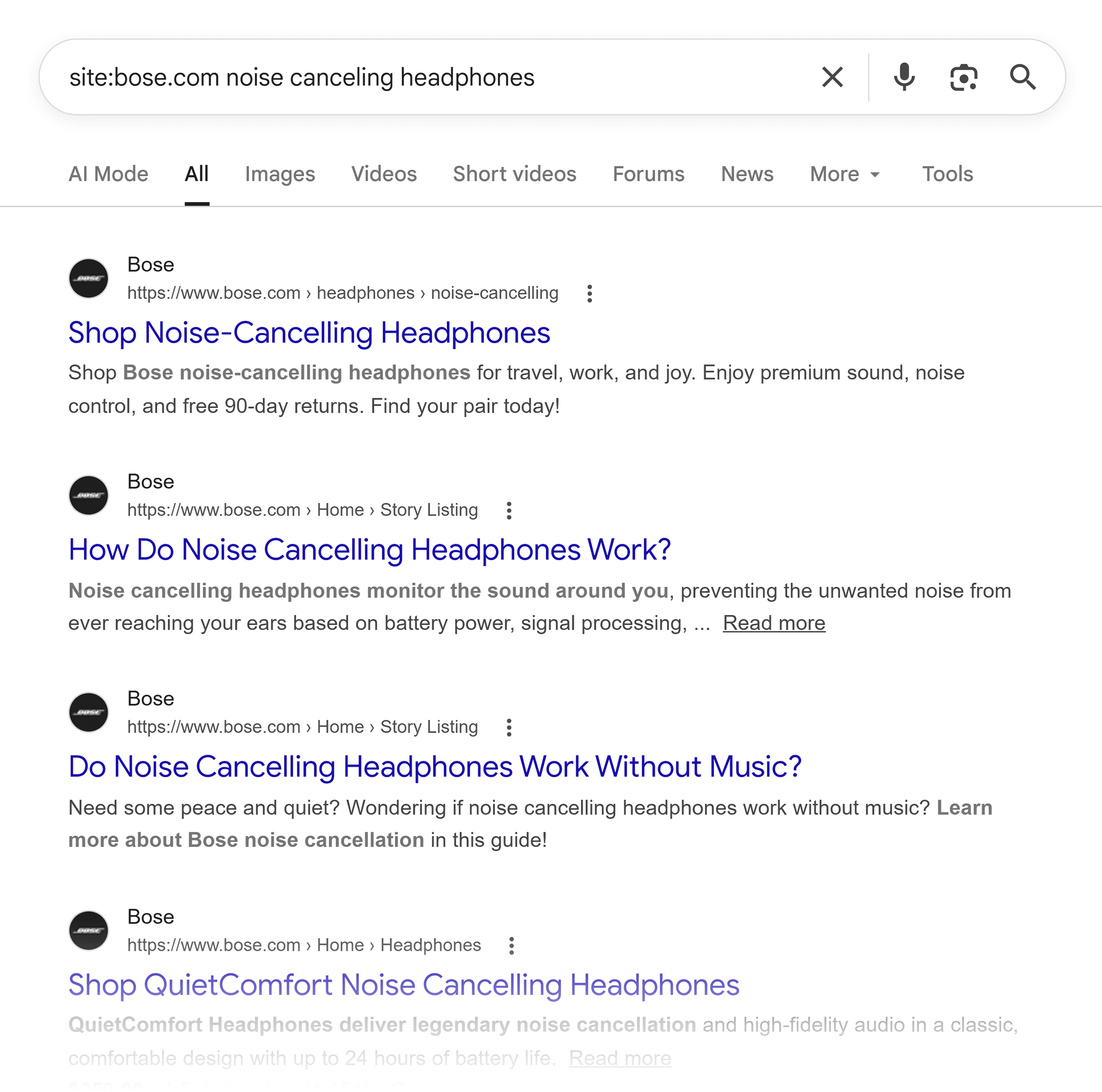
Step 4: Audit for Content Gaps
Run a site:yourdomain.com [sub-query] search. If you find no coverage, create new content. If the coverage is weak, add a dedicated, self-contained section to an existing page.
Step 5: Structure for Extraction
AI cannot "read" a page as humans do; it parses structure.
- Use H2/H3 subheadings that mirror the sub-queries you found in Step 2.
- Front-load your answers. Don’t bury the lead in a 500-word intro.
- Use structured data. Tables, lists, and clear definitions are easily "scraped" and synthesized by LLMs.
Step 6: Measure and Iterate
Use an "AI Perception" tracker to monitor how your brand is being described. Are you the "reliable" choice? Are competitors mentioned more often? Use this feedback loop to refine your content—if a competitor is winning, look at their source passages and identify why the AI finds their structure more useful than yours.
Official Response: The Future of SEO
The search landscape is not disappearing; it is evolving into a "Discovery" model. Brands that win in the future will be those that provide the most granular, well-structured, and accurate data to the AI engines powering the modern internet. By mastering query fan-out, you ensure that when an AI gathers the information to answer a user’s question, your brand isn’t just an option—it is the source.


 Ammar Sabilarrohman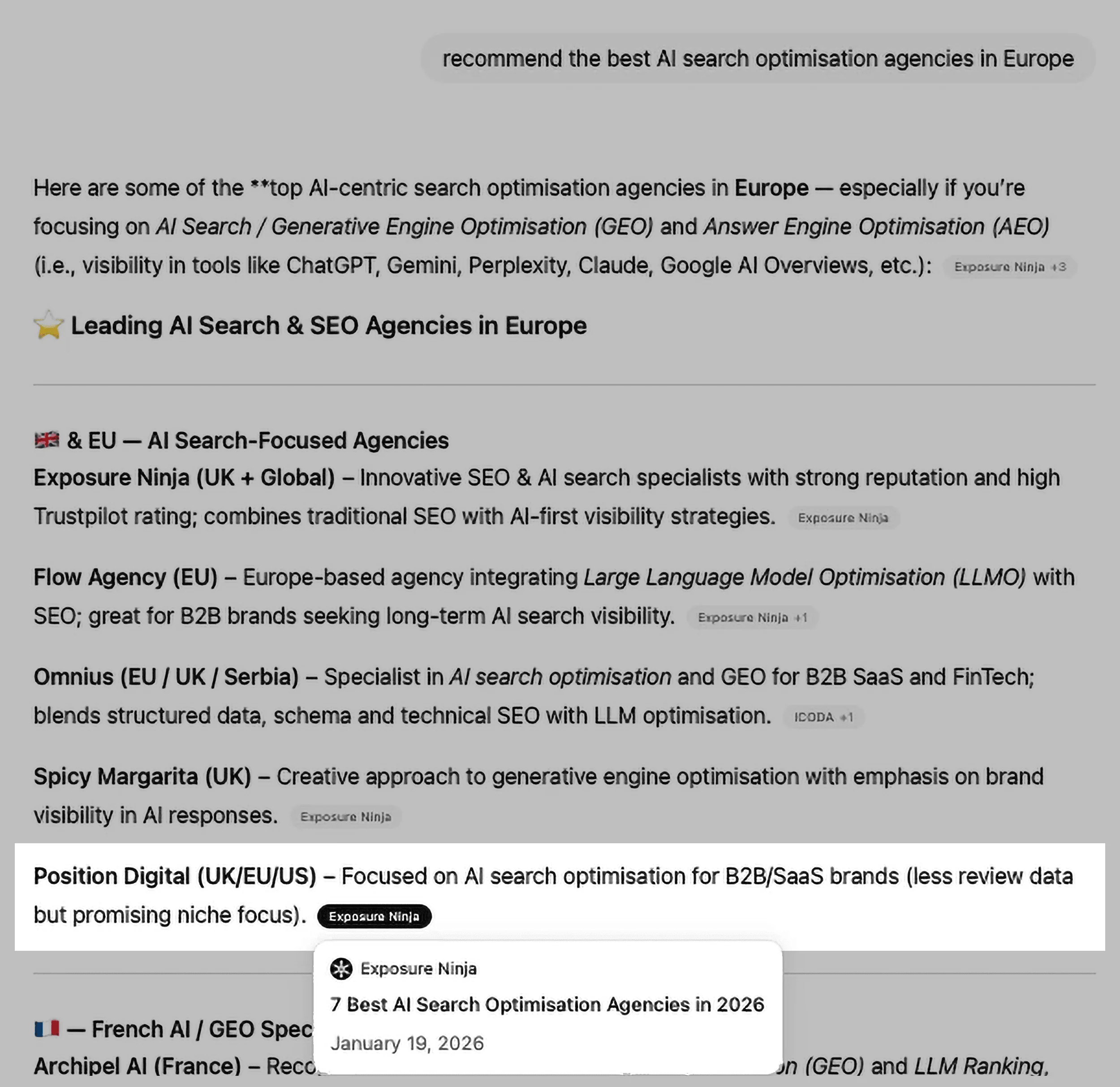

 Raul Delapena Setiawan
 Reynand Wu


 Azzam Bilal Chamdy
 Ali Ikhwan