
 Lina Hope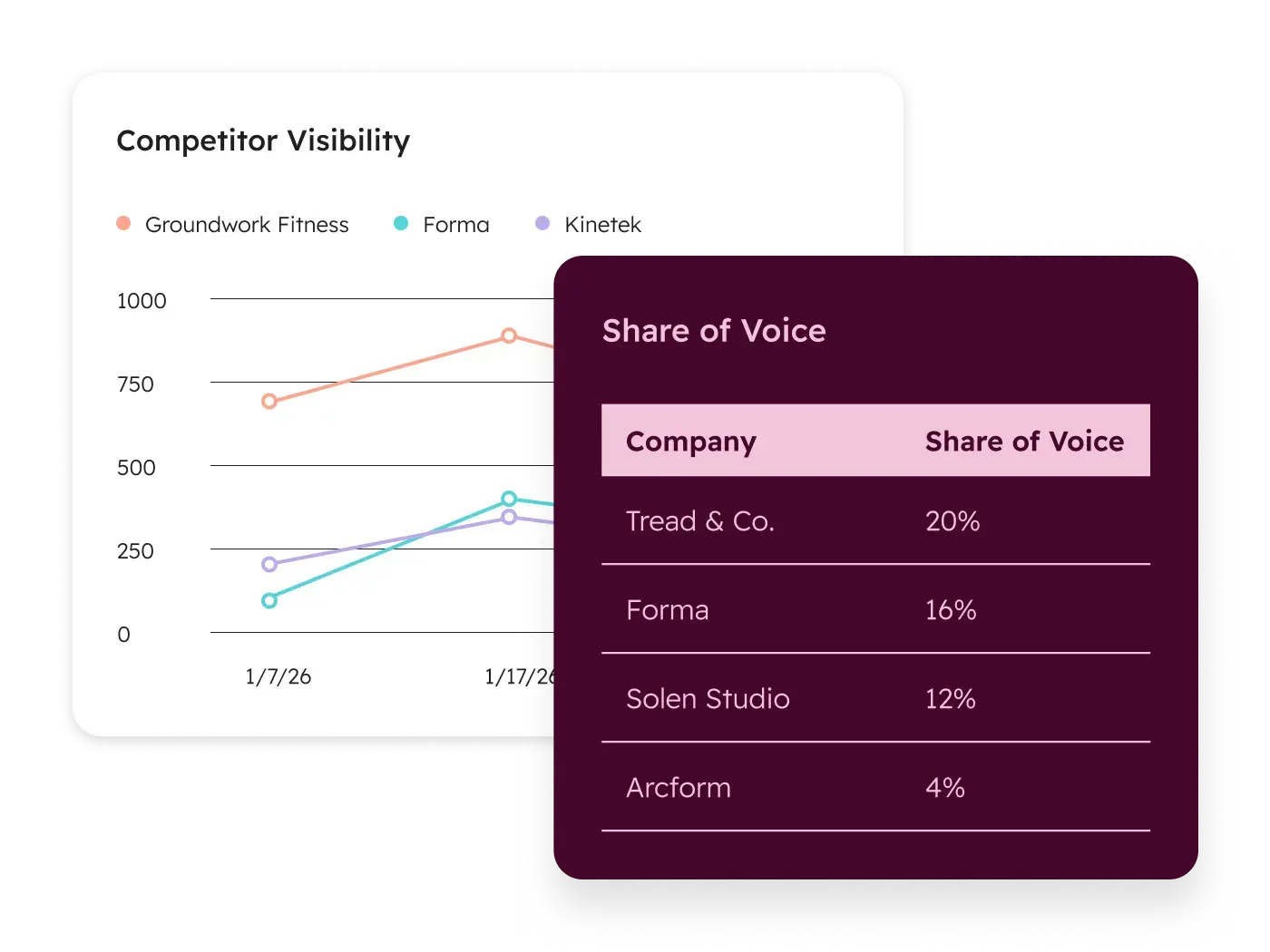
The traditional marketing funnel—once a neatly mapped path of search queries, landing page clicks, and form submissions—is undergoing a profound architectural shift. In the era of Generative AI, the "first touch" is no longer a search engine result page (SERP) link, but an AI-generated summary provided by tools like ChatGPT, Perplexity, or Gemini. This seismic change in buyer behavior has created an "accountability gap" that threatens to blindside marketing operations teams and render conventional ROI reporting obsolete.
As prospects increasingly turn to AI agents to conduct competitive research, compare vendors, and vet solutions before ever engaging with a brand’s website, a critical portion of the buyer journey is unfolding in a digital "black box." To remain effective, marketing operations (MOps) professionals must pivot from traditional SEO to Answer Engine Optimization (AEO), integrating these AI-driven touchpoints into the CRM and evolving their attribution models to account for the new reality of AI-assisted discovery.
The Evolution of Discovery: How AI Changed the Rules
For two decades, the buyer journey was defined by "search intent." A user would type a query into Google, click a blue link, and enter a trackable funnel. Today, the discovery phase is mediated. Buyers now ask AI agents, "What are the top three project management tools for small enterprises?" The AI synthesizes the answer, citing specific brands and providing context.
This interaction is the new "top of the funnel." However, because these conversations occur within proprietary AI interfaces, they fall outside the standard tracking pixels and cookie-based infrastructure that marketers have relied on for years. This creates a fundamental disconnect: marketers are seeing the final conversion—the lead form or the direct visit—but they are missing the AI-driven recommendation that triggered the prospect to look for them in the first place.

Chronology of the Shift: From Search to Synthesis
The transition from search-centric to AI-assisted discovery did not happen overnight, but its trajectory has been exponential:
- The Pre-AI Era (2000–2022): Marketing success was tethered to keyword rankings and organic click-through rates. Attribution models like "First Touch" and "Last Touch" were sufficient because the entire journey was traceable via web logs.
- The Generative AI Inflection Point (2023): With the rapid adoption of Large Language Models (LLMs), users began replacing search engines with answer engines. This fundamentally altered the search experience from "finding a website" to "obtaining an answer."
- The Accountability Gap (2024–Present): Marketing teams began noticing a decline in direct traffic attribution or an increase in "dark funnel" activity. As AI becomes the primary research tool, companies that fail to monitor their "Answer Engine Presence" are finding themselves excluded from the shortlist before the buyer ever hits their website.
Bridging the Gap: Data Integration and CRM Alignment
The primary challenge for modern marketing operations is infrastructure. If AEO signals—such as citations in an AI response or brand mentions in a chatbot summary—are not piped into the Customer Relationship Management (CRM) system, they remain vanity metrics.
Integrating AEO Performance Data
To fix the attribution blind spot, companies must treat AI visibility as a primary marketing channel. This requires connecting AEO platforms, such as HubSpot’s AEO tool, directly to the CRM. By mapping brand visibility scores, share of voice in answer engines, and citation frequency to individual contact and deal records, teams can finally see the "AI influence" on their pipeline.
Internal data from industry leaders suggests that integrating these visibility signals can lead to a 78% increase in contact creation. This is because when marketers understand which AI recommendations are driving interest, they can optimize their content strategy to show up more frequently in those specific AI-generated responses.

The Limitations of Conventional Attribution Models
Traditional attribution logic is fundamentally broken in an AI-assisted world. First-touch and last-touch models rely on the assumption that the buyer’s path is a linear progression of clicks. In reality, the AI-driven path is cyclical and often invisible.
Why Click-Based Models Fail
If a buyer asks an AI for a recommendation and then searches for the brand by name three days later, a standard click-based model attributes the success to "Direct/Organic Search." The AI-driven awareness—the true driver of demand—is ignored. Consequently, when marketing operations teams evaluate the ROI of various channels, they may mistakenly defund the very initiatives that drive AI visibility, perceiving them as "low performance" because they don’t produce direct click-throughs.
Automating the Insights Loop
Manual reporting is the enemy of AEO effectiveness. Answer engines update their knowledge bases continuously; a brand that ranks #1 in an AI summary on Tuesday might be replaced by a competitor on Wednesday due to a new whitepaper, a shift in sentiment, or a competitor’s update.
The Necessity of Real-Time Monitoring
Marketing operations teams need to move away from quarterly reporting snapshots toward automated, real-time dashboards. Automation is the only way to manage the volatility of AI answers. By utilizing tools that automatically refresh brand visibility, citation counts, and share-of-voice metrics, MOps leaders can:

- Detect anomalies: Identify sudden drops in AI presence before they impact lead volume.
- Optimize content: Pivot messaging quickly based on what AI engines are currently favoring.
- Validate investment: Provide leadership with a clear, data-backed view of how AI visibility directly contributes to the bottom-line revenue.
Implications for the Modern Marketing Stack
The implications of this shift are profound for the organizational structure of marketing departments. Marketing operations is no longer just about maintaining data hygiene; it is becoming the central nervous system of demand generation.
The Strategic Shift
As AI becomes a more common starting point for professional research, the "Answer Engine" will likely become as important as the company website. The most successful firms will be those that view their AI presence as a high-intent channel. This necessitates a move toward:
- Unified Data Models: Where CRM data is enriched with external AI-visibility signals.
- New KPIs: Moving beyond "clicks" and "sessions" to include "Citation Frequency" and "AI Share of Voice."
- Agile Content Operations: Creating content specifically designed to be easily ingested and cited by LLMs.
Conclusion: Preparing for the Future of Discovery
The era of "Search Engine Optimization" is evolving into "Answer Engine Optimization." While the core goal of marketing—connecting with the right buyer at the right time—remains unchanged, the mechanics of that connection have fundamentally altered.
Marketing operations teams that successfully integrate AEO into their CRM and attribution workflows will gain a significant competitive advantage. They will be the only ones with a clear, data-driven picture of the buyer journey, enabling them to capitalize on the AI revolution rather than being marginalized by it. The infrastructure to measure this influence is already here; the challenge for the next year will be the full-scale implementation of these tools to ensure that no lead, and no AI-driven touchpoint, goes uncounted. As we move forward, the companies that prioritize transparency in the AI-assisted funnel will be the ones that win the trust of the modern, AI-empowered buyer.


 Evan Lee Salim
 Jia Lissa
 Basiran
 Neng Nana
 Iffa Jayyana
 Raul Delapena Setiawan
 Rifan Muazin
 Asro
Asro