
 Nana Muazin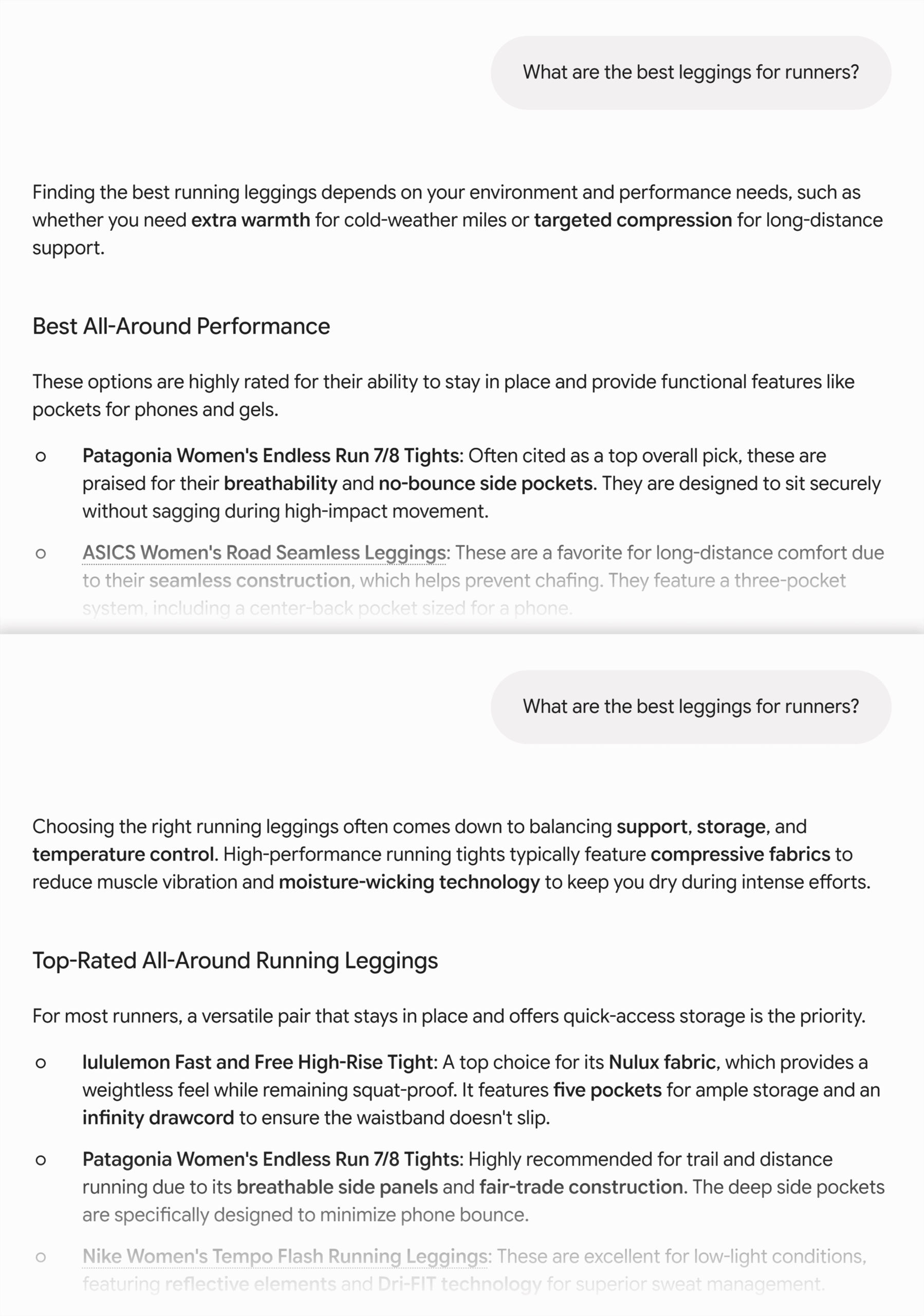
Your brand could be dominating the #1 spot on Google, commanding thousands of organic visitors every day, and still be effectively invisible to the modern consumer.

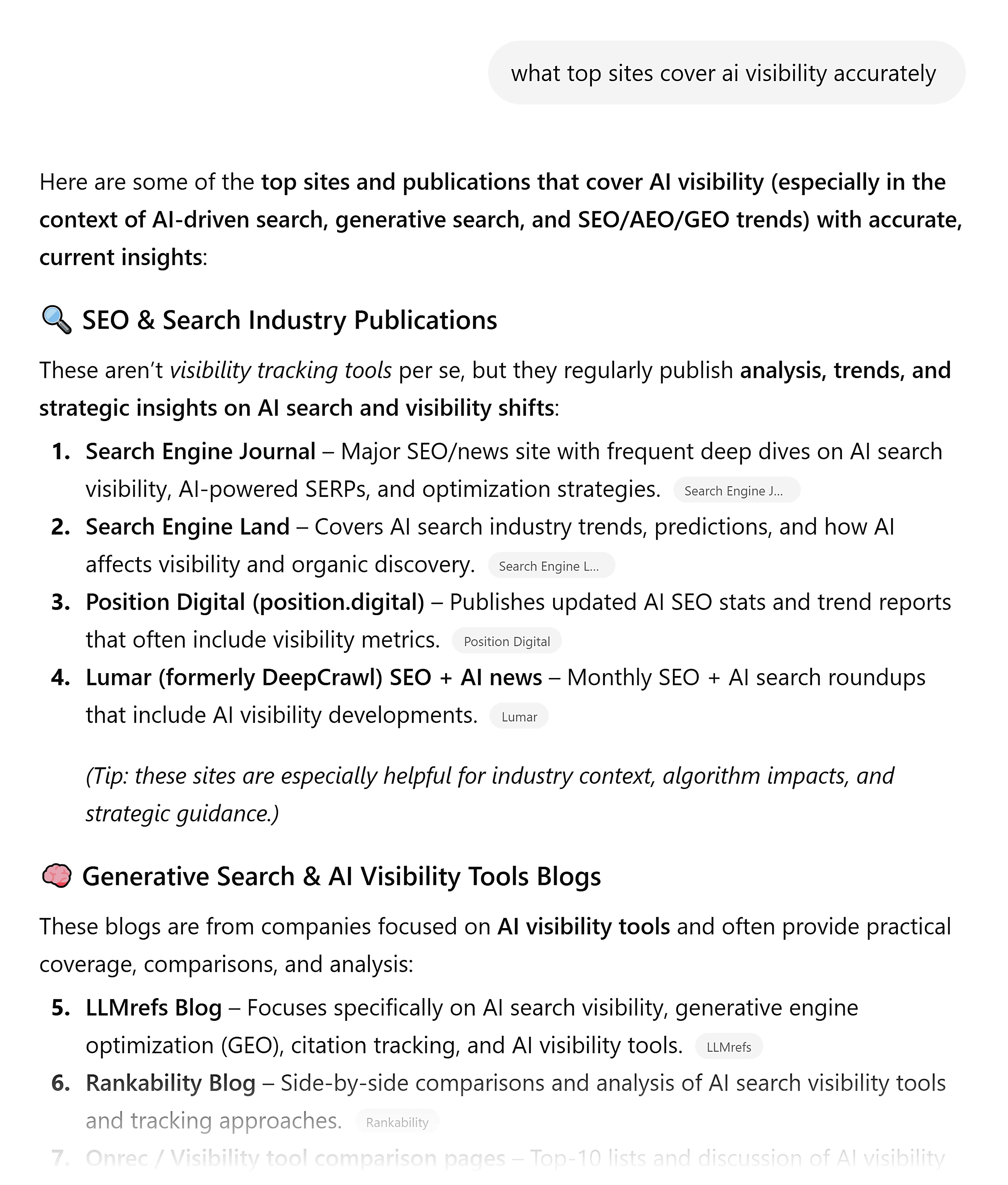
As artificial intelligence transforms how we access information, the traditional "ten blue links" model of search engine optimization (SEO) is being eclipsed. Today, a significant and growing portion of your customers are bypassing your website entirely, relying instead on large language models (LLMs) like ChatGPT, Claude, and Google’s Gemini to research categories, compare products, and finalize purchasing decisions.
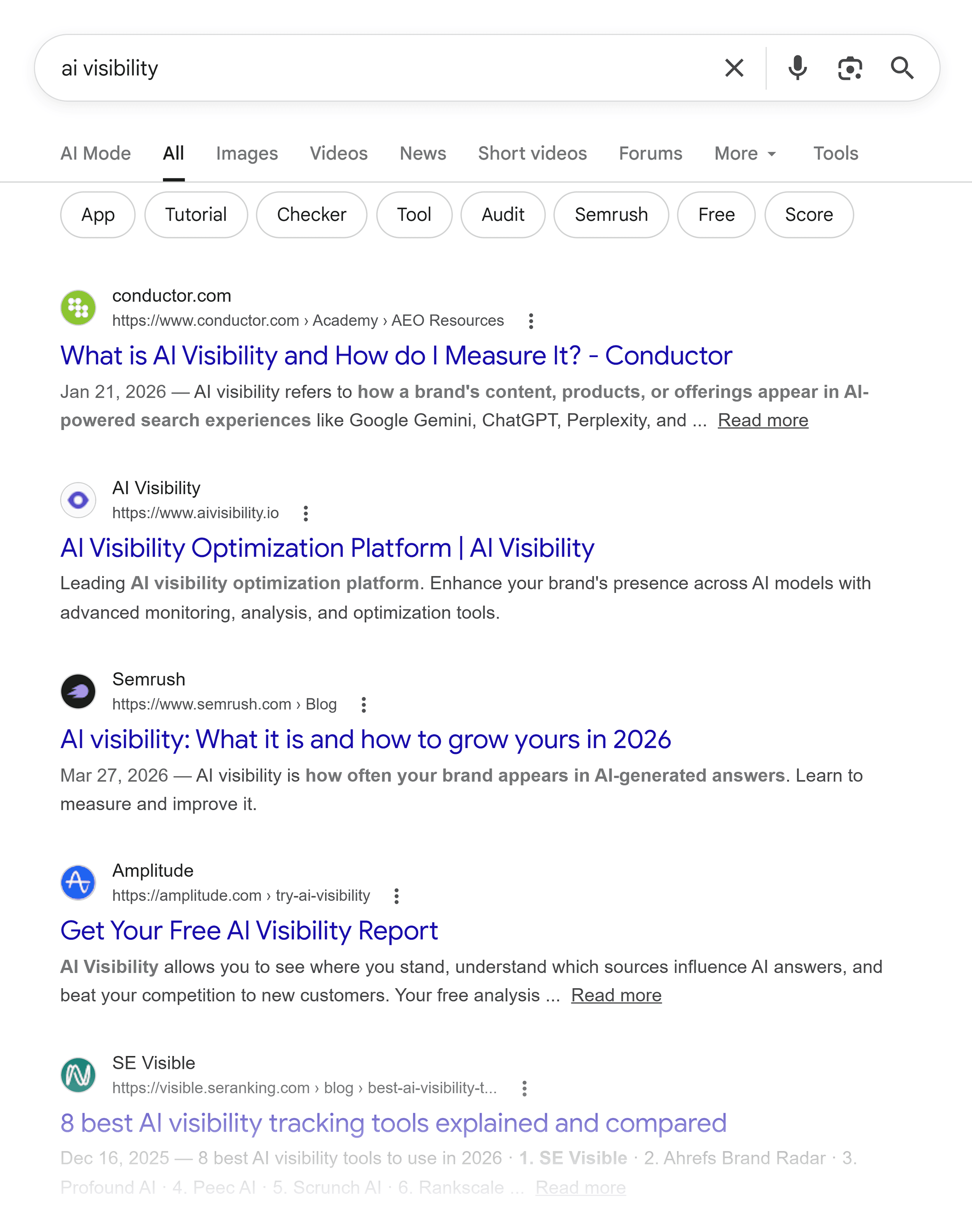
If your brand isn’t showing up in those AI-generated responses—or worse, if you’re appearing with outdated, inaccurate, or misrepresented information—you are losing revenue in the shadows. This is why "prompt tracking" has emerged as the most critical new discipline for digital marketers.
The Shift from Rank Tracking to AI Visibility
Traditional SEO is binary: you are either ranking for a keyword, or you aren’t. You ask, "How close are we to position 1?" and the answer is a static, measurable point on a page.
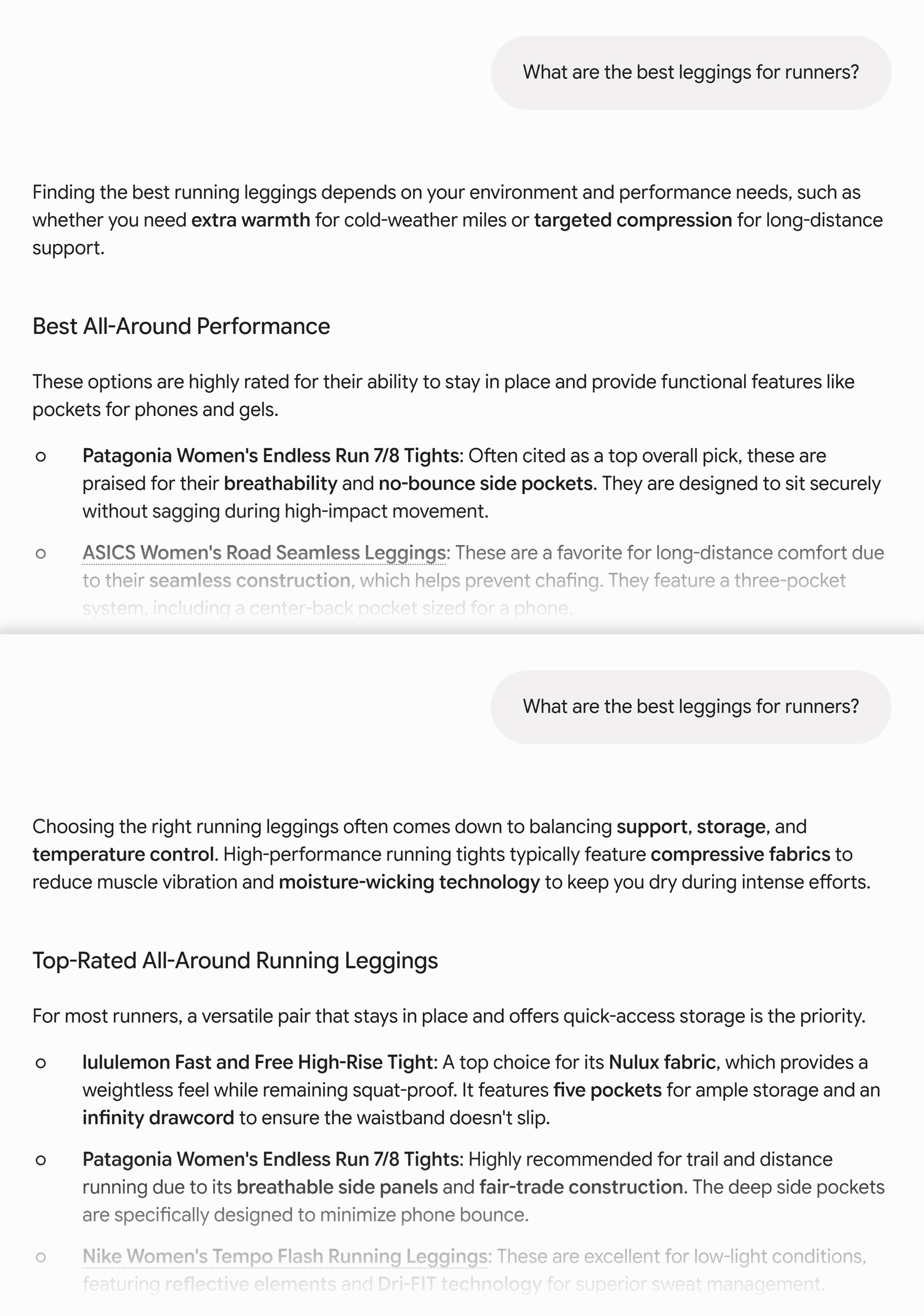
AI is different. LLMs do not return a static list of URLs. Instead, they synthesize vast amounts of data to generate a unique, conversational response tailored to the user’s specific context. You can ask the same question twice and receive two different answers. In this environment, it matters less whether your brand is mentioned "first" and more that it is consistently represented with accurate, positive, and relevant information across thousands of potential variations of a user’s prompt.
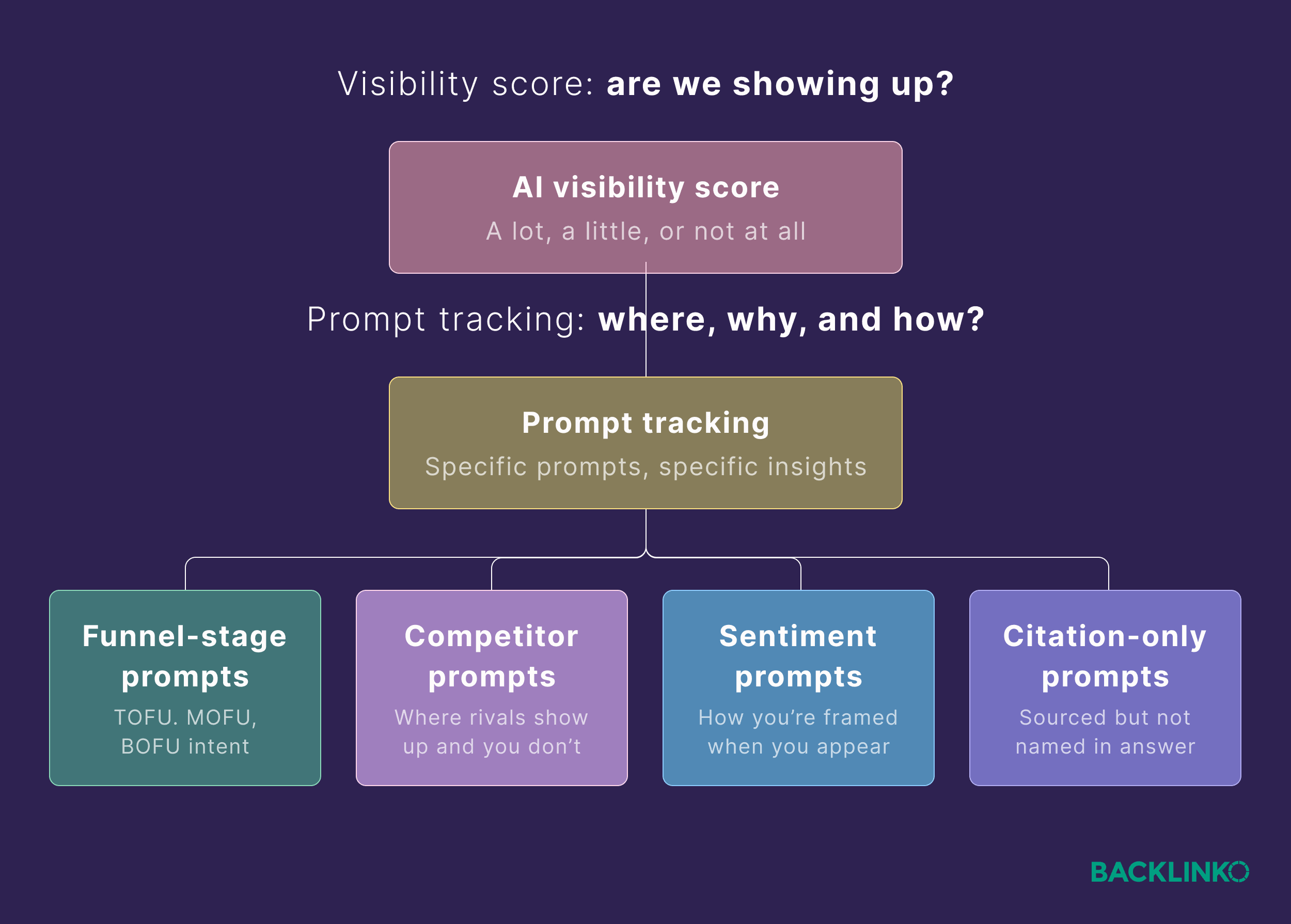
Without a system to monitor these conversations, you are effectively flying blind. Prompt tracking—or LLM visibility tracking—is the practice of monitoring how your brand appears in AI answers over time, focusing on mentions, citations, and the sentiment of those appearances.
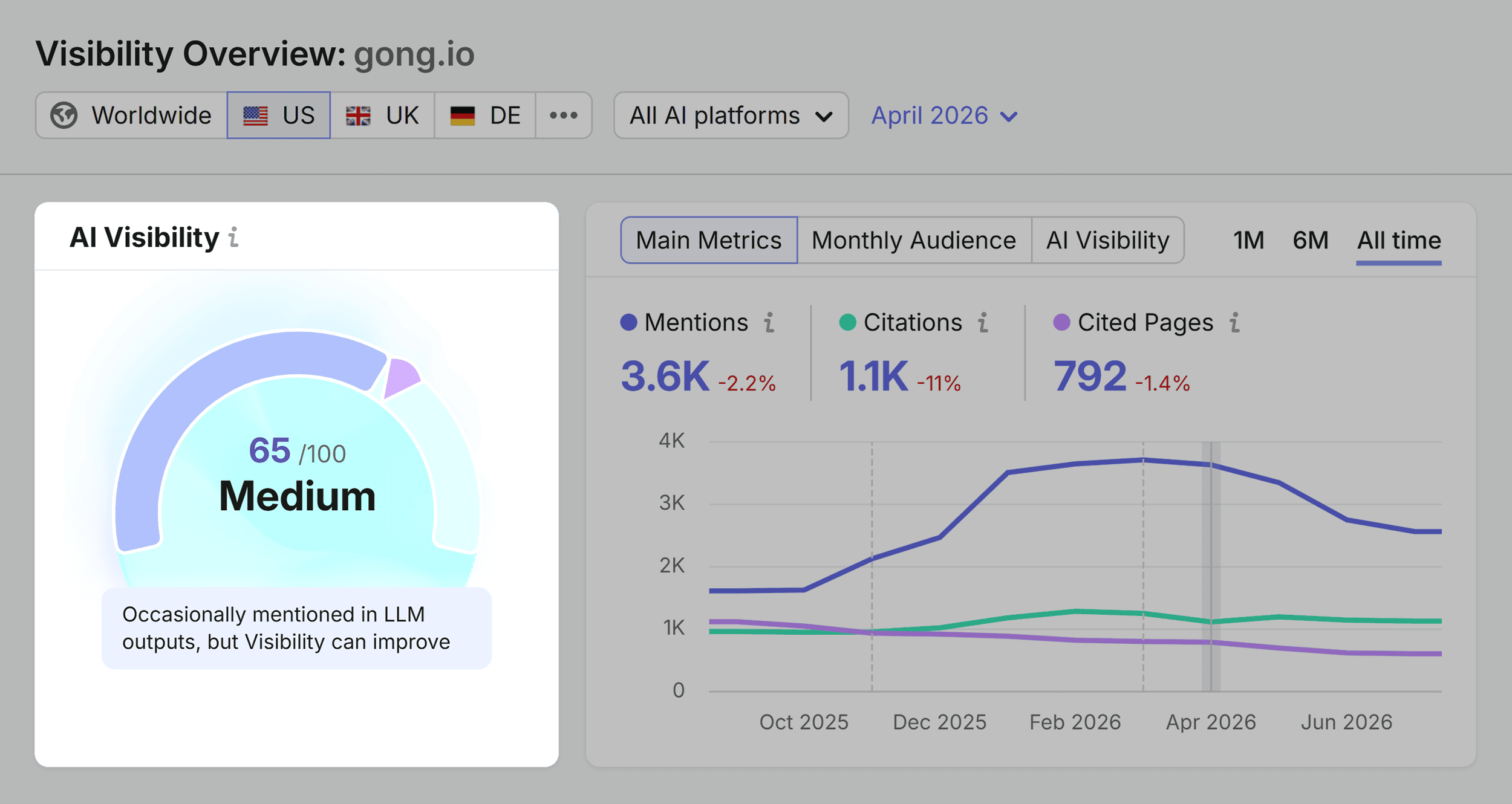
Supporting Data: Why the Stakes are Rising
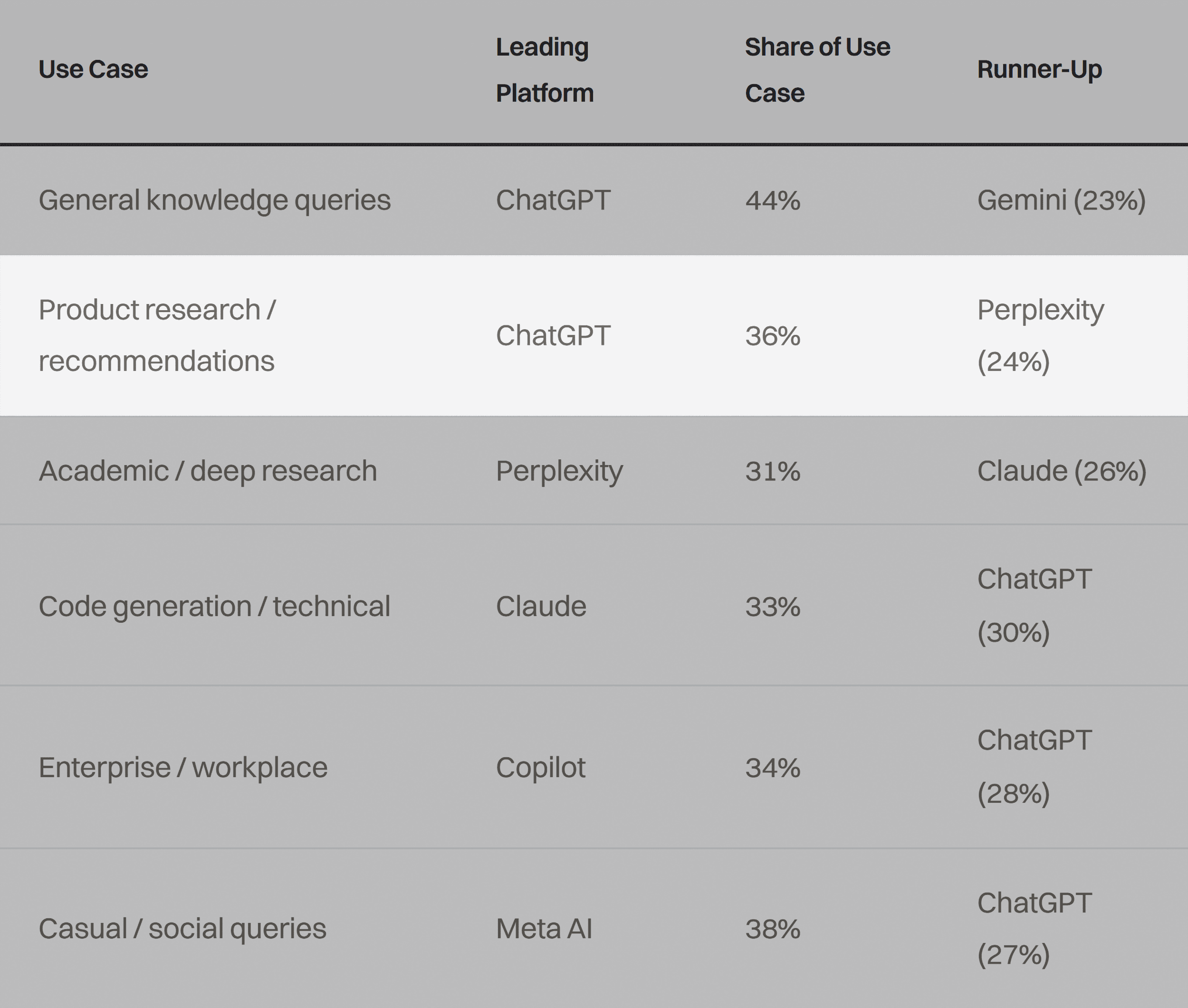
The move toward AI-first research is no longer a fringe trend; it is a fundamental change in buyer behavior. According to the AI-Search Adoption Survey from Orbit Media, 55% of US internet users now rely on AI as their primary or frequent research tool. Even more telling for B2B brands, 32% of users are now leveraging these tools specifically for product recommendations.
Furthermore, G2’s 2026 AI Search Insight Report highlights that 71% of B2B software buyers now rely on AI chatbots for product research, a sharp increase from 60% in 2025.
The Translation: A massive share of your potential buyers is making their decision before they ever visit your homepage. If you aren’t part of the conversation happening inside the LLM, you are not part of their buying journey.
Building Your Prompt Set: The Strategic Approach
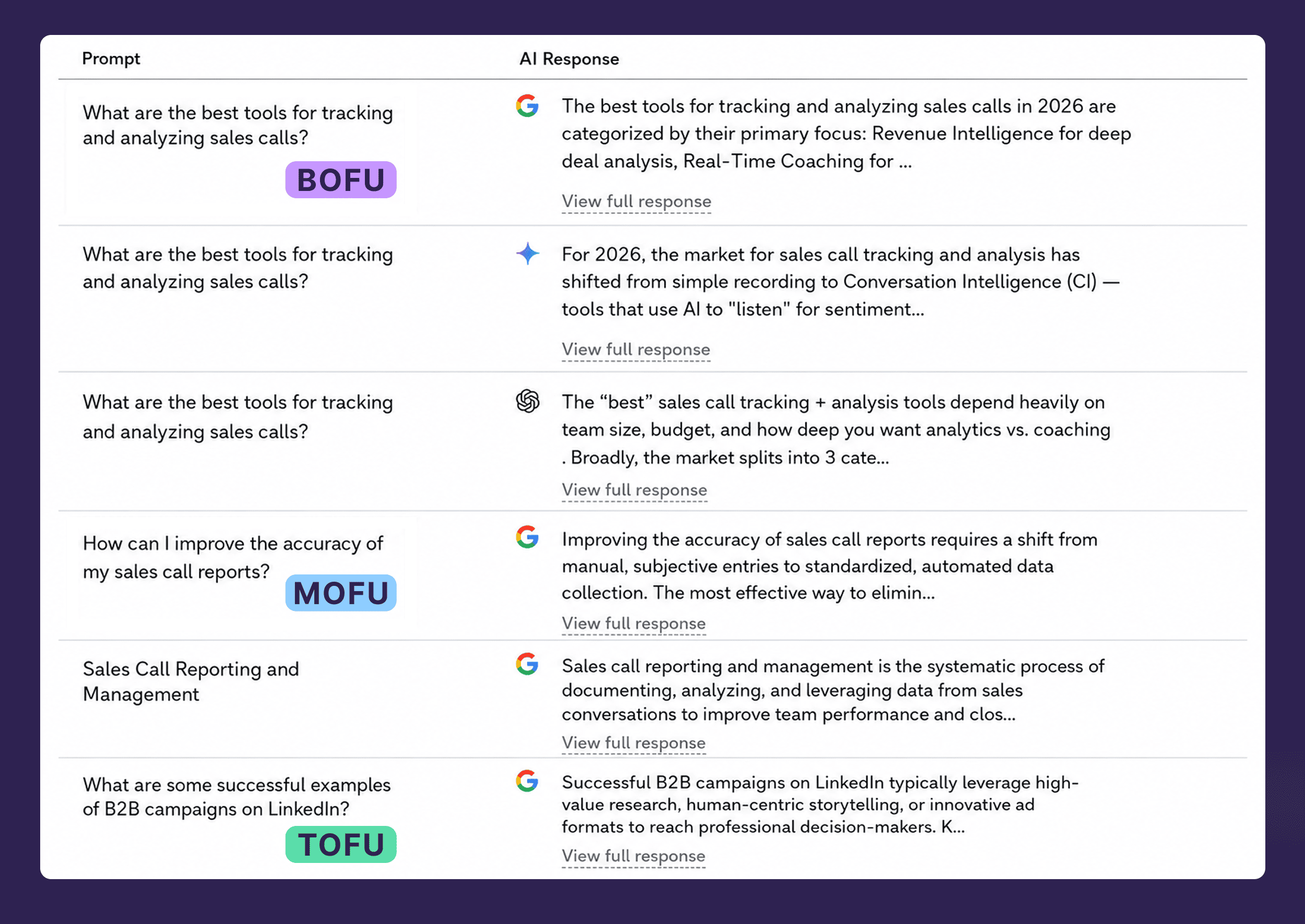
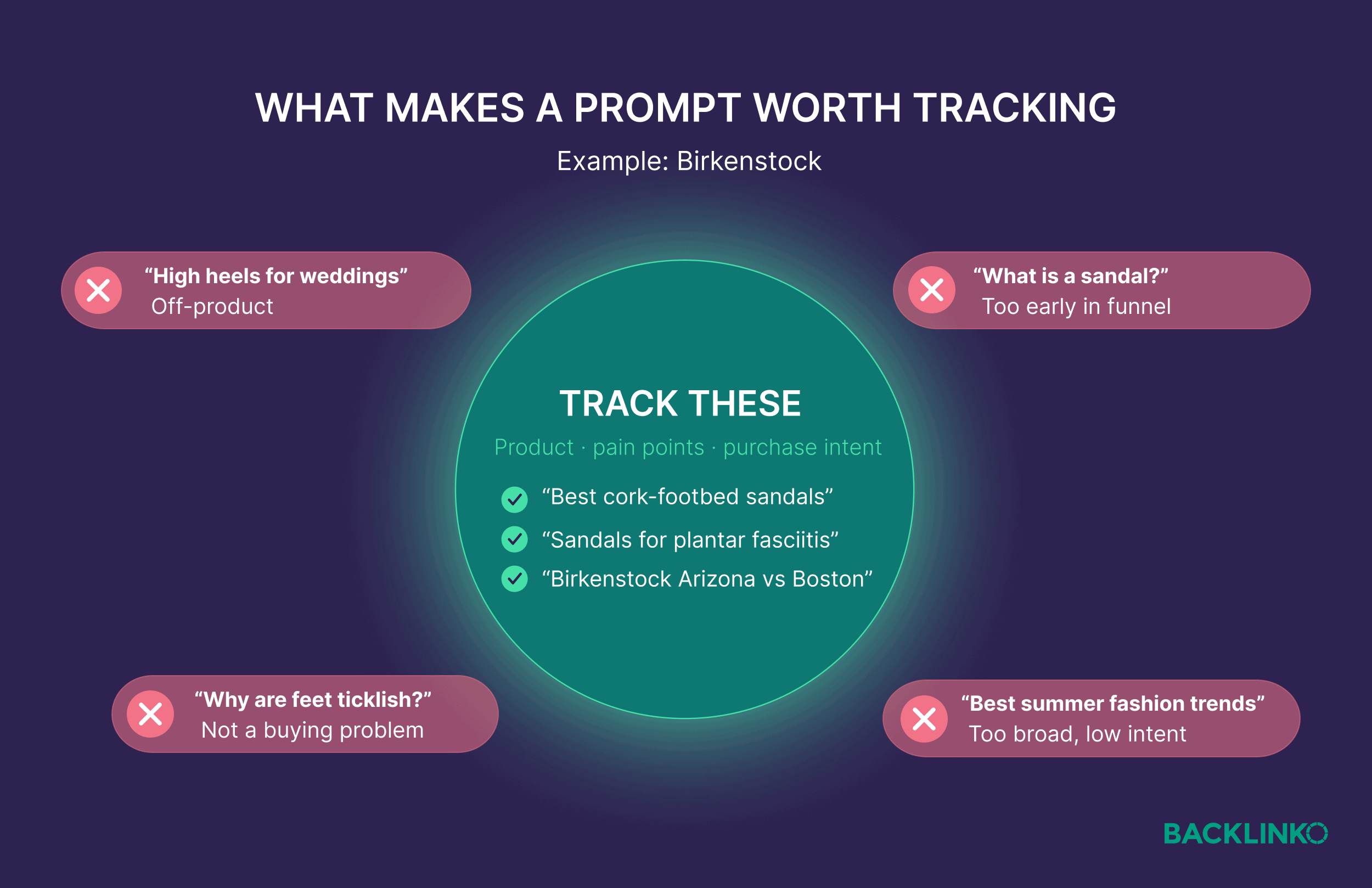
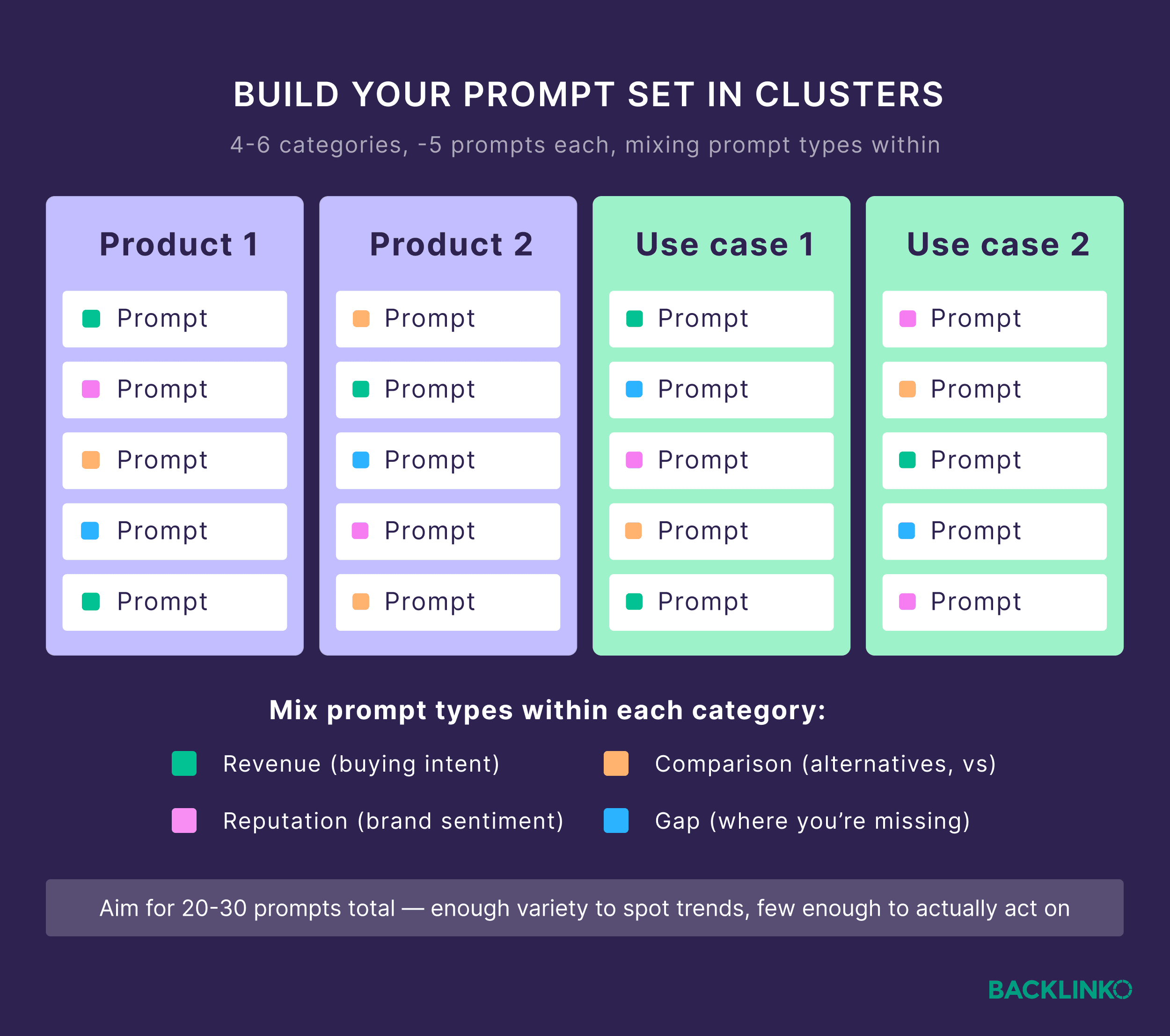
Don’t make the mistake of trying to track every possible question a customer might ask. Instead, build a "Prompt Set" that maps directly to your product offering, audience pain points, and high-intent buying moments.
The Four Pillars of High-Value Prompts
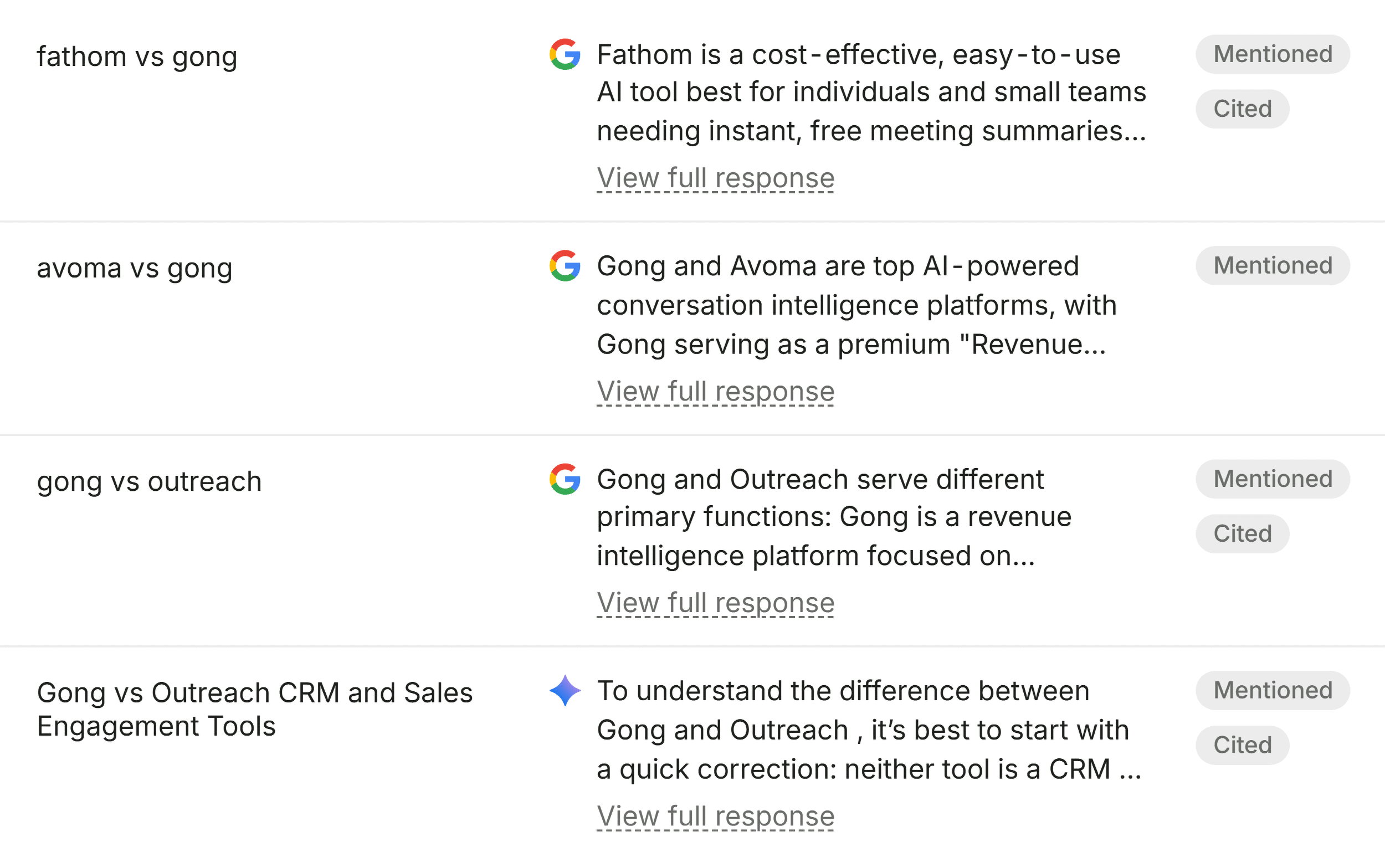
- Comparison Prompts: "How does [Your Brand] compare to [Competitor]?"
- Evaluation Prompts: "What are the best [Category] tools for [Specific Use Case]?"
- Reputation Prompts: "Is [Your Brand] worth the price?" or "What are the pros and cons of [Your Brand]?"
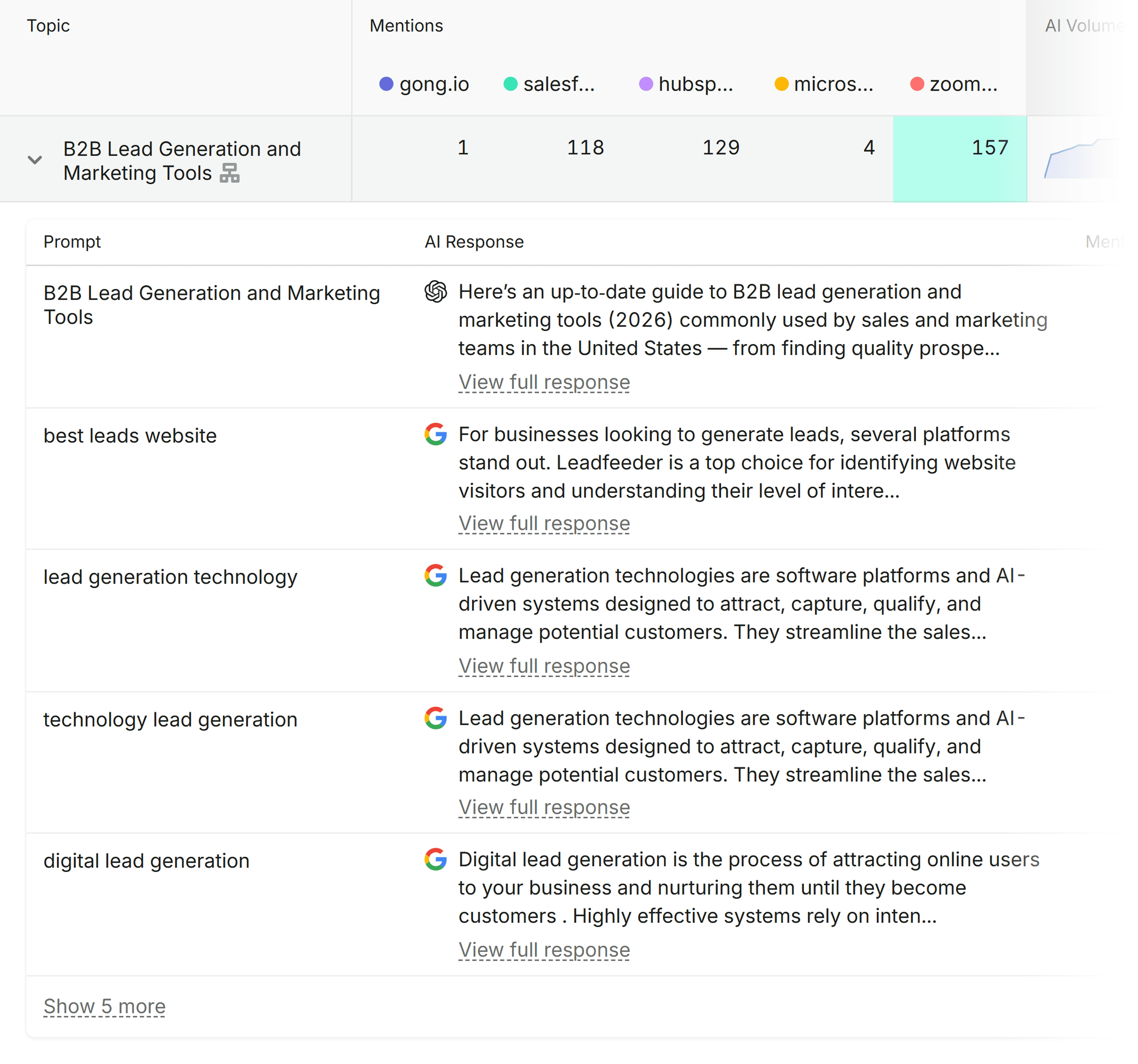
- Competitive Landscape Prompts: These help you understand which topics your competitors are "owning" while you are absent.
The Constraint Map Methodology
Jonny Nastor, founder of Digital Commerce Partners, utilizes a "Constraint Map" to identify prompts. He theorizes that buyers search by a "job to be done" (e.g., "best video doorbell") combined with a "constraint" (e.g., "no monthly fees"). By mapping these intersections, you create a robust set of prompts that capture the exact nuances of your customers’ decision-making processes.
How to Track: A Step-by-Step System
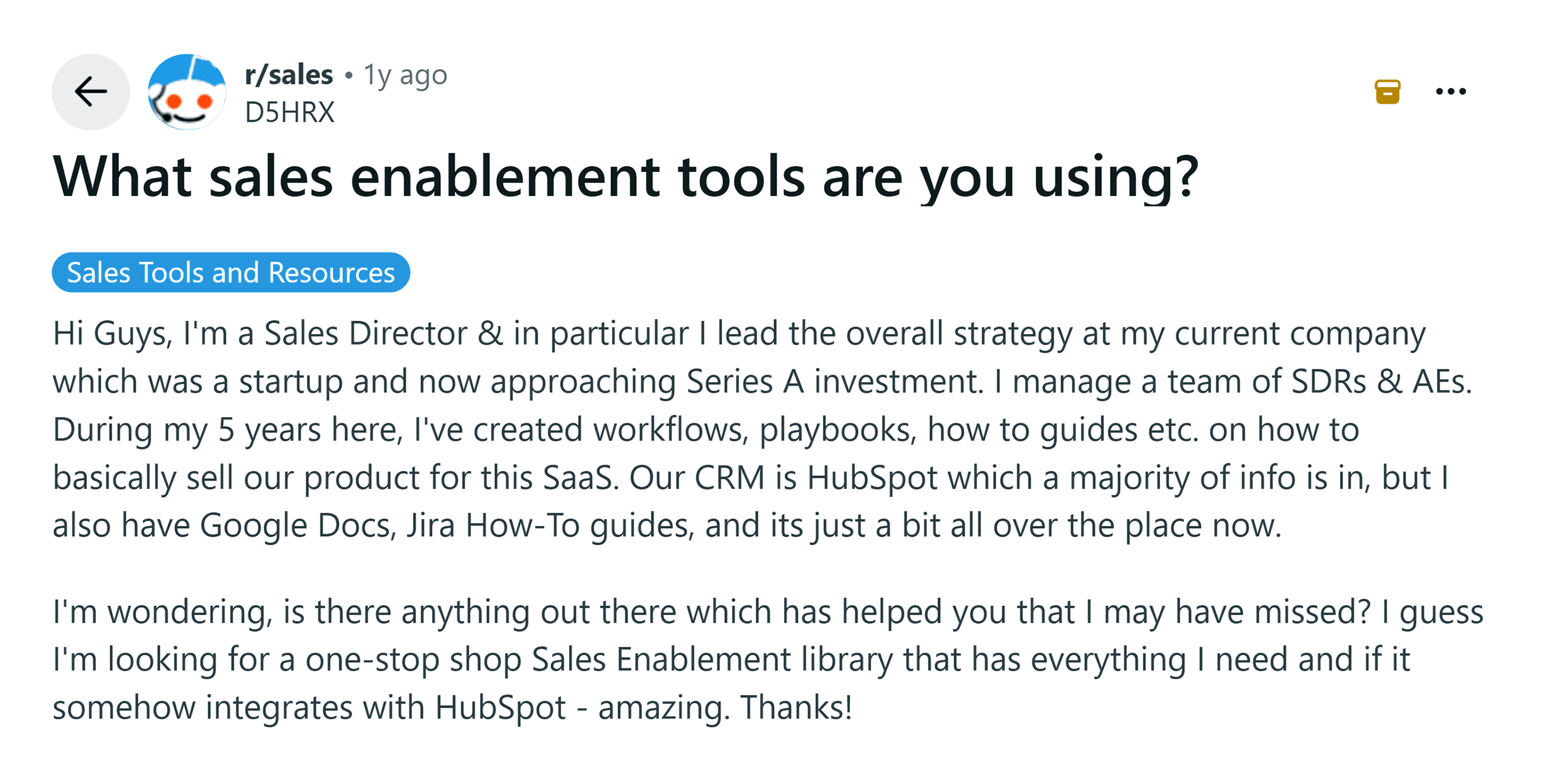
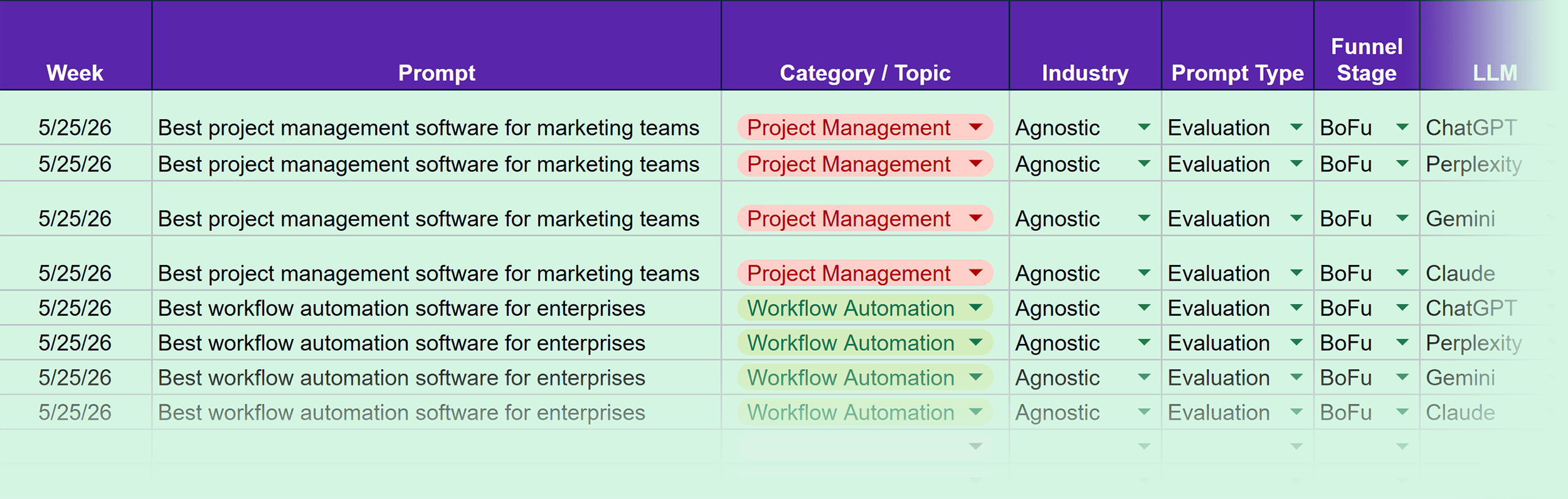
You don’t need expensive enterprise software to begin. You can start with a simple spreadsheet and 30 minutes of manual work each week.
Step 1: Establish the Baseline
Create a spreadsheet to log your prompts. Include columns for:
- The Prompt
- The LLM Used (ChatGPT, Gemini, Perplexity)
- Mention/Citation Status
- Competitor Mentions
- Sentiment (Positive/Neutral/Negative)
Step 2: Diversify Your LLMs
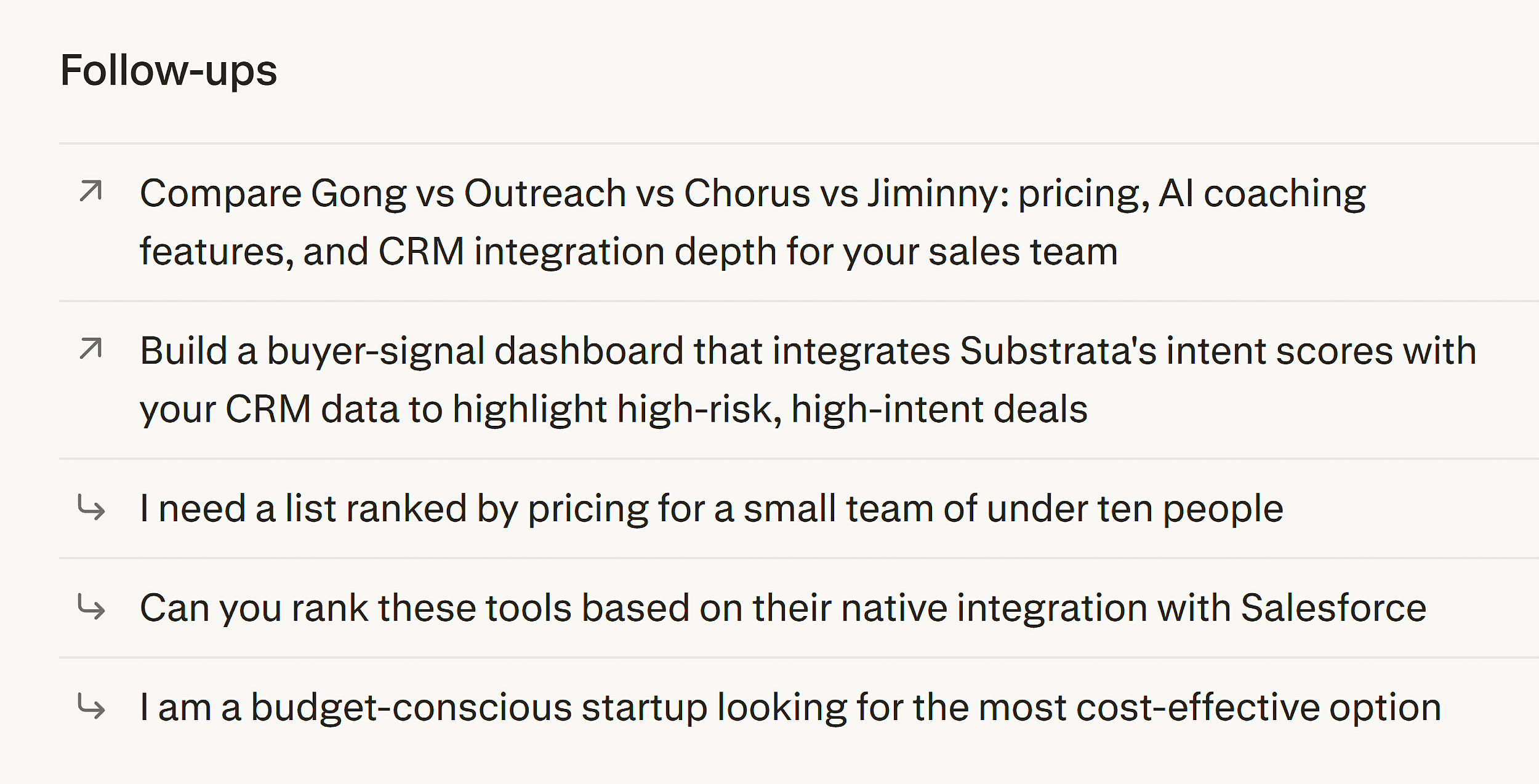
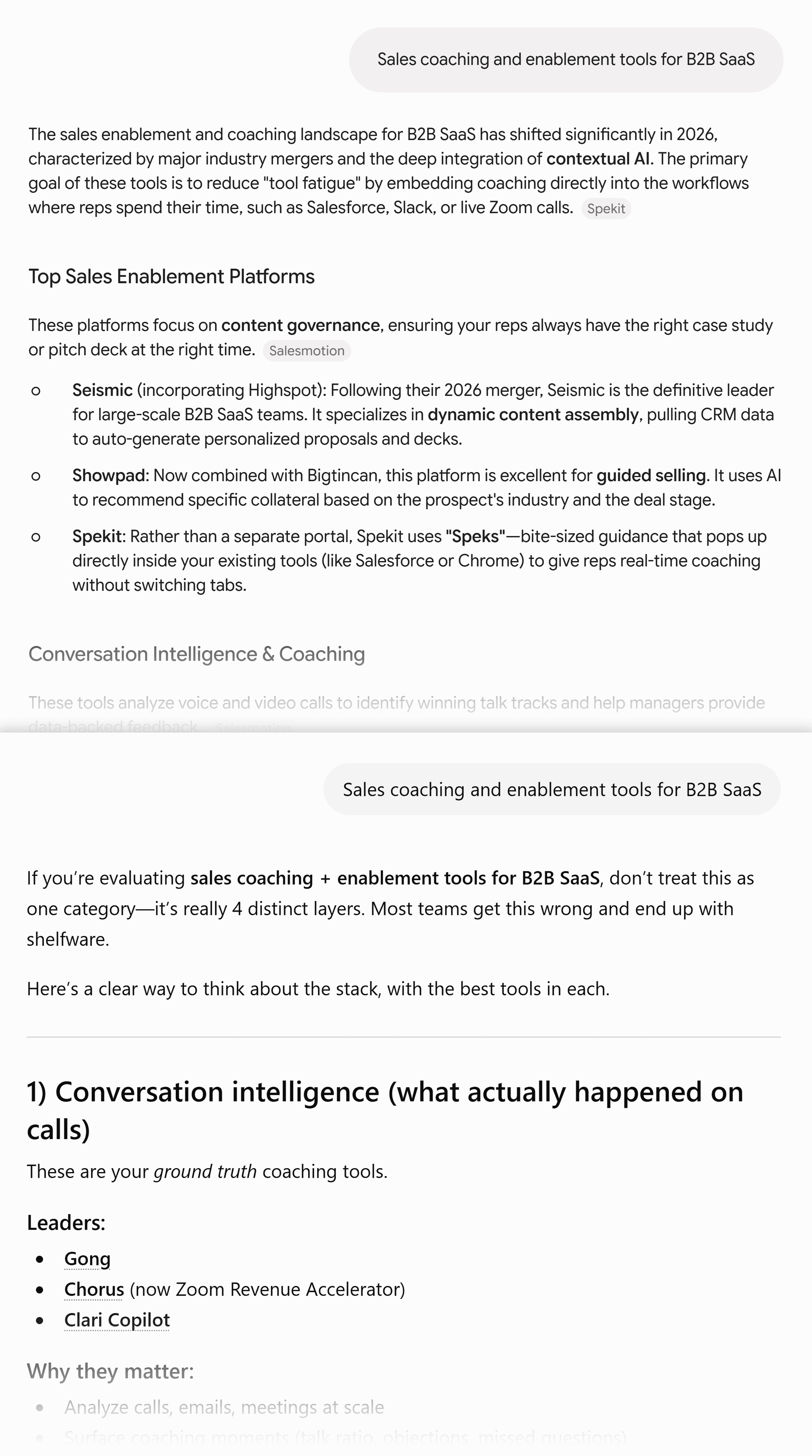
Answers vary wildly between models. A brand might be the top recommendation in Perplexity but completely absent in Gemini. Track across the major players your audience uses to get a holistic view.
Step 3: Track Competitors
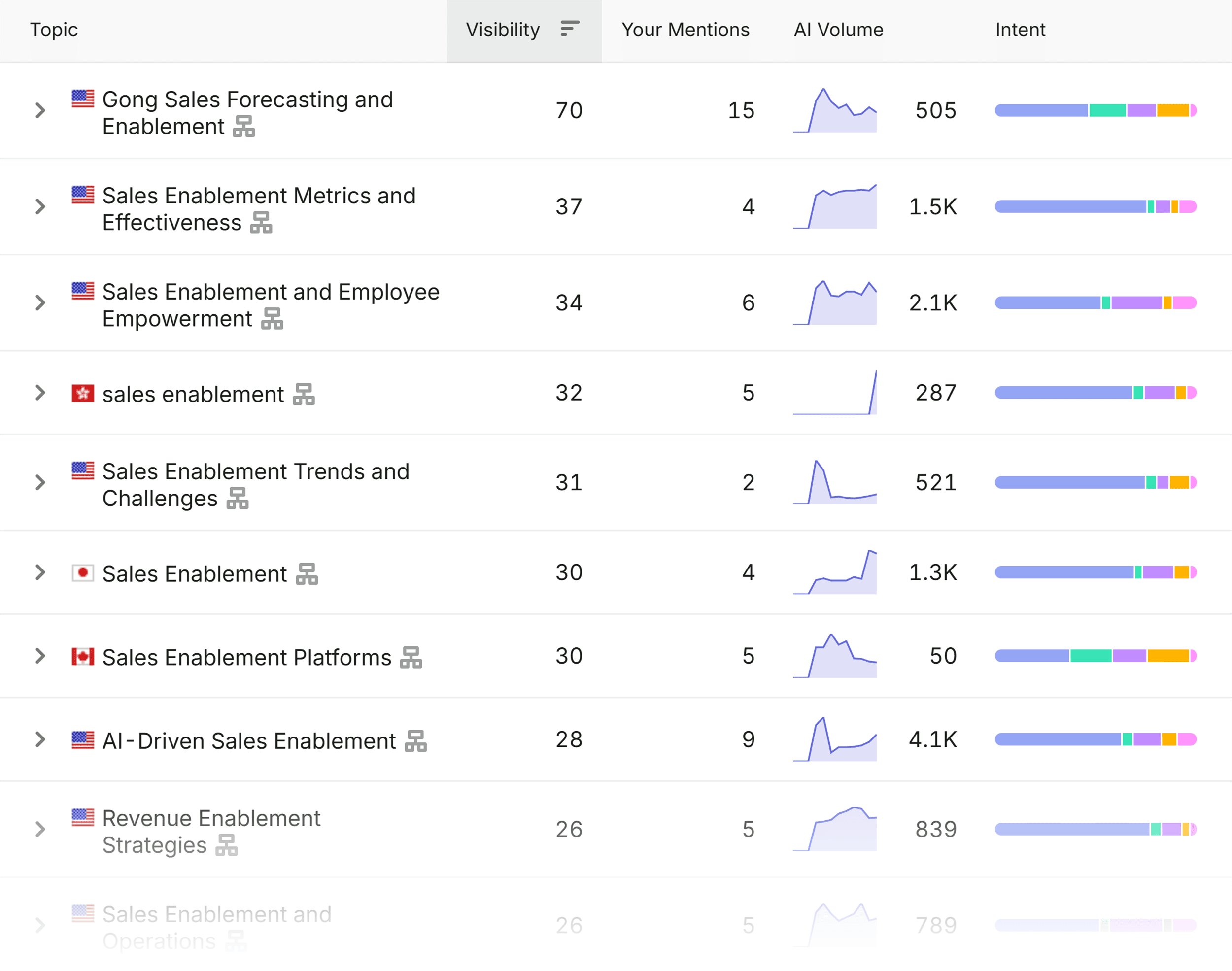
Competitor data is half the value. If a competitor consistently shows up for your key "Evaluation" prompts, you have a signal that they have successfully influenced the AI’s "training" or "source weighting" in that area. Investigate their strategy: Have they published new comparison pages? Are they being cited by high-authority industry blogs?
Step 4: The Weekly/Monthly Rhythm
Monitor weekly, but act monthly. A single week of low visibility is often a fluke or the result of a silent model update. Four consecutive weeks of low visibility, however, is a trend that demands a response.
Implications: When to Act and When to Wait
Prompt tracking is not for everyone. If you are a local business that relies entirely on word-of-mouth or a Google Business Profile, building a content engine to satisfy LLMs may be an unnecessary expense.
However, if you are a B2B SaaS company or a specialized e-commerce brand, the return on investment for prompt tracking can be transformative.
What to do when you spot a trend:
- If you see a drop: Identify the top third-party sources the LLM is citing instead of you. Audit your presence on those sites. Are your reviews outdated? Is your product description missing key features that the AI is prioritizing?
- If you see a "Ghost Ranking": This is when the AI cites your content but recommends a competitor. This usually means your content is relevant, but your "authority" or "conversion signal" is lower than the competition. Pitch your brand to the sites that the AI is citing as "authoritative" to regain your footing.
- If you see an upward trend: Don’t just celebrate. Trace the data back to what you published 3-4 weeks prior. Identify the content format or the specific angle that triggered the AI’s trust and replicate that success in other clusters.
The Future of AI Visibility
The era of "passive" SEO is over. We are entering an era of "Active AI Optimization." As LLMs continue to integrate into our daily research workflows, the brands that win will be those that treat prompt tracking not as a chore, but as a critical compass for their marketing strategy.
The data is there, the prompts are being run, and your customers are waiting for an answer. The only question remains: will your brand be the one they see, or will you remain an invisible ghost in the machine?


 Nana Wu
 Suro Senen
 Raul Delapena Setiawan
 Dwi Wanna
 Muslim


 Rifan Muazin