
 Basiran
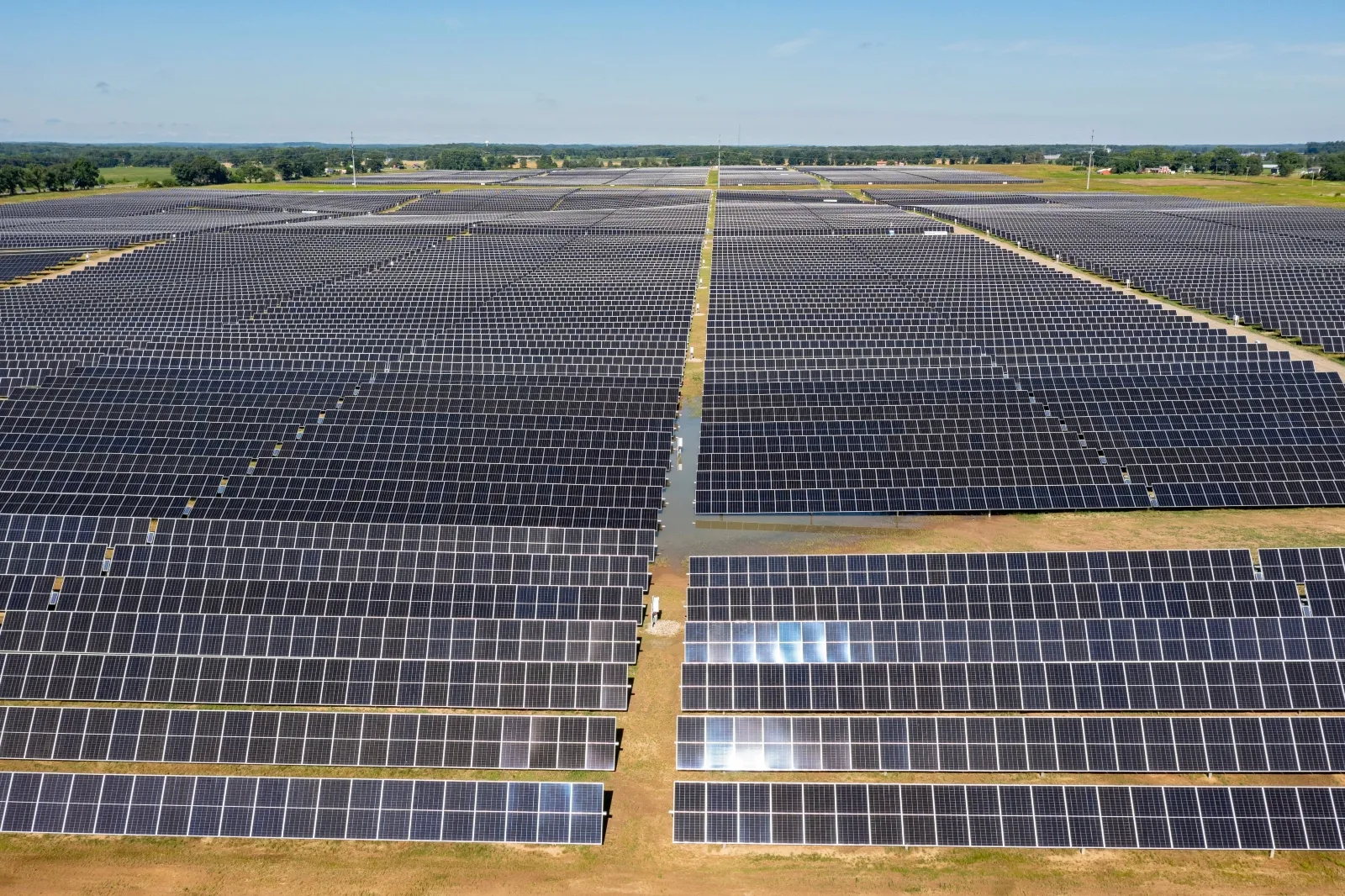
In the rolling landscapes of mid-Michigan, a quiet revolution is brewing—one that defies the traditional binary of American politics. It is a movement defined not by the slogans of the national culture wars, but by the tangible, physical transformation of the countryside. From the sprawling, energy-hungry data centers of hyperscale tech giants to the vast arrays of solar panels stretching across former cornfields, local communities are rising up to reclaim their geography. At the center of this storm stands Will Lawrence, a Democrat running for Congress in Michigan’s pivotal 7th District, who is attempting a high-stakes political gamble: forging a cross-partisan coalition built on the shared skepticism of large-scale industrial development.
The Unlikely Alliance: Marjorie Steele and the Anti-Development Movement
Marjorie Steele, a fierce advocate for local autonomy and founder of the Economic Development Responsibility Alliance (EDRA), occupies a precarious position in the political spectrum. A political independent based in Michigan, Steele has spent years battling industrial encroachment, a crusade that has frequently landed her in the crosshairs of both climate-conscious progressives and Trump-aligned conservatives.
Steele’s activism is broad and uncompromising. She has fought against the construction of a Chinese-owned electric vehicle battery plant near Big Rapids, challenged the installation of high-voltage transmission lines on her own property, and campaigned against the rapid proliferation of solar farms and data centers. For Steele, the issue is not necessarily the technology, but the lack of community agency.
“When the progressives look at me and say, ‘You’re MAGA’ because of the green energy issue, it really hurts me,” Steele told Grist. Her experience illustrates a growing rift within the climate movement: the tension between the global imperative to decarbonize and the local desire to preserve agrarian landscapes and quietude.
Chronology of a Conflict: The Rise of "Infrastructure Fatigue"
The current unrest in Michigan is a microcosm of a national trend. As the United States accelerates its transition toward renewable energy, the sheer scale of the required infrastructure—transmission lines, solar fields, and massive battery storage—has triggered a localized backlash often described by experts as "infrastructure fatigue."

2023: The Legislative Preemption
The tension reached a boiling point in 2023 when the Michigan state legislature passed a law preempting local zoning authority over renewable energy projects. By allowing developers to bypass local government hurdles and seek direct state approval, the policy was intended to speed up the transition to clean energy. Instead, it fueled a firestorm of resentment among rural residents who felt their democratic voices had been silenced.
2025–2026: The Data Center Boom
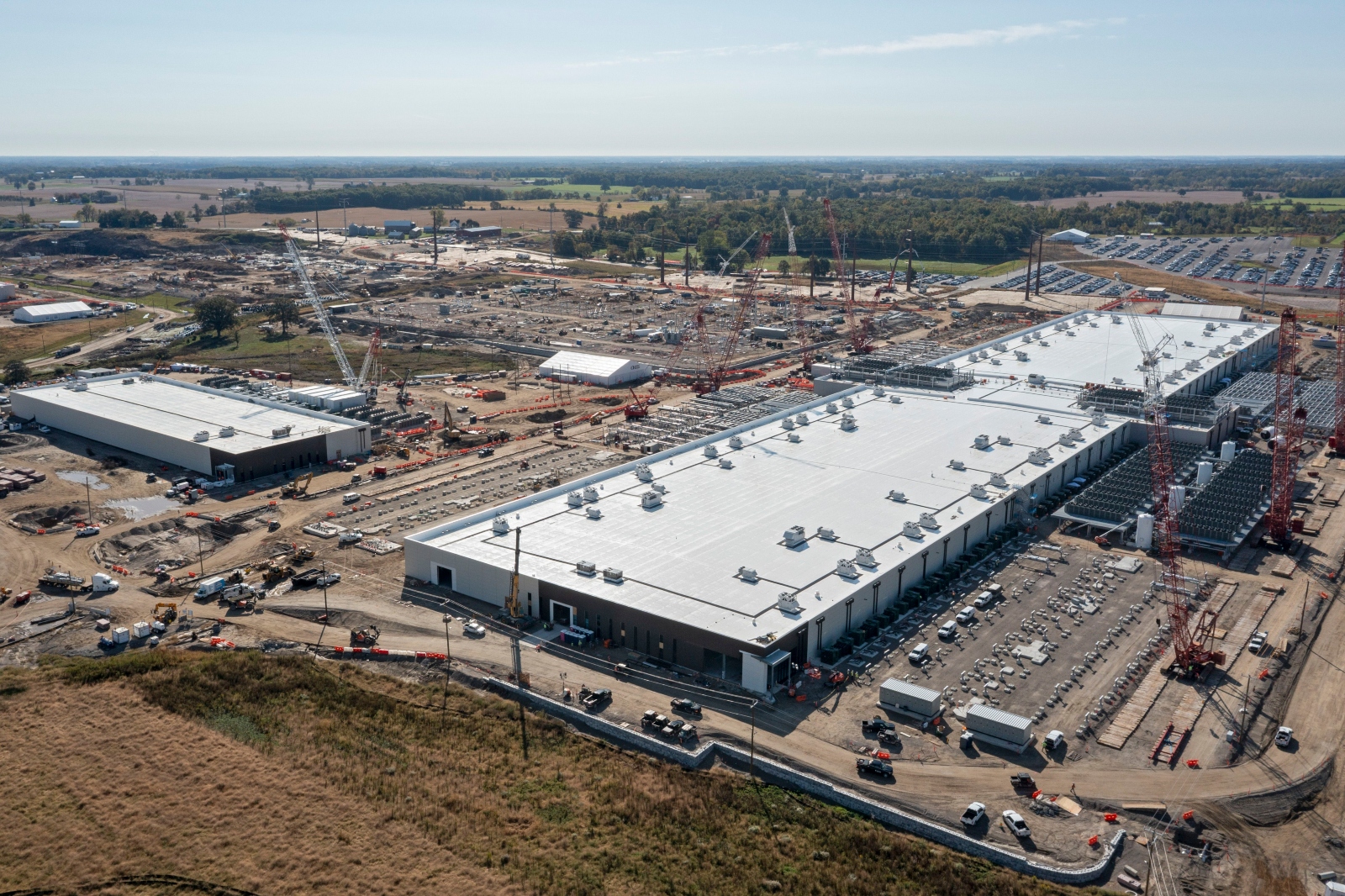
Concurrent with the solar rollout, Michigan experienced a massive influx of data center proposals. The arrival of a $16 billion Oracle-OpenAI campus near Ann Arbor, along with dozens of other projects, forced the issue of land use and resource consumption—specifically water and electricity—to the forefront of public discourse. In cities like Lansing, the "Deep Green" data center proposal was scuttled after intense community pushback, marking a significant victory for local activists who prioritized community impact over corporate promises of sustainable development.
Supporting Data: The Scale of the Disconnect
The friction between developers and residents is rooted in a fundamental disparity of interests. Supporters of rapid development, including many environmental scientists, argue that the scale of the climate crisis necessitates a massive industrial response. Doug Bessette, a professor of energy development at Michigan State University, highlights the logistical reality: "In order to fully transition our economy to clean energy, you have to build huge solar and huge wind and huge batteries, and you have to do it fast."
However, the "small-is-beautiful" approach favored by groups like EDRA—which advocates for community-owned solar and agrivoltaic projects—struggles to compete with the sheer energy demands of the modern grid. Michigan’s existing natural gas infrastructure, which provides roughly 14,000 megawatts of capacity, dwarfs the 1 to 5-megawatt output of typical community-solar arrays.
This creates a "scale gap." While activists are correct that they are being marginalized, the technical requirements for a full transition to renewable energy appear fundamentally at odds with the current, highly localized, and protective model of community governance.
Official Responses and Political Maneuvering
Will Lawrence, a 36-year-old co-founder of the Sunrise Movement, has recognized this disconnect as a defining electoral issue. Lawrence, a former member of the Democratic Socialists of America who has since moderated his public persona, is running a campaign that looks less like a standard Democratic bid and more like an intensive, grassroots organizing effort.
During a lobby day in Lansing, Lawrence met with Steele. Expecting a hostile interaction, he instead found a willing interlocutor. "I let him have it," Steele recalled. "I just gave him the whole spiel… And he listened and he asked amazing questions."
Lawrence’s strategy involves acknowledging the validity of local concerns while attempting to pivot toward a new model of development. He has publicly called for a national pause on data center construction and has criticized the state’s solar preemption law. By positioning himself as a defender of local control, Lawrence has managed to secure the endorsement of groups that typically avoid major-party candidates, while simultaneously navigating the scrutiny of the national Democratic Party.
However, his opponent, Republican incumbent Tom Barrett, remains a formidable obstacle. Barrett has also staked out a position as a skeptic of data centers, attempting to keep the issue from becoming a unique selling point for the Lawrence campaign. The race for Michigan’s 7th District, which shifted from moderate Democrat Elissa Slotkin to Republican control in 2024, remains one of the most volatile and expensive seats in the nation.
Implications for the Future of Energy and Democracy
The implications of the Michigan struggle extend far beyond the borders of the 7th District. If major-party candidates like Lawrence cannot synthesize the "big no" of local opposition into an "affirmative yes" for energy infrastructure, the transition to clean energy may stall indefinitely.
The Trust Deficit
The core of the conflict is a profound, systemic lack of trust. Citizens do not believe that external developers—whether they are building solar farms or data centers—are operating with the community’s best interests in mind. This skepticism is not purely partisan; it spans the ideological divide, bringing together MAGA-aligned conservatives and climate-conscious progressives.
The "Process" vs. "Outcome" Debate
Lawrence’s evolution from a leader of the Sunrise Movement—which famously championed the Green New Deal’s top-down approach—to a champion of local control, marks a significant shift in the climate discourse. "I think in that era, we were thinking about the necessity of the outcome," Lawrence said, "and now I’m thinking more about what is necessary in the process."
This admission represents a critical turning point. The realization that the "how" of energy development is just as important as the "what" is slowly gaining traction among policymakers. If the climate movement continues to dismiss local opposition as mere NIMBYism (Not In My Backyard) or astroturfing, it risks losing the very voters necessary to support the energy transition.
Conclusion: A Test for American Democracy
The race in Lansing is a litmus test for the American political system’s ability to handle the "green transition." As the nation faces the dual pressures of economic development and environmental sustainability, the ability to build infrastructure that communities actually want—or at least, can live with—will determine the success of 21st-century policy.
Whether Will Lawrence can hold together his fragile, cross-partisan coalition remains to be seen. But regardless of the election results, the voices of people like Marjorie Steele have already changed the conversation. The era of top-down industrial development is under siege, and the future of the energy grid will likely be decided in the town halls and city council meetings of districts like the 7th, where the global climate movement meets the local realities of daily life.


 Azzam Bilal Chamdy

 Lina Irawan

 Muslim


 Pevita Pearce
