
 Layla Zulfa
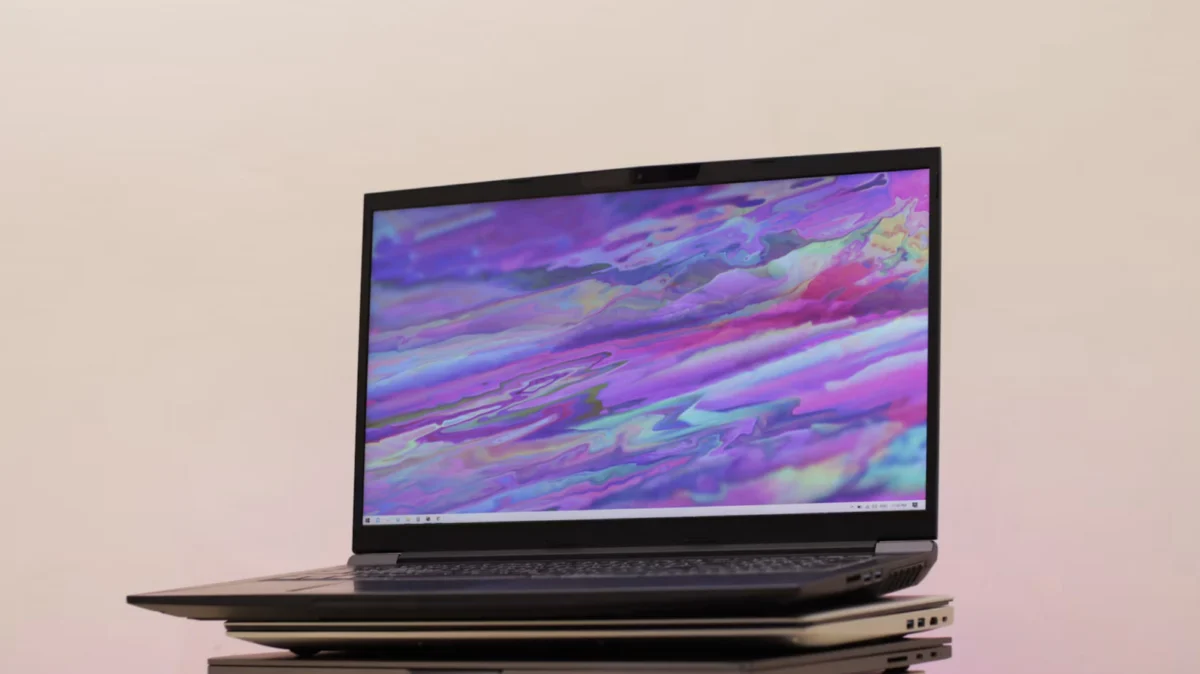
The global personal computer market is undergoing a seismic shift, marking a dramatic end to the industry’s post-pandemic momentum. New data from leading market research firms, including Counterpoint and the International Data Corporation (IDC), reveals a sobering reality for manufacturers: global PC shipments have plummeted by 21 percent year-over-year in the third quarter of 2026. This sharp decline, which saw shipment volumes slide from over 70 million units in Q3 2025 to just 57 million in the same period this year, serves as a grim bellwether for the broader consumer electronics sector.
The Core Statistics: A Market in Freefall
The downturn is not merely a year-over-year anomaly; it is a deepening trend of rapid contraction. Quarter-over-quarter data further illuminates the severity of the situation, showing a 13.8 percent decline from the second quarter of 2026. Traditionally, the third quarter acts as a seasonal ramp-up for the industry; however, 2026 has defied historical norms, with Q3 falling 9.1 percent below the output of Q2.
Analysts are now bracing for an even harsher winter. Projections for the fourth quarter of 2026 suggest a staggering 27 percent year-over-year reduction. This downward trajectory appears to be more than a temporary correction; it is a structural realignment driven by macroeconomic pressures that show no immediate sign of abating.
A Chronology of the Decline: From Panic-Buying to Market Fatigue
To understand the current collapse, one must look back at the volatile landscape of the last 24 months.
The 2025 Peak
The year 2025 was a banner period for the PC industry, characterized by high demand and stable supply chains. Consumers, riding the wave of post-pandemic digital infrastructure upgrades, fueled a 9.3 percent increase in shipments for the fourth quarter of 2025, with full-year results following a similar trajectory of growth.
The Early 2026 "RAMageddon" Panic
The first half of 2026 was defined by consumer anxiety. As reports of an AI-induced "RAMageddon"—a massive shortage and subsequent price surge in memory components—began to circulate, consumers and enterprises alike engaged in aggressive panic-buying. Fearing that prices for laptops and desktops would soon spiral out of reach, buyers pulled forward their purchasing plans, clearing out inventory shelves.
The Third Quarter "Correction"
By the time the third quarter of 2026 arrived, the market hit a wall. The artificial demand created by the early-year panic had been satisfied, and the real-world economic impacts of rising inflation and global trade tariffs began to take hold. The inventory "pull-in" that defined early 2026 created a vacuum, leaving manufacturers with a market that had effectively exhausted its appetite for new hardware.
The Perfect Storm: Why Prices are Skyrocketing
The contraction is fueled by a confluence of three primary factors that have rendered modern computing hardware increasingly inaccessible to the average consumer.
1. The AI-Driven Component Shortage
The rapid acceleration of AI development has created an insatiable demand for high-end memory and processing units. As data centers and enterprise AI initiatives monopolize the supply of advanced RAM and GPUs, consumer-grade components have become scarce and prohibitively expensive.
2. The Tariff Tangle
Global trade policies, specifically the imposition of new tariffs, have added an additional layer of cost to the supply chain. Manufacturers, unable to absorb these mounting overheads, have passed the costs directly to the end-user. Acer, among others, has already announced price hikes of approximately 10 percent, a trend that is becoming industry-standard.
3. The "Replacement Delay" Cycle
As system prices rise, consumers are extending the lifecycle of their existing hardware. The "critical purchasing factor"—affordability—has been compromised. Consequently, a user who might have upgraded their laptop every three years is now pushing that interval to four or five years, creating a prolonged stagnation in the hardware replacement cycle.
Competitive Landscape: Winners and Losers in a Shrinking Pool
The impact of this market downturn has not been distributed evenly. While the overall industry is suffering, some vendors are navigating the turbulence with more agility than others.
- The Industry Leaders: Lenovo, despite maintaining its position as the global market leader, has seen a painful 23 percent year-over-year decline. Dell and HP have faced even stiffer headwinds, reporting declines of 25 percent and 31 percent, respectively.
- The Resilient Performers: Apple has emerged as a relative outlier, suffering a more modest 11 percent decline. This performance has allowed the company to increase its overall market share. Analysts attribute this success to the strategic release of the budget-friendly MacBook Neo, which offered a compelling value proposition that resonated with cost-conscious consumers.
- The Surprise Success: ASUS has managed to weather the storm more effectively than any other major vendor, recording a decline of just seven percent. Their ability to maintain relatively stable shipment volumes suggests a highly efficient supply chain or a product lineup that is better aligned with the current, more frugal, consumer appetite.
Official Responses and Expert Analysis
Minsoo Kang, a senior analyst at Counterpoint, provided a sobering assessment of the situation. "The global PC market is facing mounting pressure as rising memory and component costs push system prices higher and force consumers to delay replacement purchases," Kang noted. "With affordability becoming an increasingly critical purchasing factor, even market leaders are struggling to maintain shipment momentum."
The consensus among industry observers is that there is no "quick fix." The International Data Corporation (IDC) emphasizes that the inventory dynamics currently at play are unsustainable. While the industry is desperate for a return to growth, the macroeconomic reality suggests that the supply chain will not normalize in the near term.
Future Implications: What to Expect in 2027
As we look toward 2027, the outlook remains cautious. Counterpoint’s long-range research suggests that the coming year will likely be "more of the same." For the PC industry, this means a continued focus on lean inventory management, aggressive cost-cutting measures, and a potential pivot in product design to favor more affordable, entry-level hardware.
The primary hope for the industry remains a stabilization in the cost of memory and key components. Should the AI-induced demand for high-end silicon begin to cool, or should manufacturing capacities expand, the resulting price drops could entice consumers back into the market. However, until such a correction occurs, the PC industry must prepare for a prolonged period of suppressed demand.
For the average consumer, this means that the "golden age" of affordable, high-performance computing has reached a temporary hiatus. As manufacturers navigate these choppy waters, the focus will shift from rapid innovation and high-volume growth to simple survival and the protection of market share. The 2026 slump is a stark reminder that even the most essential pillars of the digital economy are not immune to the fundamental laws of supply, demand, and global economic policy.


 Jia Lissa

 Raul Delapena Setiawan

 Basiran

 Nana Wu

 Nana

 Siti Muinah

 Ammar Sabilarrohman

 Reynand Wu
