
 Asro
Asro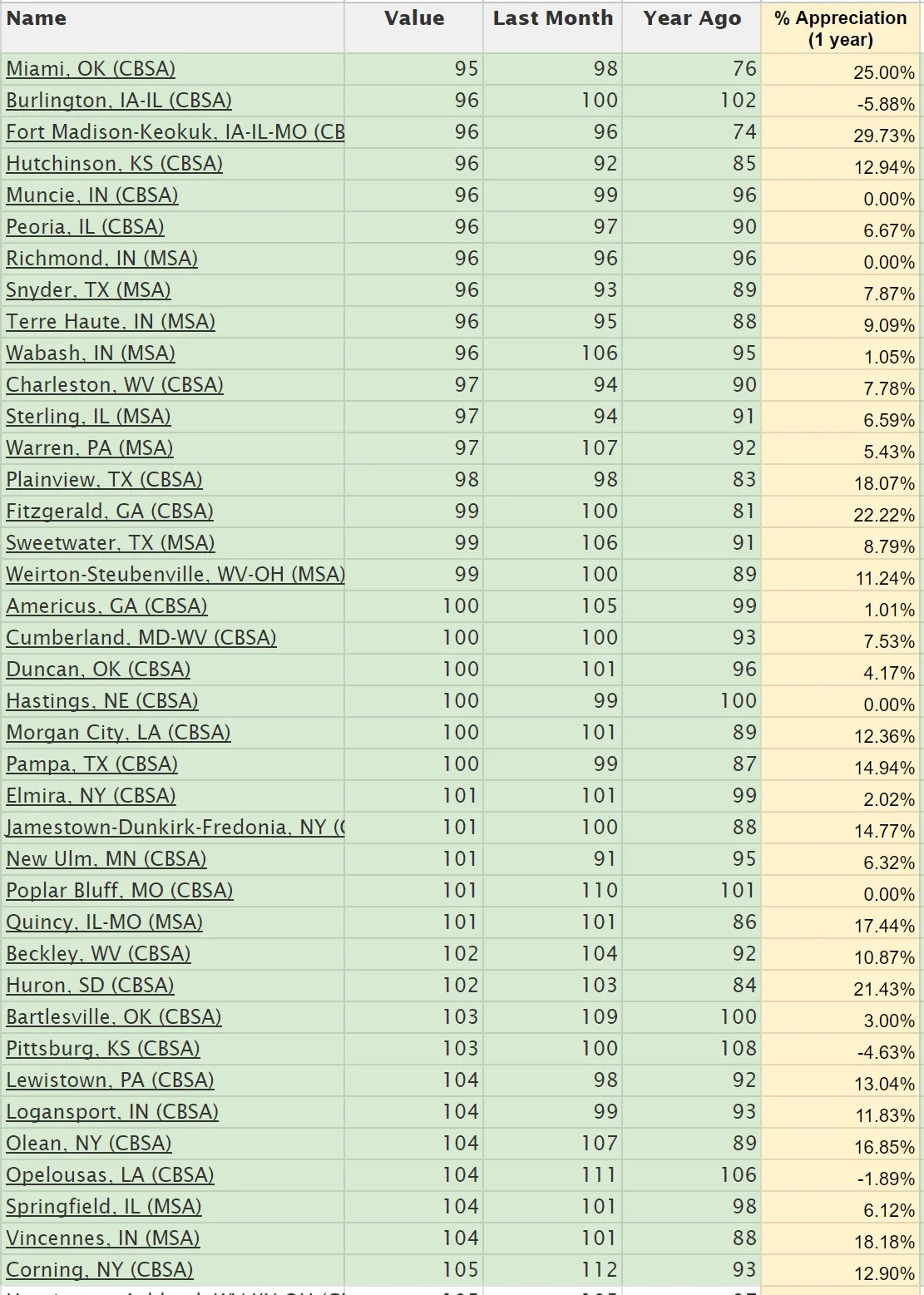
The concept of Financial Independence, Retire Early (FIRE) has long been the cornerstone of modern personal finance. For over a decade, it has been synonymous with the "Mustachian" philosophy: aggressive saving, extreme frugality, and the strategic deployment of capital to escape the traditional 9-to-5 grind. However, a growing sentiment of skepticism has emerged among a new generation of aspiring savers. They argue that the blueprint written in the early 2010s—a period characterized by lower home prices and a booming tech sector—is fundamentally broken for those entering the market in a post-pandemic world.
The Critique: A System Out of Reach?
The catalyst for this recent debate was a pointed critique left by a reader on the Mr. Money Mustache blog. The reader’s argument was stark: "It seems like every FI blogger out there worked in tech 20 years ago, pulled down a six-figure salary, and bought a house for a bag of potatoes before 2019."
This sentiment reflects a broader socioeconomic frustration. For many, the classic "house hacking" or "fixer-upper" strategies are no longer viable. With interest rates elevated, home prices at historic highs, and zoning regulations often stifling the creation of Accessory Dwelling Units (ADUs), the path to wealth accumulation appears to have shifted from a well-trodden road to a restricted gate. The reader’s plea was clear: "I don’t know what the next generation of FI bloggers will offer, but I’d like to hear from them."

Chronology of a Financial Paradigm Shift
To understand the current impasse, we must examine the timeline of the FIRE movement’s evolution:
- The Early Years (2010–2015): The movement took root in a post-2008 recession landscape where real estate was significantly undervalued. The "Mustachian" model was built on buying low, living efficiently, and investing in a market poised for a decade-long bull run.
- The Acceleration (2016–2019): As the economy expanded, the FIRE movement became mainstream. However, the cost of living in primary urban hubs began to decouple from stagnant wage growth.
- The Post-Pandemic Shock (2020–2024): A sudden surge in remote work combined with supply chain issues and inflationary pressure on materials led to a massive spike in home prices. This, coupled with the Federal Reserve’s aggressive interest rate hikes, effectively froze many first-time buyers out of the market.
Supporting Data: Housing, Inflation, and Reality
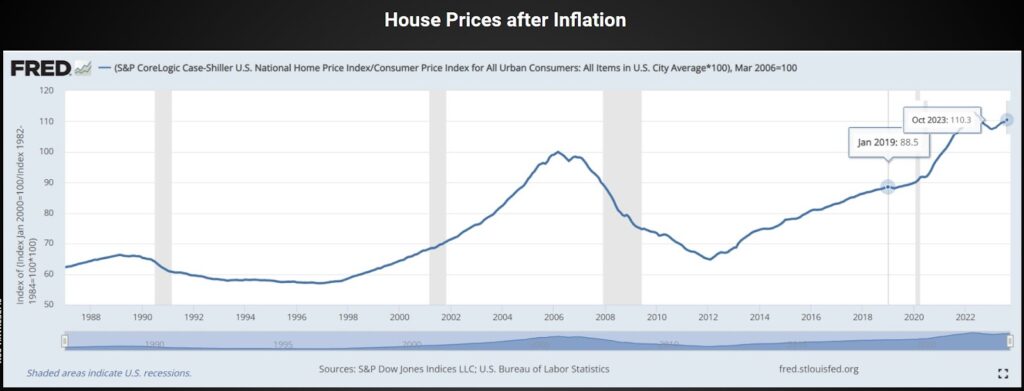
When we examine the empirical data, the frustration of the modern saver is validated—but only to a degree. According to data from the St. Louis Fed (FRED), housing prices, when adjusted for inflation, have indeed risen by approximately 25% since the beginning of 2019.
However, the "FIRE-extinguishing" narrative often lacks context. While housing is undeniably more expensive than it was five years ago, it is worth noting that current inflation-adjusted prices are only about 10% higher than the previous market peak of 2006. This suggests that while we are in a period of extreme valuation, it is not an unprecedented or terminal event for the economy.
The real issue, as observed by financial experts, is the extreme disparity between regions. While a median home price of $540,000 in Longmont, Colorado, might represent a "triple" increase since 2011, this is a localized phenomenon. The data reveals that the national market is not a monolith; it is a patchwork of hyper-inflated urban cores and overlooked, affordable metropolitan areas.
The Mustachian Rebuttal: Reframing the Strategy
In response to these challenges, proponents of the FIRE movement argue that the problem is not the system itself, but an outdated adherence to "location entitlement." The core of the rebuttal is that housing, like any other commodity, is subject to the laws of supply and demand. If a specific city has become unaffordable, the rational economic actor must pivot.
1. Moving Beyond "Victimhood"
The prevailing cultural narrative suggests that one is entitled to live in their birthplace or the city where they currently work. The FIRE perspective challenges this: if the cost of living in a high-demand tech hub prevents you from saving, you are effectively paying a premium for a lifestyle that is preventing your financial freedom.
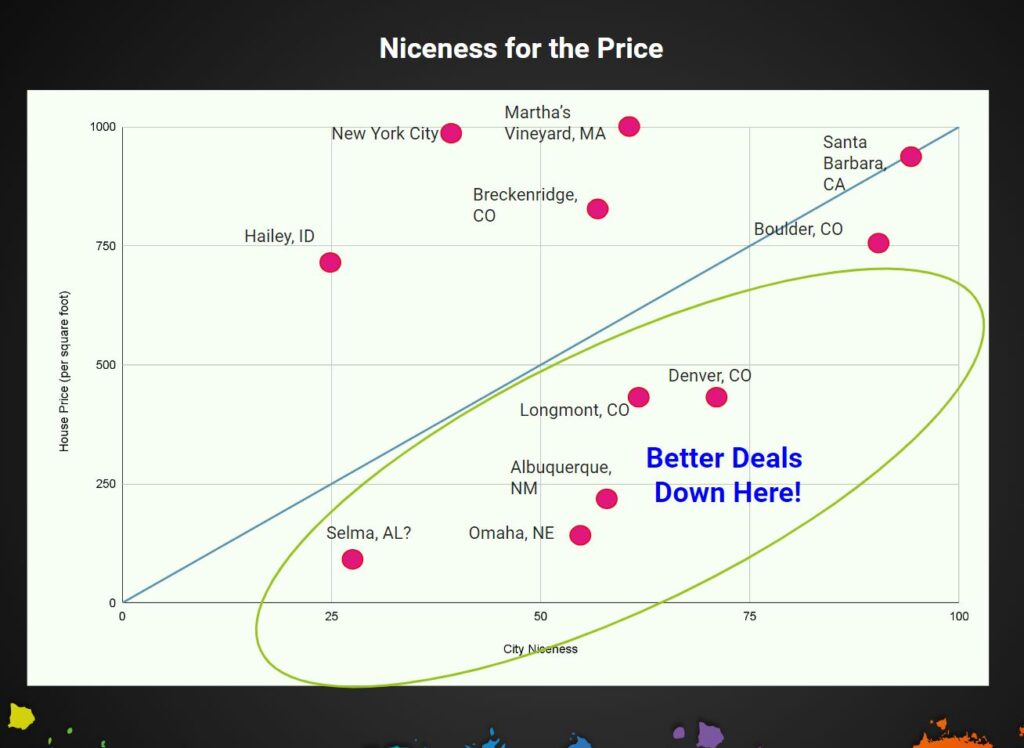
2. The "Nice for the Price" Metric
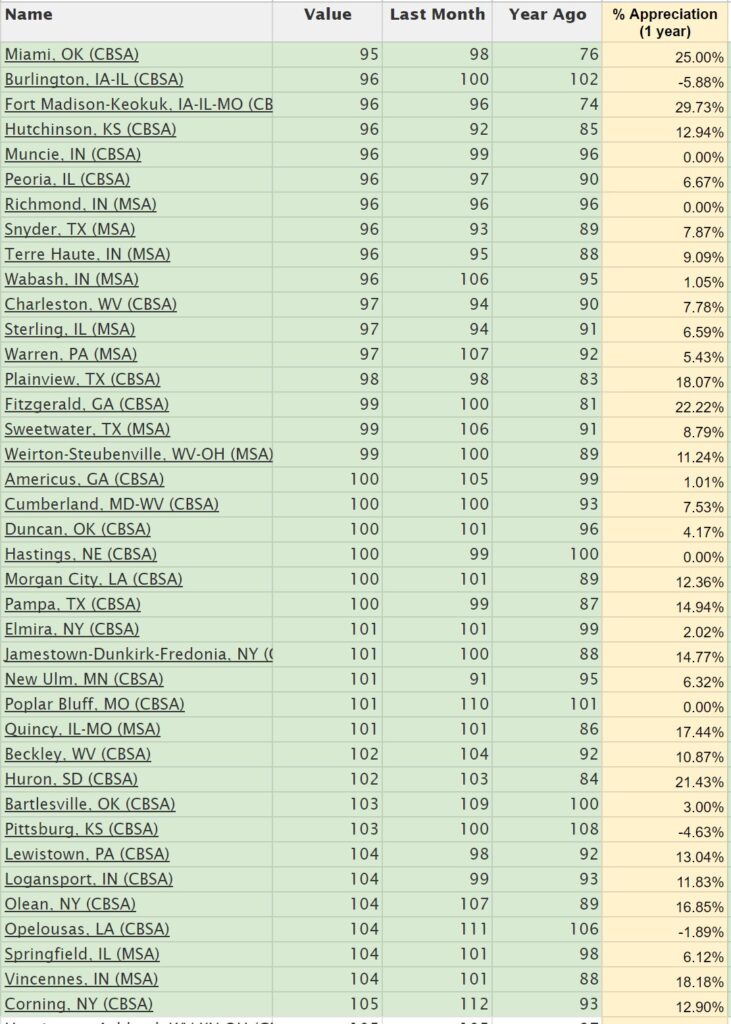
Strategic relocation is a tool, not a tragedy. By utilizing tools like the FRED database to plot metropolitan areas by price per square foot and cross-referencing these with personal quality-of-life indicators, individuals can identify "arbitrage" opportunities. For example, moving from a $300/sq. ft. market to a $100/sq. ft. market can essentially triple one’s purchasing power, effectively condensing decades of savings work into a single logistical decision.
Global Implications: Casting a Wider Net
The scope of financial independence is increasingly becoming global. Websites like The Earth Awaits have become essential for the modern FIRE practitioner, allowing users to filter cities based on climate, safety, and cost of living.
When one expands their search to include international options, the constraints of the North American housing market suddenly lose their grip. A move to South America or other lower-cost-of-living regions is often dismissed as a "hassle" due to the bureaucracy of visas and paperwork. However, the financial cost of not moving—working an extra fifteen years in a high-cost environment—is objectively much higher. This "adulting puzzle" is a small price to pay for reclaiming a decade or more of one’s life.
The Future of FIRE: A New Philosophy
The criticism that FIRE is "only for the high-earning tech worker" ignores the movement’s fundamental tenet: the reduction of waste. Even for those with high salaries, the inability to save is rarely a product of low income; it is almost always a product of "lifestyle creep"—the tendency to match one’s spending to one’s earnings.
The Role of Purposeful Spending
The next generation of FIRE will likely move away from the "extreme deprivation" model and toward "purposeful efficiency." This involves:
- Decoupling Housing from Status: Treating a home as a utility rather than a status symbol.
- Location Agnosticism: Prioritizing job mobility and remote work to align income with low-cost geographies.
- Data-Driven Living: Using public datasets to make informed decisions rather than relying on emotional attachments to specific zip codes.
Conclusion: The Choice is Yours
The housing market of 2024 is undoubtedly more challenging than that of 2011, but the principles of financial independence remain as relevant as ever. The "FIRE-is-dead" sentiment often stems from a reluctance to confront the difficult trade-offs required to build wealth in a high-cost environment.
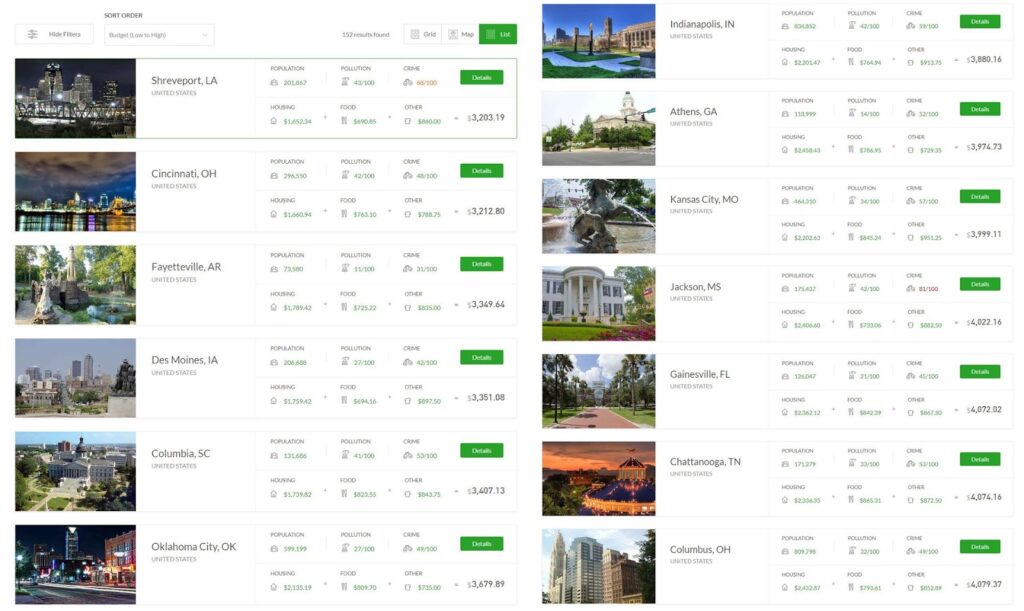
Whether it means relocating to a more affordable city, embracing the flexibility of renting while investing the difference, or even moving abroad, the power to change one’s trajectory lies in the willingness to make hard choices. Financial independence was never meant to be easy; it was meant to be the reward for those who think differently, act decisively, and refuse to accept the status quo as a fixed reality. The path to freedom is open, provided one is willing to step outside the familiar, calculate the risks, and move toward a better deal.


 Iffa Jayyana
 Basiran
 Raul Delapena Setiawan
 Dwi Wanna
 Muslim
 Nana Wu

 Rifan Muazin