
 Nila Kartika Wati
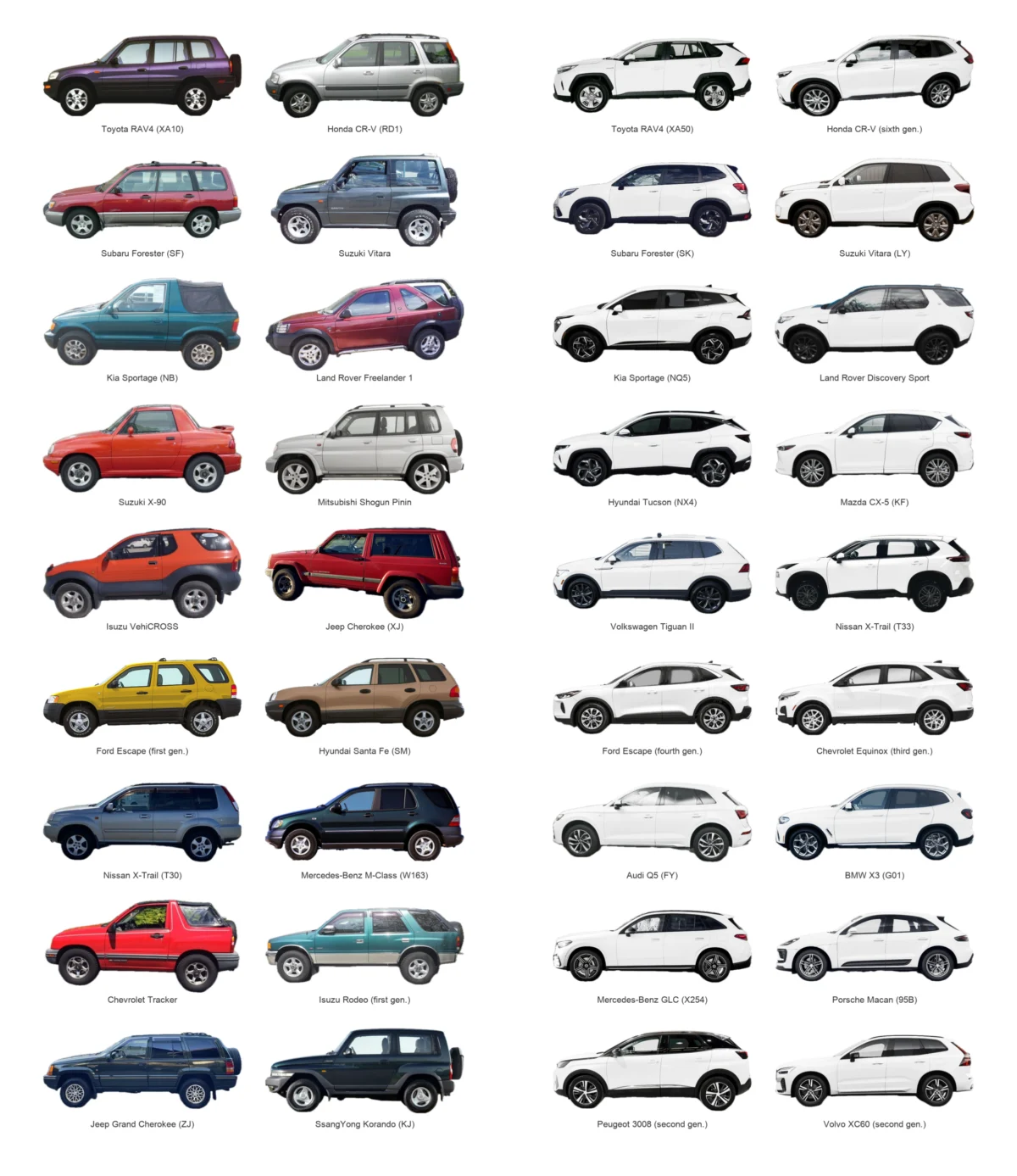
In the landscape of modern consumer electronics and automotive design, a subtle, creeping uniformity has begun to define our physical reality. From the flat, bezel-less slabs of our smartphones to the aerodynamic, teardrop-shaped SUVs clogging our highways, the diversity of product aesthetics is rapidly diminishing. To the keen observer, the trend is impossible to ignore: distinct design languages are collapsing into singular, optimized forms. This phenomenon—often termed "design convergence"—has prompted a rigorous investigation into the forces driving this mass standardization. Is this the inevitable "final form" of human utility, or a symptom of a creative industry succumbing to the pressures of globalized, risk-averse manufacturing?
The Evidence of Uniformity: A Chronology of Convergence
The history of industrial design has always been a cycle of experimentation followed by stabilization. In the early 20th century, the automobile was a playground of eccentric engineering; steam, electric, and combustion engines competed in bodies shaped like carriages, boats, and cycles. Today, the modern car is a triumph of computational fluid dynamics, resulting in a global fleet that, when silhouetted, appears nearly identical.
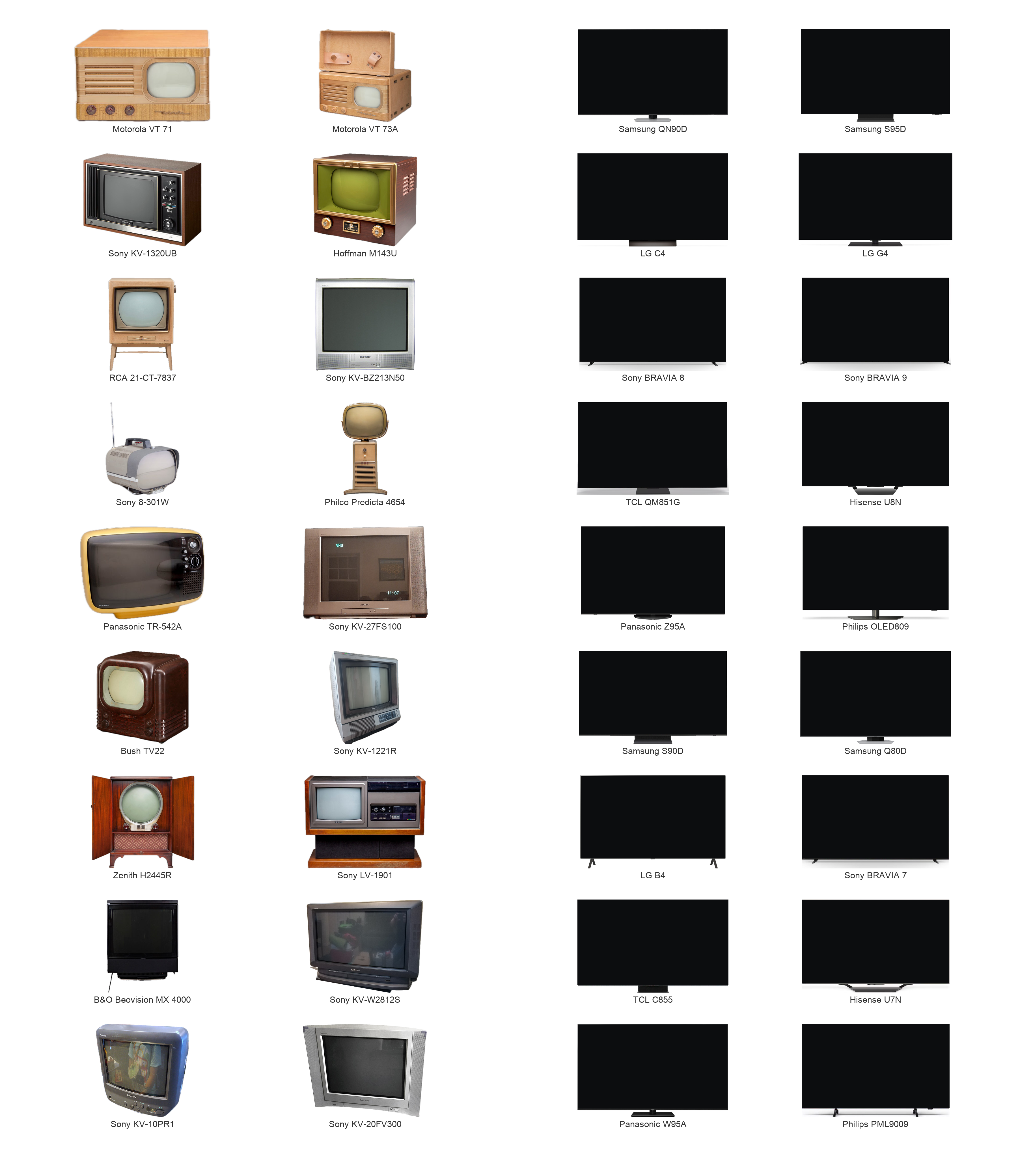
This trajectory is not limited to transport. Consider the evolution of the television. In the mid-20th century, the TV was a piece of furniture—a wooden console or a cathode-ray tube housed in a bulky, statement-making box. By the early 2000s, manufacturers were experimenting with curved screens, plasma housings, and tactile button arrays. Today, the television has reached its "final form": a thin, black rectangle intended to be as unobtrusive as possible, effectively disappearing into the wall it is mounted upon.
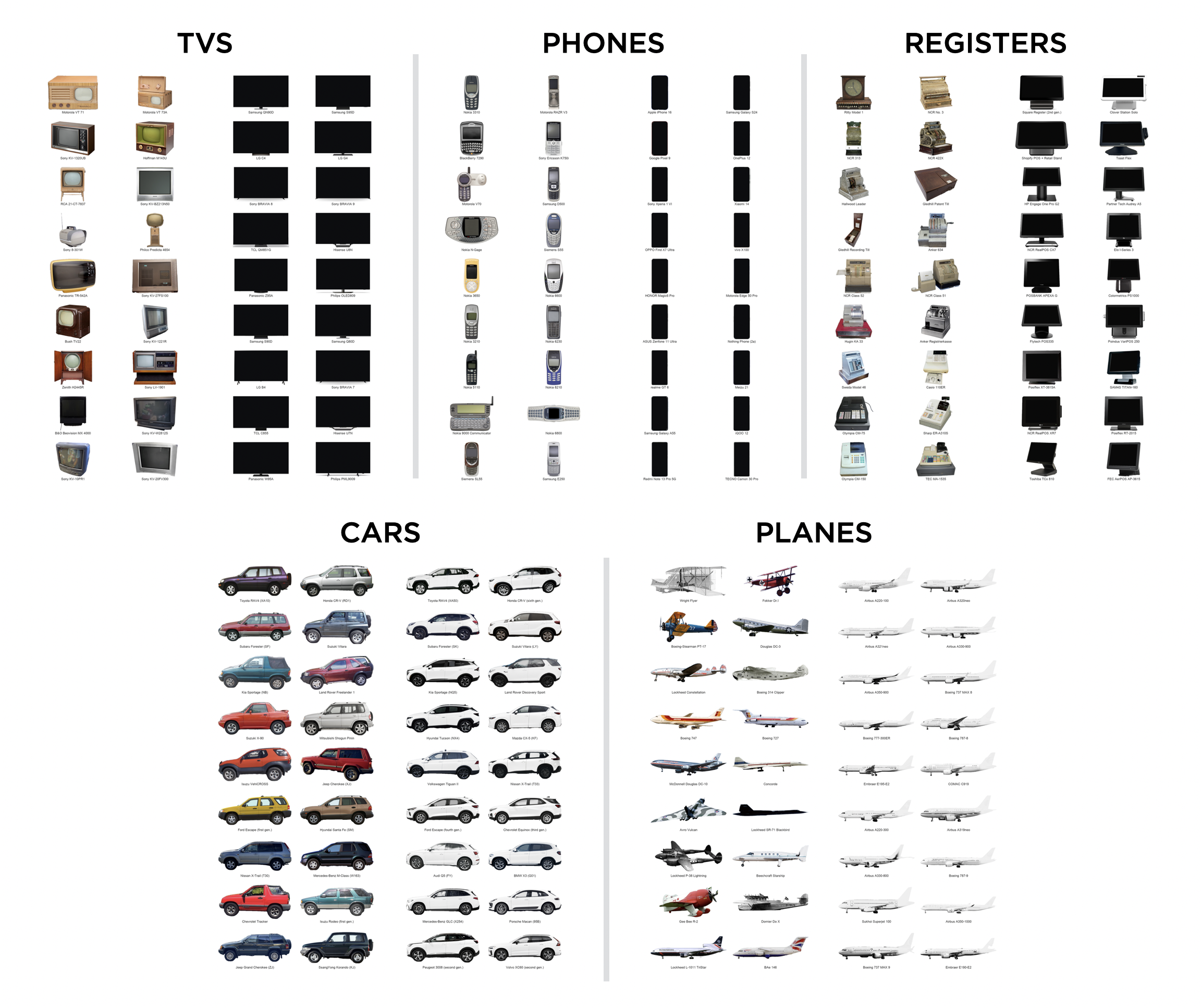
The chronology of this convergence follows a clear path:
- The Experimental Phase: New technology arrives, and the market explores a wide variety of form factors to solve functional problems.
- The Optimization Phase: Through mass production and consumer feedback, certain features are identified as superior (e.g., touchscreens for phones, screens-as-primary-interface for TVs).
- The Convergence Phase: Manufacturing costs, safety regulations, and user behavior studies dictate that the most efficient form is the most profitable one.
- The Homogenization Phase: The "final form" is reached, and innovation shifts from the exterior shell to internal components, software, and subtle interface tweaks.
The Drivers of Design: Why We Are Losing Visual Variety
The debate surrounding this trend generally breaks down into four key arguments, each explaining why the market seems to be trending toward a singular, average aesthetic.
1. Functional Purity and the Disappearing Interface
The most common argument for convergence is the pursuit of "frictionless" utility. As technology matures, the ideal design is one that "gets out of the way." For a television, the purpose is to deliver a high-fidelity image. Therefore, the perfect TV is entirely screen, with no bezel, no buttons, and no distracting chassis. This is not just a trend; it is a design goal. When the purpose of a device is clearly defined, the design inevitably gravitates toward the form that best facilitates that purpose.
2. The Economic Constraints of Scale
As technologies mature, they transition from luxury goods to commodities. In a commoditized market, competition is no longer based on daring industrial design, which is expensive to tool and risky to market. Instead, competition shifts to price and technical specifications. When a company is competing on thin margins, "standing out" becomes a liability. Bold, non-conformist designs require new supply chains and specialized marketing, which smaller firms cannot afford and larger firms find inefficient.
3. "Crabitalism": The Biological Imperative of Convergence
In evolutionary biology, there is a concept known as "carcinisation," where unrelated crustaceans independently evolve into the crab-like shape because it is the most effective way to survive in their environment. Critics of modern design have jokingly dubbed the consumer product equivalent "crabitalism." Just as nature selects for the crab, the market selects for the flat-screen rectangle. If a specific shape proves to be the most ergonomic, the most efficient to ship, and the most intuitive to use, every competitor will eventually adopt it.
4. Regulatory and Physical Constraints
Physics and legislation often force a narrowing of options. Airplanes and cars are constrained by aerodynamics, thermal management, and strict international safety standards. A car designed to pass pedestrian safety tests in Europe and fuel-efficiency tests in Asia will naturally gravitate toward a specific, wind-tunnel-optimized shape. While designers may want to express creativity, the reality of drag coefficients and crash-test ratings provides a narrow "window of success" that effectively mandates uniform design.
Supporting Data: When Software Moves Faster Than Hardware
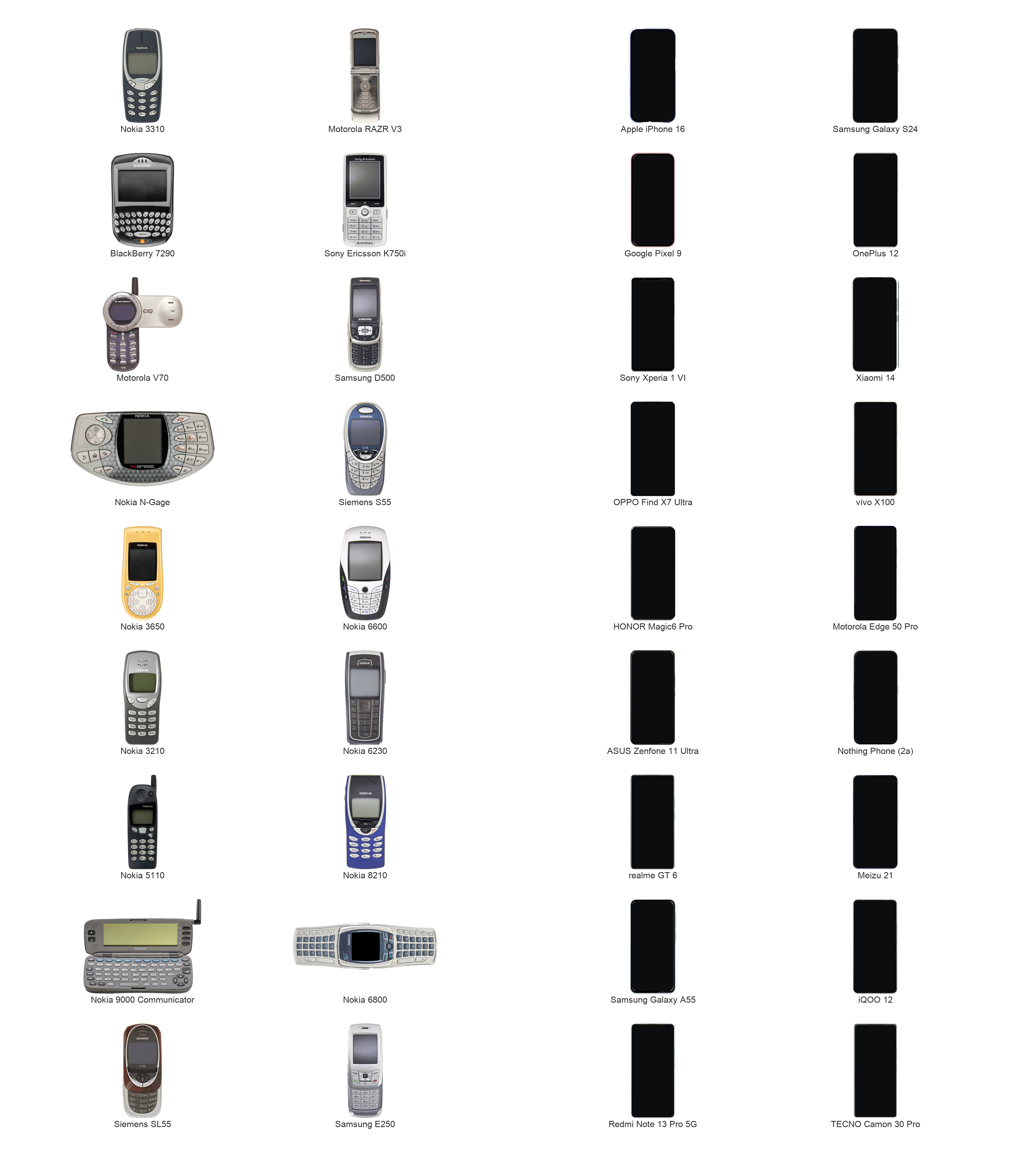
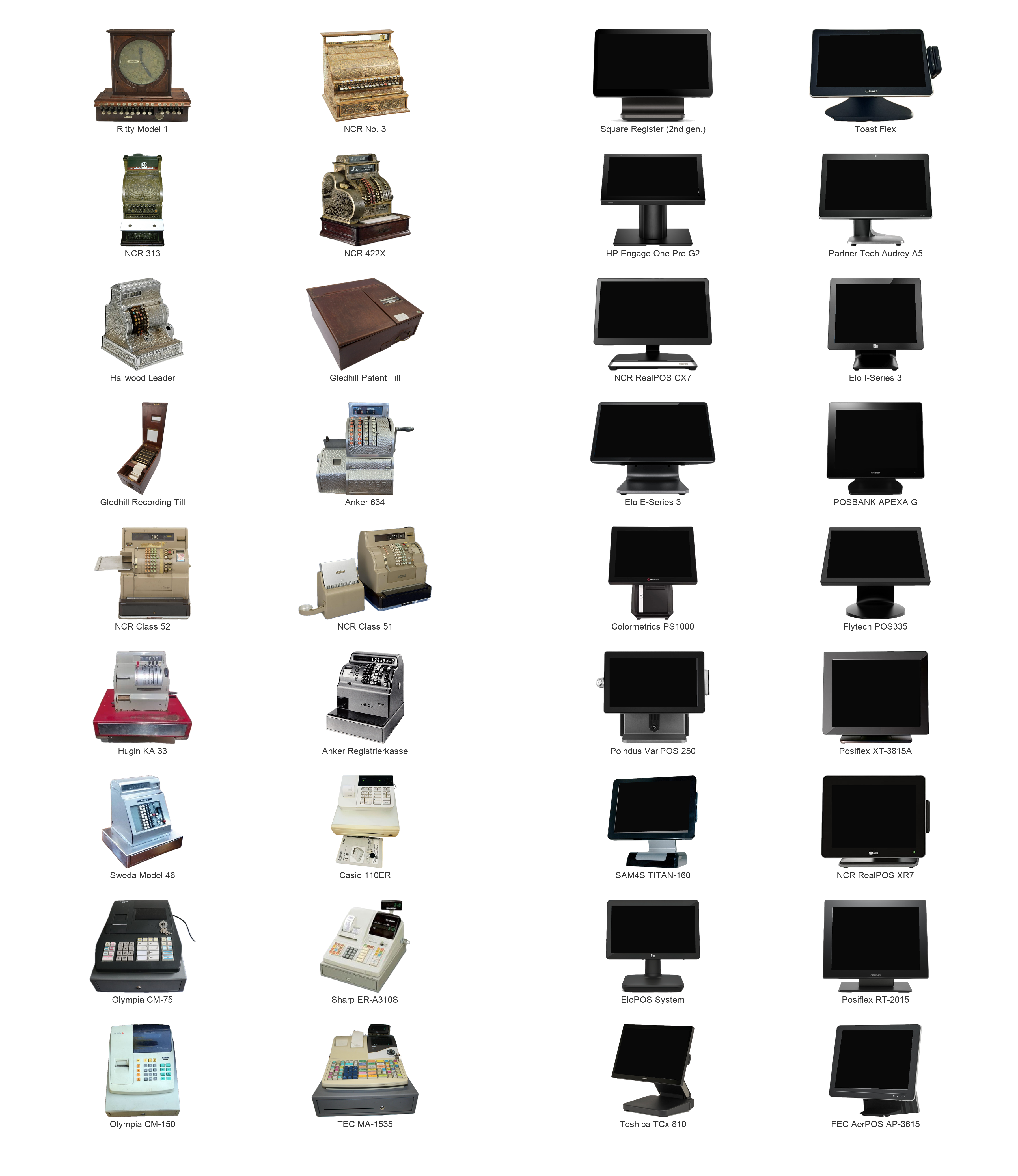
While hardware convergence has historically taken decades—from the bulky registers of the 1950s to the sleek, tablet-like point-of-sale systems of today—software is proving to be even more susceptible to rapid, near-instantaneous convergence.
We are currently witnessing the "chat-ification" of the entire software ecosystem. Despite Large Language Models like ChatGPT being only a few years old, almost every major application—from word processors to creative suites—is rushing to adopt the exact same interface: a conversational text box. Unlike physical hardware, which requires manufacturing lead times, software can be updated globally overnight. This suggests that the speed of convergence is directly tied to the speed of iteration. As software becomes the primary interface for our devices, the "look and feel" of our digital lives is becoming as standardized as the hardware that runs it.
The Future: AI and the New Frontier of Hardware
If we have reached a state of "peak convergence" in smartphones and TVs, where does the future of innovation lie? Currently, the field of AI hardware is in a state of chaotic experimentation. We are seeing a flurry of form factors: smart pins, augmented reality glasses, pendants, and specialized earbuds.
These devices are currently in their "Experimental Phase." Many of these designs will likely fail, and those that succeed will inevitably face the same pressure to converge. If a smart pin becomes the standard for human-AI interaction, we can expect that in ten years, every smart pin on the market will look almost identical, optimized for the same battery, sensor, and aesthetic requirements.
Implications: A World Without Surprises?
The implications of this total convergence are profound. On the positive side, we are living in an era of unprecedented usability. Because everything works the same way, the learning curve for new technology has effectively collapsed. A user who understands a modern smartphone can intuitively operate a modern cash register or a smart-home hub. We have traded variety for universal literacy.
However, the cost is the loss of the "delight" factor. When every object in our environment conforms to the same aesthetic, the cultural landscape becomes flattened. Industrial design, once a field of artistic expression, is increasingly becoming a field of optimization.
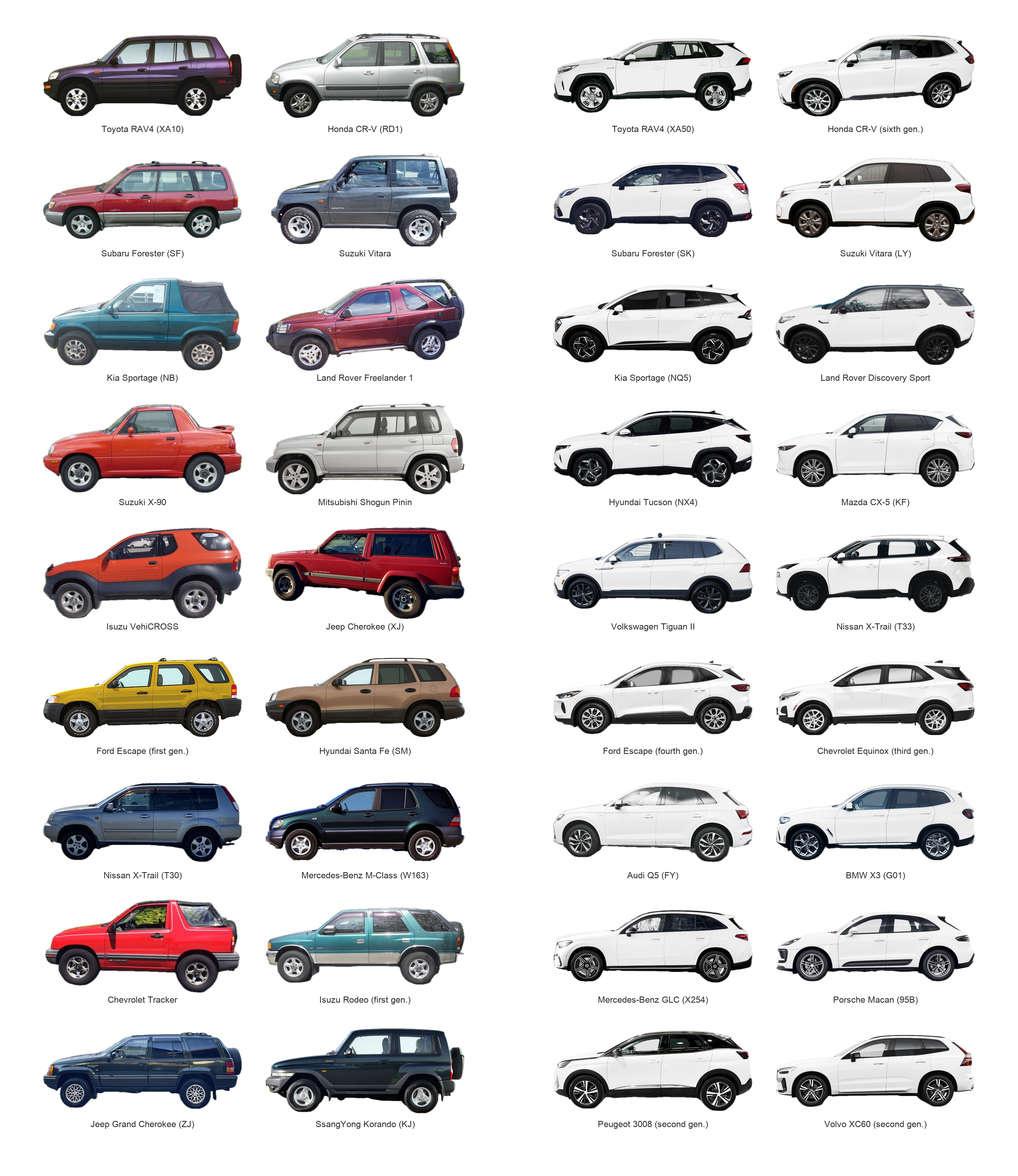
Official responses from industry leaders suggest this is an unavoidable trade-off. In recent design conferences, executives from major tech firms have noted that consumers consistently vote with their wallets for "familiarity" over "novelty." In the eyes of the market, a device that looks different is often perceived as a device that is more difficult to use.
Conclusion: The Final Form
As we look toward the next decade, the trend toward convergence shows no sign of slowing. Whether it is the inevitable path of technology or a failure of imagination, we are moving toward a world of standardized, optimized, and highly efficient objects.
The pattern is clear: once a technology reaches its full potential, its design becomes a solved problem. We are no longer living in an age of the "gadget"—a quirky, experimental tool—but in an age of the "utility." The challenge for future designers will be to find ways to inject humanity, personality, and genuine innovation into a world that is rapidly becoming, by design, perfectly average.


 Iffa Jayyana

 Ammar Sabilarrohman

 Asep Darmawan

 Asro

 Layla Zulfa


 Muslim
