
 Asro
Asro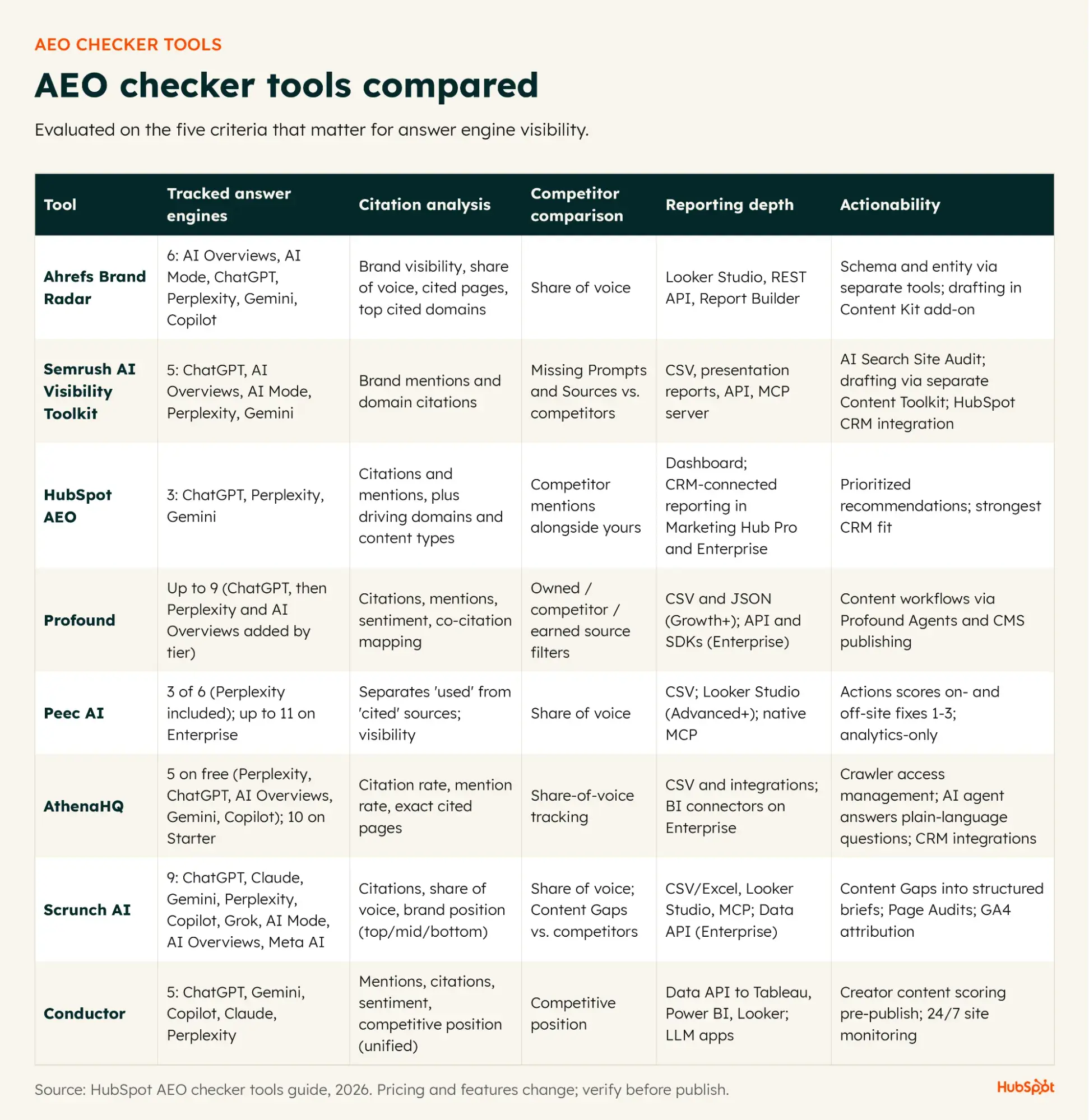
The digital landscape is undergoing its most significant transformation since the invention of the search engine. For two decades, the primary goal of digital marketing was "ranking"—securing a blue link on the first page of Google. Today, that paradigm is shifting toward "answering." As users increasingly turn to AI-driven tools like ChatGPT, Perplexity, and Google’s AI Overviews (AIO) to synthesize complex information, the traditional search journey is being shortened. In this new era, visibility no longer guarantees a click; it guarantees an answer.
This shift has birthed a new discipline: Answer Engine Optimization (AEO). For brands, the challenge is clear: if your content isn’t cited within the AI’s synthesized response, you effectively do not exist to the user.
The Evolution of Search: From Links to Synthesis
To understand why AEO is essential, one must look at the chronology of search behavior. The "Link-Click" era, which dominated from the early 2000s through 2023, relied on a linear process: a user types a query, receives a list of indexed pages, and clicks a link to find their answer.
![AEO checker tools that measure answer engine visibility [2026]](https://53.fs1.hubspotusercontent-na1.net/hubfs/53/aeo-checker-1-20260903-3858273.webp)
In May 2024, Google fundamentally altered this trajectory with the global rollout of AI Overviews. This update meant that for many informational queries, Google now generates a summary at the top of the results page, often resolving the user’s intent before they ever leave the search engine. Simultaneously, the rise of standalone answer engines like Perplexity and the integration of web-browsing capabilities into ChatGPT have created a "zero-click" environment.
This is not the death of SEO, but rather its evolution. AEO and SEO are two sides of the same coin. While SEO provides the technical "crawlability" and domain authority that AI models use to build their knowledge base, AEO ensures that your specific claims, product data, and brand voice are the ones being extracted and cited by the AI.
What is an AEO Checker and Why Does It Matter?
An AEO checker is a diagnostic tool designed to monitor how frequently and accurately your brand is featured in AI-generated responses. Unlike traditional rank trackers that measure position on a SERP (Search Engine Results Page), an AEO checker performs a "citation audit."
![AEO checker tools that measure answer engine visibility [2026]](https://no-cache.hubspot.com/cta/default/53/9dd5e54b-fbef-4dd0-bc44-1689feb1ea18.png)
It evaluates whether your brand is mentioned by name, whether your domain is linked as a primary source, and, crucially, where you are losing out to competitors. By analyzing these data points, businesses can identify content gaps—areas where they possess the expertise but lack the "citations" required for the AI to surface their content.
The Manual Methodology: A Foundation for Strategy
While automated tools are essential for scale, understanding the manual process is the first step in mastering AEO. For businesses beginning their journey, the following steps provide a baseline for measuring AI visibility:
1. Defining High-Value Queries
Start by identifying the "golden questions"—the queries that directly relate to your product or service. This includes branded terms, high-intent product comparisons, and informational queries where your buyers seek advice.
![AEO checker tools that measure answer engine visibility [2026]](https://53.fs1.hubspotusercontent-na1.net/hubfs/53/aeo-checker-2-20260903-852936.webp)
2. The Incognito Test
Run your priority queries in incognito or signed-out browser sessions. Because AI responses are often personalized or influenced by history, these "clean" sessions provide the most objective view of how the AI represents your brand to a new prospect.
3. Analyzing the Citation Gap
When an AI Overview or a chatbot response triggers, analyze it for two specific markers:
- The Citation: Is your domain listed as an inline source?
- The Mention: Is your brand name explicitly mentioned in the text?
If you are missing from both, check the competitors who are present. Are they using better-structured data? Are they answering the prompt more directly? This "content gap" serves as your roadmap for future content production.
The Growing Ecosystem of AEO Tools
As the market matures, a new category of SaaS tools has emerged to automate this monitoring. These tools can be categorized based on their specific strengths in the AI landscape:
![AEO checker tools that measure answer engine visibility [2026]](https://53.fs1.hubspotusercontent-na1.net/hubfs/53/aeo-checker-3-20260903-8904553.webp)
Tools for AI Overviews (Google)
- Ahrefs Brand Radar: Exceptional for tracking how a brand appears across real-time search queries, focusing on the massive index of Google’s AI Overviews.
- Semrush AI Visibility Toolkit: Highly effective for mapping existing high-ranking keywords to AI-triggered outcomes, helping teams prioritize "near-inclusion" content.
Tools for Chatbot Citation Detection
- HubSpot AEO: A comprehensive solution that tracks both citations and mentions across the major LLMs. It excels in converting visibility data into actionable content tasks, particularly for teams already using the HubSpot CRM.
- Profound: A more granular tool that offers "citation context," including sentiment analysis and a breakdown of whether a source is owned, earned, or a competitor.
Tools for Technical Readiness
- Scrunch AI & Conductor: These platforms focus on the technical backbone of AEO, ensuring that AI crawlers can successfully reach, render, and parse your website’s data.
Implications for Modern Marketing
The rise of AEO has profound implications for digital strategy. First, the "Zero-Click" reality means that attribution is becoming harder to track. If a user learns about your product through a Gemini summary but doesn’t click a link, your marketing analytics will miss that touchpoint. This is why companies like HubSpot are integrating AEO reporting directly into CRM platforms, allowing businesses to correlate AI visibility with actual deal progression.
Second, the content strategy must pivot. AI engines prioritize "information density" and "verifiable authority." Long-winded, fluff-filled articles are being penalized in favor of content that uses clear schema markup, provides direct answers to common questions, and leverages primary data.
Strategic Implementation: From Diagnosis to Action
The most common mistake brands make is treating an AEO report as a static document. The true value lies in the "Feedback Loop":
![AEO checker tools that measure answer engine visibility [2026]](https://53.fs1.hubspotusercontent-na1.net/hubfs/53/aeo-checker-4-20260903-6212698.webp)
- Monitor: Use an automated tool to track visibility on a weekly basis.
- Diagnose: Identify queries where competitors consistently win the citation.
- Optimize: Rewrite existing content to address the prompt more directly. Use clear headers and concise answers (the "inverted pyramid" style).
- Validate: Re-run the queries after your updates are indexed.
For organizations on the HubSpot ecosystem, this process is increasingly automated. Features like "Content Agent" allow marketers to take a research-backed recommendation from the AEO tool and generate a draft that is pre-optimized for AI citation, drastically reducing the time-to-market for search-optimized content.
Conclusion: The New Competitive Advantage
The era of "Search" is not ending, but it is changing form. The brands that win in the next decade will be those that view AI as a partner rather than a replacement. By adopting an AEO-first mindset, companies can ensure they remain the primary source of truth in an AI-synthesized world.
As you begin your AEO journey, remember that consistency is the primary metric of success. Because AI models are constantly updating their training data and retrieval methods, your visibility will fluctuate. Do not be discouraged by a single failed citation. Instead, build a robust, data-backed content strategy that makes your brand the most reliable, authoritative, and helpful voice in the conversation. In a world of infinite information, being the most accurate answer is the ultimate competitive advantage.


 Siti Muinah
 Nila Kartika Wati
 Jia Lissa
 Basiran
 Sagoh
Sagoh

 Lina Hope