
 Nila Kartika Wati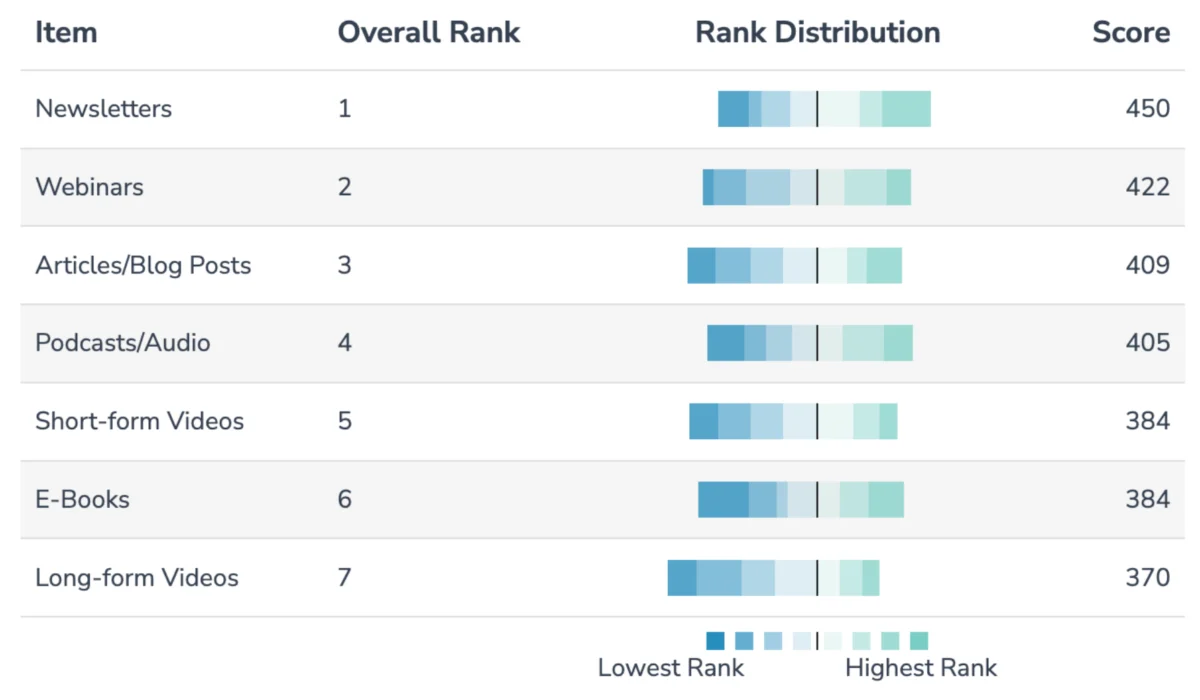
In the modern digital landscape, the paradox of choice has become the primary adversary of the marketing executive. Every morning, the average CMO or marketing lead is greeted by a deluge of industry reports, LinkedIn thought leadership, algorithm-driven podcasts, and urgent "must-read" whitepapers. Yet, despite this infinite stream of information, there is a growing consensus among top-tier strategists: marketing leaders do not need more content—they need better filters.
The recent rebranding of Convince & Convert’s flagship publication from ON to The Trendline serves as a high-profile case study in this shifting paradigm. It highlights a critical realization that has been brewing in the C-suite for years: in an age of AI-generated saturation, the most valuable commodity is not the creation of content, but the editorial authority to synthesize it.
The State of the Industry: The Death of the "Link Farm"
For the better part of a decade, the standard operating procedure for brand newsletters was the "link list"—a collection of headlines and summaries designed to drive traffic back to a corporate blog or a third-party podcast. While this model was functional in the early 2010s, it has reached a point of diminishing returns.
As content mediums have matured, the threshold for audience engagement has risen significantly. What once passed for a "valuable" newsletter—a repository of links—is now increasingly viewed as digital clutter. Today’s marketing leaders, burdened by high-stakes decision-making and rapid industry volatility, are no longer looking for mere updates. They are looking for context. They require "debriefs" that explain not just what happened, but why it matters and how it should influence their strategic roadmap.
Supporting Data: Why Newsletters Still Reign Supreme
The strategic pivot undertaken by industry leaders is not based on conjecture; it is rooted in empirical audience research. In an annual survey conducted by Convince & Convert, marketing leaders were asked to rank their preferred formats for consuming trends and insights. The results were decisive: newsletters ranked significantly higher than short-form video, webinars, blogs, and podcasts.
When asked to rank seven distinct content formats from one to seven, respondents were nearly twice as likely to place newsletters in the top spot compared to any other medium. This data suggests that while the format of the newsletter is traditional, its utility in the current climate is unparalleled.

The primary driver for this preference is "low-friction intelligence." Marketing leaders are time-poor. They crave a format that does the "heavy lifting" for them—synthesizing complex, fragmented industry news into a cohesive narrative that they can digest in minutes. This is the difference between being informed and being overwhelmed.
The Evolution of "The Trendline": A Case Study in Strategic Rebranding
The transition from the previous ON newsletter to The Trendline was not merely a cosmetic change or a marketing gimmick. It was a fundamental restructuring of content delivery based on the realization that the old model was failing to meet the sophisticated needs of its audience.
Chronology of the Shift
- The Discovery Phase: Through annual audience surveys and direct feedback loops, the editorial team identified that their audience was struggling to find "strategic value" in existing newsletters.
- The Audit: The team reviewed their historical content output and recognized that their reliance on a "medium-first" structure (listing blog posts, then podcasts, then research) was forcing the reader to do too much cognitive labor.
- The Redesign: A new editorial hierarchy was established. The goal was to provide value upfront, ensuring that readers could derive strategic insights without feeling the immediate pressure to "click through" to access the full story.
- The Launch: The Trendline was introduced, focusing on a "debrief" style format that prioritizes the editorial lens of the team over the mere aggregation of links.
Official Strategic Philosophy: "Value Upfront"
According to industry analysts, the success of this new model hinges on a "value upfront" philosophy. In the context of The Trendline, this means that the newsletter itself acts as the primary source of insight. By framing every piece of information through a strategic lens—asking what questions a CMO should be asking or how a specific trend will impact quarterly KPIs—the brand moves from being a news aggregator to a trusted advisor.
"Marketing leaders don’t need more content in their inboxes," one lead strategist noted. "They need to be entertained, inspired, and, most importantly, made to feel smarter."
This transition also addresses the "click-fatigue" that plagues modern email marketing. By providing substantive, actionable takeaways within the email body, the newsletter builds long-term authority. The reader develops a habit of trust, knowing that the time invested in opening the email will yield a return in the form of improved strategic clarity.
Structural Innovations and Execution
To ensure the new format remains sustainable and effective, the editorial team implemented a set of strict guidelines for content inclusion. These guidelines are designed to keep the newsletter compact while maximizing its intellectual density.

The New Hierarchy
- Topical Debriefs: Each section is organized by relevance rather than medium, allowing readers to jump to the topics most pertinent to their current business challenges.
- The "Strategic Lens": Every story is accompanied by a synthesis of why it matters to a marketing leader, effectively cutting out the "noise" of raw data.
- Interactive Engagement (Sound Off): The inclusion of a poll at the end of each edition serves two purposes: it provides immediate, low-barrier engagement from the audience and offers the editorial team a clean, granular metric to measure sentiment, which is far more reliable than standard open or click-through rates.
Implications for Modern Email Marketing
The shift toward The Trendline provides a blueprint for any brand looking to survive in a crowded attention economy. The implications are clear: the era of the "link-dump" is effectively over. For organizations to maintain a connection with their audience, they must treat their newsletter as a standalone product, not just a distribution channel for other content.
Key Takeaways for Marketing Leaders:
- Prioritize Audience Research: Before changing a content strategy, audit your audience’s pain points. Ask them what they are not getting from your current communications.
- Deliver Value Upfront: If a reader has to click three times to find out why a topic is important, they will eventually stop clicking. Summarize the strategic "why" within the email.
- Focus on "Ownable" Metrics: Move beyond vanity metrics like open rates. Use polls, reader replies, and direct feedback to gauge the actual value you are providing.
- Consistency is the New Currency: By creating a predictable, high-value format, you are building a habit. When a reader knows they will walk away from your newsletter feeling smarter, they will prioritize your email over the hundreds of others in their inbox.
Conclusion: The Future of Curated Authority
The pivot to a more focused, insight-driven newsletter format represents a broader maturation of the digital marketing industry. As technology continues to lower the barrier for content creation, the value of human curation—of the "filter"—will only increase.
Marketing leaders are increasingly protective of their cognitive bandwidth. They are filtering out the noise and gravitating toward resources that offer brevity, insight, and strategic foresight. By evolving from a content factory to an editorial authority, brands like Convince & Convert are proving that in the digital age, the most effective marketing is often the kind that helps your audience think, learn, and succeed, all without asking for a click.
In the final analysis, the successful newsletter of the future will be defined not by the volume of links it provides, but by the clarity of the perspective it offers. As we look toward the next era of professional communication, the message is clear: curate to lead, or risk being filtered out entirely.


 Siti Muinah
 Ali Ikhwan
 Jia Lissa
 Basiran
 Sagoh
Sagoh

 Lina Hope