 Rifan Muazin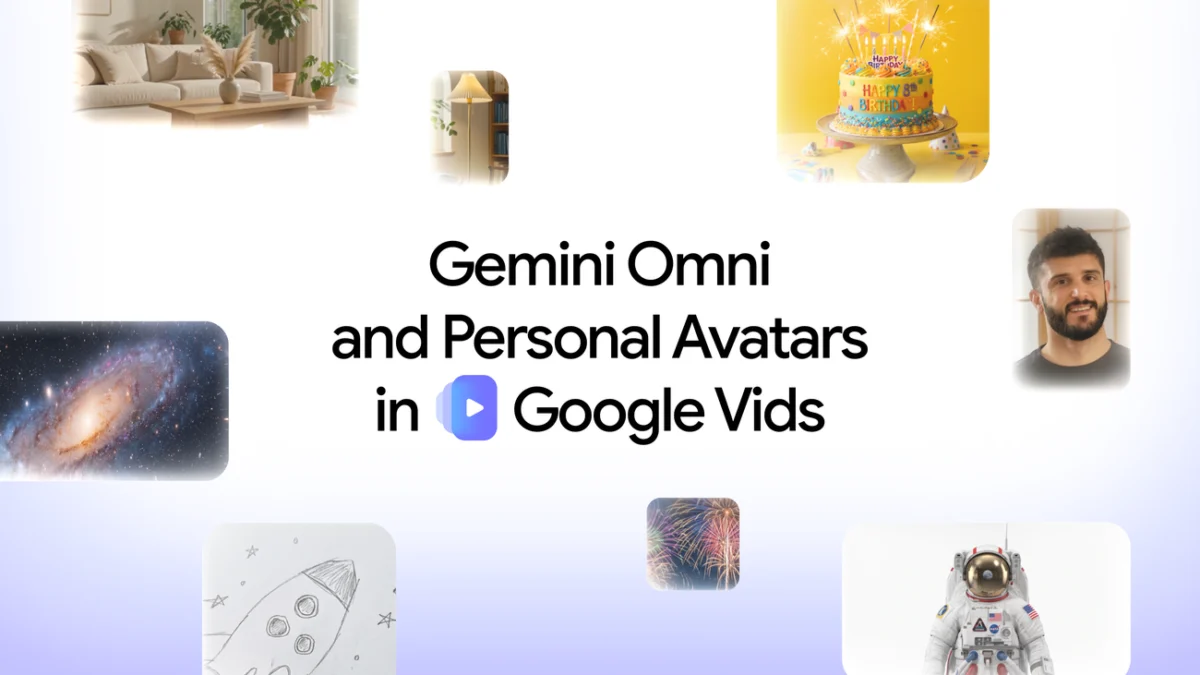
In a significant expansion of its generative AI capabilities, Google has announced two transformative updates to its video-creation platform, Google Vids: the integration of Gemini Omni and the launch of AI-powered personal avatars. These tools are designed to democratize high-end video production, enabling users to generate, edit, and star in professional-quality content using nothing more than natural language and simple digital assets.
As the demand for short-form, high-quality video content continues to explode across professional and creative sectors, Google’s latest move positions Google Vids not merely as an editing tool, but as a full-scale AI production studio. By lowering the barrier to entry, these updates aim to transition the medium of video from a complex, technical endeavor to an intuitive, conversational process.
The Evolution of Google Vids: A Chronology of Innovation
To understand the magnitude of the current announcement, it is necessary to examine the rapid development cycle of Google Vids. Since its inception, the platform has sought to bridge the gap between complex non-linear editing software and the need for quick, effective business communication.
- Initial Launch: Google introduced Vids as a streamlined, collaborative workspace, focusing on the needs of teams needing to create internal communications, training modules, and marketing pitches.
- The Veo 3.1 Milestone: In February, Google integrated Veo 3.1, marking the company’s first major foray into allowing users to generate video clips from text prompts directly within the application. This set the stage for a shift toward "generative-first" video creation.
- The Gemini Omni Integration: The current rollout represents the next logical step in this trajectory. By integrating the multimodal capabilities of Gemini Omni, the platform can now understand and manipulate video elements with a level of nuance previously reserved for high-end post-production suites.
- The Personal Avatar Rollout: The final component of this update, the personal avatar, moves the technology from the purely generative to the personal. It addresses the "camera-readiness" friction point, allowing creators to produce high-quality presenter-led content on demand.
Understanding the Technology: Gemini Omni and AI Editing
At the heart of these updates is Gemini Omni, a multimodal model that significantly improves the platform’s ability to interpret complex user intent. Unlike previous generations of AI tools that required specific, rigid syntax, Gemini Omni functions through conversational interaction.
Text-to-Video and Image-to-Video Synthesis
With Gemini Omni, users can input a text description of a scene—for example, "a professional team meeting in a sunlit modern office"—and the model will synthesize a high-fidelity video clip. The power of the update lies in its multimodal nature: users can now upload a "reference image," such as a rough storyboard sketch or a brand-specific color palette, and the model will align the video generation to match those specific visual markers. This allows for a level of brand consistency that was previously impossible in automated video generation.
Conversational Editing: The "Chat-to-Edit" Paradigm
Perhaps the most impactful feature for productivity is the new "Chat-to-Edit" functionality. Traditionally, editing a video involves scrubbing through timelines, adjusting layers, and tweaking color grades. With this update, editing becomes a linguistic task. A user can simply prompt the system: "Make the lighting warmer," "Replace the background with a blurred urban cityscape," or "Add a subtle fade-in effect to this clip." Gemini Omni processes these requests in real-time, effectively functioning as a virtual editor that executes commands as quickly as they are typed.
Personal Avatars: The "Camera-Ready" Solution
One of the most persistent hurdles in corporate communication is the time and equipment required to record high-quality video updates. Whether it is an executive message or a training video, the "set-up" phase often takes longer than the content creation itself.
Google’s introduction of personal avatars seeks to eliminate this friction. By uploading a single selfie and a short voice recording, users can create a digital replica of themselves. Once the avatar is generated, the user simply types the script, and the avatar delivers the message with natural facial expressions and synchronized lip movements.
This technology is not just about convenience; it is about scale. It allows a single manager to send personalized video messages to hundreds of employees without having to record hundreds of individual takes. It enables the rapid updating of training materials as policies change, without the need to re-book a studio or hire a production crew.

Supporting Data and User Implications
While the creative possibilities are vast, the introduction of such powerful tools brings forth significant questions regarding data security and authenticity.
Accessibility and Subscription Models
Google has restricted access to these high-powered tools to Google AI Pro and Ultra subscribers, as well as Google Workspace business customers. This strategic move ensures that the technology remains within controlled environments, particularly for businesses that require robust data governance. Furthermore, the personal avatar feature is currently subject to age restrictions (18+) and strict geographic availability, reflecting a cautious approach to the deployment of deepfake-adjacent technology.
The Role of SynthID and Transparency
Recognizing the risks associated with AI-generated media, Google has implemented an invisible digital watermark through its SynthID technology on every clip generated by the platform. This watermark is embedded into the digital fabric of the video, allowing for automated detection of AI-generated content. This move is a critical response to the global discourse surrounding misinformation and the erosion of digital trust. By baking transparency into the workflow, Google is attempting to set a standard for "responsible AI" in the enterprise sector.
Official Responses and Strategic Outlook
Justin Luk, Product Manager at Google, emphasized that the goal of these updates is to "take the hard work out of the editing process." In his view, the shift is away from software mastery and toward creative vision. "We want users to focus on the story they are telling, rather than the mechanics of how to build the scene," Luk noted during the rollout.
Industry analysts observe that this move is part of a larger trend of "platform-based intelligence." By keeping the entire workflow—ideation, generation, editing, and distribution—within the Google ecosystem, the company is creating a "walled garden" that is highly attractive to enterprise clients who are already heavily invested in Google Workspace.
The Broader Implications for Industry
The integration of Gemini Omni and personal avatars into a widely used productivity tool like Google Vids signals a paradigm shift for several sectors:
- Corporate Communications: The era of the "all-hands" video update is being revolutionized. Communication departments can now iterate on messaging with agility, ensuring that updates are timely and visually engaging.
- Learning and Development (L&D): Training modules can now be localized and updated with ease. The ability to swap scripts and have an avatar "present" the information in multiple languages or contexts is a game-changer for global organizations.
- Marketing and Advertising: Small businesses and agencies can now produce "high-concept" video assets that previously required significant budgets for filming and post-production.
- Digital Literacy and Ethics: As these tools become standard, the importance of "digital provenance" will grow. The inclusion of SynthID is likely just the beginning of a broader industry push toward verifying the origin of all digital media.
Conclusion: A New Frontier of Creativity
Google’s latest updates to Vids are not just about adding features; they represent a fundamental reimagining of what it means to be a "creator" in the digital age. By leveraging Gemini Omni, Google has effectively moved the "editing room" into the user’s mind—allowing for the translation of thought into high-fidelity visual media.
However, the power of these tools brings the inevitable responsibility of ethical deployment. As society navigates the complexities of AI, features like the invisible watermark and strict account-linked avatar usage serve as a foundation for safe adoption. As these tools continue to evolve, the distinction between "filmed" and "generated" content will continue to blur, placing a premium on the one thing AI cannot easily replicate: the authentic human intent behind the story.
For now, Google Vids stands at the vanguard of this transition, inviting users to step away from the keyboard, talk to their software, and watch their visions come to life.


 Azzam Bilal Chamdy
 Layla Zulfa
 Asro
Asro
 Laily UPN
 Iffa Jayyana
 Raul Delapena Setiawan
 Siti Muinah