
 Ammar Sabilarrohman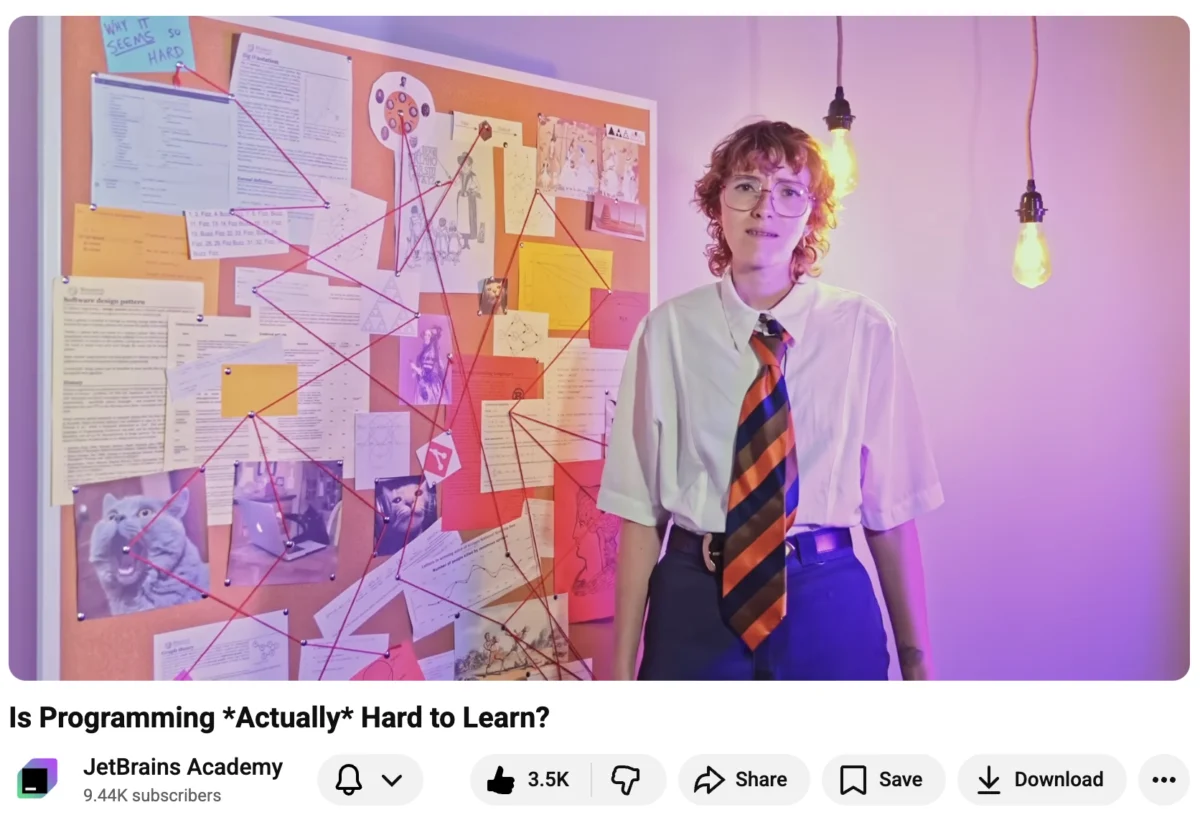
In an era defined by the relentless pursuit of optimization—where "maxxing" has become a cultural suffix for everything from sleep and looks to tokens and fun—a new, counterintuitive philosophy is emerging from the depths of internet discourse: "Friction-maxxing."
Popularized by sociologist Kathryn Jezer-Morton, the term serves as a direct rebuke to our hyper-convenient, algorithmically smoothed lives. It posits a radical, if uncomfortable, truth: the frictionless life is a stagnant one. For students of computer science and aspiring software engineers, this concept is more than just a social media trend; it is a critical pedagogical framework. As we navigate a landscape dominated by AI-assisted coding tools and "instant" educational solutions, the ability to embrace friction—and the failure that inevitably accompanies it—may be the single most important skill for long-term intellectual survival.
The Smooth-Maxxing Trap: Education in the Era of Automation
For decades, the educational sector has been locked in a race to remove barriers. From intuitive UI/UX in learning management systems to AI tutors that explain, debug, and write code on command, the goal has been to make learning "easier." While accessibility is a noble pursuit, we have reached a point where the learning experience is often conflated with the learning outcome.
As Clara Maine, a technical content creator for JetBrains Academy, notes, we are currently "smooth-maxxing" our way toward an intellectual dead end. When an AI tool provides the answer before a student has grappled with the problem, it creates a deceptive sense of mastery. The student feels they have learned because they have seen the solution, but their brain has done none of the heavy lifting required to internalize the logic. This "head-empty" learning experience leaves students ill-equipped for the realities of the professional software market, where code is rarely generated by magic and problems are almost never straightforward.

Chronology of a Learning Crisis
The trajectory of this crisis can be traced through several distinct phases of modern technical education:
- The Early 2000s (The Era of Documentation): Learning to code required deep, sustained engagement with physical books, forums, and manual trial-and-error. The "friction" was high, but it forced a methodical approach to problem-solving.
- The 2010s (The Era of Efficiency): The rise of massive open online courses (MOOCs) and interactive coding platforms promised to lower the barrier to entry. While this democratized access to information, it also began the shift toward passive consumption—hoarding certificates instead of building deep competency.
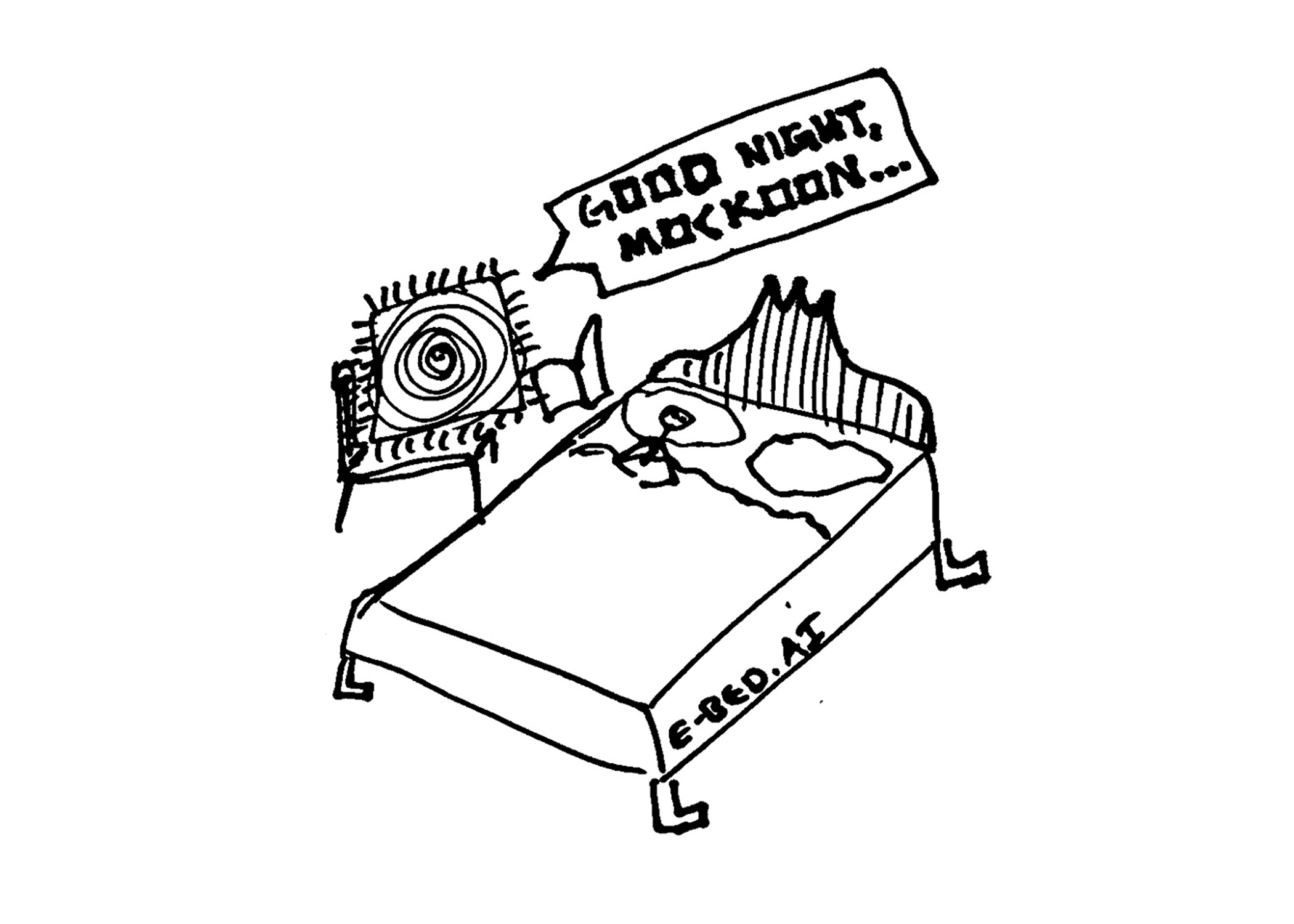
- The 2020s (The Era of AI Integration): With the advent of Large Language Models (LLMs), the barrier to coding has effectively vanished. Students can now generate functional code snippets with simple natural language prompts. This is the "final form" of smooth-maxxing, where the struggle—the very mechanism of learning—is removed entirely.
Supporting Data: Why "Hard Things" Work
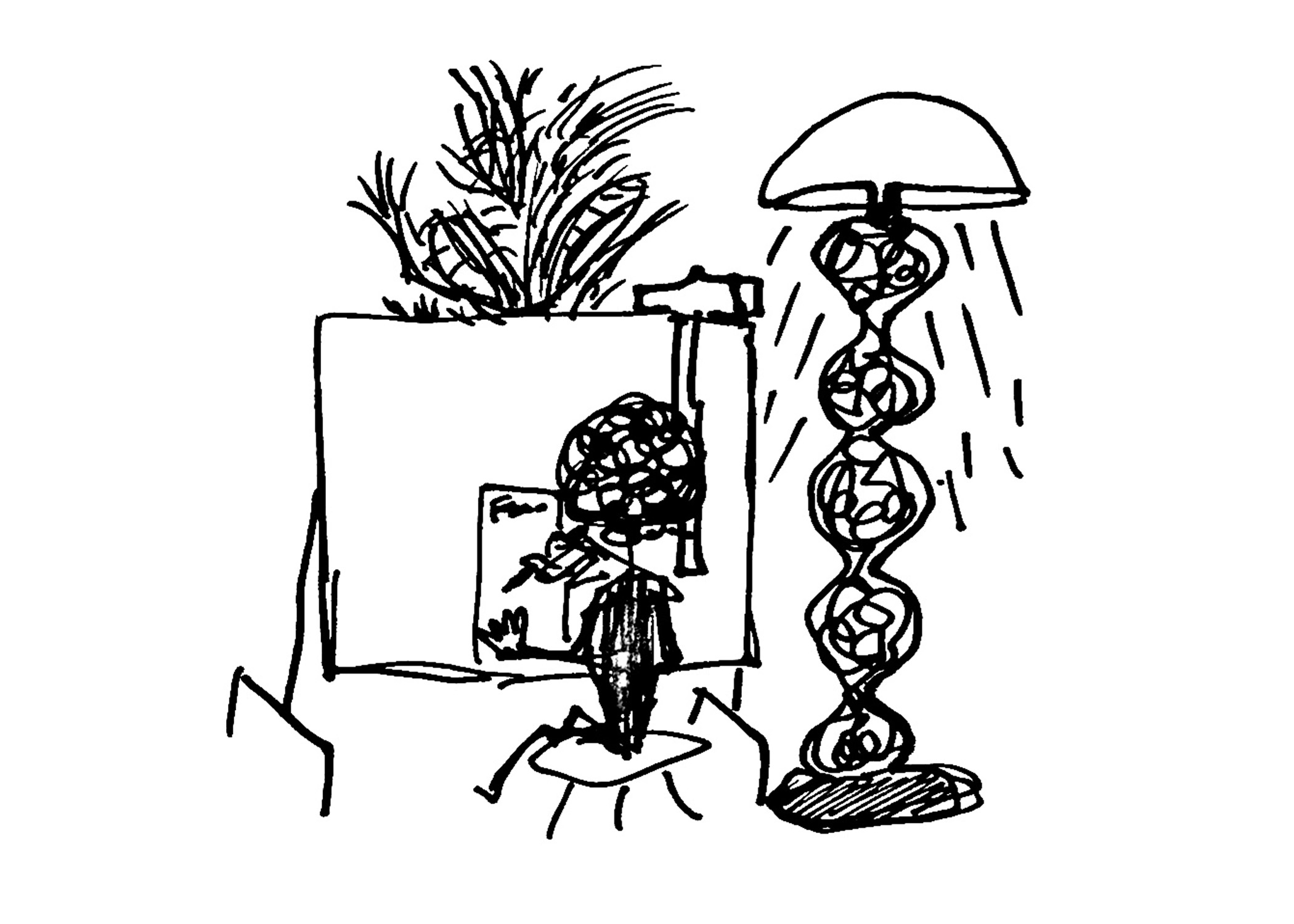
Research into neuroplasticity suggests that our brains are not designed to learn through passive observation alone. The learning process requires the active engagement of the brain’s hormonal systems—specifically, the regulation of dopamine, noradrenaline, and serotonin.
The Biology of Effort
When a student encounters a difficult programming bug, the frustration they feel is not just an emotional inconvenience; it is a physiological trigger. This state of "productive failure" signals to the brain that the current mental model is insufficient. It is this specific state of discomfort that primes the brain to encode new information more effectively.
Academic studies, such as those cited by the Association for Computing Machinery (ACM), consistently show that introductory computer science courses suffer from some of the highest attrition rates in STEM. Historically, this has been blamed on the perceived "difficulty" of the material. However, current research suggests it is a failure of support systems. We are not teaching students how to manage the "bad feelings" associated with failure. When a student fails early and often without a framework to understand that this failure is part of the process, their self-esteem collapses, leading them to abandon the field entirely.

Implications for the Future of Work
The rise of AI-assisted programming does not mean that human expertise is obsolete; rather, it means that the nature of expertise is shifting. If AI can handle the "grunt work" of syntax and basic implementation, the value of the human engineer shifts toward high-level architectural thinking, complex problem-solving, and the ability to verify and debug AI-generated outputs.
This requires "spec-driven development"—the ability to clearly define requirements and logic for an AI agent. To do this effectively, a developer must have a profound understanding of what is happening "under the hood." Without the friction of having learned to code the hard way, an engineer cannot effectively supervise the machine. They become a user of technology rather than a master of it.
The Path Forward: Self-Regulation as a Skill
To navigate this, educational institutions and individual learners must pivot. The solution is not to reject AI, but to integrate it with intentional, high-friction learning practices.
1. Embracing Productive Failure
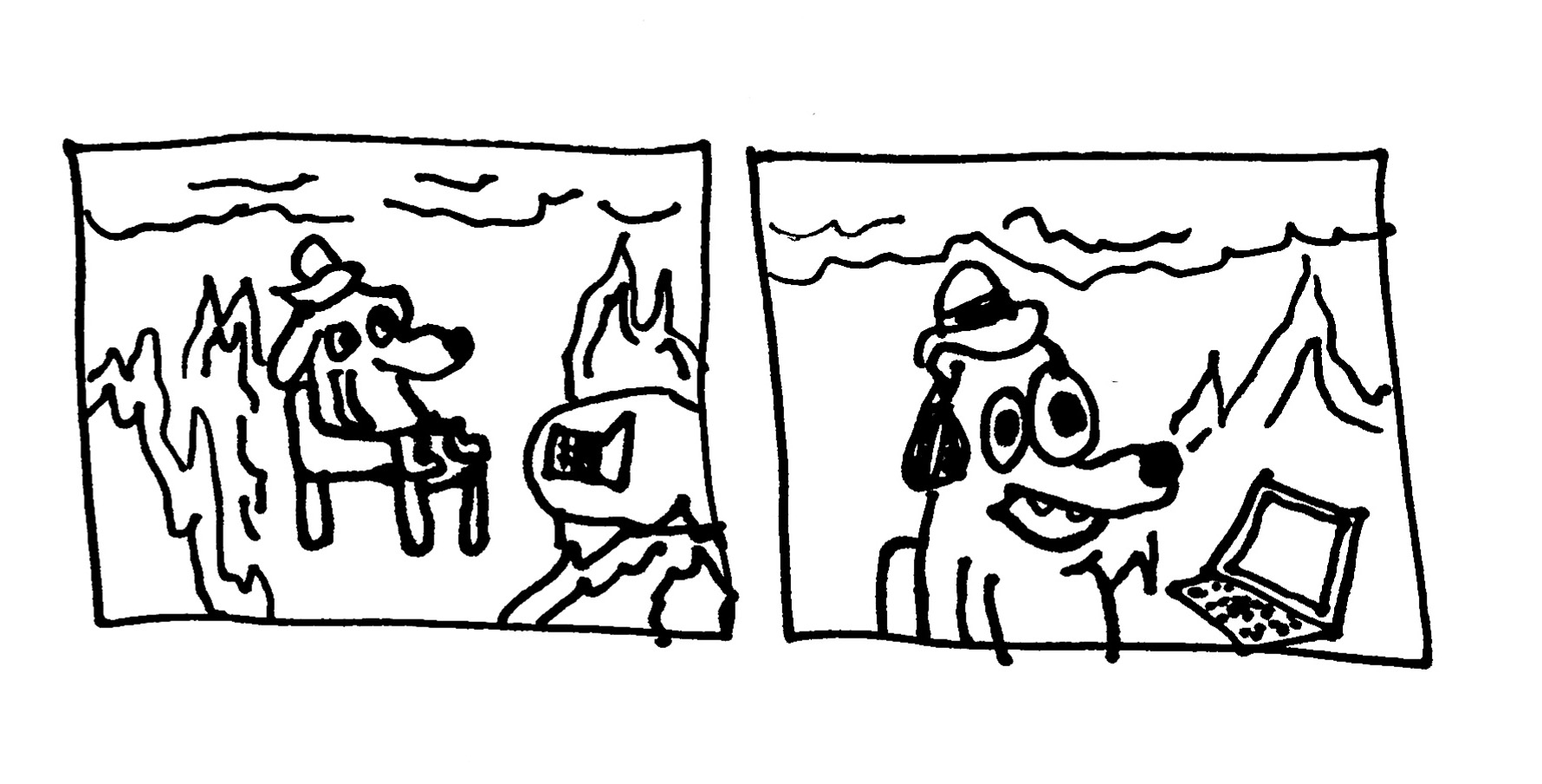
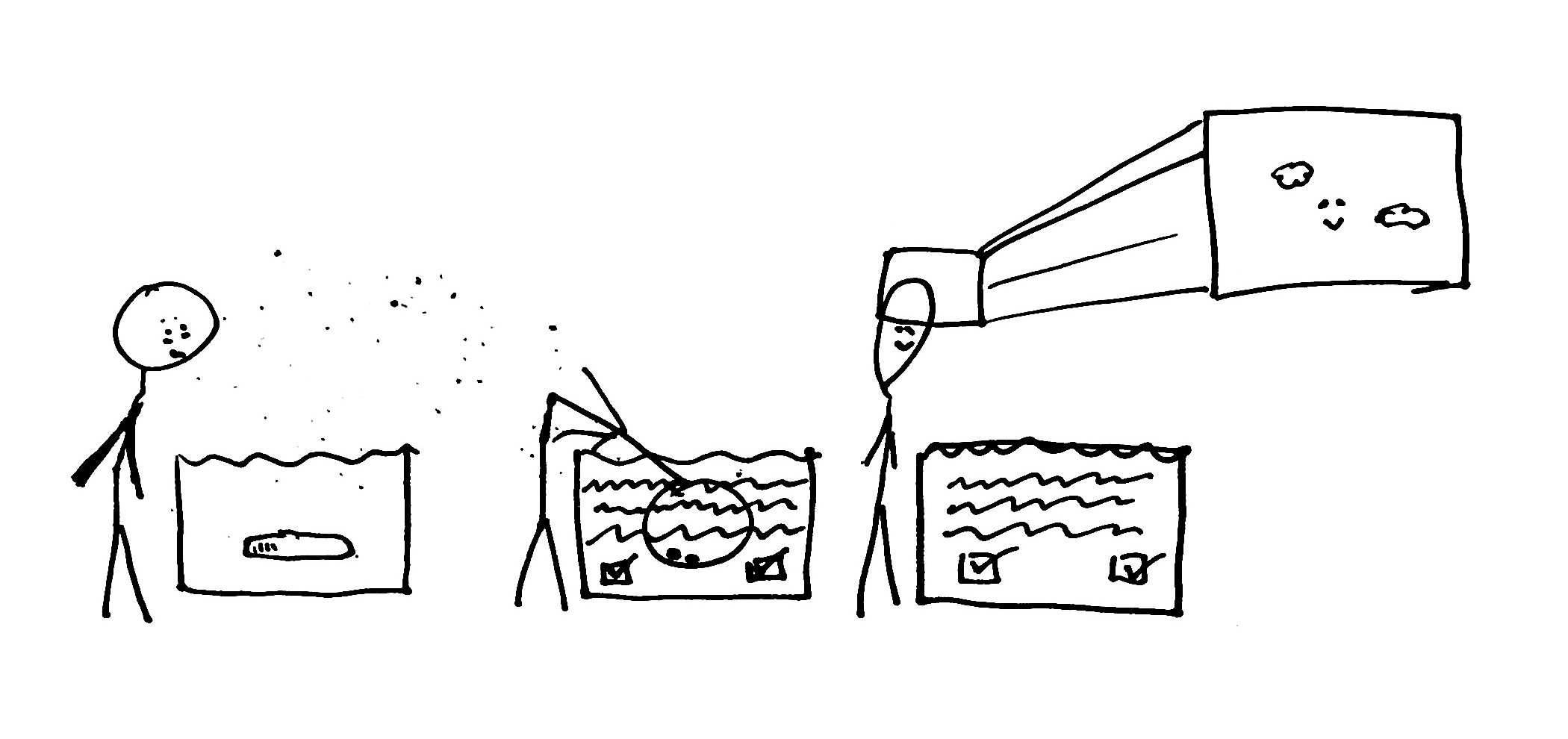
Students should be encouraged to attempt solutions without AI assistance for a set period. This "protected time" allows the brain to build the neural pathways necessary for computational thinking. Debugging, while often compared to "eating rocks," must be rebranded as the cornerstone of technical maturity.
2. Teaching Self-Regulation
Education must move beyond just technical syntax. We need to explicitly teach students how to regulate their emotional response to failure. Resources like the "Student’s Guide to Learning from Failure" provide evidence-based strategies for maintaining composure during the learning process.
3. The Power of "Not Doing"
Integration requires downtime. The most productive friction is often found in the space between learning sessions, where the brain consolidates new information. Constant, non-stop input prevents the "soaking" phase necessary for true mastery.
Official Perspectives: The Institutional Shift
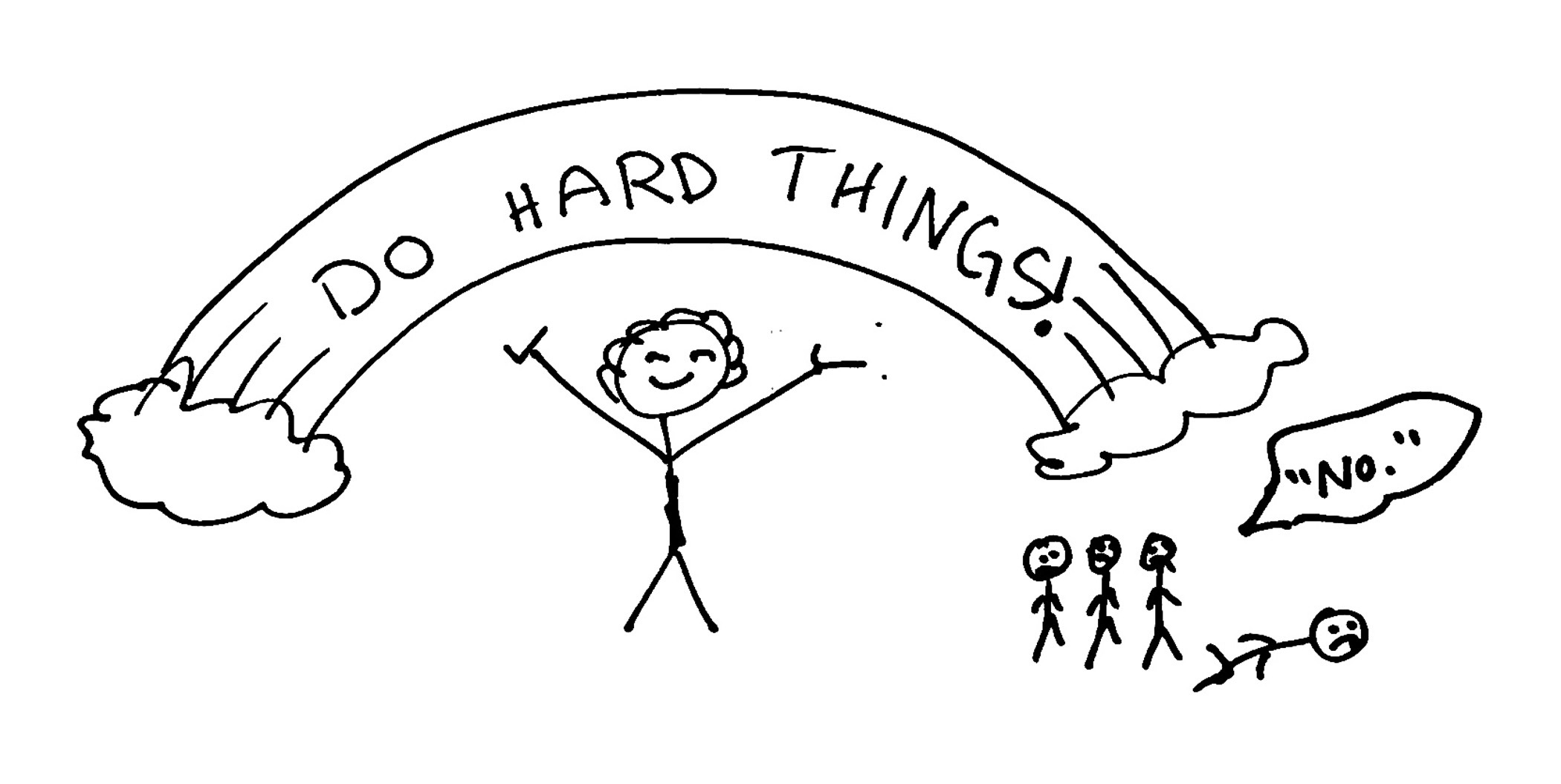
The consensus among modern educators is shifting. As JetBrains Academy and other leaders in the field have observed, the "culture of ease" has reached its limits. While the industry continues to provide tools that make coding more accessible, there is a renewed emphasis on "doing hard things."
The goal is to cultivate a generation of engineers who are "friction-literate"—capable of distinguishing between the frustration that leads to growth and the frustration that leads to burnout. By consciously choosing to engage with the difficult, the abstract, and the manual, learners can ensure that they remain relevant in a world that is increasingly automated.
Conclusion: The New Definition of Mastery
"Friction-maxxing" is, at its heart, an act of rebellion against the commodification of knowledge. It is a reminder that while information is cheap, understanding is expensive. It requires time, effort, and the courage to fail.
As we look toward the future of software development, the most successful individuals will not be those who have optimized their learning to be the fastest or the smoothest. They will be those who have built the resilience to seek out the hard problems, the patience to sit with their failures, and the intellectual rigor to understand the machine from the inside out. In the age of AI, the ultimate luxury is not convenience—it is the capacity for deep, deliberate thought.

 Jia Lissa
 Nila Kartika Wati
 Raul Delapena Setiawan
 Reynand Wu
 Sagoh
Sagoh

 Azzam Bilal Chamdy
 Ali Ikhwan