
 Nana Wu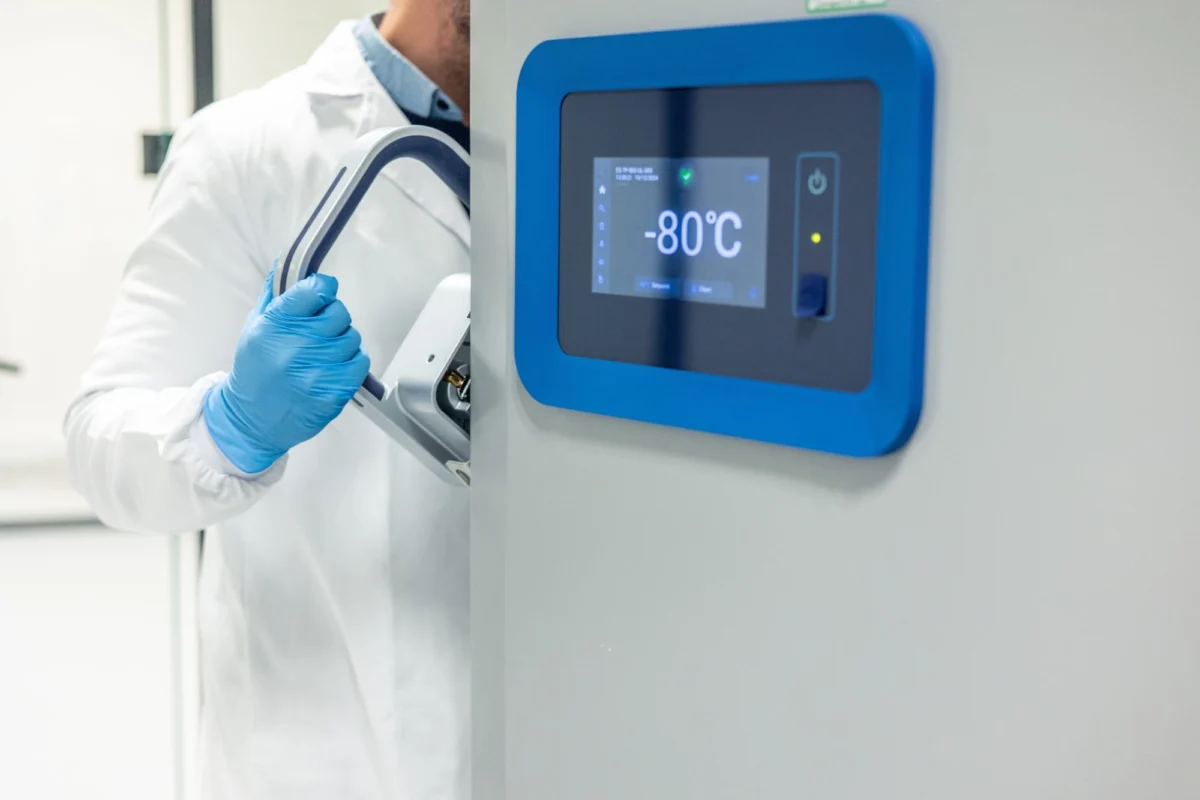
In the high-stakes world of pharmaceutical research and biological innovation, laboratories are the engines of progress. However, they are also hidden, voracious consumers of electricity. A recent industry-wide movement—centered on the seemingly mundane task of managing ultra-low temperature (ULT) freezers—has demonstrated that the most effective path to carbon reduction is often found not in complex new technologies, but in smarter operational habits.
The 2026 Freezer Challenge, organized by the non-profit My Green Lab, has emerged as a beacon for how gamification can motivate global corporations to tackle the climate crisis from the inside out. By turning energy efficiency into a competitive sport, AstraZeneca, Amgen, and hundreds of other organizations have achieved what was previously thought to be an impossible operational hurdle: saving nearly 30 gigawatt hours (GWh) of energy in a single campaign.
The Magnitude of the Problem: Why Freezers Matter
To the uninitiated, the humble laboratory freezer may seem like a standard piece of equipment. However, James Connelly, CEO of My Green Lab, describes these units as “pretty significant energy hogs.”
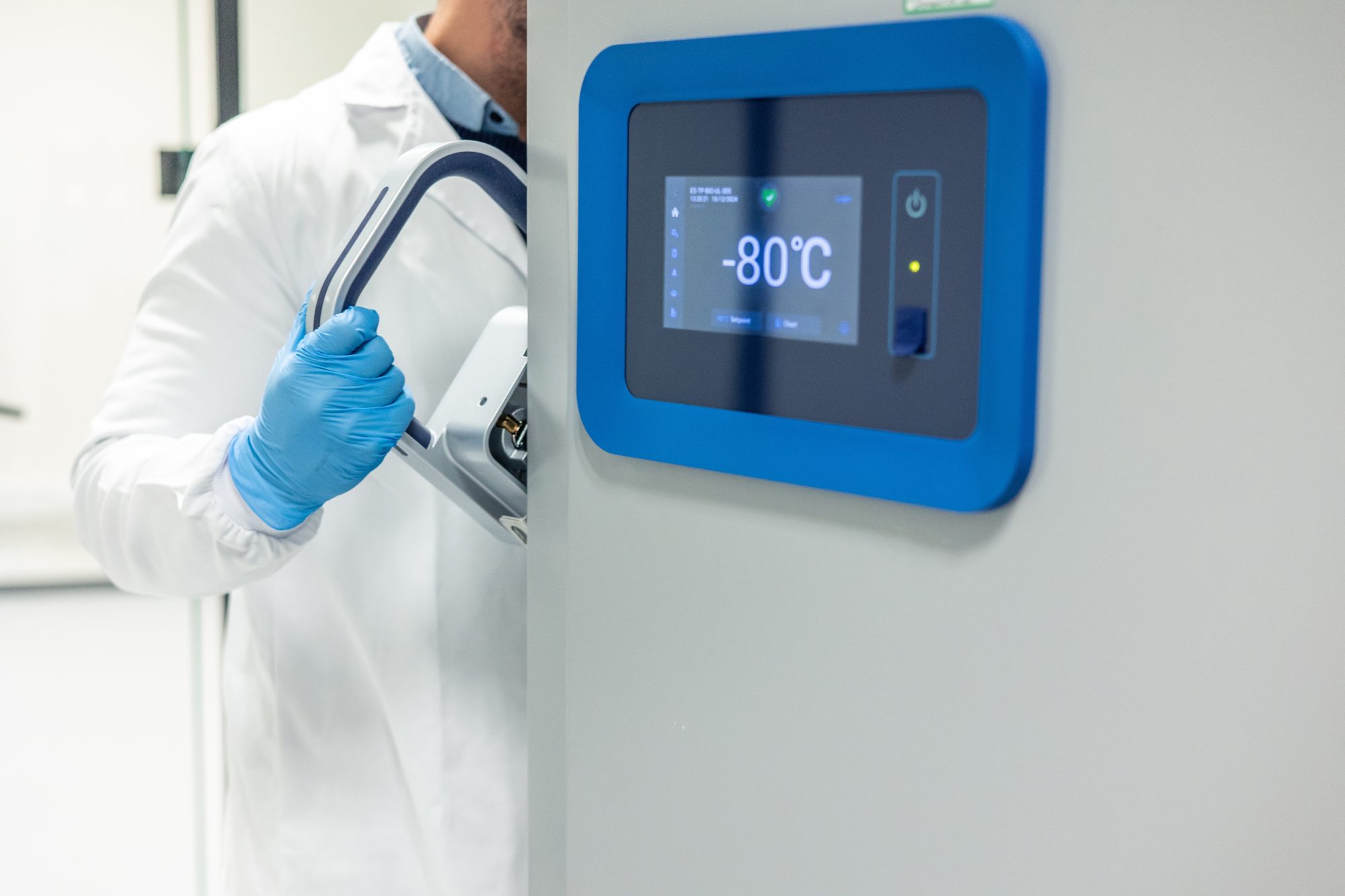
A single ultra-low temperature freezer, typically maintained at -80 degrees Celsius to preserve delicate biological samples, consumes as much electricity annually as two average American households. Across the global life sciences industry, tens of thousands of these units run 24/7, creating a massive, often overlooked carbon footprint.
The strategy promoted by the Freezer Challenge is deceptively simple: “The International Freezer Challenge” advocates for the "minus 70" standard. By adjusting freezer temperatures from the industry default of -80°C to -70°C, laboratories can slash energy consumption by 20% to 40% per unit. Extensive testing has proven that for the vast majority of biological samples, this ten-degree shift has zero impact on sample integrity. When combined with routine maintenance—such as clearing ice buildup and ensuring door seals are airtight—the energy savings become staggering.
A Chronological Shift: From Niche Initiative to Global Standard
The Freezer Challenge did not materialize overnight. Its trajectory reflects the broader evolution of corporate sustainability from a fringe "nice-to-have" into a core operational metric.
- 2017: The Inception: My Green Lab launched the first iteration of the Freezer Challenge. At the time, energy efficiency in labs was largely seen as a matter of individual researcher preference rather than corporate policy.
- 2018–2022: Growing Traction: Through a series of pilot programs, the challenge gained support from top-tier academic institutions and the pharmaceutical sector, proving that standardized operational changes could scale across global facility networks.
- 2024: The Digital Transformation: The integration of real-time monitoring software allowed participants to track their daily kilowatt-hour (kWh) savings, providing the data necessary to turn the challenge into a competitive leaderboard.
- 2026: The Landmark Achievement: This year’s competition involved over 4,000 laboratories and 270 organizations. The collective energy savings reached 30 GWh—enough to power thousands of homes for a year and representing a major milestone in industrial energy conservation.
The Winners: A League of Extraordinary Efficiency
The 2026 competition saw a fierce battle for the top spot, highlighting the commitment of industry giants to integrate sustainability into their bottom lines.
Amgen secured the prestigious "Top Organization Award," demonstrating an extraordinary commitment to the initiative by saving an average of 5,314 kWh per day during the first half of 2026. This victory reflects the company’s broader internal sustainability push to modernize its global lab infrastructure.
Not far behind, AstraZeneca claimed the "Winning Streak Award." The U.K.-based pharmaceutical giant, known for its rigorous environmental targets, achieved daily savings of 5,244 kWh. Their repeat performance in the challenge underscores a shift in corporate culture where efficiency is no longer a one-time project but a continuous, institutional habit.
Other sectors made significant inroads as well. Siemens Healthineers proved that the energy-saving model applies just as effectively to healthcare settings, taking the top spot in the hospital category across their operations in Canada, Ireland, and the U.S. Meanwhile, the Institute of Cancer Research in the U.K. dominated the academic section, proving that even resource-constrained research environments can participate in the transition to green science.
Gamification: The Behavioral "Hack" for Sustainability
Why does a competition for freezer temperatures work when traditional mandates often fail? James Connelly identifies "gamification" as the secret ingredient.
"So much of sustainability these days is doom and gloom and compliance," Connelly explains. "Adding the awards and recognition pushes teams to do something that is already in their interest—saving energy and, thus, money—but which they might not otherwise act on."
In the corporate world, sustainability professionals often struggle to capture the attention of the C-suite. By introducing rankings and awards, these professionals can demonstrate tangible performance metrics that boards and executives understand. Even when these awards offer no direct cash prize, the "kudos" factor is a powerful driver of internal prestige.
When a lab team sees their name at the top of a global leaderboard, it creates a sense of ownership and professional pride that a corporate memo simply cannot replicate. It transforms the act of defrosting a freezer from a chore into a contribution toward a global victory.
Supporting Data and Broader Implications
The success of the Freezer Challenge mirrors a larger trend in corporate environmental, social, and governance (ESG) reporting. Organizations are increasingly looking for ways to quantify their impact beyond high-level carbon accounting.
Key Metrics from the 2026 Challenge:
- Total Energy Saved: ~30 GWh.
- Participant Scope: 4,000+ laboratories across 270 organizations.
- Efficiency Shift: Universal adoption of the -70°C standard across participating sites.
- Average Daily Savings: Over 5,000 kWh for top-tier performers.
These figures represent more than just energy savings; they represent a fundamental shift in laboratory culture. By proving that efficiency does not compromise scientific quality, My Green Lab is effectively removing the psychological barriers to sustainable practice.
The Ecosystem of Rankings: Sustainability’s New Currency
The Freezer Challenge is just one piece of a broader, competitive landscape of sustainability rankings. These lists have become the "currency" of the modern ESG era, motivating companies to compete for investor and consumer favor:
- CDP’s Corporate A List: Widely considered the gold standard for environmental transparency, this list forces companies to disclose data on climate change, deforestation, and water security.
- EPA’s Green Power Partnership National Top 100: This list tracks the transition to renewable energy sources, though its long-term future remains a subject of speculation amid shifting political winds in the U.S.
- The Global 100: Published by Corporate Knights, this annual ranking highlights the most sustainable companies in the world, often serving as a primary reference for sustainable investment funds.
The proliferation of these lists suggests that we are moving toward an era of "radical transparency." Companies can no longer hide behind vague sustainability goals. Instead, they are increasingly expected to participate in public benchmarking, proving their performance through measurable, verified data.
Future Outlook: Scaling the Impact
As the success of the 2026 Freezer Challenge becomes evident, the question for the industry is: what comes next?
The model of gamified efficiency is already being applied to other areas of laboratory operations, such as waste management, chemical usage, and sustainable procurement. However, the most significant impact may be the normalization of energy-conscious research. For the next generation of scientists, keeping a freezer at -70°C rather than -80°C will likely be viewed not as an "energy-saving hack," but as the standard, responsible way to operate.
For corporations like AstraZeneca and Amgen, the challenge has provided a blueprint for future ESG initiatives: identify an operational inefficiency, apply a competitive layer, and empower employees to take the lead. By moving sustainability from the boardroom to the laboratory floor, these organizations are proving that the most sustainable companies are those that empower their employees to treat every kilowatt as a resource worth protecting.
In conclusion, the Freezer Challenge is a testament to the power of collective, incremental action. It proves that while the challenges of the climate crisis are vast, the solutions are often waiting in our own facilities—if only we have the creativity to turn them into a game worth winning.

 Dwi Wanna
 Asro
Asro
 Nila Kartika Wati
 Jia Lissa
 Basiran
 Sagoh
Sagoh

 Lina Hope