
 Muslim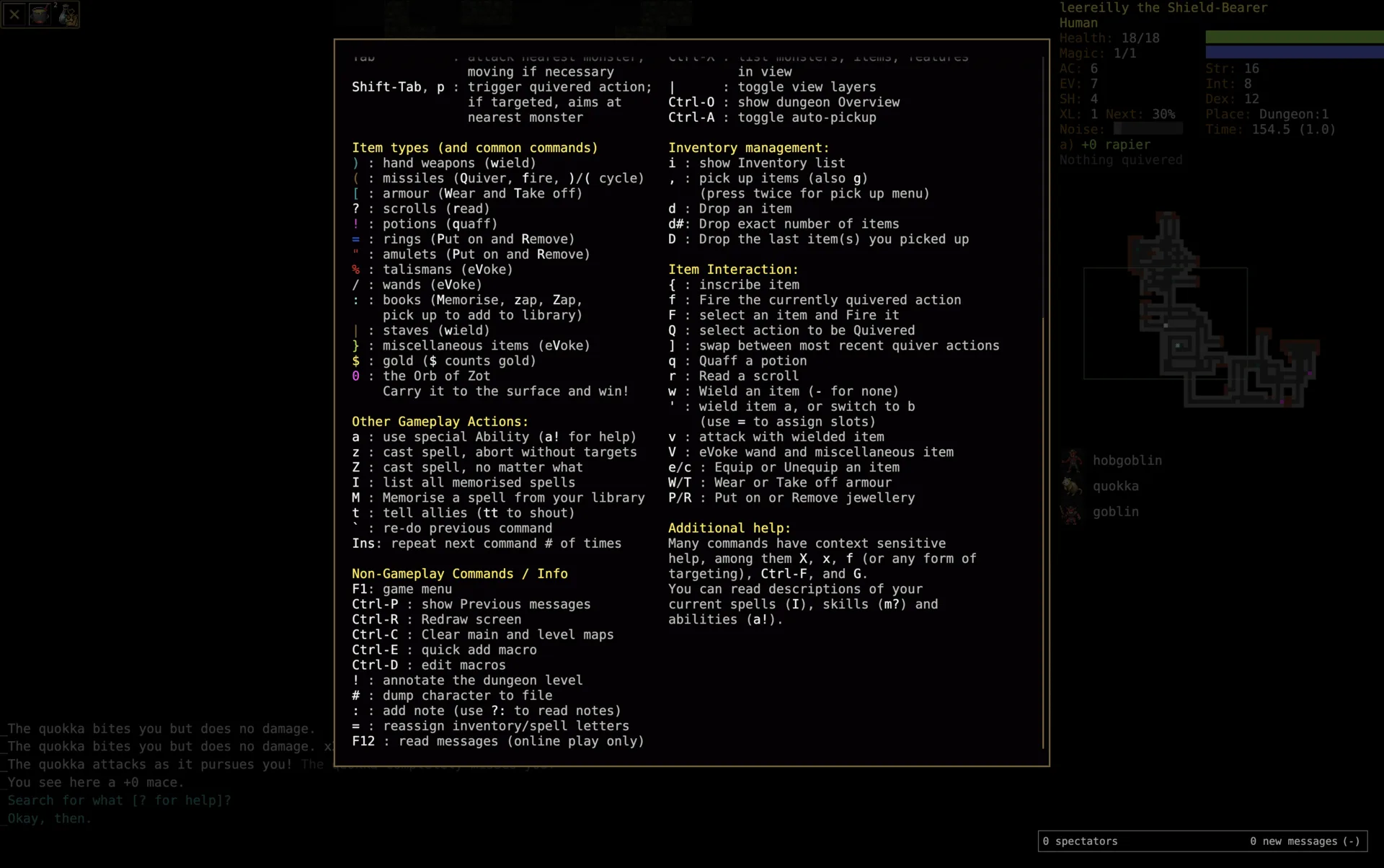
Roguelikes don’t die. They fork, mutate, get argued over, rewritten, abandoned, and revived again. Sometimes, they do all of these things at once. In the landscape of digital entertainment, few genres possess the resilience, the historical depth, or the collaborative tenacity of the roguelike. While modern AAA titles are often treated as static products with finite lifespans, the roguelike is a living, breathing ecosystem that thrives on the open-source philosophy of constant, iterative improvement.

From the early days of character-based terminals in the 1980s to the modern era of GitHub-driven development, the roguelike has remained a beacon of emergent gameplay. It is a genre shaped as much by its player community as by its original architects.
The Chronology of a Genre: From Unix Experiments to Global Communities
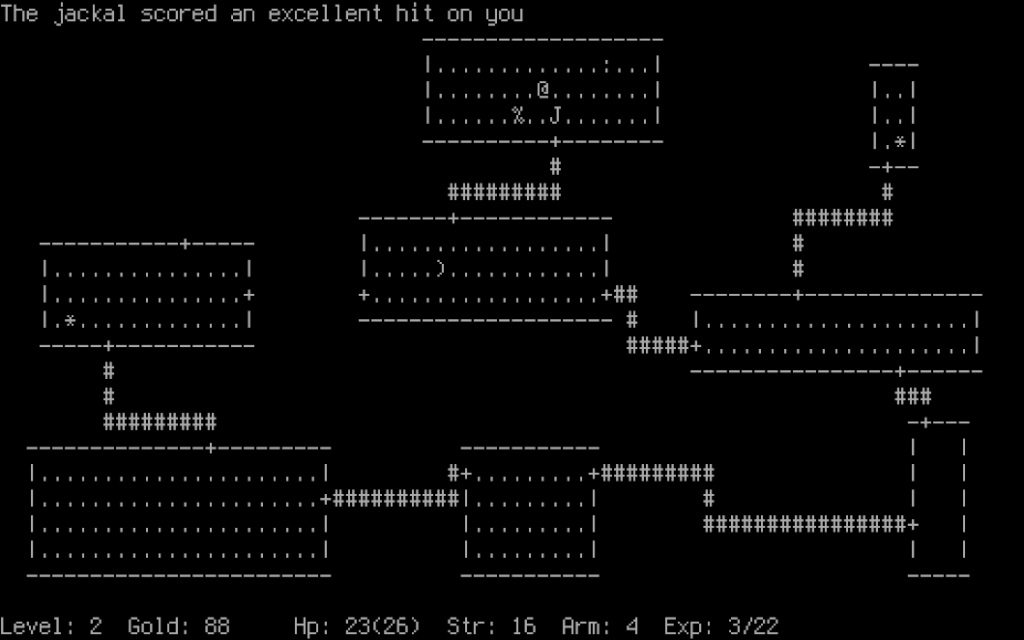
The lineage of the roguelike is a testament to the power of shared code. It began in 1980 with Rogue, a Unix-era experiment that challenged players to navigate procedurally generated dungeons using nothing but ASCII characters. By 1987, the release of NetHack—a heavily modified descendant of the earlier game Hack—solidified the genre’s DNA: permadeath, procedural generation, and high-stakes decision-making.
In the early 1990s, the emergence of Usenet communities like rec.games.roguelike provided the first digital town squares for the genre. Here, developers and players gathered to trade variants, debate the philosophy of game design, and refine the mechanics that would define the genre for decades. This period established the "roguelike" as more than just a game; it became a methodology of development.

This collaborative spirit was ahead of its time. NetHack was developed over networked systems long before the modern internet existed. Angband, another pillar of the genre, required a coordinated, years-long relicensing effort just to transition into a fully open-source project. This trend continues today: Pixel Dungeon, once declared "complete" by its creator, was immediately forked by the community into dozens of new, thriving iterations.
The Mechanics of Persistence: Why Roguelikes Endure
The enduring appeal of the roguelike lies in its "tight loops" and systemic depth. Unlike games that rely on scripted narrative beats, a roguelike creates its own stories through the collision of game rules. When a monster in NetHack uses a camera to blind you, or a creature in Cataclysm: Dark Days Ahead exploits a complex physics simulation to destroy your vehicle, the experience is not scripted—it is emergent.

1. Cataclysm: Dark Days Ahead (CDDA)
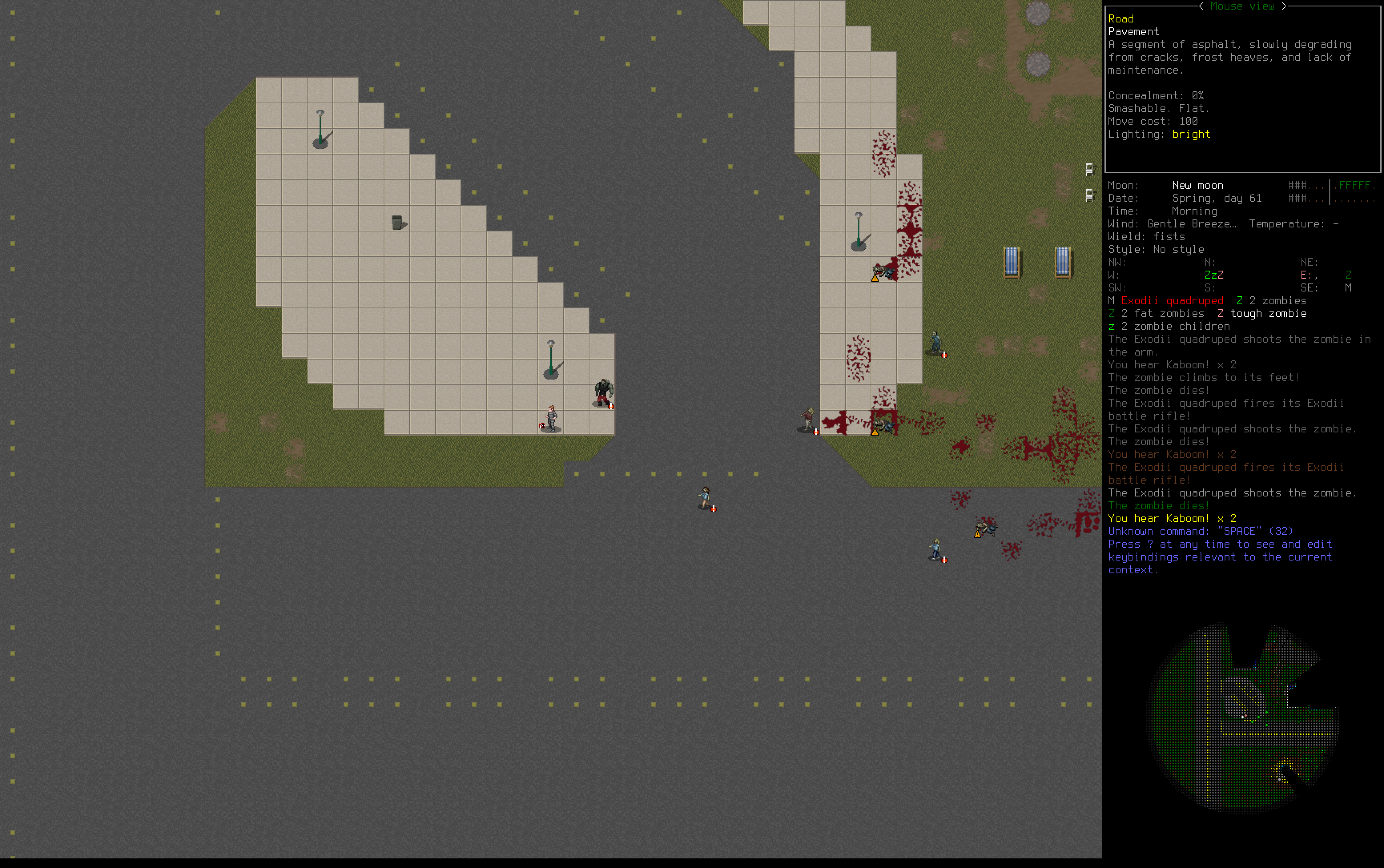
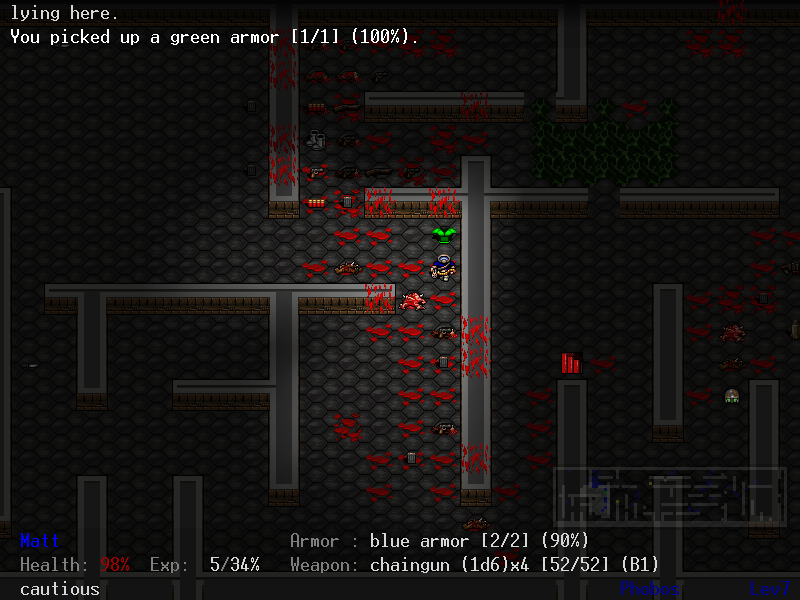
Cataclysm: Dark Days Ahead represents the pinnacle of simulation depth. It drops the player into a post-apocalyptic world where every action—scavenging, crafting, or even simple movement—is subject to a rigorous ruleset. The game is so granular that its community frequently engages in heated debates over real-world physics, nutrition, and crafting logic within the project’s pull requests.
2. NetHack
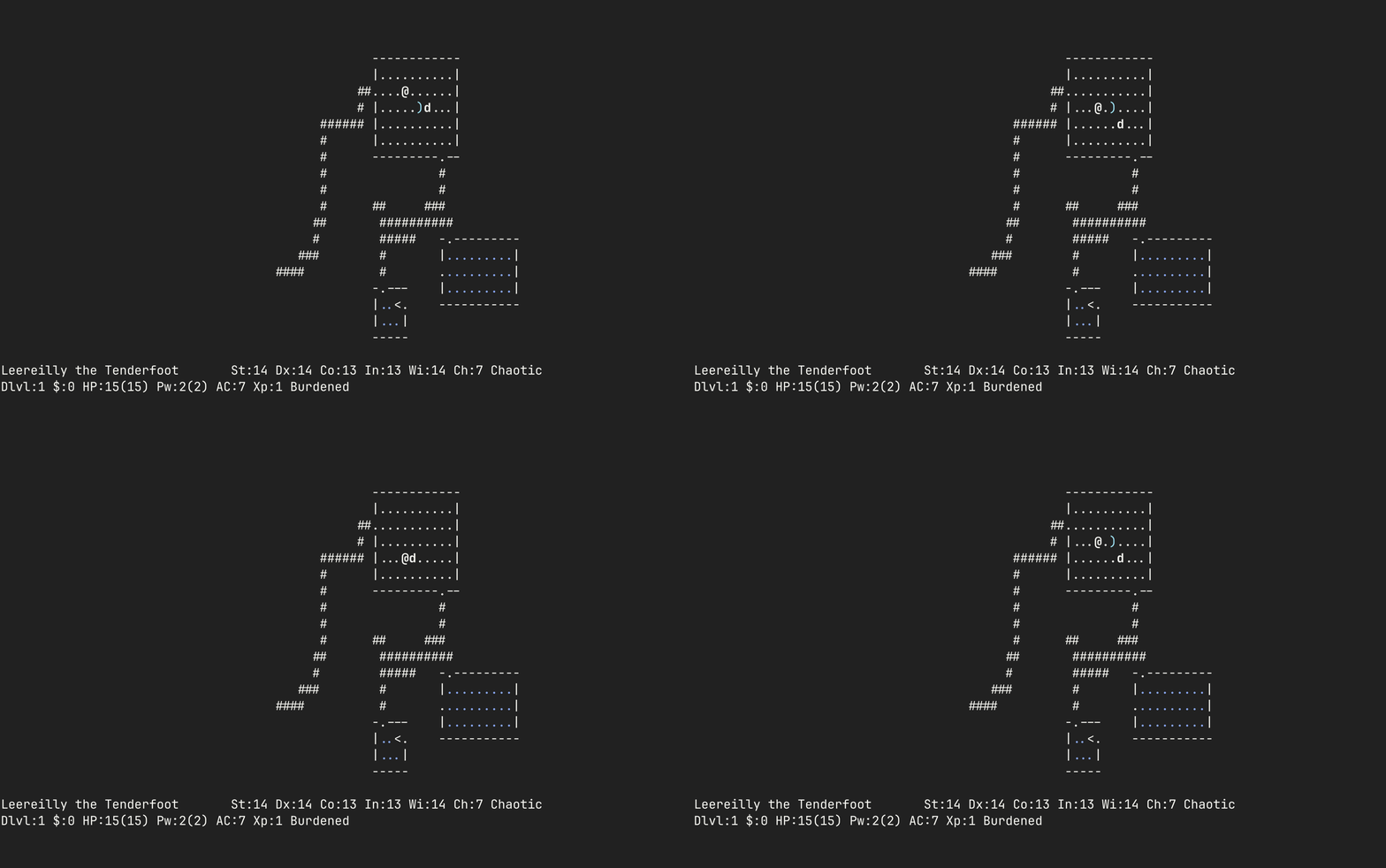
Nearly four decades later, NetHack remains a masterpiece of systemic density. The release of version 5.0.0 serves as a reminder that the dungeon is never truly finished. The release notes alone serve as a masterclass in systemic humor, documenting bizarre interactions that only a game with thirty years of community-driven development could produce.

3. Dungeon Crawl Stone Soup (DCSS)
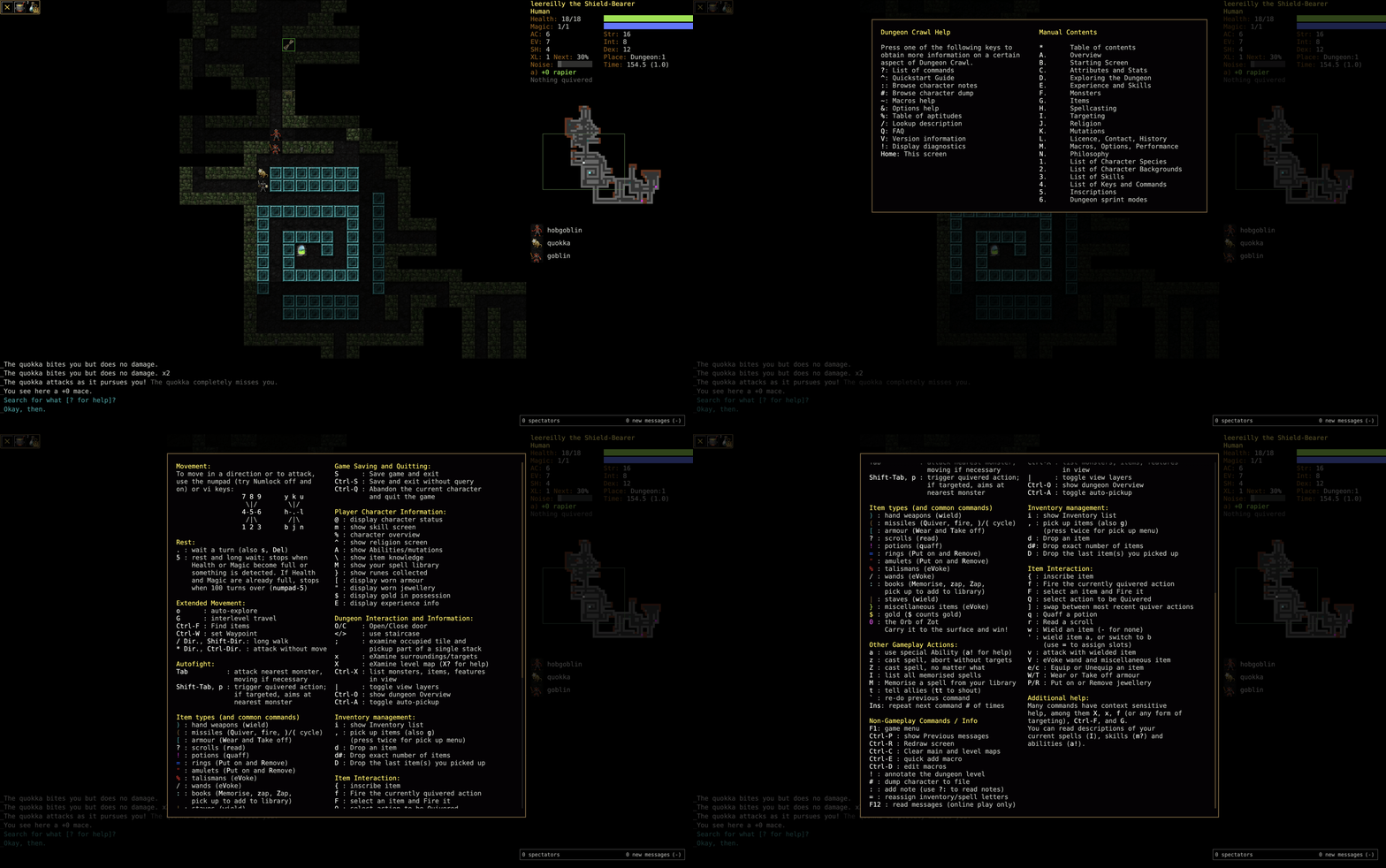
Dungeon Crawl Stone Soup is the result of a community that refuses to let a project stagnate. Forked in 2006 to revitalize a slowing codebase, DCSS has become a beacon of balanced design. By maintaining public servers where players can watch each other’s runs in real-time, it transforms the solitary experience of dungeon crawling into a communal spectacle.
4. Angband
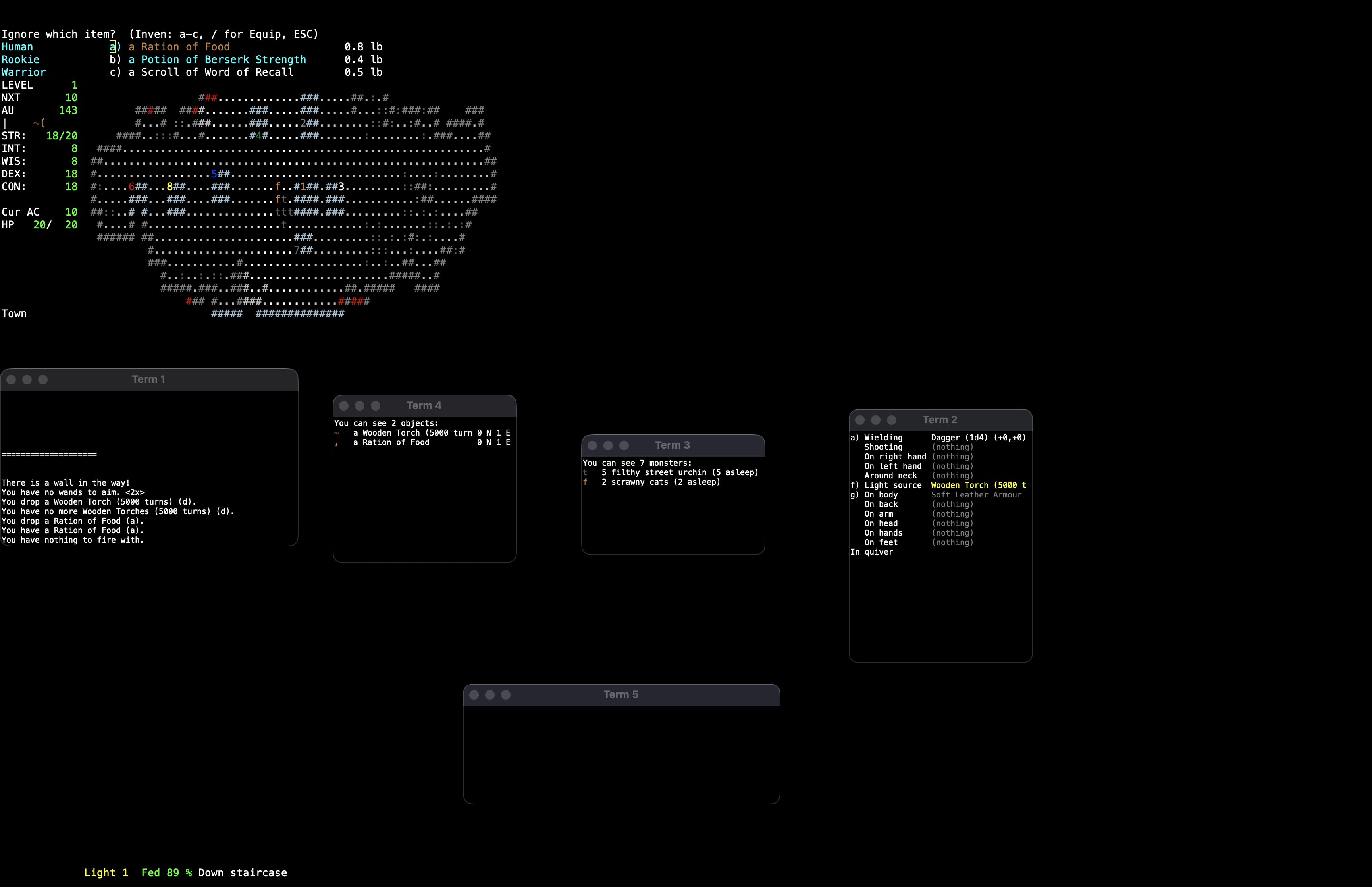
Angband is a study in longevity. Its development history, which includes a difficult transition to open-source in 2009, highlights the challenges of preserving legacy software. Today, it operates with a dual-track model: a stable mainline for traditionalists and experimental branches that allow "mad scientist" developers to test new features without compromising the core integrity of the game.

5. Brogue (Community Edition)
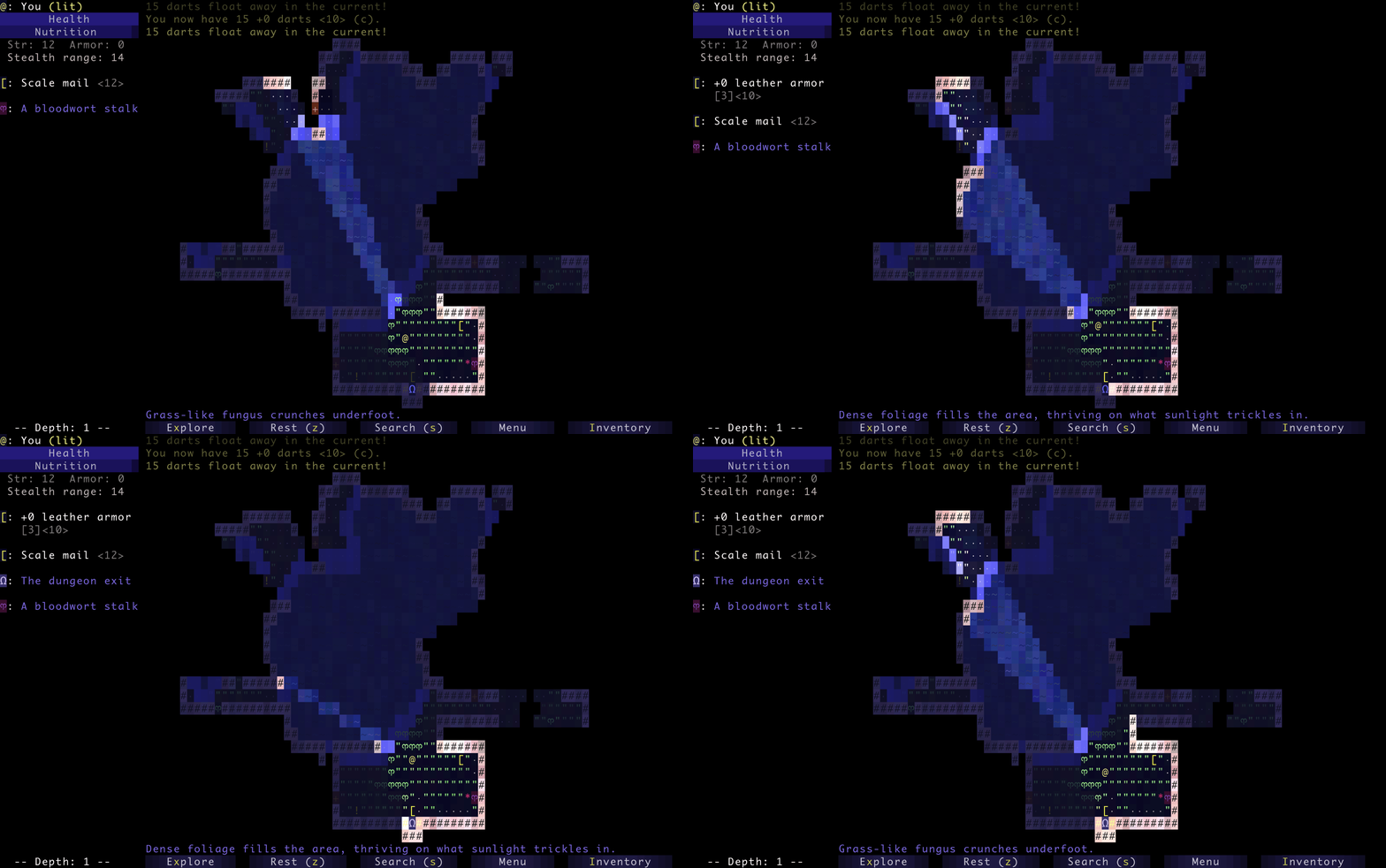
Brogue is lauded for its elegance and clarity. Even after the original developer ceased official updates, the community stepped in to curate the Brogue Community Edition. It proves that when the source code is open, the death of a project is a choice, not an inevitability.
6. Pixel Dungeon & Shattered Pixel Dungeon
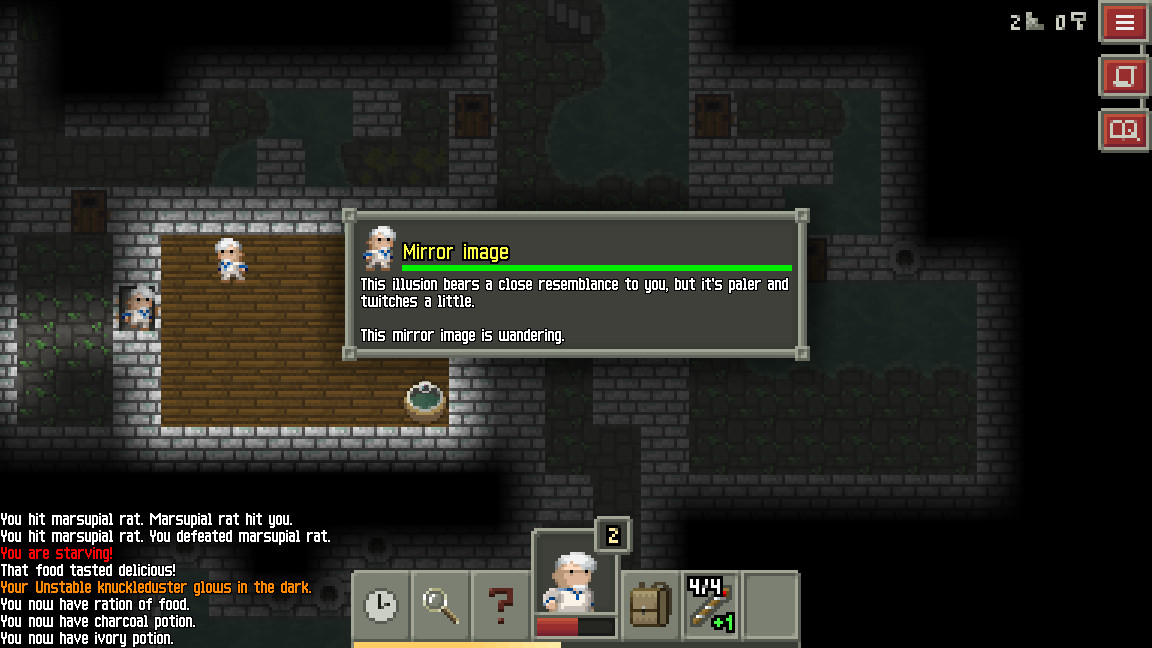
Pixel Dungeon is a case study in how "completion" is a relative term. After the original developer released the source, the community treated it as a starting line. Shattered Pixel Dungeon emerged from this, evolving from a simple balance mod into one of the most widely downloaded and respected open-source games, proving that continuous, iterative design is the secret to sustained popularity.

7. DRL (formerly Doom, the Roguelike)
DRL is a prime example of how legal challenges can actually accelerate the open-source lifecycle. Forced to rebrand following a trademark notice, the project transitioned into an open-source powerhouse, successfully distilling the high-octane intensity of a 90s FPS into a turn-based, strategic experience.
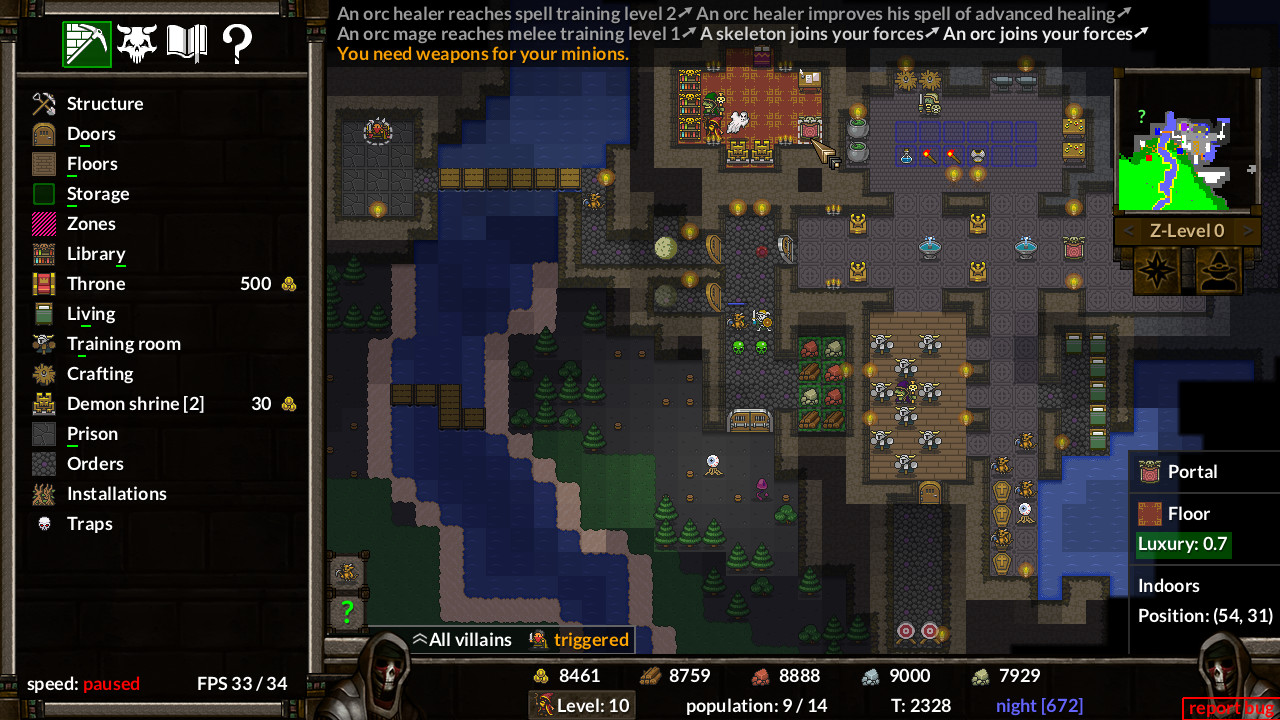
8. KeeperRL
KeeperRL bridges the gap between the dungeon crawler and the management sim. By allowing players to build their own dungeons and defend them against heroes, it adds a layer of creative construction to the traditional roguelike loop, all while maintaining a transparent development model.

9. HyperRogue
HyperRogue is as much a mathematical research project as it is a game. By utilizing hyperbolic geometry, it forces players to learn a new logic of space and movement. It is a perfect example of how the genre can be used to push the boundaries of what is possible in digital environments.
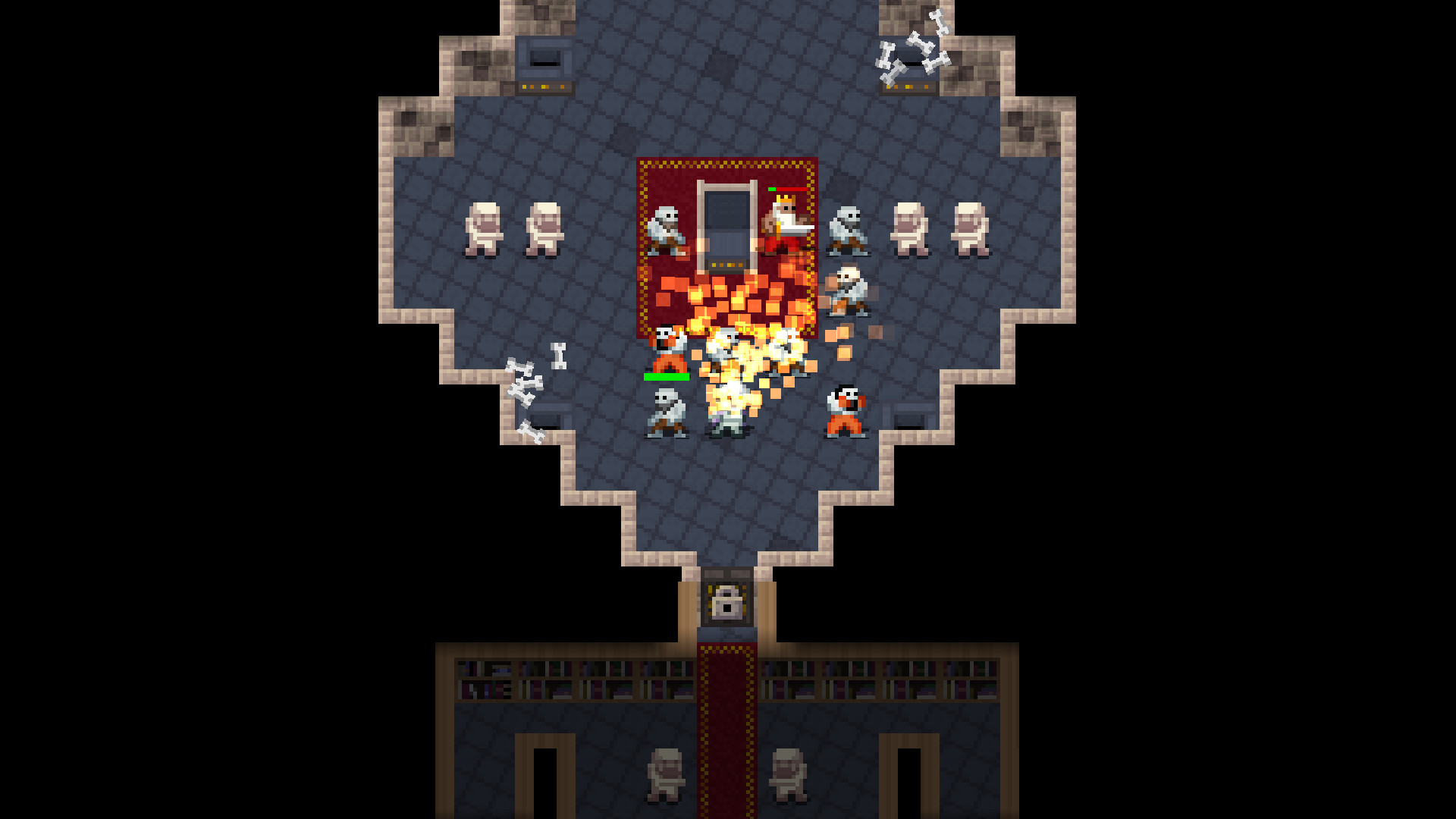
10. Snakelike
A special mention goes to Snakelike, a project developed using AI assistance (GitHub Copilot) for the 7DRL challenge. It serves as a bridge between the old-school origins of the genre and the new, AI-augmented future of game development.

Implications for Modern Software Development
The survival of the roguelike is not an accident; it is the result of a unique intersection between gaming culture and open-source methodology. The implications for the broader software industry are significant:
- Longevity through Forking: The ability to fork a project allows for ideological and mechanical evolution without destroying the original work.
- Community-Driven Quality Assurance: When players are also contributors, the feedback loop between discovery and implementation is tightened to an extreme degree.
- Transparency as a Feature: Projects that operate in the open, like KeeperRL or DCSS, foster a sense of ownership among users that no amount of marketing can replicate.
The "roguelike" is a model for how to build software that can outlast its creators. By keeping the code accessible, the documentation thorough, and the community active, these projects have created a recursive cycle of improvement. Whether it is through the annual 7DRL challenge, where developers build a complete game in seven days, or the annual Roguelike Celebration, which serves as a nexus for research and theory, the genre remains the healthiest space in independent game development.

Conclusion: The Infinite Run
As we look toward the future of software, the lessons of the roguelike are clear. We are moving away from the era of "black box" development where software is a static, protected asset. Instead, we are entering an age of fluidity, where the value of a project is measured by its capacity to adapt, be shared, and be modified.
Roguelikes remind us that the best games—and perhaps the best software—are never truly finished. They are simply waiting for the next adventurer to pick up the source code and start a new run. If you are a developer looking for inspiration, or a player looking for a challenge that respects your intelligence, look no further than these open-source archives. The dungeons are vast, the mechanics are deep, and the history is waiting to be rewritten by your next pull request.

May your next run end slightly better than the last, and may your code live forever in the branches of the next great fork.


 Jia Lissa
 Nila Kartika Wati
 Raul Delapena Setiawan
 Reynand Wu
 Sagoh
Sagoh

 Azzam Bilal Chamdy
 Ali Ikhwan