
 Suro Senen
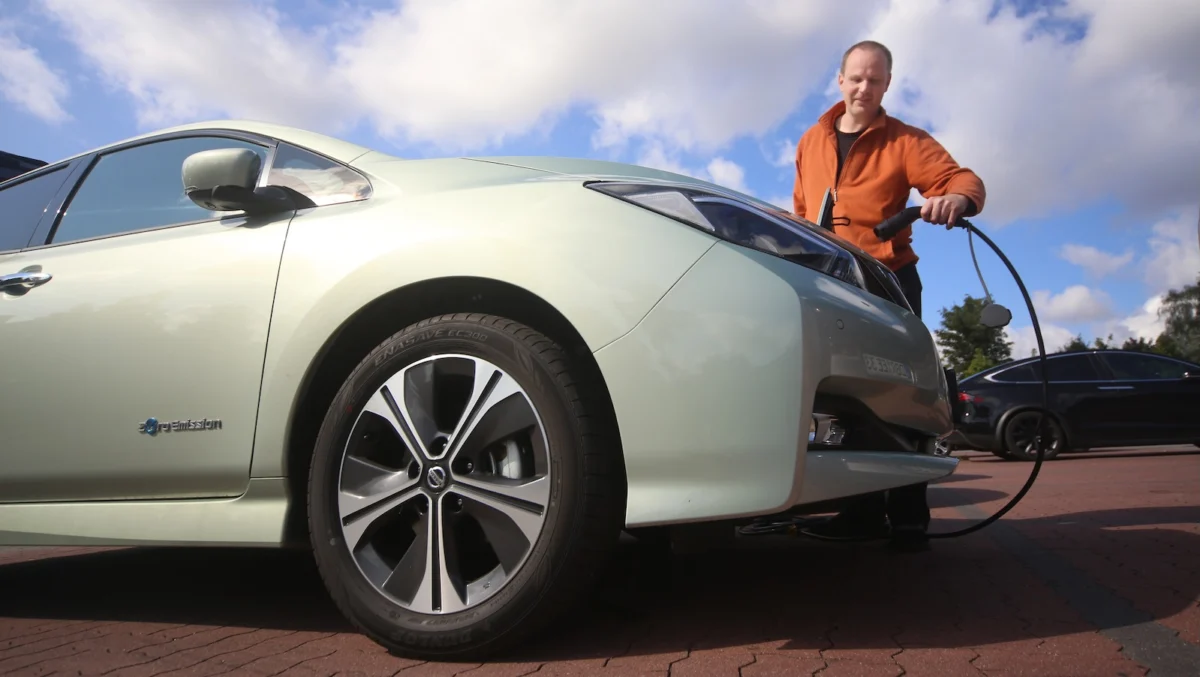
For over a century, the relationship between the American consumer and the electrical grid was defined by a singular, rigid dynamic: you were a passive recipient of power, and the utility was the sole provider. You flipped a switch, the lights came on, and you paid an increasingly steep price for the privilege. This "one-way street" model, however, is undergoing a profound transformation. Thanks to the convergence of residential solar, advanced battery storage, and electric vehicle (EV) integration, the average homeowner is evolving from a mere ratepayer into an active, revenue-generating participant in a decentralized, flexible energy network.
The Paradigm Shift: From Passive Consumer to Active Participant
The traditional utility model was built on a "predict-and-provide" strategy. Grid operators would forecast spikes in electricity demand—typically during sweltering summer afternoons when air conditioning units fire up across the country—and respond by burning fossil fuels, primarily natural gas, in large, centralized power plants. This method was not only carbon-intensive but also notoriously inefficient, requiring massive infrastructure investments to handle peak loads that might only occur for a few dozen hours per year.
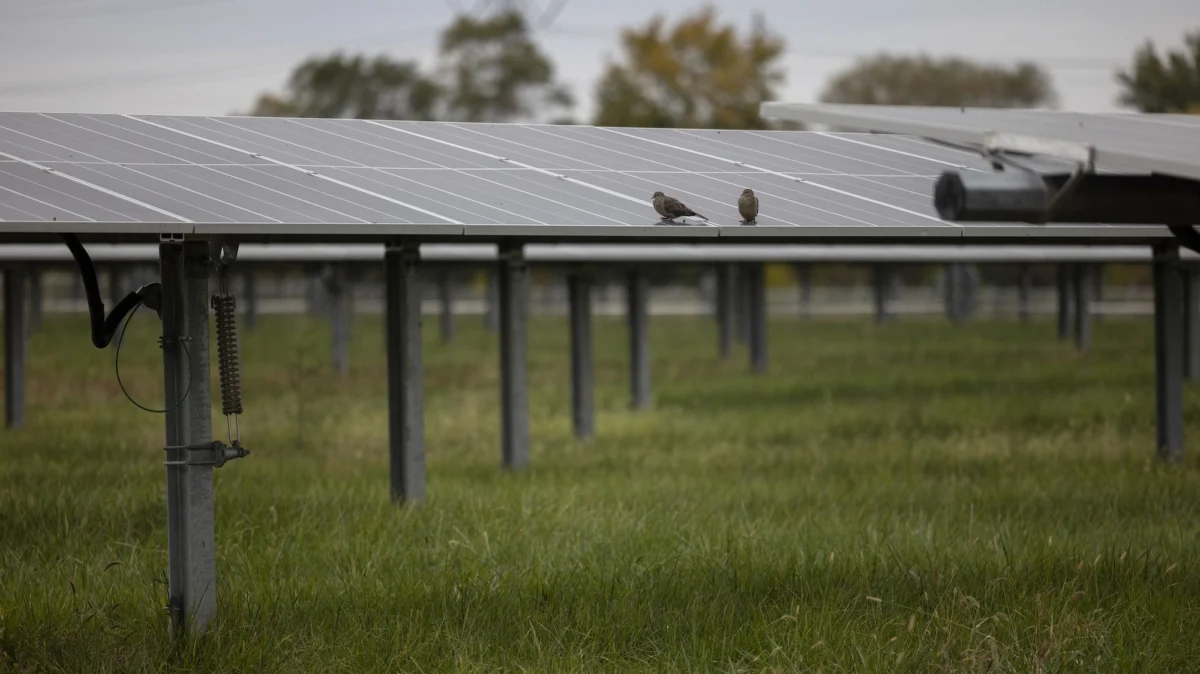
Today, the landscape is shifting. Residential solar panels, once the province of wealthy early adopters, have become increasingly accessible. Innovations such as plug-in balcony solar systems are now allowing even apartment renters to turn small, urban spaces into micro-generators. But the true engine of this transformation is not just generation; it is storage. By pairing solar panels with home batteries, consumers are no longer tethered to the "use it or lose it" limitation of solar power. Instead, they can store excess energy captured during the day and discharge it back into the grid precisely when the system is most stressed.
Chronology: The Evolution of the Virtual Power Plant
The trajectory of this energy shift can be viewed through the evolution of hardware and policy:
- The Early Solar Era: Initial residential solar adoption focused on self-consumption and net metering. Homeowners produced power, offset their own bills, and sent surplus to the grid. However, this provided little help during evening hours when solar generation dropped off but demand remained high.
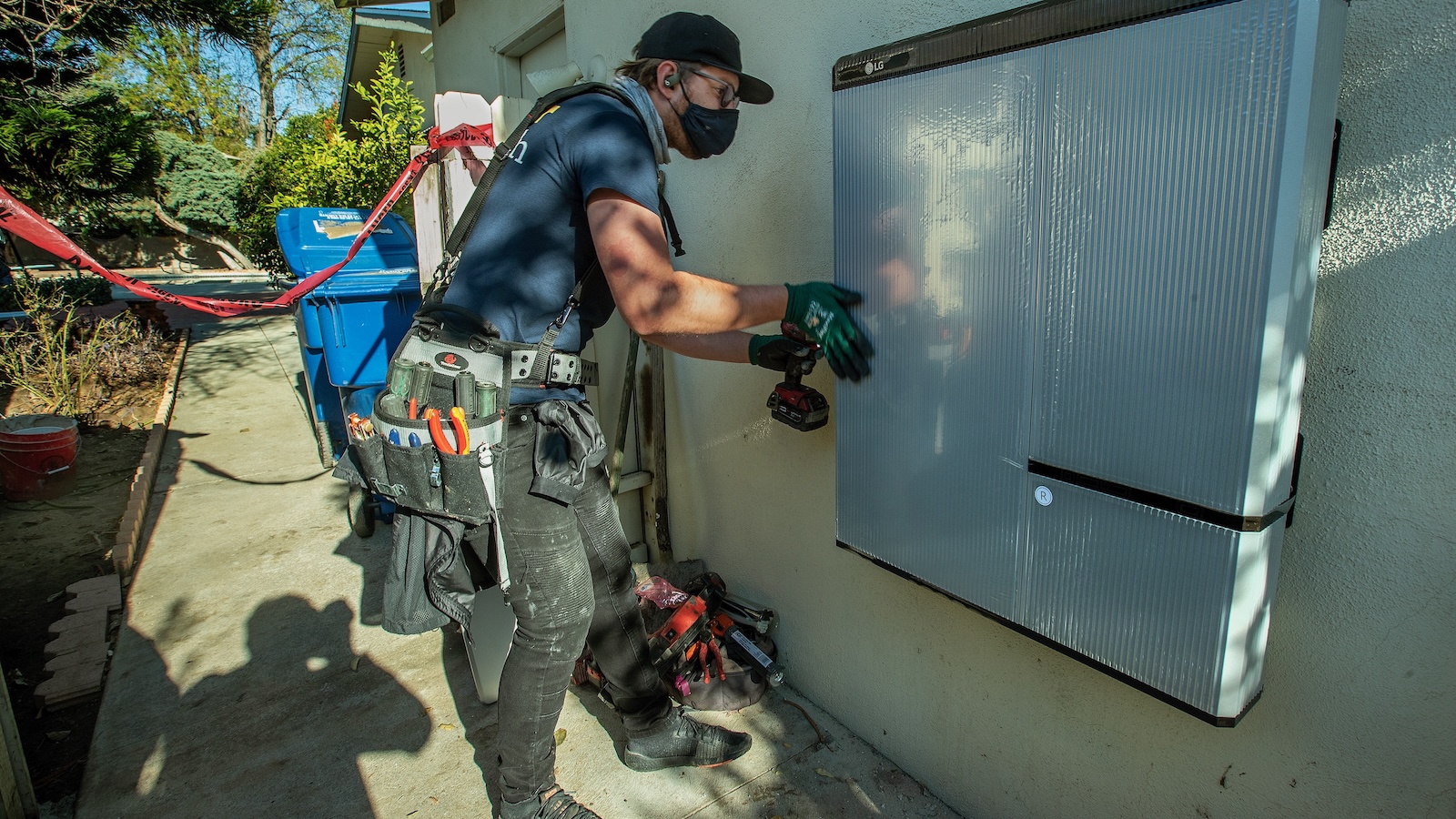
- The Battery Breakthrough: The introduction of scalable residential battery systems, led by companies like Tesla and Sunrun, changed the equation. These systems allowed for "dispatchable" energy, turning thousands of individual homes into a "Virtual Power Plant" (VPP).
- The V2G Horizon: We are currently entering the era of Vehicle-to-Grid (V2G) technology. EVs, essentially massive batteries on wheels, are being integrated into the grid architecture. By tapping into the idle capacity of cars parked in garages or office lots, utilities can treat these vehicles as mobile energy reservoirs.
- The Current Milestone: In early October, during a punishing California heat wave, the viability of this model was put to a real-world test. As temperatures soared and the grid faced record strain, home batteries managed by Sunrun and Tesla discharged enough power to supply the entirety of San Francisco and San Jose—a combined population of 1.8 million people—during peak hours. This wasn’t just a technical experiment; it was a demonstration of a new, resilient baseline for grid operations.
Supporting Data: The Scale of the Potential
The numbers behind this shift are staggering. According to industry data, there are currently roughly 1.2 million residential batteries installed across the United States between major providers like Tesla and Sunrun. Together, these systems possess the capacity to dispatch approximately 8 gigawatts of power back to the grid—a figure that is nearly 11 times the output provided during the record-breaking California heat wave.
When one considers that there are approximately 86 million single-family homes in the United States, the scale of untapped potential becomes clear. If even a fraction of these homes were equipped with smart-grid-integrated batteries and EVs, the reliance on "peaker plants"—expensive, polluting, and inefficient power stations that run only during high-demand events—could be slashed.
Official Perspectives: Efficiency and Economic Stability
Industry experts and policy analysts view this transition as a win-win for both the individual and the collective. Mary Rafferty, executive director of the energy-focused nonprofit Common Charge, emphasizes that this isn’t just about high-tech gadgets; it is about systemic economic efficiency.
"It also helps the neighbor who doesn’t have solar and batteries," Rafferty explains. "Drawing on energy that is stored locally is significantly cheaper than the alternative: building expensive new gas-fired power plants or importing electricity from other states at premium prices when demand outstrips local supply."
From the utility provider’s perspective, the process is becoming increasingly seamless. Wyatt Semanek, senior director of communications at Sunrun, notes that the integration is designed to be invisible to the homeowner. "It actually is a very seamless experience," Semanek says. "Homeowners don’t even know when we’re actually dispatching the battery. We always retain a certain reserve of charge to ensure the home remains powered in the event of an outage, while the rest of the capacity helps stabilize the local grid."
Implications for the Future: A Decentralized Energy Network
The implications of a fully realized decentralized grid are far-reaching.
1. Grid Resilience and "Islanding"
One of the most immediate benefits for the consumer is the ability to "island." During extreme weather events or wildfires that necessitate proactive power shutoffs by utilities, a home with a battery-backed solar system can disconnect from the grid entirely. This ensures that essential services—refrigeration, lighting, and medical equipment—remain operational even when the rest of the neighborhood goes dark.
2. Economic Incentives for Ratepayers
The financial model is moving toward a system where consumers are compensated for their contribution. By participating in VPP programs, homeowners can see their monthly utility bills drop or even receive credits for the power they supply to their neighbors. This democratizes the energy market, allowing middle-class households to capture value that was previously held exclusively by large utility monopolies.
3. The Role of Electric Vehicles
The integration of EVs represents the next great frontier. School buses, in particular, are viewed as an ideal candidate for V2G technology. Because they operate on highly predictable schedules—running in the morning and afternoon, and remaining idle in depots during the hottest parts of the day—they provide a reliable, massive source of energy storage that can be called upon during peak grid demand without disrupting the driver’s needs.
4. Overcoming Intermittency
The primary argument against renewable energy has always been its "intermittency"—the sun doesn’t always shine, and the wind doesn’t always blow. By aggregating home batteries and EVs into a massive, distributed storage network, the intermittency problem is solved. Utilities can now capture the "clean electrons" produced during the day and distribute them exactly when the grid needs them most, effectively smoothing out the supply-demand curve.
Conclusion: The Path Toward Energy Democracy
As we look toward the future of the American power grid, the path is clear. The transition from a centralized, fossil-fuel-dependent system to a distributed, renewable-integrated network is no longer a distant ideal; it is an unfolding reality.
"If we unleash this technology, both in California and across the country, we can see that we can power our neighborhoods, our communities, our towns, our schools with local power," says Rafferty. "And if we do that, we are going to be able to keep costs contained, and we are going to be able to provide reliable energy for everybody."
The electrical grid of the 21st century will not be defined by the size of its power plants, but by the intelligence of its network. By turning every home into a potential power plant, we are not just upgrading our infrastructure—we are fundamentally redefining the power dynamic between the utility and the people, creating a cleaner, cheaper, and more resilient future for all.


 Muslim
 Basiran
 Evan Lee Salim

 Reynand Wu

 Layla Zulfa

 Nana
