
 Ali Ikhwan
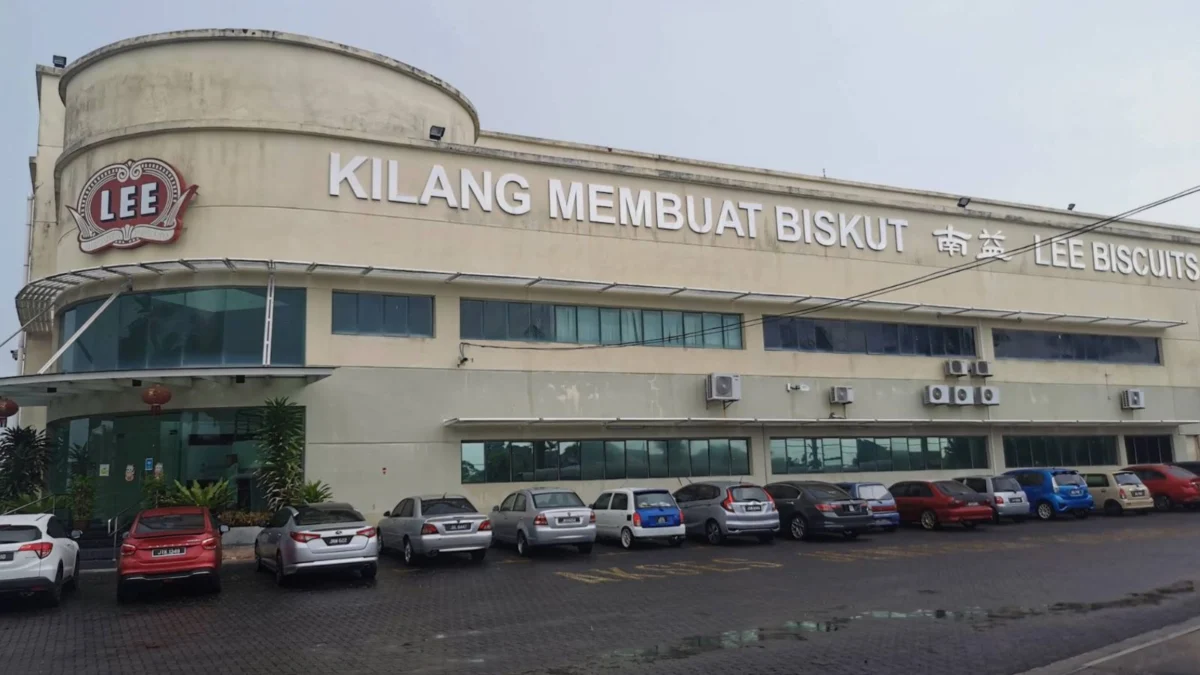
The landscape of the Malaysian food and beverage industry is set to undergo a poignant transformation as one of its most storied heritage brands prepares to dim its ovens for the last time. Lee Biscuits Malaysia, a household name synonymous with the nostalgic crunch of Marie biscuits and the colorful sugary peaks of iced gems, has announced the impending closure of its manufacturing operations.
The decision marks the conclusion of nearly a century of snack production, signaling a major strategic pivot by its parent conglomerate, the Lee Group, as it moves to consolidate its sprawling business interests. By the end of October 2024, the scent of baking dough that has defined the industrial corridors of Pontian, Johor, will fade, leaving behind a legacy that spans generations of Southeast Asian consumers.
Main Facts: The Sunset of a Heritage Brand
The cessation of Lee Biscuits’ operations is not merely a localized business closure; it is the dissolution of a brand that has been an architectural pillar of the regional snack market since the pre-World War II era. The primary driver behind this move is a comprehensive corporate restructuring within the Lee Group. The group has reportedly decided to exit the increasingly competitive and thin-margined snack manufacturing sector to focus on its core, high-value holdings: rubber and palm oil operations.
Key details of the closure include:
- Target Date: Production at the Pontian factory is scheduled to halt permanently by October 31, 2024.
- Operational Scope: The closure affects the production of all signature lines, including Marie biscuits, saltine crackers, banana puffs, and the iconic iced gem biscuits.
- Geographic Focus: The move centers on the Pontian facility in Johor, which has served as the brand’s primary manufacturing hub for nearly two decades.
- Labor Impact: While exact figures have not been publicly disclosed, reports indicate that the company has initiated layoff proceedings for its factory workforce, with termination notices and production halt warnings issued to suppliers and distributors as early as September.
This exit follows a similar pattern observed within the Lee Group’s portfolio. Just a year prior, in November 2023, the group shuttered its Lee Pineapple cannery in Skudai, Johor—another heritage brand with decades of history—to prioritize oil palm cultivation. The closure of Lee Biscuits represents the second major food production facility the group has liquidated in just three years.
Chronology: From Singapore Beginnings to Pontian’s Final Batch
The history of Lee Biscuits is inextricably linked to the history of modern Southeast Asian enterprise. To understand the weight of its closure, one must trace its journey back to the early 20th century.
1934: The Foundations in Singapore
The brand was founded in 1934 by Lee Kong Chian, a visionary entrepreneur often referred to as the "Rubber King." Lee, who was also a prominent philanthropist and the founder of the Lee Foundation, established the biscuit company (then known as Nam Lee) in Singapore. In an era where imported Western snacks were a luxury, Lee Biscuits provided an affordable, high-quality local alternative that quickly became a staple in colonial-era households.
1955: The Move to Johor Bahru
As the business expanded and the geopolitical landscape of the region shifted, the company moved its primary production line across the causeway to Tampoi, Johor Bahru, in 1955. This period marked the brand’s golden age, as it solidified its presence in the newly independent Malaya. The Marie biscuit, in particular, became a cultural icon—often used as a weaning food for infants or a simple accompaniment to morning "kopi."
2005: Relocation to Pontian
By the early 2000s, urban development in Johor Bahru necessitated a move. In 2005, the factory relocated to its current site in Pontian. This move was intended to modernize production and capitalize on the logistical advantages of the region. For nearly 20 years, the Pontian facility maintained the traditional recipes that had made the brand a household name.
2024: The Final Chapter
In September 2024, rumors of a closure began to circulate within the supply chain. Official notices were soon delivered to long-term vendors and bulk purchasers, stating that the company would no longer accept orders beyond October. By mid-October, local representatives confirmed that the factory was in the final stages of winding down operations.
Supporting Data: The Economic Shift Toward Commodities
The decision to shutter Lee Biscuits is not an isolated event of business failure, but rather a calculated move based on the shifting economics of the Malaysian industrial sector.
The Commodity Pivot
The Lee Group’s primary strengths have historically lied in plantations. As global demand for palm oil and rubber remains robust—driven by industrial applications and the biofuels sector—the group has found higher returns on investment in land utilization for cultivation rather than factory-based manufacturing.
Market Saturation and Competition
The snack industry in Malaysia has become increasingly crowded. Lee Biscuits faced stiff competition from both local giants (such as Munchy’s and Julie’s) and international conglomerates. Maintaining the thin profit margins of traditional biscuits requires massive scales of automation and aggressive marketing—areas where the Lee Group, with its focus on "old-school" quality and traditional methods, may have found it difficult to compete without significant reinvestment.
Asset Consolidation
By closing the Pontian factory, the Lee Group is able to consolidate its assets. The land and capital previously tied up in biscuit production can now be redirected toward the group’s palm oil and rubber divisions, which offer a more streamlined operational model with less reliance on the complex logistics of consumer fast-moving consumer goods (FMCG).
Official Responses and Local Impact
The news of the closure has resonated deeply within the local community in Johor and among the nation’s political representatives.
Government Confirmation
Pekan Nanas assemblyman Tan Eng Meng confirmed the impending closure after being contacted by China Press. While expressing regret over the loss of a historic brand, local officials have been briefed on the necessity of the group’s restructuring. The focus for the local government has now shifted toward the welfare of the displaced workers.
Labor and Retrenchment
The closure of a factory that has operated for decades inevitably results in the loss of livelihoods for a significant number of specialized workers. Reports from the New Straits Times (NST) indicate that the company is currently in the process of laying off its employees. Under Malaysian labor laws, the company is required to provide retrenchment benefits, but the loss of jobs in a traditional manufacturing hub like Pontian remains a concern for the local economy.
Supplier and Customer Sentiment
Suppliers who have worked with Lee Biscuits for decades expressed shock at the speed of the transition. For many small-scale distributors, Lee Biscuits was a reliable "anchor product" that sold consistently regardless of economic fluctuations. Customers, particularly the older generation, have taken to social media to express their nostalgia, with many rushing to supermarkets to purchase the final remaining tins of Marie biscuits and iced gems.
Implications: The End of an Era for Malaysian Heritage
The disappearance of Lee Biscuits from the shelves carries several significant implications for the industry and the cultural fabric of Malaysia.
1. The Decline of "Old-School" Heritage Brands
Lee Biscuits is part of a dwindling group of brands that survived the transition from the colonial era to the digital age. Its closure highlights the vulnerability of heritage brands that rely on traditional business models. As consumer tastes shift toward healthier or more "premium" artisanal snacks, mid-market traditional brands often find themselves squeezed out.
2. The Changing Face of Johor’s Economy
Johor has long been a manufacturing powerhouse. However, the closure of both Lee Pineapple and Lee Biscuits within a short window suggests a transition in how land is valued in the state. Industrial zones are increasingly being weighed against the profitability of plantation land or high-tech data centers. This "de-industrialization" of traditional food processing in favor of commodities marks a new chapter in Johor’s economic narrative.
3. Impact on Human Capital
The retrenchment of factory workers in their 40s and 50s—many of whom may have spent their entire careers at Lee Biscuits—poses a challenge for the regional labor market. Re-skilling an aging workforce for modern sectors like palm oil technology or digital services is a complex task that will require intervention from both the private sector and the government.
4. A Loss of "Food Identity"
Marie biscuits and iced gems are more than just snacks; they are cultural touchstones. They represent a shared childhood experience across ethnic lines in Malaysia and Singapore. The loss of a primary manufacturer like Lee Biscuits means a piece of that shared history is being relegated to the archives. While other brands still produce these items, the specific flavor profile and brand trust associated with "Lee" or "Nam Lee" cannot be easily replaced.
Conclusion
As the end of October approaches, the final batches of Lee Biscuits will roll off the assembly line in Pontian. The 92-year journey of a brand that started with Lee Kong Chian’s vision in 1934 is coming to a quiet, strategic end. While the Lee Group continues to thrive in the commodities sector, the absence of their iconic biscuit tins will be felt in pantries across the region.
The story of Lee Biscuits serves as a reminder of the unsentimental nature of corporate evolution. Even the most beloved brands must eventually yield to the pressures of market forces and strategic realignment. For now, Malaysians have one last month to savor a taste of history before Lee Biscuits officially closes its chapter in the annals of Southeast Asian industry.


 Lina Hope

 Neng Nana

 Suro Senen

 Azzam Bilal Chamdy

 Asep Darmawan

 Nana Wu

 Nana

 Muslim
