
 Ammar Sabilarrohman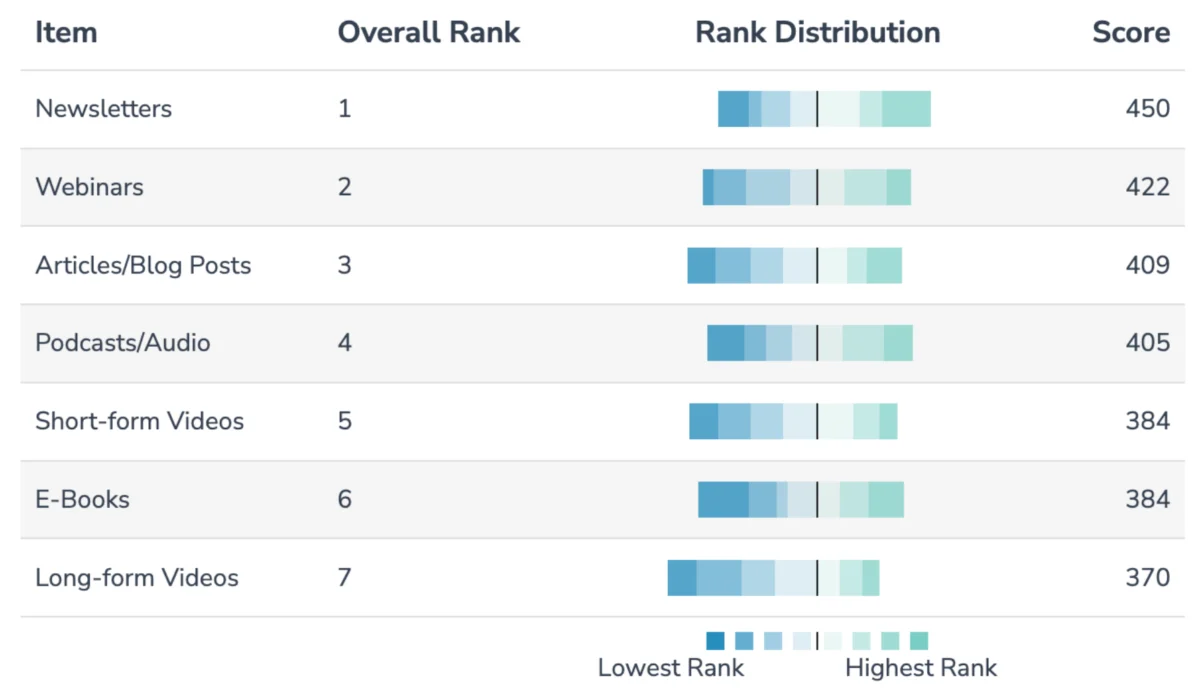
In the modern digital ecosystem, the primary challenge facing marketing leaders is no longer a scarcity of information, but a catastrophic surplus of it. Every day, the average executive’s inbox is besieged by an onslaught of white papers, case studies, fragmented LinkedIn "thought leadership," and ephemeral industry alerts. The result? A state of perpetual cognitive fatigue.
The leadership at Convince & Convert (C&C) has diagnosed this crisis and arrived at a stark conclusion: Marketing leaders do not need more content; they need better filters. This realization has triggered a fundamental shift in their approach to audience engagement, moving away from traditional, link-heavy distribution models toward a high-value, curated experience. This pivot is embodied in the rebranding of their flagship newsletter from ON to The Trendline—a strategic evolution that reflects a broader, industry-wide shift toward "intelligent curation."
The Core Problem: The Noise of Modern Marketing
For years, the standard playbook for brand newsletters has been a chronological or categorical list of links to recent blog posts, podcast episodes, or third-party reports. While this format once served as a reliable traffic driver, it has reached a point of diminishing returns. As the content landscape has matured, the quality bar for audience attention has risen exponentially.
The fundamental issue is that modern marketing decision-makers are time-poor. They are not looking for more places to click; they are looking for synthesis. They want to understand not just what happened in the industry, but why it matters and how it should influence their strategic decision-making. When a newsletter forces a reader to click through five different links to get the gist of a trend, it is no longer providing a service—it is creating friction.
Data-Driven Strategy: Listening to the Audience
The impetus for The Trendline was not a creative whim, but a response to rigorous audience research. In their annual survey of marketing leaders, Convince & Convert posed a critical question: "What content formats do you prefer when learning about marketing trends and insights?"

The results were decisive. Newsletters outperformed short-form video, webinars, long-form blogs, and podcasts. When asked to rank seven distinct content formats, respondents placed newsletters at the top with nearly twice the frequency of any other medium. This data confirmed a growing sentiment among professionals: they prefer the quiet, high-signal environment of an email inbox over the chaotic, algorithm-driven feeds of social media.
This preference stems from the inherent nature of the email newsletter: it is an "owned" channel. Unlike social media algorithms that dictate what a user sees, a newsletter is an intentional subscription. When curated well, it acts as a trusted advisor, performing the heavy lifting of distillation and analysis on behalf of the reader.
The Evolution of the Newsletter: From ‘ON’ to ‘The Trendline’
The transition from ON to The Trendline represents a structural departure from traditional email marketing. The legacy model relied on content distribution—shoving as much volume as possible into a single email. The new model relies on content debriefing.
Key Structural Improvements
To align with the needs of modern marketers, the C&C team implemented four major pillars in the new format:
- Strategic Context: Rather than simply listing links, every piece of information is now filtered through the team’s strategic lens. The newsletter now explicitly addresses: Why does this story matter? What are the implications for your brand? What specific questions should you be asking your team?
- Zero-Click Value: The newsletter is designed to be self-contained. While links remain for those who wish to dive deeper, the primary insights, summaries, and takeaways are delivered directly in the body of the email. This respects the reader’s time and provides value upfront.
- Refined Hierarchy: Instead of organizing content by medium (e.g., "Our latest blog post," "Our latest podcast"), the content is now organized by priority and thematic relevance. This hierarchy ensures that the most mission-critical information hits the reader first.
- Interactive Engagement: The introduction of "Sound Off"—an interactive poll at the end of each edition—serves as more than just a gimmick. It provides the editorial team with high-fidelity engagement data that is far more granular and meaningful than vanity metrics like open or click-through rates.
Lessons for the Industry: Building Trust in an Age of Distraction
The shift at Convince & Convert offers a roadmap for any brand struggling to capture and retain the attention of high-level decision-makers. The transition is not merely cosmetic; it is a commitment to a higher standard of service.

The CMO Perspective
When communicating with senior leadership, the "data dump" approach is a liability. CMOs and executive stakeholders require information that helps them solve problems immediately. They do not have time to parse through twenty charts to uncover a single actionable insight. The lesson here is clear: empathy for the audience’s time is the greatest competitive advantage a content marketer can have.
The Role of Authority
By providing a consistent, high-quality, and deeply insightful resource, a brand builds authority. If a newsletter becomes the primary way a leader starts their day or prepares for a strategy meeting, the brand becomes indispensable. This is the definition of "thought leadership" in practice, rather than in name only.
Implications for Future Content Strategy
The move to The Trendline highlights a fundamental truth: the era of "content for content’s sake" is over. For businesses looking to optimize their email marketing, the following lessons are paramount:
- Prioritize Utility Over Volume: If you cannot explain why a piece of content is relevant to your reader’s career or bottom line in one sentence, it does not belong in your newsletter.
- Design for the Reader, Not the Traffic: Stop measuring success solely by clicks. If a reader gets the value they need without clicking, they are still engaging with your brand’s authority. This builds long-term trust, which eventually leads to deeper conversions.
- Create "Shareable" Intellectual Property: Naming matters. By moving away from a generic title like ON to a descriptive, brandable name like The Trendline, the organization has created something that is easier to reference and share in professional circles.
- Embrace Feedback Loops: The use of interactive polls and engagement tracking is not just for optimization; it is for active listening. The goal is to create a two-way street where the newsletter evolves in lockstep with the needs of the industry.
Conclusion: The Path Forward
The transition of The Trendline is a testament to the fact that marketing is becoming increasingly human-centric. In an era where AI-generated content can produce mass-market drivel in seconds, the value of the human "filter"—the experienced strategist who can connect the dots and provide perspective—has never been higher.
Marketing leaders are essentially curators of their own professional growth. Brands that position themselves as the "trusted filter" rather than the "noise generator" will win the battle for attention. As Convince & Convert moves forward with this new model, they are betting that the future of content marketing lies in brevity, strategic depth, and a relentless focus on the reader’s success. For any brand looking to survive the current information crisis, the message is clear: stop shouting, start curating, and make every word count.


 Ali Ikhwan
 Layla Zulfa

 Suro Senen
 Jia Lissa
 Evan Lee Salim