
 Raul Delapena Setiawan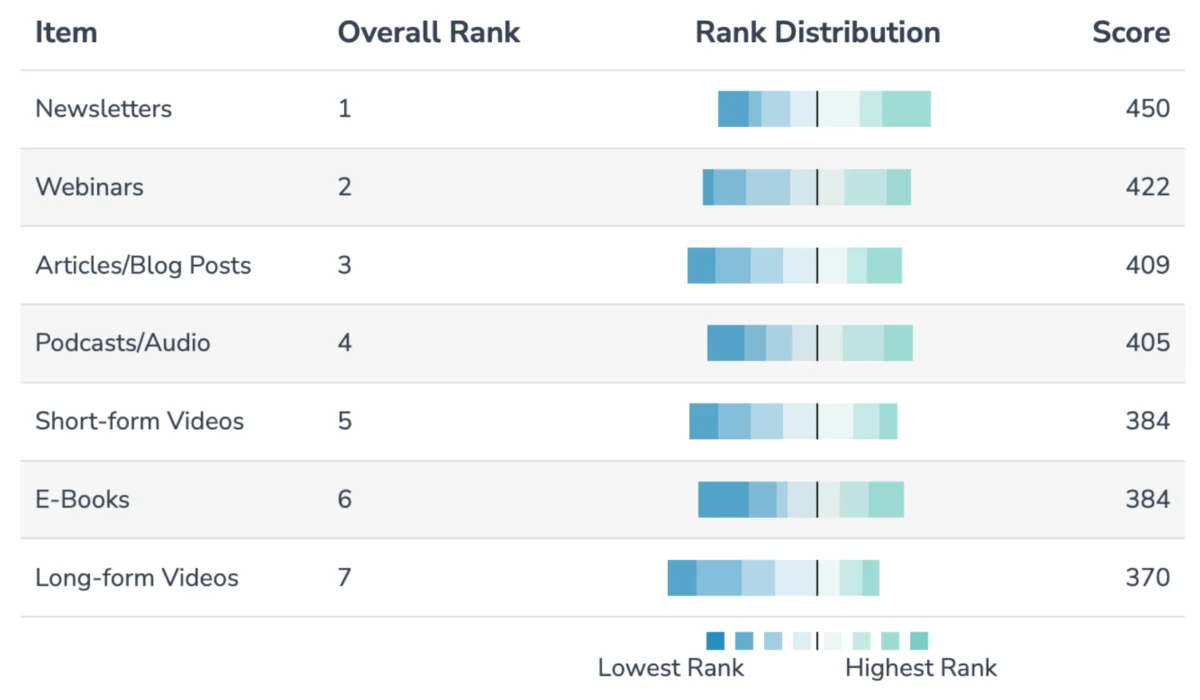
In the digital ecosystem, the prevailing myth of modern marketing has been that volume equals visibility. If you aren’t producing a daily podcast, a bi-weekly white paper, and a constant stream of LinkedIn thought leadership, you are falling behind. However, a significant shift is occurring at the highest levels of the industry. Marketing leaders are no longer struggling with a lack of information; they are struggling with a surplus of noise.
The consensus among decision-makers is clear: the modern CMO does not need more content—they need better filters. As the deluge of reports, frameworks, and "must-read" articles continues to flood inboxes, the value of raw information has plummeted, while the value of expert curation has skyrocketed. This realization has triggered a tactical pivot in email marketing, moving away from link-heavy digests toward high-utility, insight-driven briefings.
At the forefront of this shift is Convince & Convert (C&C), which recently announced the evolution of its flagship newsletter, ON, into a newly branded, strategy-first resource: The Trendline.
The Anatomy of Information Overload
The digital landscape is currently defined by a paradox of choice. For marketing professionals, the pressure to remain relevant requires constant consumption of industry trends. Yet, the time available to digest this information is shrinking. This has created a fertile ground for the resurgence of the newsletter, provided it functions as a strategic partner rather than a delivery vehicle for links.
Recent audience research conducted by Convince & Convert highlights this sentiment with startling clarity. When surveying marketing leaders on their preferred formats for professional development, the results were definitive. Newsletters outperformed short-form video, webinars, blogs, and podcasts. When forced to rank seven distinct content formats, respondents consistently placed newsletters at the top of the list, citing them as their primary source for industry insights.
This data suggests that while video and audio are effective for engagement and entertainment, the written newsletter remains the most efficient medium for deep, actionable learning. The modern reader is looking for a "debrief"—a synthesis of what happened, why it matters, and how it impacts their bottom line.
Chronology of a Pivot: From "ON" to "The Trendline"
The decision to rebrand ON was not a hasty marketing whim; it was the result of a deliberate, multi-year observation of content consumption patterns.

For years, Convince & Convert followed the industry-standard playbook: a clean, link-heavy list of the week’s blog posts, podcast episodes, and research papers. For a time, this was sufficient. However, as the digital content landscape matured, the bar for quality rose exponentially. What was considered "valuable" in 2015 is often ignored in 2025.
The internal audit conducted by the C&C team identified three critical failings in their legacy model:
- The Click-Through Barrier: The old format forced readers to leave the email to find the value. In a world where attention is the most expensive commodity, requiring a click to find the "point" of the content created too much friction.
- Context Deficit: Merely sharing a link provided information, but it lacked the critical "so-what" factor. Readers weren’t just looking for news; they were looking for a strategic lens through which to view it.
- Format Fatigue: The reliance on medium-specific categories (e.g., "Our Blog," "Our Podcast") prioritized the company’s internal organizational structure over the reader’s actual pain points.
The result of this internal reflection was the launch of The Trendline, a total architectural overhaul of their email strategy designed to deliver insights directly within the body of the message.
Supporting Data: Why Newsletters Still Rule
The shift toward The Trendline is grounded in hard data. The survey conducted by the firm revealed that newsletters were almost twice as likely to be ranked as the number one preferred format compared to any other medium.
This is not merely a preference for text; it is a preference for cognitive efficiency. Marketing leaders are under immense pressure to drive performance, optimize budgets, and lead teams through volatile market shifts. They do not have the bandwidth to navigate a sprawling website to find one nugget of wisdom. They require a "strategic debrief" that respects their time by front-loading value.
When compared against the "listicle" format, the "debrief" format—which includes synthesized insights, clear takeaways, and forward-looking analysis—sees higher retention rates and, more importantly, higher trust metrics. By providing value upfront, the brand moves from being a "publisher" to being an "advisor."
Official Strategy: The Pillars of "The Trendline"
The new structure of The Trendline is built upon four foundational pillars that reflect the needs of today’s decision-makers:

- Topical Curation over Medium Curation: Instead of categorizing content by whether it is a blog or a podcast, the newsletter is organized by thematic relevance. This ensures that the most pressing industry issues are addressed immediately, regardless of where the source material originated.
- The "Strategic Lens": Every item included in the newsletter is accompanied by a brief, expert commentary that explains why the story matters and what questions marketers should be asking themselves in response.
- Compact Utility: By focusing on conciseness, the editorial team ensures that the core value is delivered without the need for excessive clicking. The goal is to provide a "finished thought" within the email itself.
- Interactive Engagement (Sound Off): The inclusion of a "Sound Off" poll at the end of each edition serves two purposes: it provides a quick, low-friction way for the audience to engage, and it provides the editorial team with high-fidelity engagement metrics that are more meaningful than simple "open" or "click" rates.
Implications for the Future of Content Marketing
The transition from ON to The Trendline carries broader implications for any brand relying on owned media. We are entering an era where trust and attention are harder to earn than ever before. For brands looking to evolve their email marketing strategy, the lessons are clear:
1. Value Must Be Delivered Upfront
The "teaser" model—where the newsletter is merely a bridge to the website—is losing its efficacy. If you want to build authority, provide the core value within the inbox. Treat the email as the destination, not the gateway.
2. Audience Research is a Continuous Loop
The pivot at Convince & Convert was successful because it was informed by direct feedback. Brands often rely on vanity metrics like open rates, which can be misleading. True audience research involves asking about pain points and consumption habits directly.
3. The "Service" Mindset
Modern content marketing should be viewed as a service. When presenting research, data, or strategy, the first question should not be "What do we want to say?" but rather, "What does our audience need to solve their current problem?"
4. Authority Through Curation
In a world flooded with AI-generated content and mass-produced articles, human curation has become a premium asset. By acting as a filter, a brand provides a service that software currently cannot replicate: the ability to interpret, synthesize, and contextualize information through the lens of deep industry experience.
Conclusion: The New Standard
The evolution of The Trendline is more than a rebrand; it is a declaration of intent. It acknowledges that in the attention economy, you either respect the reader’s time, or you lose the reader’s trust. By prioritizing strategic insights over simple link-sharing, the team at Convince & Convert is positioning their newsletter as an essential, high-utility resource for the modern marketing leader.
As other brands watch this space, they would be wise to adopt a similar mindset. The age of "more content" is ending. The age of "better filters" has begun. In the coming months, the success of this strategy will likely serve as a blueprint for organizations looking to reclaim their audience’s attention in an increasingly crowded and noisy digital landscape. Whether it is through The Trendline or similar curated efforts, the future of email marketing lies in the ability to provide not just news, but the wisdom to act upon it.

 Ammar Sabilarrohman
 Layla Zulfa

 Dwi Wanna
 Muslim
 Nana Wu

 Rifan Muazin