
 Jia Lissa
In the high-stakes world of digital marketing and consumer research, the gap between data collection and actionable strategy is often where momentum dies. Analysts, social media managers, and marketers are currently tasked with navigating a landscape that moves at breakneck speed; a trend that is relevant today may be obsolete by tomorrow morning. To bridge this gap, Brandwatch has unveiled a comprehensive suite of AI-driven updates designed to streamline workflows, reduce manual labor, and empower teams to act with confidence.
By integrating advanced generative and analytical AI into their core platform—Consumer Research, Influence, and Engage—Brandwatch is fundamentally changing how brands interpret the "noise" of the internet. This report explores the seven core pillars of these updates and their implications for the future of social intelligence.
1. The Death of Complex Manual Queries
Solution: Brandwatch Consumer Research (Iris AI Query Writer, Health, and Fixer)
For years, the most significant barrier to entry in social listening has been the "query"—the complex string of Boolean logic required to capture relevant data. A poorly constructed query can lead to mountains of irrelevant noise or, worse, miss critical consumer insights.
Brandwatch has tackled this with their new AI-enhanced query building workflow. Instead of requiring deep technical knowledge of Boolean operators, users can now describe their research question in plain English. The Iris AI Query Writer translates these natural language prompts into high-quality, professional queries in seconds.

Furthermore, the Iris AI Query Health and Query Fixer tools act as an automated audit layer. They analyze existing queries for potential pitfalls—such as excessive noise or "dead" search terms—and suggest immediate corrections. This democratization of data retrieval ensures that even junior analysts can produce research projects that would have previously required hours of senior oversight.
2. Instant Context with "Ask Iris"
Solution: Brandwatch Consumer Research (Ask Iris AI Chat)
Data dashboards have traditionally been static, requiring users to click through multiple tabs to find answers. Brandwatch is moving toward an "interrogative" data model with Ask Iris, an AI-powered chat interface integrated directly into the platform’s homepage and dashboards.
By simply typing a question—such as "What are the primary pain points associated with our new product launch?"—users receive synthesized summaries backed by the underlying data. This functionality allows for rapid exploration of brand sentiment, emerging events, and competitive shifts. The capability to transition seamlessly from an AI-generated summary to a deep-dive data visualization enables teams to move from curiosity to conclusion in a fraction of the time.
3. Automated Thematic Categorization
Solution: Brandwatch Consumer Research (Iris AI Categories)
One of the most labor-intensive tasks in qualitative research is manual categorization. Assigning tags to thousands of social posts to identify "pain points," "feature requests," or "customer support issues" has historically taken teams weeks.
With Iris AI Categories, Brandwatch has automated the taxonomy process. The system uses machine learning to identify themes and topics that are shaping a conversation in real-time. This doesn’t just save time; it improves accuracy by eliminating human bias in labeling. Brands can now surface emerging consumer needs the moment they manifest, rather than waiting for an end-of-month report to reveal a trend that has already matured.
4. Crisis Management and Signal Detection
Solution: Brandwatch Consumer Research (Enhanced Alert and Signal Emails)
In a social media crisis, every minute counts. Traditional alert systems often sent simple notifications that required the user to log into the platform to determine the severity of a situation.
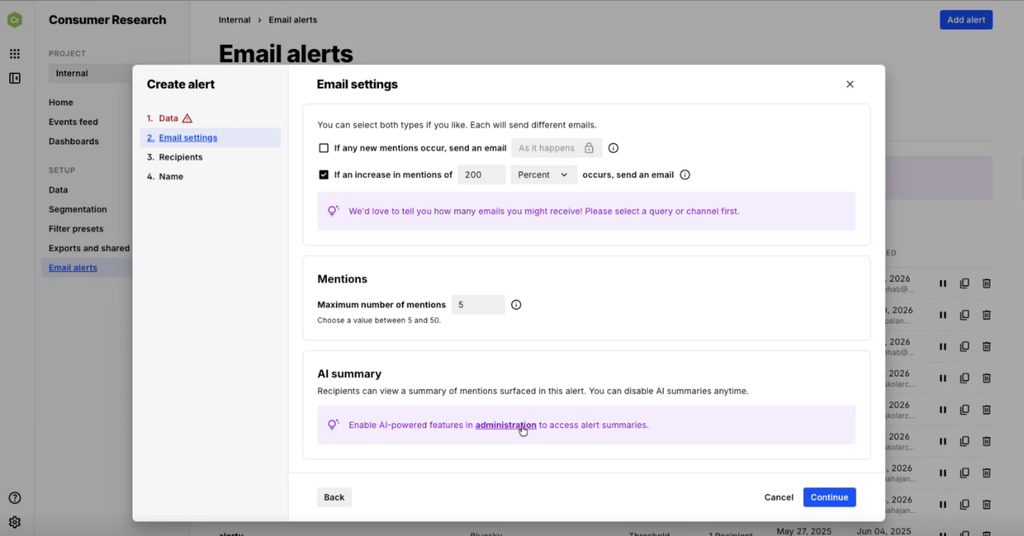
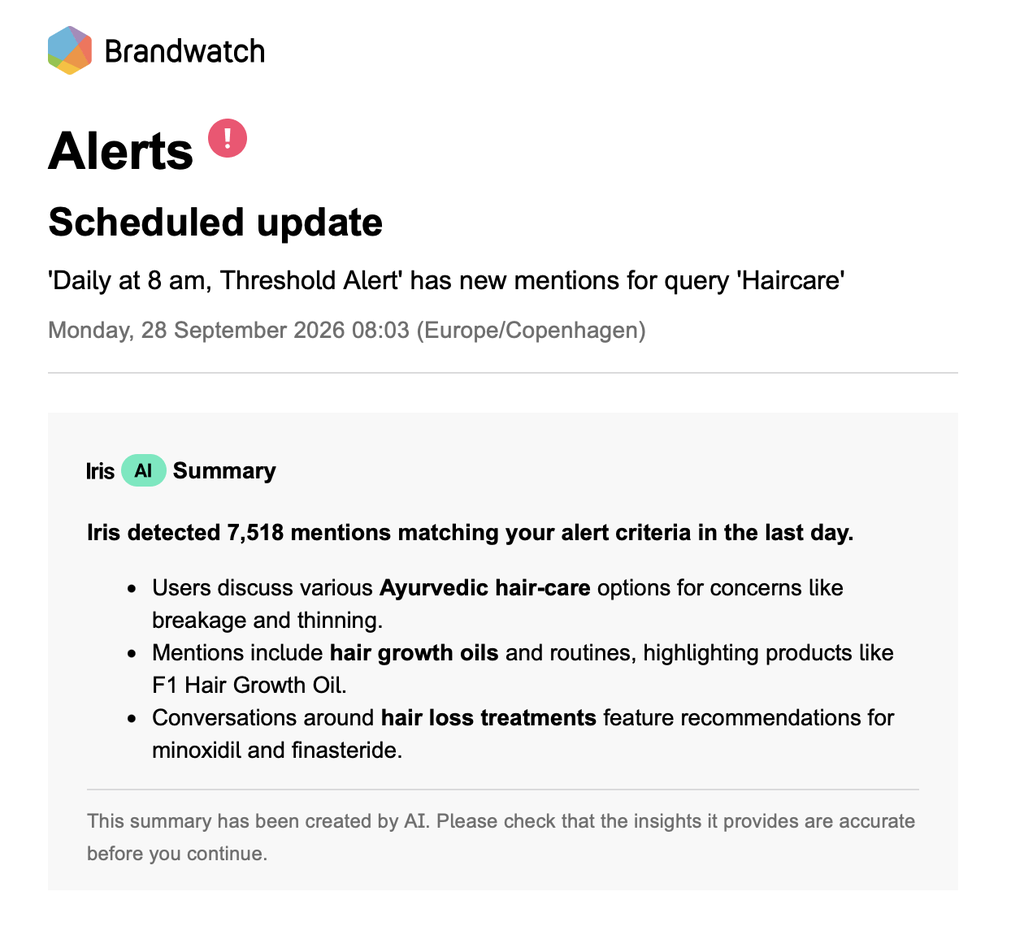
Brandwatch’s Enhanced Alert and Signal Emails now include AI-powered summaries directly in the inbox. These summaries provide a "TL;DR" (Too Long; Didn’t Read) of why a spike in conversation is occurring and whether it represents a genuine brand crisis or a benign trend. By providing this critical context instantly, stakeholders can make informed "respond or ignore" decisions without ever leaving their email client.
5. Bridging the Gap: Owned Social vs. Industry Benchmarks
Solution: Integrated Dashboards
For years, marketers have struggled to view their own performance metrics in the context of their broader industry. Metrics like engagement rate or follower growth are meaningless in a vacuum.
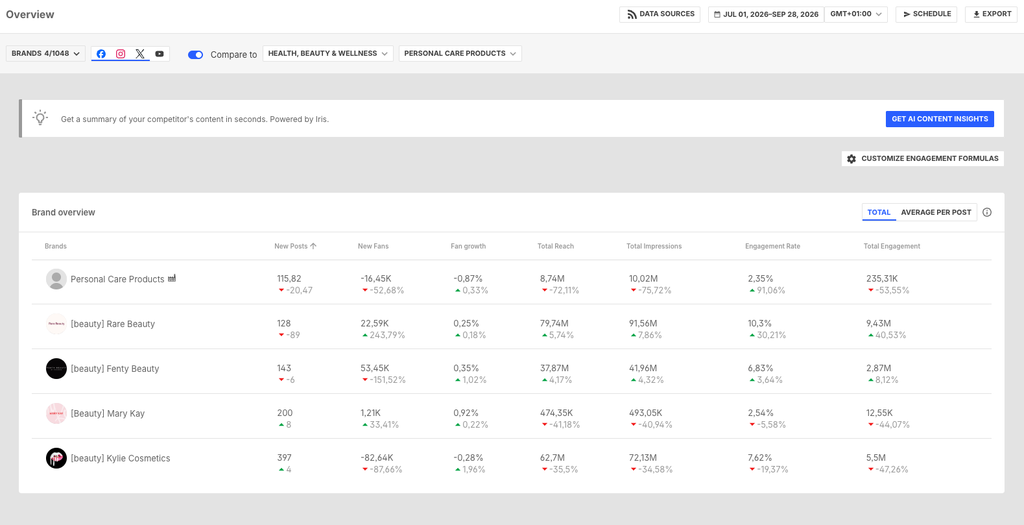
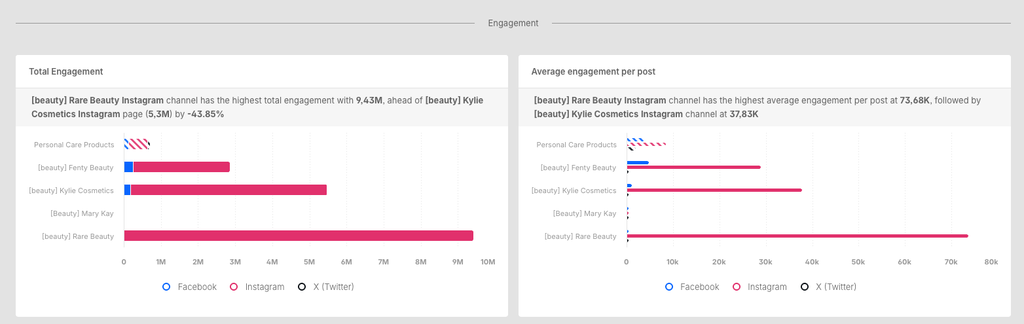
Brandwatch’s latest updates now allow users to overlay owned social performance against industry-wide data. By removing the silos between internal performance metrics and broader social sentiment, teams can benchmark their success with newfound precision. If a campaign is underperforming, the data can now clarify whether the issue is brand-specific or a reflection of a wider market downturn.
6. Redefining Creator Discovery
Solution: Social Media Management – Influence (Semantic YouTube Search)
The influencer marketing space has been hampered by keyword-based discovery tools that often fail to capture the vibe or context of a creator’s content. A creator might be a perfect fit for a brand’s aesthetic, but if their titles don’t contain specific keywords, they remain invisible.
Brandwatch’s Semantic Search for YouTube Creators utilizes natural language processing to find talent based on the actual context of their videos. This allows brands to move beyond superficial metrics and find creators who align with their brand values and thematic interests, leading to more authentic and effective partnerships.
7. Intelligent Routing in Engage
Solution: Engage
The final piece of the puzzle is customer response. For large organizations, the volume of incoming social messages can be overwhelming, often leading to slow response times and disgruntled customers.
Brandwatch has introduced an automated routing system in their Engage platform. By automatically identifying, organizing, and routing messages based on content, the system ensures that high-priority issues—such as security concerns or severe customer complaints—are routed to the appropriate teams immediately. This reduces the burden on community managers and ensures that brand responsiveness is consistent, regardless of message volume.
Implications for the Future of Work
The integration of these AI features suggests a broader shift in the digital intelligence industry. We are moving away from an era of "tools as repositories" and toward an era of "tools as assistants."
The Shift Toward Proactive Strategy
By automating the "drudge work"—query building, data categorization, and manual reporting—Brandwatch is freeing up human intelligence for its most valuable application: strategy. When analysts are no longer bogged down in the mechanics of data, they can focus on the why and the what’s next.
The Democratization of Insights
These tools lower the barrier to sophisticated market research. Smaller teams with limited resources can now compete with global enterprises, utilizing AI to "punch above their weight" by extracting professional-grade insights from the same vast datasets as their larger competitors.
Ethical Considerations and Accuracy
As with any AI integration, there is the inherent question of accuracy. Brandwatch has prioritized a "human-in-the-loop" philosophy. While the AI generates the summary or the query, the professional marketer remains the ultimate decision-maker. This hybrid approach—combining the raw processing power of machine learning with the strategic nuance of human experience—is likely the gold standard for the industry for the foreseeable future.
Conclusion: Staying Ahead of the Curve
The pace of digital conversation is not slowing down; if anything, the complexity of online discourse is increasing. For brands to remain relevant, they must be able to listen, understand, and act at the speed of the internet.
Brandwatch’s latest suite of AI updates represents more than just a feature release; it is a fundamental infrastructure upgrade for the modern marketing department. By reducing the time-to-insight, these tools provide the agility that modern brands need to turn data into meaningful, human-centric actions. In a marketplace where the first mover often wins, these AI-driven capabilities provide the critical edge required to stay ahead of the curve.

 Ammar Sabilarrohman
 Layla Zulfa
 Raul Delapena Setiawan
 Dwi Wanna
 Muslim
 Nana Wu

 Rifan Muazin