
 Dwi Wanna
In the rapidly evolving landscape of enterprise technology, history is not merely repeating itself—it is rhyming with alarming precision. As corporations scramble to integrate Generative AI into their workflows, many are falling into the same psychological and strategic pits that plagued the "digital transformation" era of the early 2010s.
Paul Boag, author of Digital Adaptation, argues that the current frenzy surrounding Artificial Intelligence is being framed as a technological challenge, when in reality, it is a profound human and cultural crisis. As organizations treat AI adoption as a simple software rollout, they risk alienating their workforce, fostering "shadow IT" environments, and ultimately failing to capture the productivity gains they so desperately seek.
The Chronology of Misstep: From CMS to Copilot
To understand the current AI landscape, one must look back at the transition period between 2010 and 2015. During this time, the corporate world was obsessed with "going digital." IT departments were tasked with deploying massive content management systems (CMS), customer relationship management (CRM) platforms, and internal intranets.
The 2014 Blueprint
In 2014, Boag’s Digital Adaptation identified a recurring pattern: organizations prioritized the purchase and installation of complex systems while completely neglecting the end-user experience. Systems were launched, but employees—the ones expected to operate these tools—were never trained, consulted, or incentivized to change their long-standing work habits.
The 2024 Parallels
Today, the cycle has restarted. Instead of CMS rollouts, it is "Copilot Studio" licenses and enterprise-wide AI implementations. Management teams are checking boxes on technological adoption, convinced that procurement is equivalent to implementation. The result is a workforce that feels both pressure to use tools they don’t understand and existential anxiety regarding their long-term job security.
Supporting Data: The Human Element of Productivity
The fundamental friction in AI adoption stems from a misalignment of incentives. For senior leadership, AI is a tool for productivity—the ability to churn out more output in the same eight-hour workday. However, for the average employee, this "productivity" offers no tangible benefit.
- The Incentive Gap: Employees are not gaining time back; they are being asked to do more with their existing bandwidth. Without a clear value proposition—such as relief from tedious, repetitive tasks or opportunities for career growth—staff have little natural motivation to pivot their workflows.
- Procedural Knowledge: Adoption requires more than a training seminar. It requires the dismantling of years, sometimes decades, of procedural knowledge. For an overworked employee, the cognitive load required to relearn their daily workflow is often perceived as an insurmountable tax on their time.
The Role of Social Proof
Data from previous digital shifts suggests that top-down mandates are the least effective way to drive change. Instead, success is found through "social proof." When employees witness a peer successfully utilizing a new tool to solve a specific, painful problem, they are significantly more likely to adopt the technology themselves. Encouraging internal "AI enthusiasts" to showcase their wins does more to foster adoption than any corporate memo or mandatory training session.
Official Responses and Governance: The "Safe to Fail" Paradox
The most common response from corporate leadership to the introduction of AI has been to implement rigid, restrictive governance. While data security is paramount, the current approach often stifles the very innovation it aims to promote.
The Culture of Fear
Many organizations maintain a "culture of zero-defect," where any mistake is treated as a performance issue. When applied to a new, experimental technology like AI, this creates a state of paralysis. Employees who are reprimanded for high token usage or "misuse" of an AI prompt quickly learn that the safest path is to ignore the new technology entirely.
Governance vs. Trust
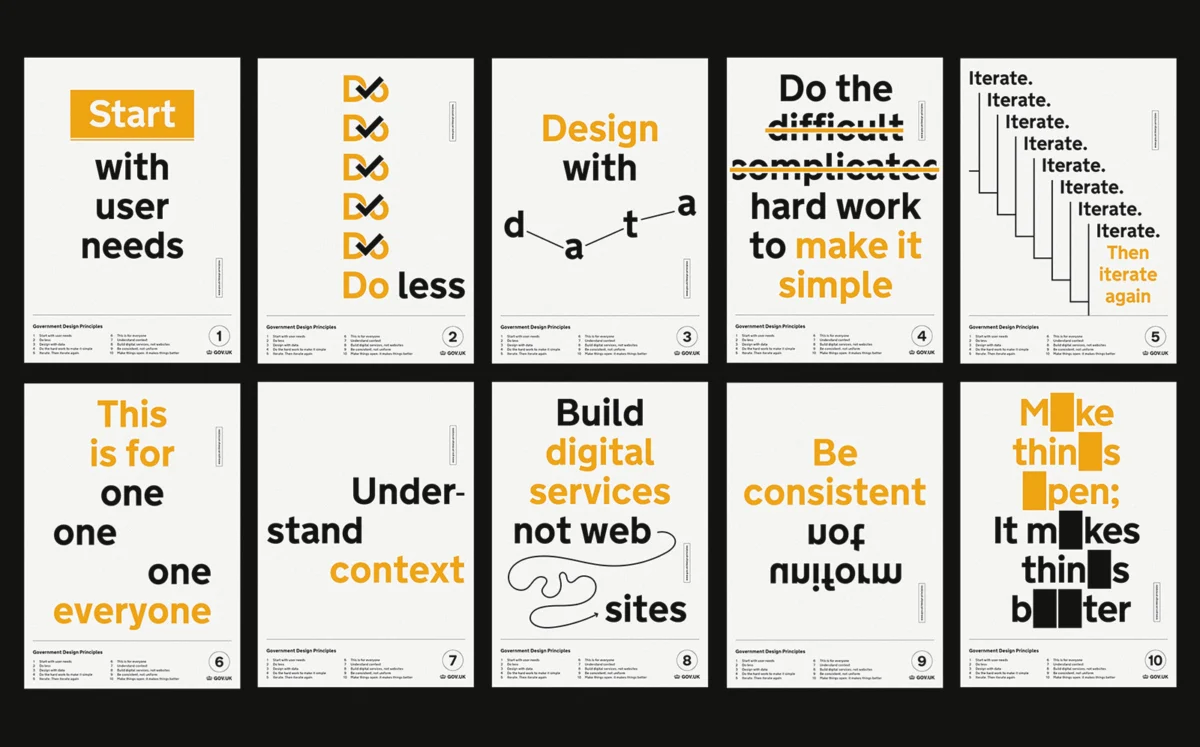
Industry experts recommend moving away from exhaustive, restrictive rulebooks that no one reads. Instead, organizations should adopt a "principles-based" approach. Similar to the UK government’s design principles, these should be concise enough to fit on a poster. By providing a few key guidelines and trusting staff to exercise common sense, organizations create a "safe-to-fail" environment that encourages iterative learning.
Implications: The Rise of "Shadow AI"
Perhaps the most dangerous implication of restrictive, slow-moving IT policies is the rise of Shadow AI. Much like the "Shadow IT" of the early 2010s—where employees bypassed company servers to use Dropbox or Google Docs—modern employees are bypassing corporate AI tools to use personal accounts on ChatGPT, Claude, or Midjourney.
The Risk of Underground Adoption
When employees feel that official company tools are inadequate or blocked by bureaucratic "steering committees," they take their data elsewhere. This creates a significant security risk: company intellectual property is fed into external, unvetted models with no oversight or corporate record.

A New Strategic Approach
Rather than attempting to stamp out Shadow AI, organizations should treat it as a diagnostic tool. Shadow usage indicates exactly where existing systems are failing. If an employee is using a personal account to perform a specific function, the organization should study that use case and incorporate it into the formal, secure, and approved technology stack.
Conclusion: Reframing the Strategy
The narrative that AI is purely a "technological challenge" is the most significant barrier to success. True transformation is a function of people, culture, and change management.
Organizations that insist on controlling the AI process through centralization and restriction will inevitably move too slowly to remain competitive. Conversely, those that empower their staff to experiment—accepting the messiness of the early adoption phase as the "cost of doing business"—will find themselves better positioned to integrate AI effectively.
As we look toward the future, the lessons of the last decade remain clear: if you do not make it safe for your employees to fail, you will never allow them to succeed. The race to adopt AI is not a sprint to implement software; it is a marathon of cultural adaptation. Organizations that ignore the human side of the equation do so at their own peril, risking not just lost productivity, but the loss of the very workforce they need to drive their future.


 Sagoh
 Asep Darmawan

 Raul Delapena Setiawan

 Reynand Wu



 Azzam Bilal Chamdy

 Ali Ikhwan
