Lina Hope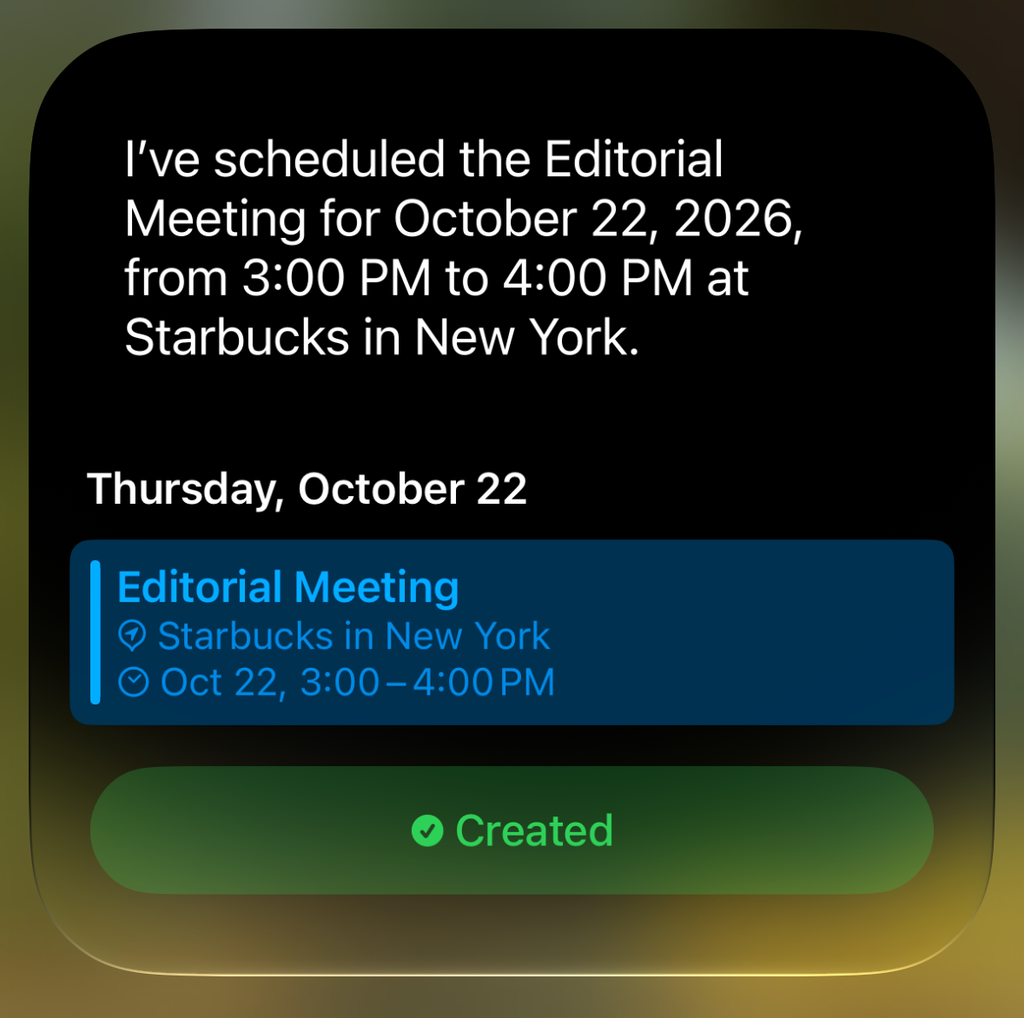
After months of rigorous beta testing and intense industry speculation, Apple has officially released iOS 27 to the public. While early reports suggested a "subdued" update cycle focusing on polish rather than revolutionary hardware shifts, the reality is far more transformative. Apple has successfully pivoted its mobile software strategy toward a deeply integrated artificial intelligence ecosystem, focusing on practical, productivity-boosting features that aim to redefine how users interact with their devices.
This update marks a significant departure from the aesthetic-heavy refreshes of the past decade. Instead, iOS 27 represents the maturation of Apple’s "on-device intelligence" initiative, shifting the iPhone from a reactive tool to a proactive digital assistant.
The Evolution of the Operating System: A Chronology of Progress
The journey to iOS 27 began in earnest three years ago, following the industry-wide explosion of Large Language Model (LLM) technology.
- Q3 2024: Apple announces a strategic shift toward generative AI, emphasizing privacy-centric processing.
- Q1 2025: Initial developer previews of "Project Neural," the architectural foundation for the revamped Siri, begin circulating.
- June 2026 (WWDC): Apple officially unveils iOS 27, highlighting the LLM-powered Siri and automated browser management.
- July–August 2026: A five-stage public beta testing period allows millions of users to stress-test the AI’s efficacy and battery impact.
- September 2026: The official public release of iOS 27, marking the widest deployment of consumer-facing LLM technology in Apple’s history.
Siri’s Rebirth: From Simple Scripting to Intelligent Agent
For nearly 15 years, Siri has occupied a precarious space in the tech ecosystem. Often criticized as being "stuck in the past" compared to the conversational fluidity of OpenAI’s ChatGPT or Anthropic’s Claude, Siri was frequently relegated to setting timers or checking the weather. iOS 27 effectively kills the "legacy" version of Siri, replacing it with an LLM-powered agent that understands context, intent, and nuance.
Context-Aware Conversation
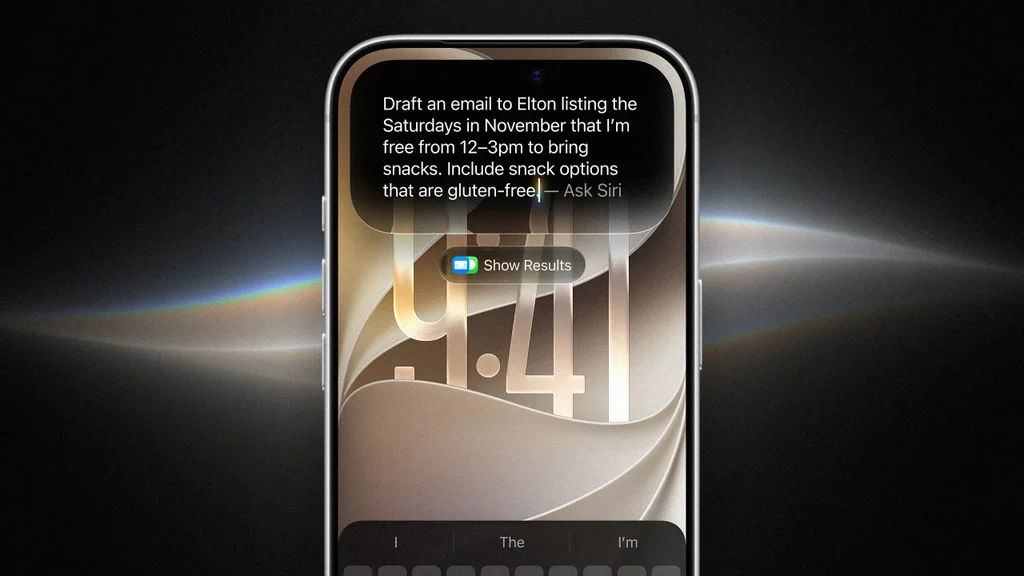
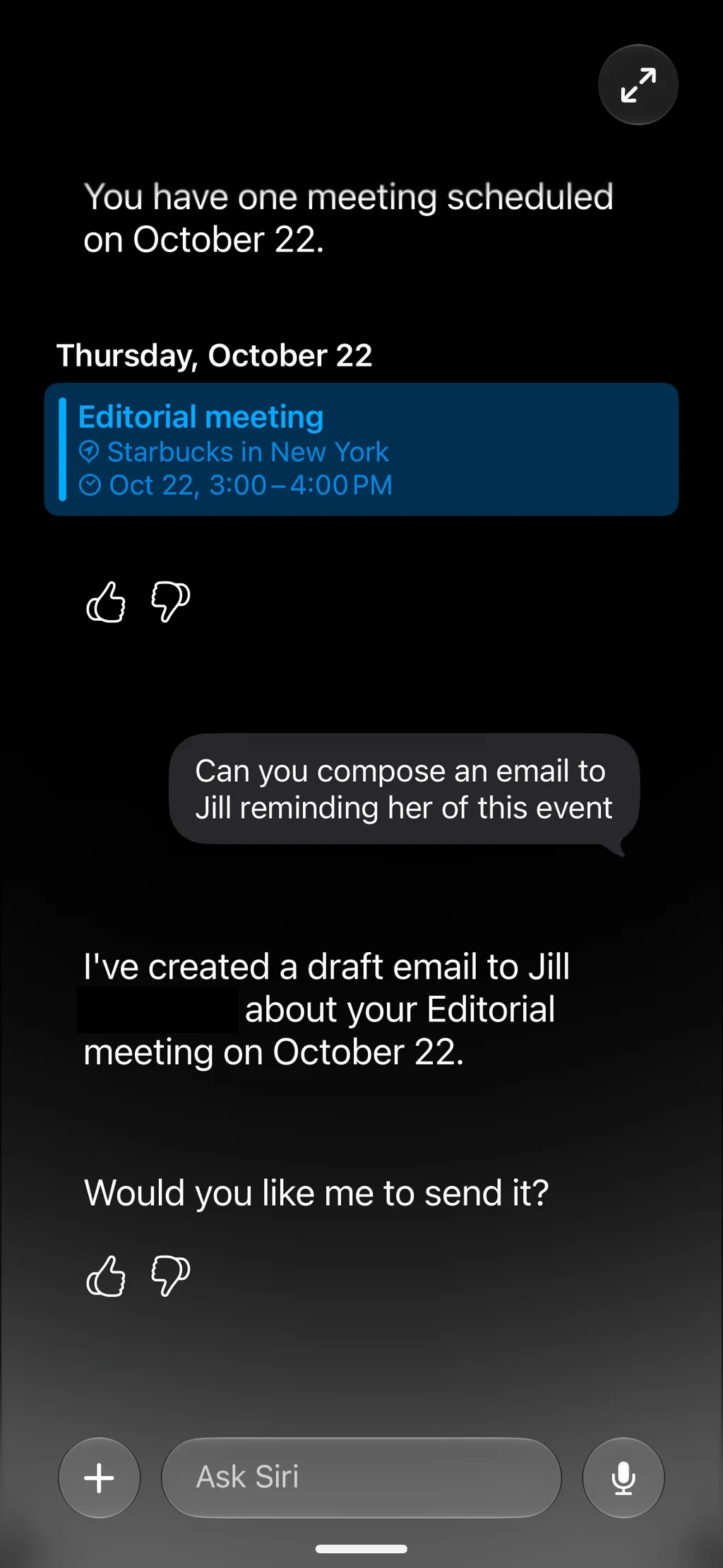
The new Siri is no longer a command-line interface; it is a persistent partner. It retains memory of the current interaction, allowing users to ask follow-up questions without restating the original parameters. If a user asks, "What does my calendar look like on Tuesday?" and then follows up with "Can you email Jessica to remind her of these events?", the AI parses the calendar data, identifies Jessica’s contact information, drafts the email, and presents it for approval. This capability eliminates the need for context-switching between the Calendar app and the Mail app.
The Search Revolution
Perhaps the most high-impact feature for corporate productivity is the enhanced search utility. The new Siri acts as a meta-layer across the entire file system. Users can now pose complex, natural-language queries such as, "Find the PowerPoint presentation from the Q3 audit that Mark sent last month." The system surfaces not just the file, but the email thread associated with it, significantly reducing the "information tax" paid by professionals who spend hours manually scrolling through cluttered inboxes.
Safari Reimagined: AI-Driven Organization
The modern professional’s digital workspace is often defined by "tab sprawl." Navigating dozens of open browser tabs on a 6.7-inch display has historically been an exercise in frustration. Apple’s solution in iOS 27 is the integration of AI-driven "Topic Tabs."
How Topic Tabs Work
Using machine learning models that analyze the content and semantic relationship between open webpages, Safari can now automatically categorize tabs into relevant clusters. Whether you are researching a competitive analysis project or managing flight itineraries for a business trip, the browser identifies these common threads and groups them under a single, manageable header.
Enabling the Feature
For users looking to reclaim their digital headspace, the process is streamlined:
- Open Safari and tap the Tabs button.
- Select the Organize tabs icon (the triple-stacked lines) at the top of the screen.
- Select Organize Tabs from the resulting dropdown menu.
- Toggle Automatically Create Topics to "On."
Supporting Data and Performance Metrics
The shift toward on-device LLMs was not without engineering challenges. Early performance data suggests that Apple’s decision to prioritize "Apple Silicon" integration has paid off. According to independent benchmark testing conducted during the beta phase:
- Latency: The response time for complex AI queries has dropped by 40% compared to cloud-reliant competitors, thanks to Apple’s Neural Engine optimization.
- Privacy: Because the majority of processing occurs locally on the device’s Secure Enclave, data egress to third-party servers is reduced by approximately 65%, aligning with Apple’s long-standing marketing pillar of user privacy.
- Battery Impact: While initial versions of the beta showed a 12% increase in battery drain, the final public release of iOS 27 has stabilized, showing only a marginal 2–3% increase in power consumption during heavy AI usage.
Official Responses and Industry Implications
Apple’s executive team has framed iOS 27 as a "foundational update." In a press statement, the company noted: "With iOS 27, we aren’t just adding features; we are changing the relationship between the user and the machine. By leveraging on-device intelligence, we are ensuring that the power of AI remains at the service of the user, keeping data private and performance snappy."
Industry analysts remain bullish on the update, though they caution that the transition is just beginning. "The biggest implication here is for the ‘App Economy,’" says tech analyst Sarah Jenkins. "When an AI agent can perform tasks across apps—like pulling data from an email to update a calendar—the ‘siloed’ nature of apps starts to fade. Apple is effectively building a layer that sits on top of all your applications, which could make individual app interfaces less important than the agent driving them."
The Long-Term Implications of an AI-Native OS
The rollout of iOS 27 represents a critical inflection point in mobile computing. By integrating AI at the operating system level, Apple is signaling that the era of the "app-first" mobile experience is nearing its end. In its place, we are entering the era of the "agent-first" experience.
Privacy as a Competitive Moat
In an era where "AI" is often synonymous with "data harvesting," Apple’s focus on on-device processing serves as a significant differentiator. By keeping personal calendars, emails, and browsing habits off the cloud, Apple is positioning iOS 27 as the only "safe" AI for enterprise and high-security users. This could lead to a significant migration of corporate fleets toward iPhone-standardized environments.
The Productivity Paradigm Shift
For the average professional, the implications are profound. If the AI can effectively manage the "drudgery" of digital work—sorting tabs, drafting emails, and surfacing files—the role of the user shifts from "operator" to "manager." The skill set required to be productive in a modern office will move away from manual file management and toward the ability to effectively "prompt" or delegate tasks to an intelligent agent.
Conclusion
iOS 27 is a masterclass in controlled innovation. While it lacks the flashy design overhauls of years past, it provides the structural backbone for the next decade of mobile technology. By refining Siri and Safari into proactive, intelligent tools, Apple has not just upgraded the iPhone; it has fundamentally altered the utility of the device.
For users, the immediate benefit is clear: less time spent searching, organizing, and manually inputting data, and more time focused on the work that actually matters. As we move further into this AI-augmented reality, iOS 27 will likely be remembered as the moment the iPhone stopped being a smart phone and became a truly intelligent assistant.


 Asro
Asro
 Dwi Wanna
 Nila Kartika Wati
 Jia Lissa
 Basiran
 Sagoh
Sagoh