
 Muslim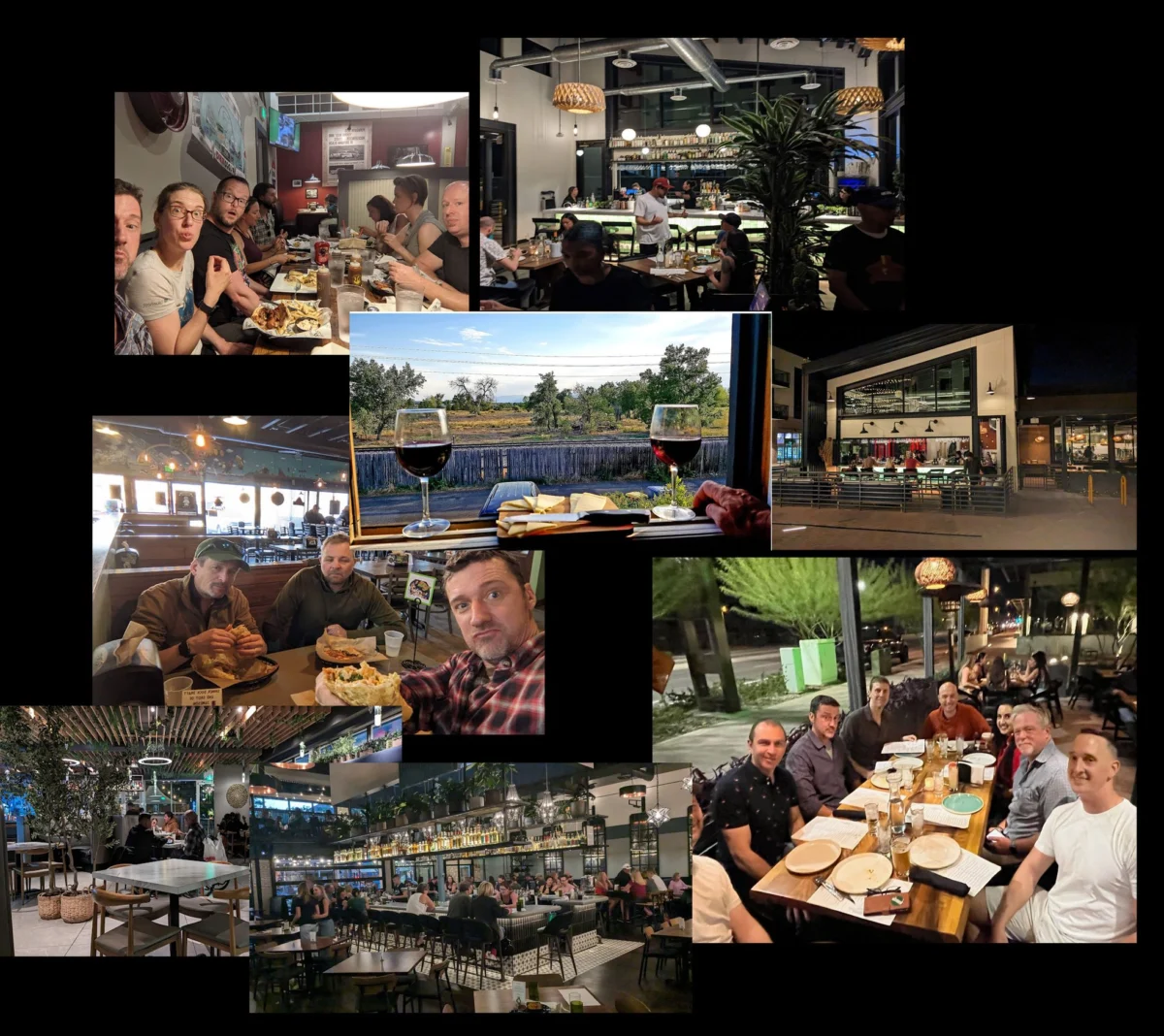
In the world of personal finance, few figures hold as much weight as Pete Adeney, better known to his legions of followers as Mr. Money Mustache (MMM). For nearly two decades, his blog has served as the foundational text for the Financial Independence, Retire Early (FIRE) movement. His philosophy was simple: extreme frugality, radical self-reliance, and a laser focus on saving to buy back one’s time. However, a recent shift in his personal spending habits has sparked a nuanced conversation about the role of money once financial independence is fully secured.
Adeney’s latest financial disclosure reveals that even after consciously deciding to "spend more money" and embrace an "abundance mindset," his annual expenses remain remarkably low. This article examines his transition from a Spartan saver to a lifestyle optimizer, the data behind his 2024 spending, and what his journey implies for the future of the FIRE community.
The Philosophy of the "Abundance" Shift
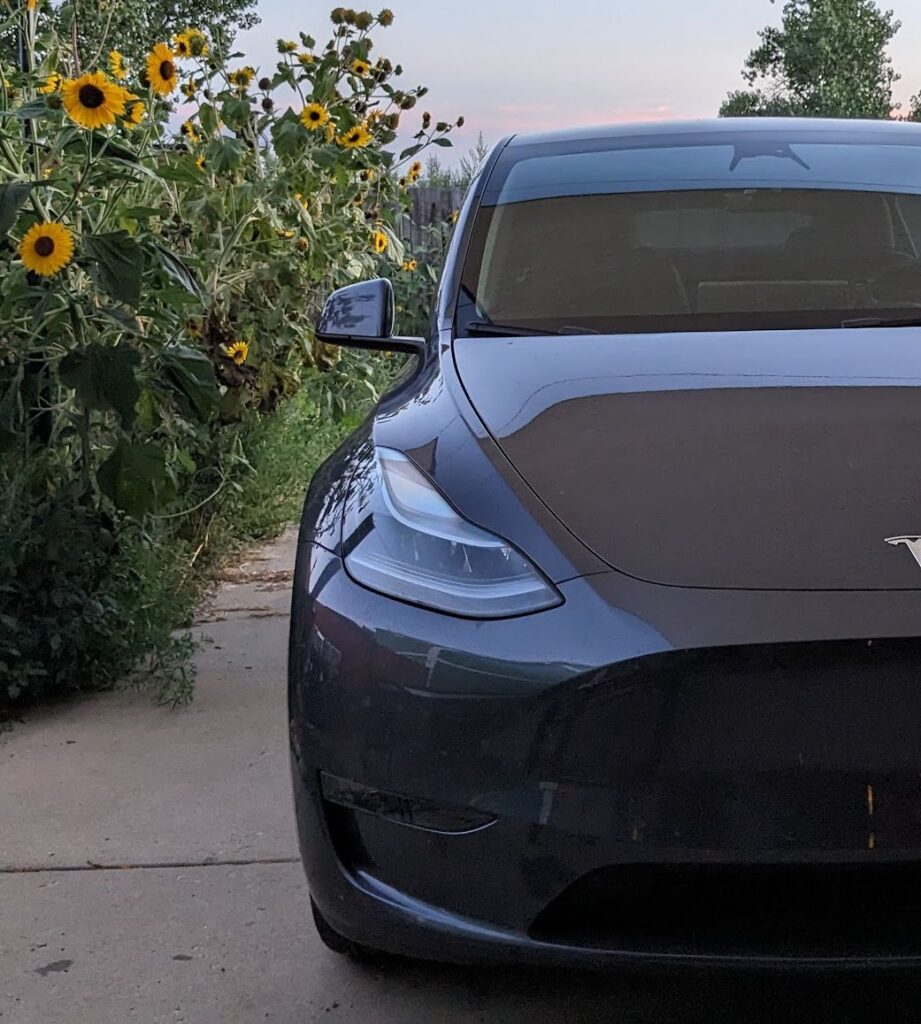
Two years ago, Adeney surprised his audience by purchasing a Tesla Model Y—a departure from his long-standing reputation for driving older, modest vehicles. This wasn’t just a car purchase; it was a symbolic step toward a new phase of his life. After years of optimizing for the highest possible savings rate, Adeney sought to test whether a slight increase in spending could lead to a disproportionate increase in life satisfaction.
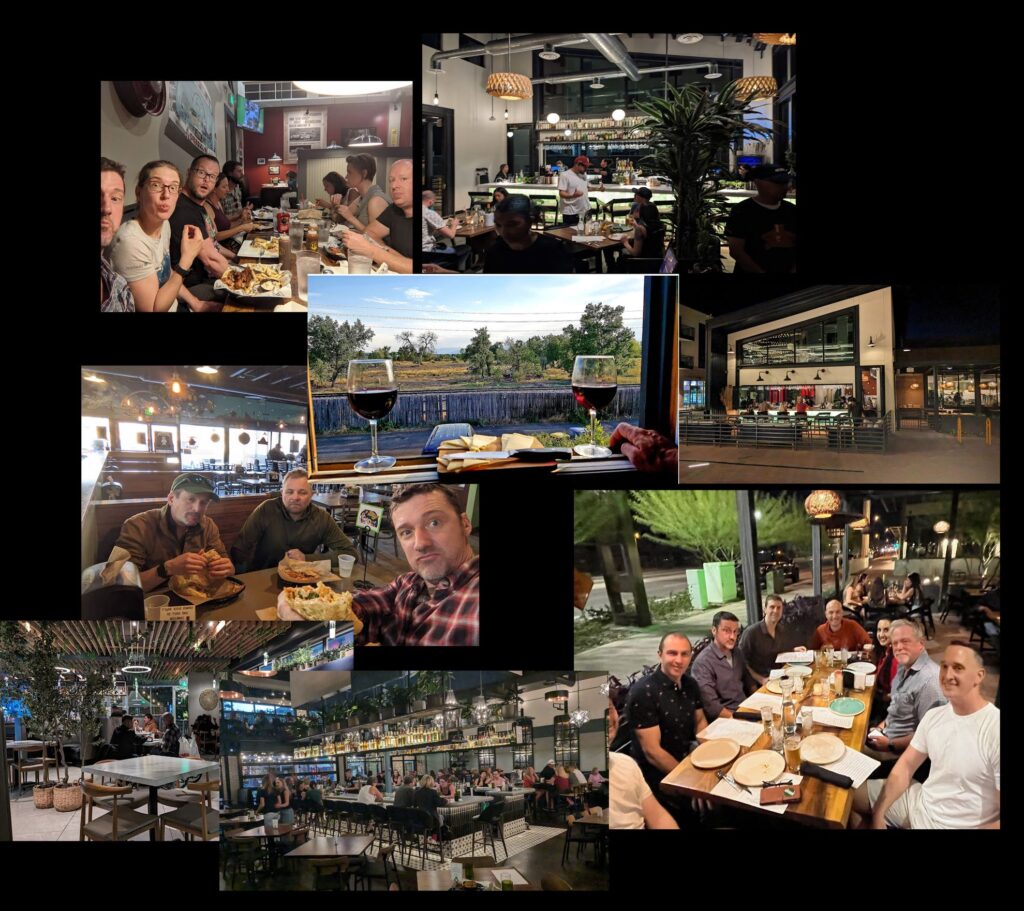
He labeled this the "abundance mindset." Instead of viewing every dollar as a potential investment lost, he began to view money as a tool for facilitating experiences. This included traveling more frequently, dining at higher-quality establishments, and prioritizing comfort in logistics, such as choosing better flight options and opting for premium grocery retailers like Whole Foods.
"I’m such an enlightened middle-aged Badass, adjusting habits and realigning myself at the snap of my fingers," Adeney remarked in his reflections. The goal was not to abandon his core principles, but to evolve them to fit a life where his primary financial needs had been met for nearly twenty years.
Chronology of an Evolving Lifestyle
To understand the trajectory of this experiment, one must look at the timeline of his transition:
- Pre-2022 (The Foundation): Adeney maintained a rigid, highly optimized budget focused on extreme efficiency. The priority was building a nest egg large enough to ensure perpetual financial freedom.
- 2023 (The Pivot): The purchase of the Tesla Model Y signaled a departure from pure utilitarian consumption. He began consciously loosening the purse strings, prioritizing comfort and adventure.
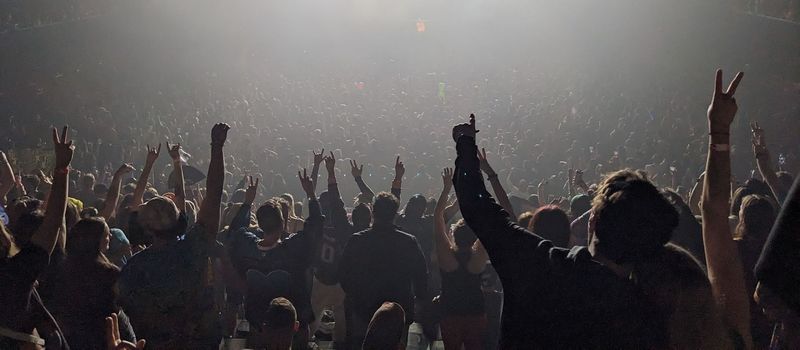
- 2023-2024 (The Abundance Phase): Adeney spent the year traveling, attending EDM concerts with his son, and visiting immersive art installations like Meow Wolf. He operated as a single man with an open schedule, allowing for spontaneous social and travel opportunities.
- Early 2025 (The Audit): After two years of "carefree" spending, Adeney conducted an informal audit of his finances, comparing his new lifestyle costs against his historical data. The results were unexpected: the "flashy" spending had barely moved the needle on his overall financial health.
Analyzing the Data: The $30,000 Reality
One of the most compelling aspects of Adeney’s report is the transparency of his annual ledger. Despite his perception that he was "spending like a wealthy person," his total annual expenditure for 2024 came to approximately $30,026.76.
The 2024 Budget Breakdown
| Category | Personal | Business | Total |
|---|---|---|---|
| Groceries | $5,465.56 | $494.83 | $5,960.39 |
| Travel | $3,982.00 | $2,176.77 | $6,158.77 |
| Healthcare | $813.20 | $2,723.46 | $3,536.66 |
| House/Amazon | $949.64 | $2,604.46 | $3,554.10 |
| Auto Expenses | $2,191.68 | $233.53 | $2,425.21 |
| Utilities | $1,909.51 | 0 | $1,909.51 |
| Property Taxes | $2,577.30 | 0 | $2,577.30 |
| Other (Booze, Phone, Net) | $250.67 | $1,410.56 | $1,661.23 |
| TOTAL | $20,284.67 | $9,742.09 | $30,026.76 |
The data reveals that even with travel-heavy hobbies and premium food choices, his "baseline" expenses remain remarkably low. A significant portion of this is attributed to the absence of a mortgage payment. By owning his home outright, he eliminates the single largest expense facing most Americans. Furthermore, his DIY approach to home maintenance—pruning trees, plumbing, and general repairs—keeps his "House" costs significantly lower than the average homeowner.
Implications of the "Mustache" Model
The Myth of Housing Costs
Adeney argues that the "paid-off house" strategy is his greatest wealth-preservation tool. While some financial analysts would argue that taking a low-interest mortgage and investing the excess capital in the stock market yields a higher mathematical return, Adeney values the psychological "peace of mind" that a mortgage-free life provides. For him, the lack of a monthly payment is not just a financial decision; it is a lifestyle optimization that eliminates stress and provides a buffer against economic volatility.
Healthcare in the FIRE Era
Perhaps the most notable section of his report concerns healthcare. By utilizing a combination of a Direct Primary Care (DPC) subscription and a health-sharing organization (Sedera), Adeney manages his health costs for roughly $308 per month. This system provides him with personalized care and protection against catastrophic events without the high premiums of traditional insurance. While he acknowledges this might not work for everyone, it underscores the importance of seeking alternative, non-traditional solutions when navigating life outside the corporate 9-to-5 structure.
The Problem of "Persistent Problems"
Adeney references a key principle of happiness: Fixing persistent problems is more effective than doubling down on things that are already good.
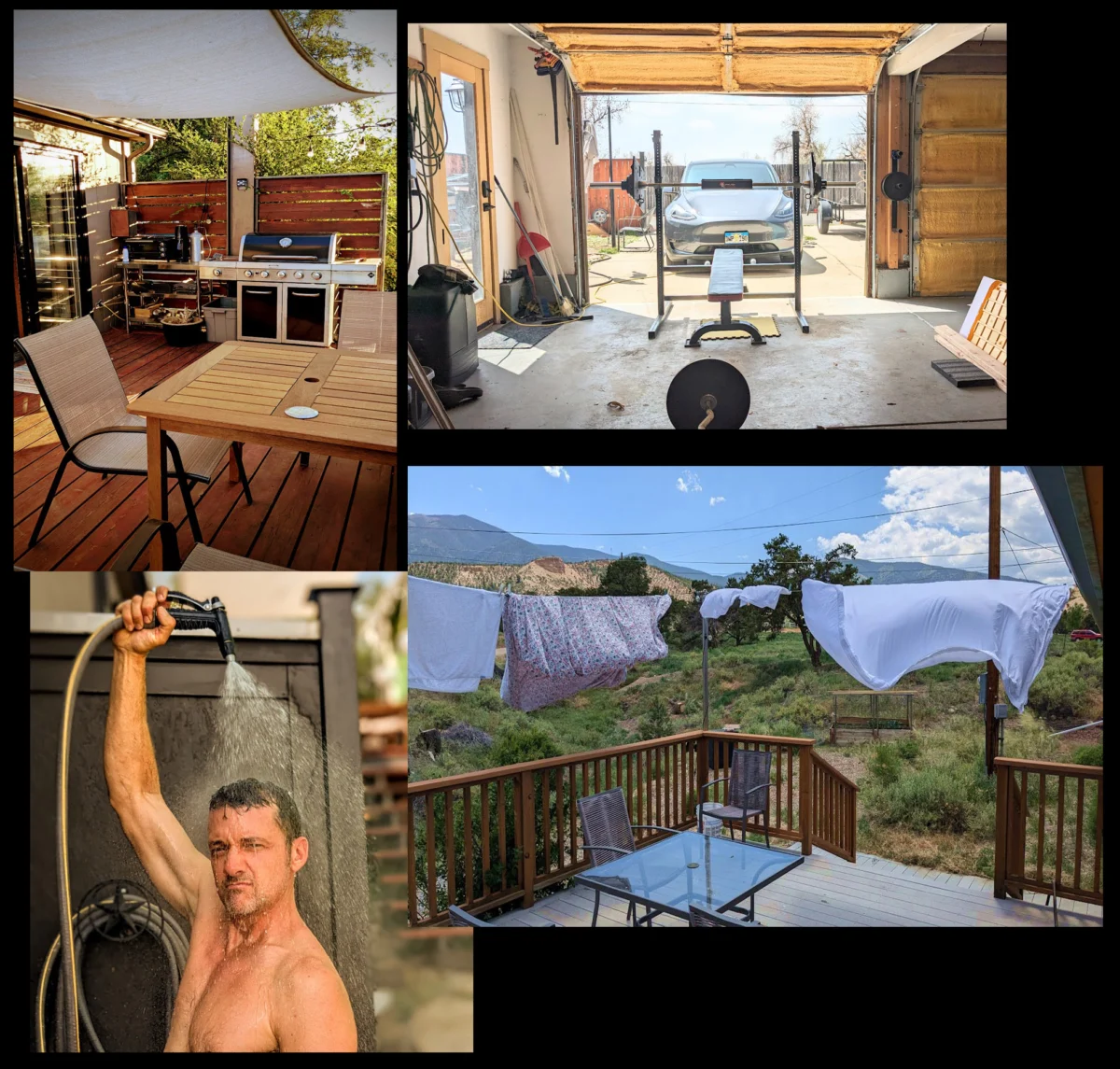
Currently, his "persistent problem" is physical space. His hobbies (music and construction) have outgrown his two-car garage. He acknowledges that he could theoretically solve this by moving to a larger property or building a mountain compound, but he weighs this against the loss of his current community, neighbors, and lifestyle satisfaction. His conclusion is to stay the course, optimizing his current space rather than chasing an upgrade that might not yield a proportional increase in happiness.
Official Perspective and Future Outlook
Looking toward 2025, Adeney remains committed to his "abundance mindset." He views money not as a score to be kept, but as a resource for life-enrichment. His experiments—whether they involve purchasing an EV or traveling for concerts—serve as a roadmap for those who have reached financial independence but struggle to shift from "saving mode" to "living mode."
The broader implication for the FIRE community is clear: financial independence is not merely about reaching a number; it is about the freedom to design a life that aligns with one’s values. For Adeney, that value is not luxury, but vitality—a life filled with friends, healthy food, creative projects, and the freedom to pursue experiences without the constant anxiety of a shrinking bank balance.
As he prepares for the coming year, Adeney’s message is one of optimism. He suggests that if one has mastered the basics of frugality and wealth accumulation, the next challenge is to master the art of spending well. Whether it involves buying an electric vehicle before potential tax credits vanish or simply investing more time into community-building, the "Mustache" philosophy continues to evolve.
In the final assessment, the experiment has been a success. By spending slightly more, Adeney has found that he hasn’t compromised his future—he has merely enhanced his present. The lesson for the reader is not necessarily to follow his exact budget, but to recognize when they have enough to start focusing on the "Good Life" they have spent years working to achieve.

 Ali Ikhwan
 Layla Zulfa
 Laily UPN
 Iffa Jayyana
 Rifan Muazin
 Suro Senen
 Lina Hope
 Lina Irawan