
 Muslim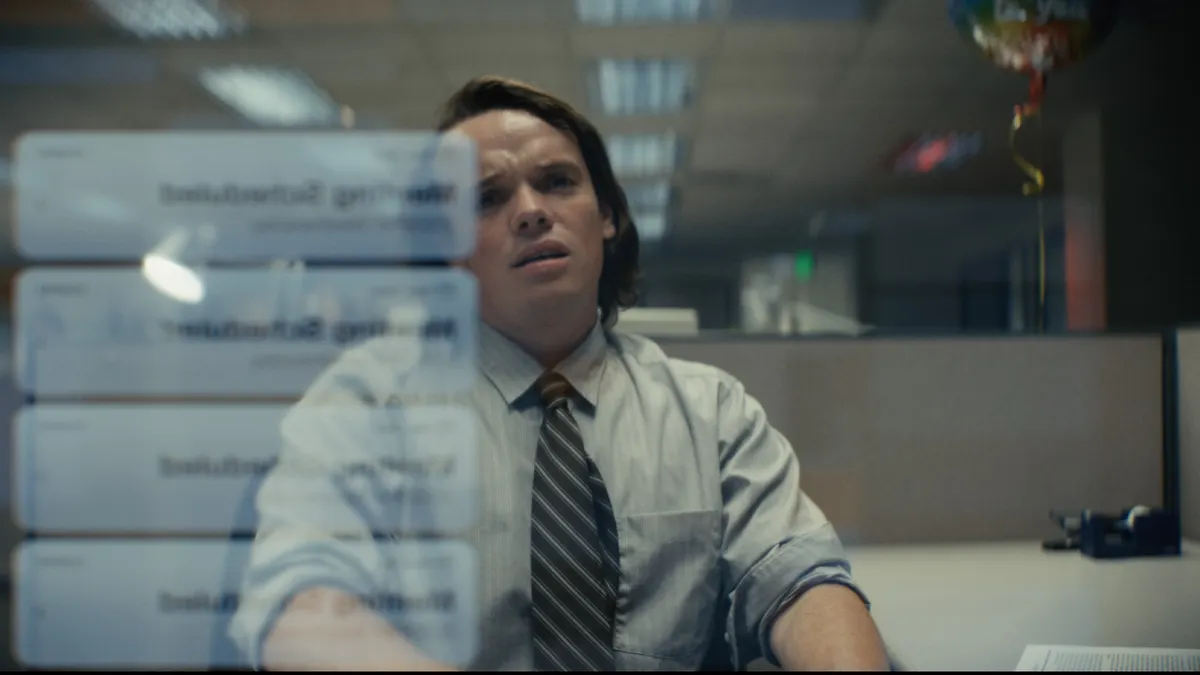
In an era defined by perpetual connectivity and the blurring lines between professional and personal life, Southwest Airlines is betting on a counter-intuitive message: the best way to regain control is to simply disconnect. The carrier recently unveiled its latest integrated marketing campaign, titled “Enter Airplane Mode,” a strategic initiative that combines cultural commentary, celebrity star power, and a direct appeal to the growing legion of loyalty program members who are increasingly weary of the daily grind.
As Southwest navigates a complex aviation landscape, this campaign marks more than just a seasonal promotion; it represents a fundamental shift in how the airline positions itself in the lives of the modern, stressed-out traveler.
The Core Concept: Finding Solace in the Skies
At the heart of the “Enter Airplane Mode” campaign is a sharp observation of the current American psyche. Backed by a Southwest-sponsored survey, the data paints a sobering picture of the modern workforce: 76% of Americans report feeling significantly burned out, while 68% identify travel as one of the few remaining instances where they feel truly in control of their time and environment.
The campaign, developed in collaboration with longtime creative partner GSD&M, leans into the airline’s historical penchant for “cheeky” marketing. The title is a dual-layered play on words, referencing both the mandatory mobile device setting required during flight and the broader, metaphorical need for consumers to “switch off” from the digital noise of their professional lives.
To bring this vision to life, the airline tapped directors Will Speck and Josh Gordon. The creative narrative is anchored by the voice of Adam Scott, the actor best known for his role in the workplace psychological thriller Severance. By casting Scott, Southwest has injected a layer of meta-cultural relevance into its spots; his voiceover work brings a recognizable, slightly cynical, yet empathetic tone that resonates with the very demographic currently struggling to balance the demands of the modern office.
Chronology of the Campaign Launch
The rollout of “Enter Airplane Mode” arrived on October 8, 2026, following a year of significant operational and branding shifts for the Dallas-based airline.
- June 2025: Southwest signals a major evolution in its customer experience by launching the “Are You Sitting Down?” campaign, which introduced the industry-standard practice of assigned seating—a departure from its historic open-seating policy.
- Early 2026: Throughout the first and second quarters, the airline reports record-breaking financial performance, including a Q2 operating revenue of $8.4 billion, a 16.4% year-over-year increase.
- Mid-2026: Internal data shows a massive surge in rewards program enrollment, which jumped 35% year-to-date, providing the impetus for a marketing campaign that rewards this growing base.
- October 2026: Official launch of “Enter Airplane Mode” across television, digital, and social platforms, supported by a media strategy orchestrated by agency Sparks Foundry and content strategy by Later.
Supporting Data: Why Now?
The timing of the campaign is not accidental. It arrives as the travel industry faces a unique set of macroeconomic challenges. Earlier in 2026, fuel costs tied to geopolitical volatility led to a 21% year-over-year increase in airfare, putting significant pressure on the average consumer’s wallet.
According to the Barclays 2025 Travel Rewards and Loyalty Report, the reliance on such programs has become a survival mechanism for the modern traveler. Nearly 80% of frequent flyers now explicitly rely on loyalty programs to subsidize their travel, while 72% of millennials specifically utilize these points to stretch their travel budgets in an inflationary environment.
Southwest’s own research reinforces this necessity. Their internal survey of 2,001 Americans revealed that approximately 75% of individuals fail to utilize their full allotment of paid time off, and 34% have not embarked on a trip longer than two days in over a year. By highlighting the utility of their rewards program—which is currently nearing a milestone of 100 million members—Southwest is positioning its loyalty currency not just as a perk, but as an essential tool for mental health and recovery.
The Creative Narrative: "Meetings" and "Mass Transit"
The campaign’s television spots are designed to be relatable vignettes of modern frustration. In the primary spot, titled “Meetings,” an office worker is physically overwhelmed by a deluge of digital notification bubbles and calendar invites. The visual chaos of the office is abruptly silenced as he steps onto a Southwest flight, the screen transitioning to the calm, controlled environment of the cabin.

The 15-second counterpart, “Mass Transit,” takes a more direct approach to the indignities of daily life, showing a commuter trading the chaotic stress of public transit for the relative luxury of air travel. Both spots utilize the recurring hook: “Have you hit your booking point?”—a clever play on the phrase “hitting your breaking point.” The pun invites viewers to stop waiting for a collapse and instead, proactively book their escape.
Implications for the Airline Industry
The “Enter Airplane Mode” campaign has several profound implications for Southwest and the broader airline industry:
1. The Loyalty Program as a Brand Anchor
With the rewards program membership swelling by 35%, Southwest is transitioning from being an airline that sells tickets to a lifestyle partner that facilitates breaks from reality. By focusing on the “points-as-vacation” narrative, they are deepening the emotional connection with their most loyal customers.
2. Cultural Resonance as a Competitive Advantage
By leveraging Adam Scott—a figure inextricably linked to the critique of corporate culture—Southwest is signaling that they understand the modern employee. This is a deliberate move to differentiate themselves from legacy carriers that often lean into more traditional, aspirational imagery of luxury or exotic destinations. Instead, Southwest is focusing on the relief of travel.
3. Financial Stability and Brand Overhaul
The company’s record-setting revenue growth in Q2 2026 provides a robust platform for this marketing investment. Having successfully navigated the transition to assigned seating, the airline is now using its newfound stability to pivot toward a more sophisticated brand identity. The goal is to shed the image of a low-cost, no-frills operator and embrace the persona of a reliable, empathetic partner for the modern, busy professional.

4. Responding to the "PTO Crisis"
By focusing on the fact that three-quarters of Americans leave paid time off on the table, Southwest is effectively creating a new market. They are not just competing with other airlines for existing travelers; they are attempting to convert non-travelers into active flyers by framing the act of booking a flight as a necessary act of self-care.
Conclusion
As the “Enter Airplane Mode” campaign gains traction, it serves as a masterclass in reading the room. Southwest has successfully identified a pervasive consumer pain point—the feeling of being constantly “on”—and offered a clear, actionable solution.
By combining the financial incentive of a massive, growing rewards program with the psychological relief of “checking out,” the airline is not only driving bookings but also fostering a deeper sense of brand loyalty. Whether the campaign will move the needle on the 75% of Americans who currently ignore their vacation time remains to be seen, but the strategy is undeniably sound: in a world of constant notification, the most valuable luxury an airline can offer is the permission to turn everything off.
As Southwest continues to report record-breaking financial success, this campaign reinforces the idea that their greatest strength lies not just in their planes or their pricing, but in their ability to understand the humans sitting in the seats—and the chaotic lives they left behind on the ground.

 Suro Senen
 Raul Delapena Setiawan
 Laily UPN
 Iffa Jayyana
 Rifan Muazin
 Lina Hope
 Lina Irawan