
 Nana Wu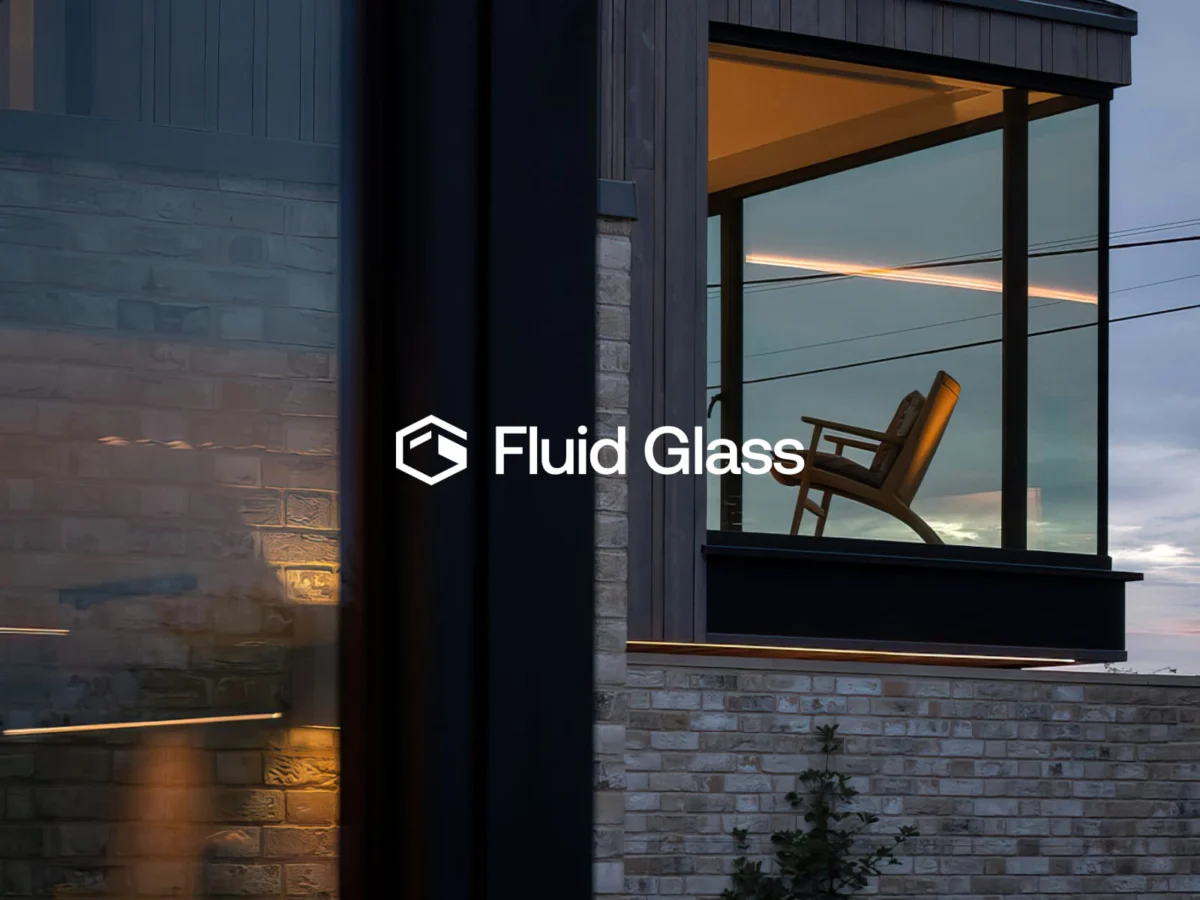
Introduction
In the high-stakes world of structural and architectural glazing, the bridge between an architect’s vision and the final, physical installation is built on a foundation of extreme precision. UK-based firm Fluid Glass has long been a quiet powerhouse in this sector, specializing in bespoke residential and commercial projects where the margin for error is non-existent. However, as the digital landscape for construction and design services shifted, the company faced a fundamental disconnect: their online presence felt more like a static catalogue than a reflection of their craft-led methodology.
To bridge this gap, Fluid Glass partnered with the global digital design studio Exo Ape to reimagine their brand identity. The result is a digital ecosystem that prioritizes process over product, and collaboration over consumption. This article explores the strategic overhaul of the Fluid Glass website—a project that elevates web development into an architectural experience.
Chronology of the Transformation
The partnership between Fluid Glass and Exo Ape was born from a shared philosophy: that technical complexity should feel effortless in execution.
- Phase 1: Diagnosis (The Audit): Initial assessments revealed that the existing website relied heavily on traditional, product-heavy layouts. By focusing solely on technical specifications or high-level aesthetics, the brand was failing to communicate the "human element" of their collaborative process.
- Phase 2: Conceptualization (The "Architectural" Approach): The teams decided to move away from the traditional "catalogue" model. Instead, the site was conceived as an architectural project, where pacing, white space, and navigation flow were designed to mimic the care taken in a physical installation.
- Phase 3: Motion Studies & Prototyping: Throughout the development cycle, the team conducted rigorous motion studies. These weren’t just for flair; they were designed to test UX responsiveness, ensuring that every transition—from menu behavior to button hover states—felt intentional.
- Phase 4: Implementation & Launch: The final site was built using a robust stack (Nuxt.js, Storyblok, and Vercel) designed to prioritize performance and maintainability, ensuring that the high-end imagery and video assets remained fluid and responsive across all devices.
The Challenge: Moving Beyond the Catalogue
For Fluid Glass, the primary hurdle was a lack of narrative depth. In the glazing industry, most digital platforms fall into one of two traps: they are either overly dense with technical data sheets that alienate the creative partners, or they are purely visual portfolios that lack the "how-to" depth that architects and developers crave.
The goal was to make the invisible visible. The team needed to showcase how Fluid Glass translates ambitious, often impossible-looking architectural ideas into buildable, compliant, and elegant solutions. The digital challenge was twofold: how to convey the level of care behind an installation, and how to create a "frictionless" path for a user to transition from passive admirer to active client.
Supporting Data: The Technical Architecture
The success of the new site is underpinned by a sophisticated development stack, which serves as the "engine room" for the brand’s digital transformation.
The Stack
- Front-End Framework: Nuxt.js provides the performance-oriented framework, ensuring rapid page loads and high-level interactivity.
- Content Management: Storyblok provides a headless CMS, allowing the Fluid Glass team to manage content with ease, linking specific products to specific project narratives.
- Deployment: Vercel ensures that the site’s performance remains consistent, regardless of geographical location or device type.
- Interaction Design: GSAP’s ScrollTrigger was utilized to power the scroll-based interactions, creating a cinematic flow that guides the user through complex content.
The integration of these technologies allows for a "navigation island"—a dynamic interface element that adapts to the user’s location within the site, removing the need for traditional, clunky headers and footers that break the immersive experience.
Official Perspectives: The Philosophy of Design
The project was guided by the creative direction of Ronald Gijezen, supported by the development expertise of Rob Smittenaar and the digital design of Robbert Schefman.
In discussing the interaction design, the team emphasized that "instead of defining these interactions in theory, we explored a few variations to understand how timing, easing, and response affect the overall feel of the interface." This iterative approach is what separates the site from standard corporate web design; it treats the interface as a physical space.
As noted in the project’s internal reviews, the decision to create a "premium loader" that transitions seamlessly into the homepage was a tactical choice. By avoiding a "hard cut," the designers created a sense of arrival—a moment of calm that reflects the precision required in the firm’s actual glass installations.
The "Digital Hospitality" Paradigm
One of the most innovative features of the new site is the implementation of what the team calls "Digital Hospitality."
In the physical world, Fluid Glass prides itself on being present and responsive. To mirror this digitally, the site incorporates an intuitive interaction at the bottom of each page: the menu expands automatically, removing a point of friction. This is not merely a design choice; it is a manifestation of the firm’s core value—the removal of barriers between the client’s inquiry and the firm’s expertise.
This sense of hospitality extends to the "Get a Quote" flow. By capturing project-specific data upfront, the firm ensures that the first conversation they have with a potential client is context-aware, demonstrating that the "care" begins the moment the user engages with the brand.
Implications: The Future of B2B Digital Presence
The Fluid Glass project signals a significant shift in how specialized construction firms should approach their digital strategy. By treating the website as a core component of the brand’s service—rather than a passive brochure—Fluid Glass has set a new standard.
1. The Death of the Static Catalogue
The industry can no longer rely on static product lists. Clients, particularly architects and designers, expect to see the process of construction. Fluid Glass has successfully demonstrated that documenting the "how" is just as important as showcasing the "what."
2. Narrative-Led User Experience (UX)
By allowing users to scroll seamlessly from one case study to the next, the site creates a continuous narrative. This "journey" model increases user engagement time and positions the firm as a master of their craft, rather than just a supplier of materials.
3. The Human Touch as a Luxury
In a digital landscape filled with "noise" and automated, impersonal interfaces, the human touch—represented here by the showroom video module and the deliberate, considered motion design—acts as a luxury differentiator. It builds trust in a way that technical specs alone never could.
Conclusion: A Digital Reflection of Physical Craft
The collaboration between Fluid Glass and Exo Ape serves as a case study in how to translate physical sophistication into the digital realm. By stripping away the unnecessary and focusing on the essential, the new Fluid Glass website does more than display glass—it communicates the company’s identity as a meticulous, collaborative, and forward-thinking partner.
For the architects and developers who rely on Fluid Glass, the new digital presence offers a clear, high-fidelity window into the firm’s capabilities. It proves that when precision is the goal, the medium—whether it be glass or code—must be treated with the same uncompromising level of care.
As we move toward an increasingly digital-first construction industry, the Fluid Glass model suggests that the companies that succeed will be those that can master the art of digital hospitality: making the complex feel simple, the technical feel elegant, and the first click feel like the start of a long-term partnership.
About the Contributors
Exo Ape is a premier global digital design studio based in Roermond, The Netherlands. They specialize in crafting high-end digital experiences for brands that prioritize craft and sophistication. Their methodology focuses on blending narrative-led design with immersive technology, turning every digital touchpoint into a memorable, purposeful journey. Their work on the Fluid Glass project remains a hallmark of their commitment to blending technical performance with human-centric design.

 Layla Zulfa
 Jia Lissa
 Ali Ikhwan
 Raul Delapena Setiawan
 Nana
Nana
 Muslim
 Asep Darmawan
 Neng Nana