
 Basiran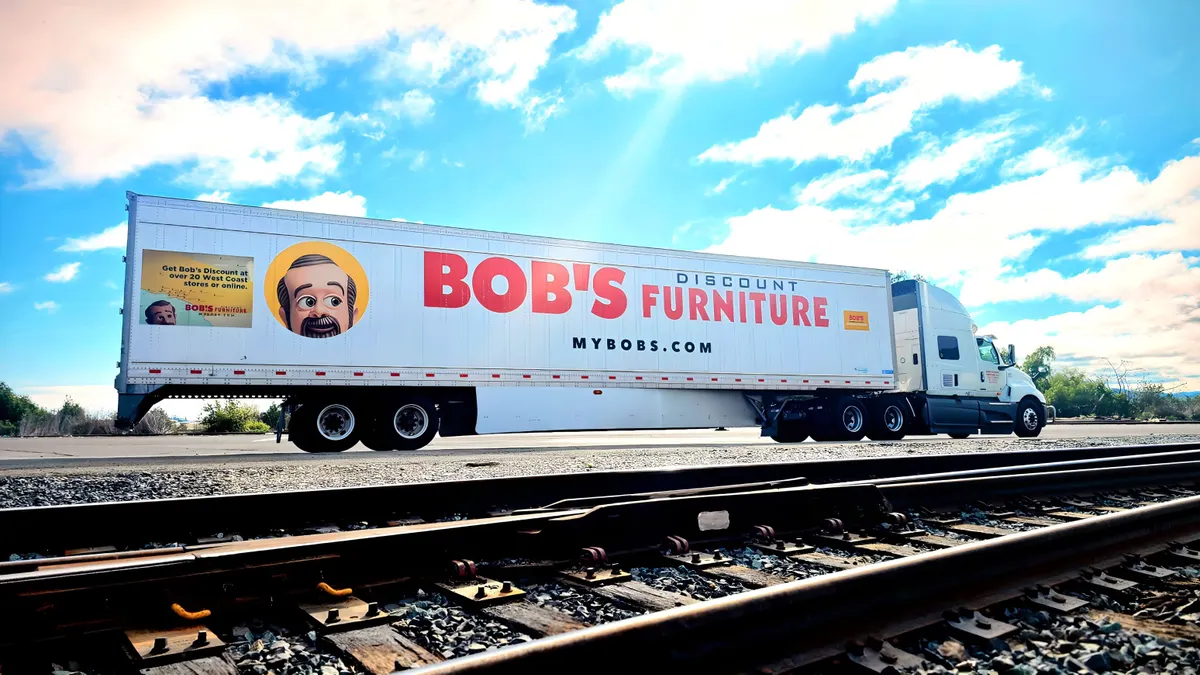
By Alejandra Carranza | Supply Chain Dive | May 13, 2026
As the global trade landscape undergoes a period of profound volatility, major retailers are finding themselves in a high-stakes race to mitigate the impact of mounting import duties. Among those navigating this turbulent environment is Bob’s Discount Furniture, which currently faces the dual pressure of a 10% global tariff rate and a substantial 25% levy specifically targeting upholstery imports.
With upholstery accounting for half of its total product mix, the retail giant is under intense scrutiny to maintain margins without alienating its price-sensitive customer base. In an exclusive interview with Supply Chain Dive, COO Ramesh Murthy revealed that the company is relying on a proven, three-step "mitigation playbook" to counter these duties—a strategy that mirrors the proactive stances taken by industry peers like PVH Corp., Gap Inc., and Newell Brands.
The Economic Landscape: A Perfect Storm for Retailers
The furniture industry is currently grappling with a trifecta of logistical and economic headwinds. Beyond the looming threat of protectionist trade policies, retailers are contending with a stagnant housing market, which directly correlates to lower demand for home furnishings, and persistent logistical disruptions that have inflated the cost of moving goods from factory floors to retail showrooms.
For Bob’s Discount Furniture, the regulatory environment is particularly taxing. While a 10% global tariff acts as a baseline "tax" on its supply chain, the 25% upholstery tariff presents a structural challenge. Though an anticipated hike to 30% was narrowly averted for the current calendar year, the reprieve is temporary, set to expire in 12 months.
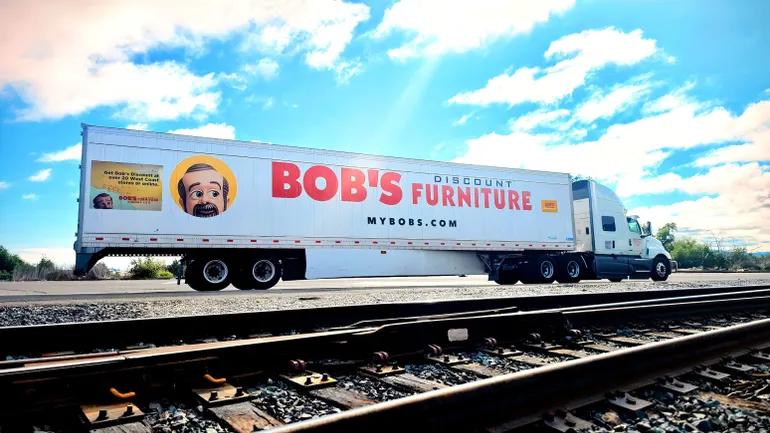
"The 25% upholstery tariff is really one area that’s been more outsized, given 50% of our product mix is upholstery," noted company leadership during recent financial disclosures. This concentration of risk forces the company to balance aggressive cost-cutting measures against the necessity of maintaining product availability.
Chronology of the Tariff Crisis and Operational Response
The current situation is the culmination of several years of escalating trade tensions and policy shifts.
- Early 2025: Retailers brace for a broad expansion of tariffs on consumer goods, with furniture being singled out due to its high import dependency.
- Q3 2025: Bob’s Discount Furniture begins internal restructuring of its sourcing strategy, anticipating that the 25% upholstery rate would become a permanent feature of the fiscal landscape.
- January 2026: The furniture industry narrowly avoids a tariff increase to 30% as lawmakers grant a one-year delay.
- Q1 2026: Global geopolitical tensions, specifically the conflict involving Iran and the subsequent disruption of shipping lanes in the Strait of Hormuz, lead to a sharp spike in oil prices.
- May 2026: Bob’s confirms that it is finalizing ocean freight contracts for the upcoming year, betting on long-term carrier partnerships to stabilize logistics costs.
The Three-Step Mitigation Playbook
To preserve profitability, Bob’s Discount Furniture has codified a three-pronged response designed to neutralize the fiscal impact of these tariffs. While the specific tactical details remain proprietary, the overarching strategy involves:
1. Diversification of Sourcing
Recognizing the danger of over-reliance on a single origin market, the retailer has been actively diversifying its manufacturing footprint. By shifting production to regions with more favorable trade agreements or lower base manufacturing costs, the company aims to offset the "tariff tax" at the source. This move is consistent with the broader "China Plus One" strategy currently being adopted by major multinational corporations.
2. Aggressive Price Engineering
The second pillar involves a granular review of the product bill of materials. By re-engineering components or adjusting material specifications without compromising the brand’s "discount" value proposition, Bob’s is attempting to lower the landed cost per unit. This allows the company to absorb a portion of the tariff without passing the full cost on to the consumer.

3. Strategic Inventory Pre-positioning
The company has leaned into sophisticated demand forecasting to time its imports. By pulling forward inventory shipments ahead of potential policy shifts or seasonal spikes in shipping costs, the company effectively creates a buffer. This ensures that a significant portion of its stock is "tariff-paid" or secured at lower logistical rates, providing a cushion against sudden market volatility.
Supporting Data: Fueling the Disruption
The impact of tariffs is compounded by the volatility in the energy sector. During the first quarter of 2026, the retail sector saw an uptick in trucking surcharges. The ongoing geopolitical instability in the Middle East has sent shockwaves through global supply chains, specifically regarding the flow of oil through the Strait of Hormuz.
While the immediate impact on Bob’s bottom line was described as "small" in the first quarter, the outlook for the second quarter remains cautious. Leadership acknowledged that linehaul and delivery costs—the "last mile" of the furniture supply chain—remain vulnerable to fuel price spikes. However, the company maintains that these costs are "largely manageable."
By maintaining consistent shipping volumes, Bob’s has retained leverage in its negotiations with carriers. "We are a large player and have great relationships with both our ocean freight and delivery partners," Murthy explained. "We are feeling confident in our ability to deal with whatever fuel shocks come our way."
Official Responses and Industry Implications
The strategy employed by Bob’s is not an outlier. Across the retail sector, companies are vocalizing their reliance on similar playbooks. PVH Corp., the parent company of Calvin Klein and Tommy Hilfiger, has publicly stated its intent to use re-sourcing and pricing adjustments to manage its exposure. Similarly, Gap Inc. and Newell Brands have reported that their proactive supply chain management was instrumental in maintaining stable results during recent quarters.

The consensus among analysts is that the era of "easy" global trade is over. Retailers are now expected to be as adept at trade policy and logistics as they are at merchandising.
For Bob’s Discount Furniture, the focus remains on the long game. As the company completes its contract negotiations for the next fiscal year, the emphasis is on securing capacity and price predictability. The ability to lock in these rates with ocean freight carriers serves as a critical defense against the unpredictability of the current global economy.
Implications for the Future of Retail
As we move into the latter half of 2026, the implications for the furniture retail sector are clear:
- Margin Compression vs. Consumer Pricing: Retailers must decide how much of the tariff burden they will absorb. For a discount retailer like Bob’s, maintaining the price-to-value ratio is the core of the business model. Therefore, internal operational efficiencies must continue to outpace the rate of tariff inflation.
- Logistics as a Competitive Advantage: Companies that possess robust, multi-modal logistics networks and deep relationships with carriers will survive the current volatility far better than those reliant on spot-market rates.
- Geopolitical Sensitivity: Retailers can no longer ignore geopolitical events in regions like the Middle East. The link between the Strait of Hormuz and the cost of a sofa in a local showroom has never been more tangible.
In conclusion, while the threat of a 25%—and potentially 30%—upholstery tariff looms large, Bob’s Discount Furniture appears well-positioned to weather the storm. By combining strategic sourcing, product re-engineering, and long-term logistical partnerships, the company is demonstrating that even in a climate of protectionism and conflict, supply chain agility remains the ultimate defense. As Murthy and his team look toward the remainder of the year, the stability of their carrier partnerships and the effectiveness of their mitigation playbook will be the true test of their operational resilience.

 Sagoh
Sagoh
 Ali Ikhwan
 Raul Delapena Setiawan
 Reynand Wu


 Azzam Bilal Chamdy
