
 Laily UPN
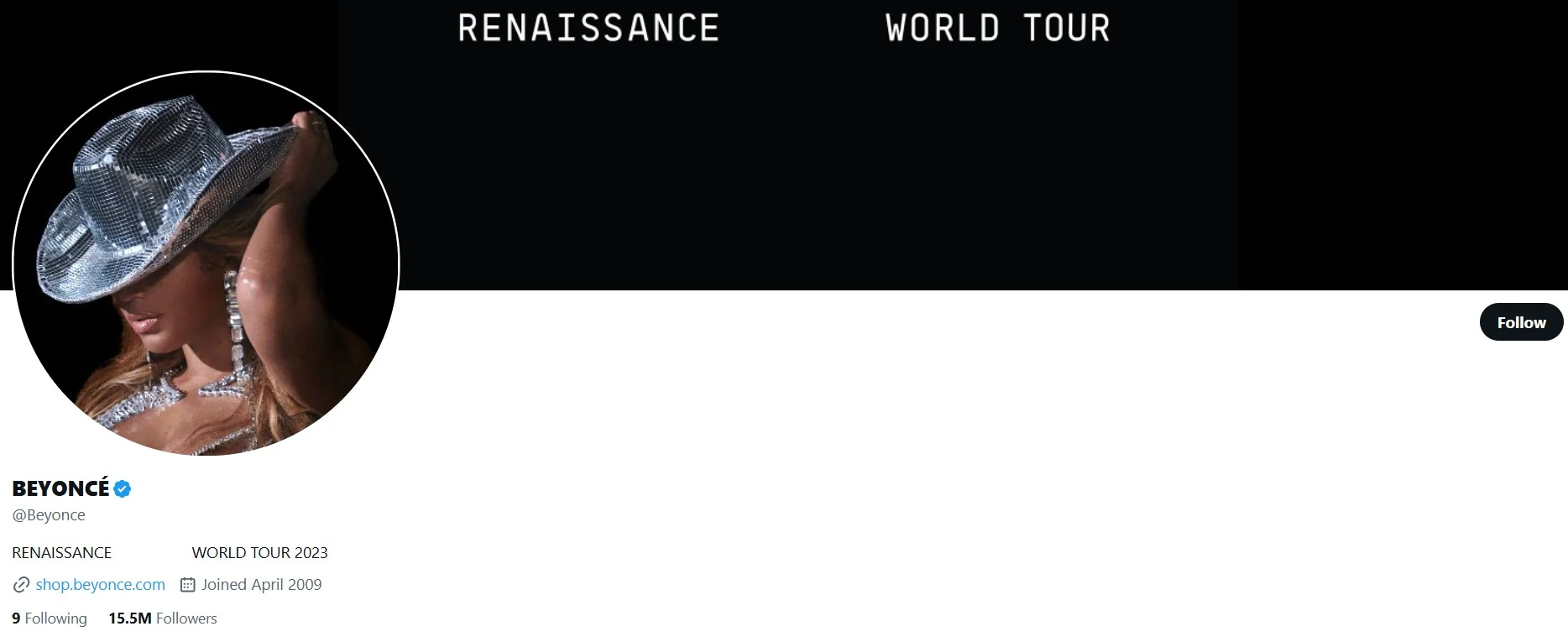
In the modern digital landscape, the term "verification" on X has evolved from a badge of prestige into a complex, multi-layered framework that often leaves users confused. If you have ever felt frustrated because you cannot access a post, your paid subscription hasn’t yielded a blue checkmark, or your creator payout is trapped in a loop of identity verification failures, you are not alone.
The confusion stems from a fundamental misunderstanding: X does not have one "verification" system. It operates three distinct, barely overlapping protocols—a paid subscription badge, a legally mandated age check, and an optional identity verification for creators. Understanding these as separate entities is the first step toward reclaiming control of your X account.
The Triad of Verification: Understanding the Systems
X’s current ecosystem separates "verified" status into three categories. The "legacy" verification system, which was based on notability and fame, was shuttered in 2023. Today, the platform treats verification as a functional, rather than social, metric.
| Feature | Blue Checkmark | "ID Verified" Label | Age Check |
|---|---|---|---|
| Purpose | Indicates an active Premium sub | Confirms a human behind the handle | Legal compliance for content access |
| Needs Premium? | Yes | Yes | No (usually) |
| Primary Goal | Feature access & visibility | Creator payouts | Regulatory compliance |
| Cost | From $8/month | Included with Premium | Free |
1. Blue, Gold, and Grey: The Badge Hierarchy
The color of your badge indicates the nature of your account, not your "truthfulness."
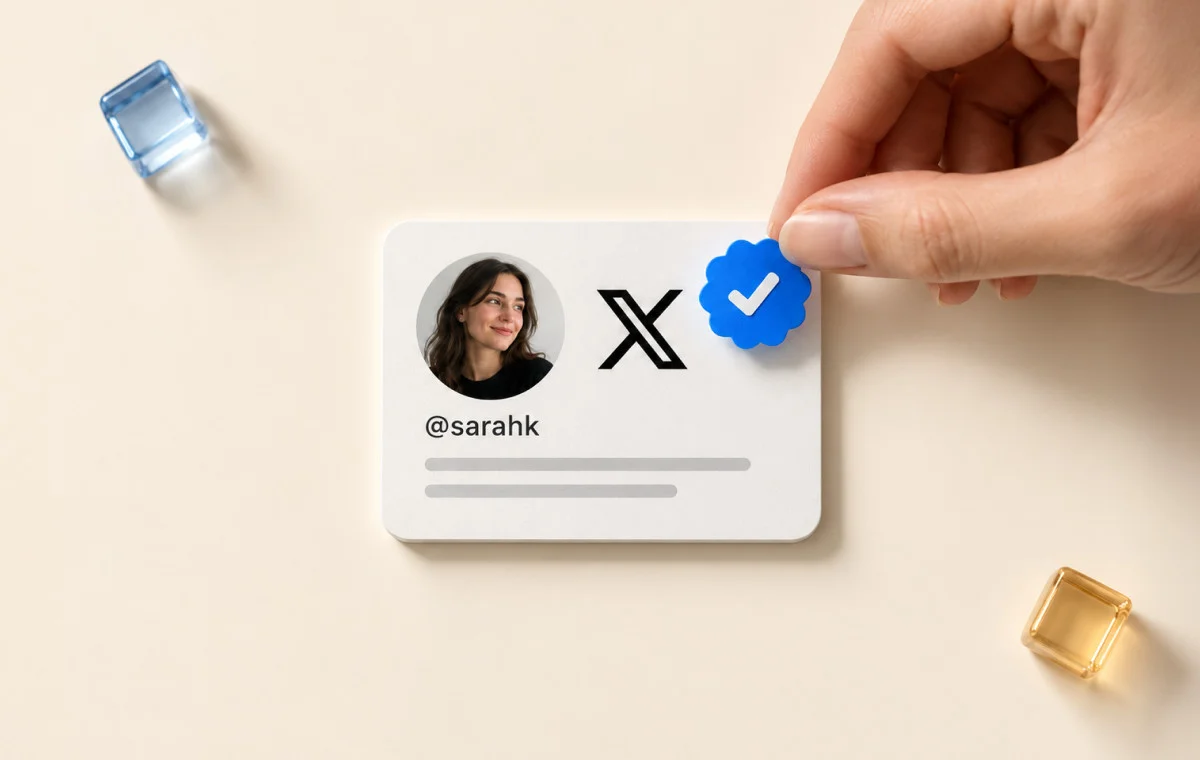
- Blue: Available to individual users through the X Premium subscription. It signals that you are a paying user who has passed X’s basic eligibility review.
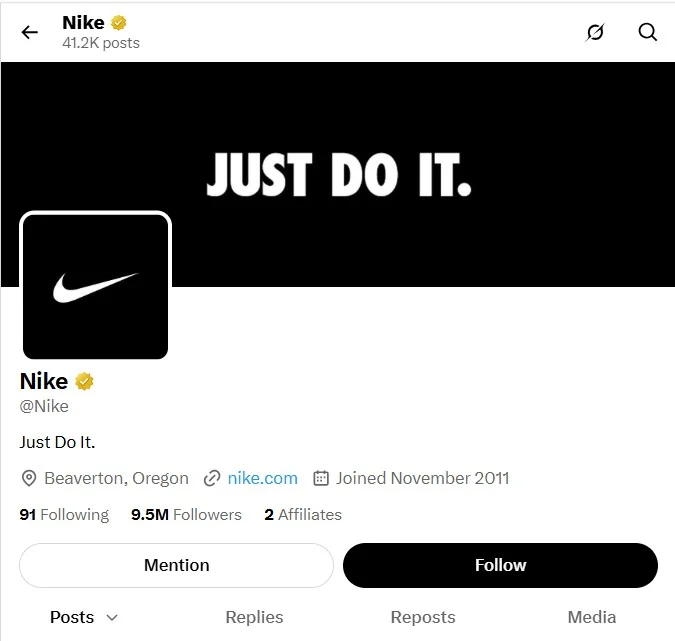
- Gold: Reserved for official businesses and organizations. This tier, starting at $200/month, includes a square profile picture and is essential for brand protection.
- Grey: Exclusively for government officials, multilateral organizations, and state entities. This status is curated by X and is not open to general purchase.
2. The Age Assurance Protocol
Driven by stringent global regulations—including the UK’s Online Safety Act, the EU’s Digital Services Act, and Australian safety mandates—X requires users to verify their age to access specific types of content. Most adult users bypass this through automated signals (account age, history, etc.). If you are prompted for a manual check, you are likely required to provide a selfie or government ID.
3. ID Verification for Creators
This is an optional, high-tier status. It matches a government-issued ID to a live selfie. For the average user, it adds an "ID verified" label to their profile. For creators, however, it is the "golden key" required to unlock creator subscriptions and revenue-sharing payouts.
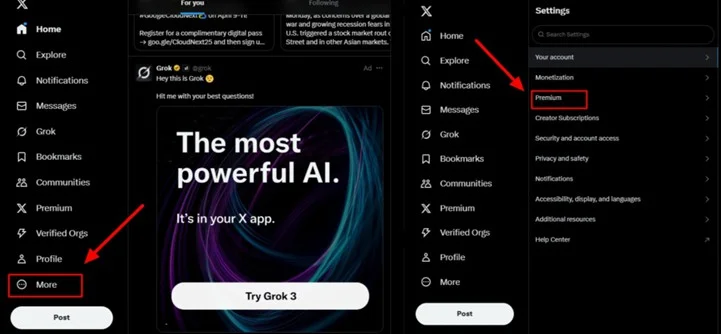
Chronology: The Death of Legacy and the Rise of Paid Access
To understand the current state of X, one must look at the rapid dismantling of the "blue check" prestige.
- June 2009: Twitter launches the verification program to protect high-profile accounts from impersonation.
- November 2017: General public verification is paused, making the badge increasingly elusive.
- Late 2022: Under new leadership, the "Twitter Blue" subscription service launches, allowing users to buy the blue check for $7.99/month.
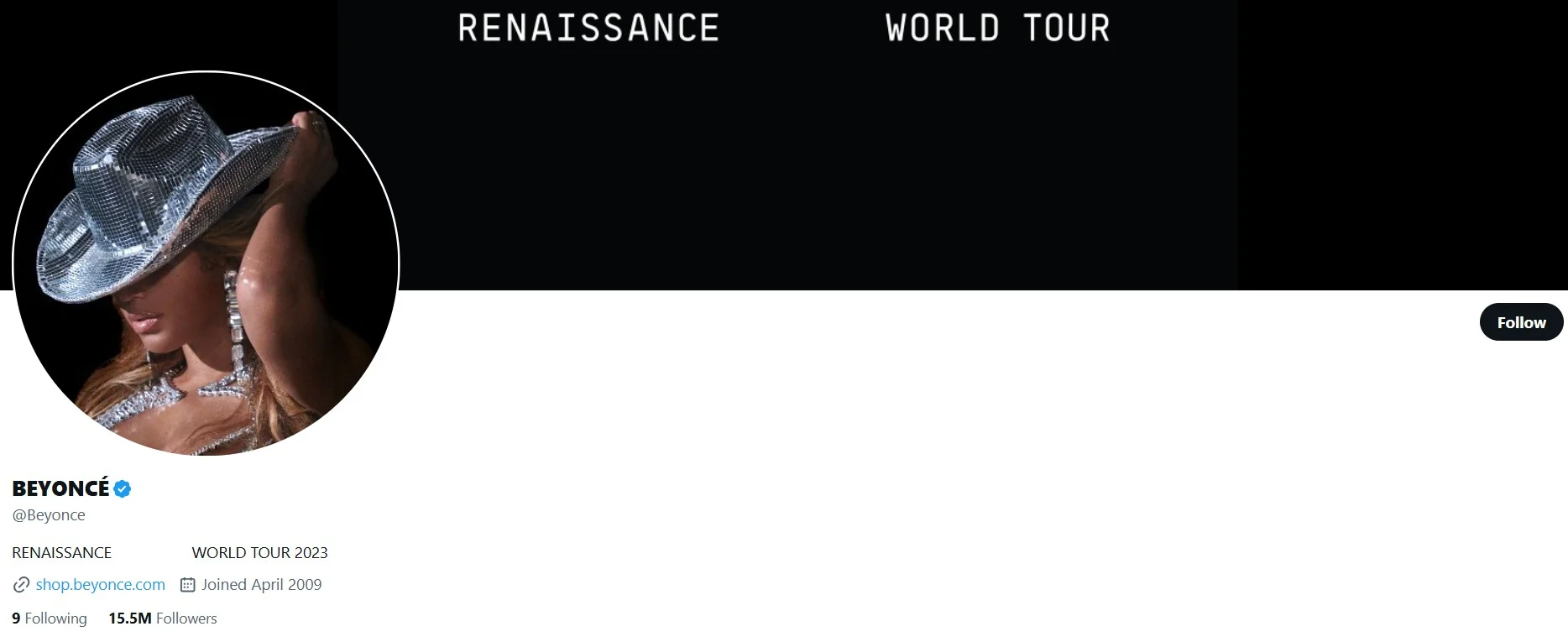
- April 20, 2023: The platform begins the mass removal of all "legacy" blue checkmarks. Iconic figures, from celebrities to world leaders, lost their badges overnight unless they opted into the paid model.
- July 2025 – Present: Stricter age verification laws go into effect globally, forcing the platform to integrate mandatory age-assurance tools into the user experience.
The Economics of Verification: Is It Worth the Cost?
The "worth" of a blue checkmark is a point of intense debate. For casual users, the badge is primarily a gateway to features like long-form posts, edit buttons, and reduced ad loads. For brands, however, the badge is a defensive necessity.
The Business Case for Verification
Impersonation is rampant. When a brand does not have a verified status, bad actors can easily copy a logo and display name to run crypto scams or phishing campaigns. In October 2026, the high-profile hijacking of Microsoft’s official account to push a crypto scam served as a grim reminder that verification is now an essential part of a corporate cybersecurity posture.
The Creator’s Dilemma
For creators, the ROI is more tangible. With revenue-sharing models tied to premium content, the $8-to-$30 monthly subscription fee is often dwarfed by the payouts. However, the path to these payouts is fraught with technical hurdles. Many creators report being stuck in "under review" loops for weeks, often caused by minor discrepancies between their display name and the legal name on their ID.
Official Stances and Regulatory Implications
The transition to a paid-only verification model has not gone unnoticed by regulators. In December 2025, the European Commission imposed a €120 million fine on X, explicitly citing the platform’s verification practices. The commission argued that the blue checkmark—which historically signified a "verified" identity—now merely denotes a "paid" status, which may inadvertently aid in the spread of disinformation and scams.
In response, X updated its policies for users within the European Economic Area (EEA), clarifying that blue checkmark users are referred to as "Premium" users rather than "verified" users. This distinction highlights the platform’s shift toward a model where "trust" is no longer verified by the company, but instead, the user is expected to verify identity through the handle and associated credentials.
Troubleshooting: Why Applications Fail
If you have paid for a subscription and your badge has not appeared, or if your ID verification is stalling, the following checklist covers the most common points of failure:
- The "Silent" Review Period: X typically takes several business days to review a new subscription. During this time, your checkmark will remain hidden.
- Profile Sensitivity: If you change your display name, profile photo, or @handle while a review is pending, the process resets. Rule of thumb: Finalize your branding before you subscribe.
- The Missing Phone Number: Many users fail to verify their phone number, which is a hard requirement for the blue checkmark.
- Age/ID Mismatch: For ID verification, your X display name must match your government ID exactly. If your ID says "Jonathan Smith" but your profile is "Jon Smith," the automated systems will likely flag the submission as a mismatch.
- Technical Glitches: If you encounter a "Something went wrong" error during an ID scan, clear your app cache or attempt the process on a desktop browser.
Conclusion: A Shift in Digital Literacy
The era of assuming that a blue checkmark equates to "truth" is over. As X continues to refine its subscription-based verification, the burden of verification has shifted from the platform to the user.
Whether you are a business protecting your brand or a creator seeking revenue, the takeaway is clear: Treat the badge as a tool for features and payouts, not as a badge of authenticity. To truly verify someone on X, look at the handle, check their post history, and rely on external markers of identity. In the age of paid verification, your most valuable asset is your own digital skepticism.


 Evan Lee Salim

 Neng Nana

 Lina Irawan

 Pevita Pearce
 Suro Senen

 Muslim
 Ammar Sabilarrohman
 Raul Delapena Setiawan
