
 Azzam Bilal Chamdy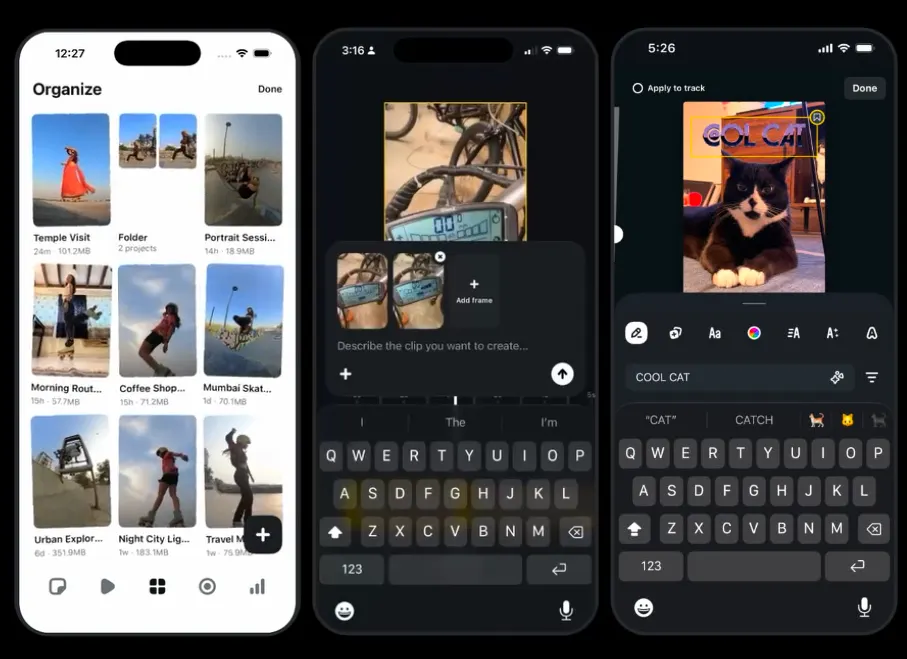
Meta continues to cement its position as a powerhouse in the creator economy with a rapid-fire series of updates to its dedicated video editing application, "Edits." In an era where short-form video content is the primary currency of social media engagement, Meta’s commitment to updating its toolset on a near-weekly basis underscores a broader strategic pivot: providing creators with professional-grade, AI-assisted capabilities directly within the mobile ecosystem.
The latest suite of features, announced this week, marks a significant leap in how users manage, animate, and stylize their video content. From AI-powered image animation to sophisticated workflow management tools, these updates are designed to lower the barrier to entry for high-quality production while offering power users the granular control they demand.
Main Facts: The New Toolkit
The recent update to Edits is not a single feature release but a comprehensive overhaul aimed at three core pillars of video production: organization, generative AI, and branding consistency.
Generative AI: From Static to Dynamic
The most headline-grabbing addition is the introduction of generative image-to-video capabilities for U.S. users. By leveraging Meta’s underlying generative AI models, creators can now take a static still image and animate it using natural language prompts. By simply describing the desired action—such as "make the clouds move across the sky" or "add a subtle shimmering effect to the water"—the app’s AI interprets the intent and applies motion to the pixels. This effectively turns a flat photograph into a dynamic video clip, offering a shortcut to high-engagement visuals without the need for traditional keyframe animation.
Workflow Management: Project Folders
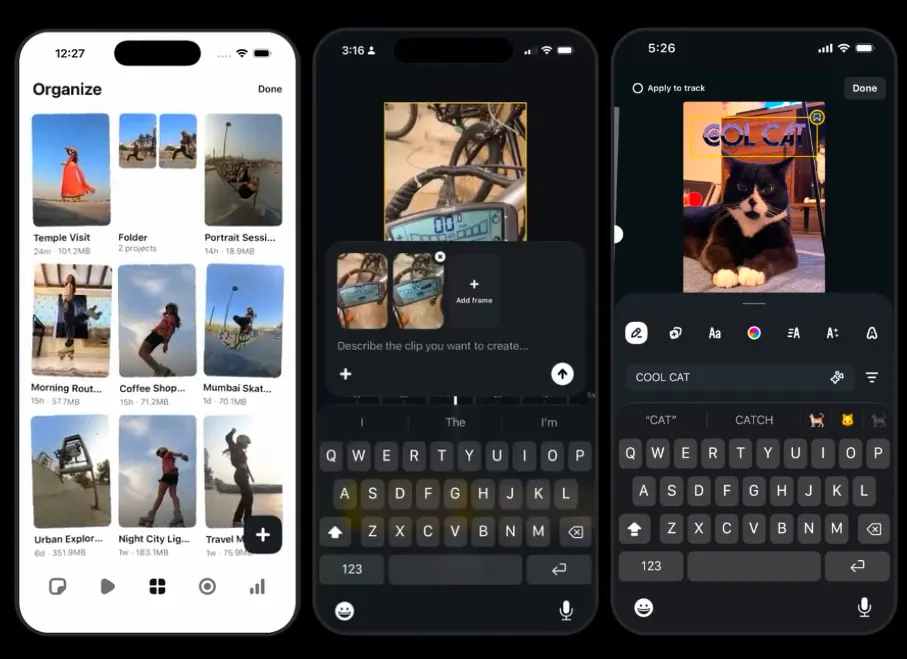
Recognizing that creators often juggle dozens of simultaneous projects, Meta has refined its file management system. Users can now utilize enhanced project folders to categorize their work. A key quality-of-life improvement is the introduction of a "long-press and move" functionality, which allows users to manually reorder their projects and folders. This intuitive interface update ensures that active, high-priority projects stay at the top of the workspace, streamlining the editing process.
Branding and Consistency
Consistency is the hallmark of a successful creator brand. To address this, Edits now allows users to bookmark text and caption styles directly from a project canvas. By tapping a new bookmark icon, creators can save specific font pairings, color palettes, and motion presets. This ensures that when a user moves to a new project, they can apply their signature "look" with a single click, rather than manually recreating their styling settings each time.
Chronology of Evolution: A Rapid Development Cycle
To understand the significance of these updates, one must look at the trajectory of Meta’s video editing suite. Over the past six months, Meta has moved from offering basic trimming tools to providing a robust, AI-first creative suite.
- Q1 2024: Meta began integrating automated captioning, laying the groundwork for accessibility-focused editing tools.
- Q2 2024: The rollout of "bilingual captioning" and auto-translation features signaled Meta’s intent to help creators reach global audiences.
- Q3 2024: The focus shifted toward workflow. The introduction of multi-version project management and template creation tools gave creators the ability to test different edits of the same footage without destructive changes.
- Q4 2024 (Present): The current update focuses on the "creative flair" of AI, specifically through image-to-video animation and advanced audio searching.
The frequency of these updates suggests that Meta is utilizing a "Continuous Deployment" model, treating Edits not as a static software product but as a living platform that evolves based on real-time feedback from the creator community.
Supporting Data: Why Tooling Matters
The shift toward more advanced, integrated editing tools is backed by shifting consumption patterns. According to recent industry benchmarks, videos utilizing dynamic text, motion graphics, and high-quality captions see an average of 40% higher retention rates compared to "raw" uploads.
Meta’s decision to integrate an "audio vibe" search—where users can find music and sound effects based on descriptive tags like "chill," "bossy," "energetic," or "fashion-forward"—is a direct response to data showing that the right audio track is the single largest predictor of whether a video will be shared or saved. By reducing the time it takes to find the perfect audio match, Meta is effectively increasing the velocity of content production across its platforms, most notably Instagram and Facebook.

Official Responses and Strategic Intent
In an official statement released via their creator blog, Meta emphasized that the goal of these updates is "frictionless creativity."
"We are building tools that understand what a creator wants to achieve," a Meta spokesperson noted. "By moving away from manual, tedious editing tasks and toward conversational, intent-based editing, we allow the creator to focus on storytelling rather than the technicalities of the software."
Meta’s strategy is clear: by providing a "best-in-class" mobile editor, they reduce the likelihood of creators migrating to third-party apps like CapCut or Adobe Premiere Rush. By keeping the entire pipeline—from ideation and editing to distribution—within the Meta ecosystem, they maintain a tighter grip on user data, ad inventory, and platform loyalty.
Implications: The Future of the Creator Economy
The Democratization of Professional Motion Graphics
The ability to animate static images using conversational prompts represents a democratization of visual effects. Previously, creating "cinemagraphs" or animated elements required a steep learning curve in software like After Effects. By folding this power into the Edits app, Meta is effectively lowering the floor for what constitutes "professional" content. This will likely lead to a surge in high-quality, motion-rich content, raising the baseline expectation for viewers and putting pressure on creators who stick to static formats.
The Standardization of Aesthetic
With the new bookmarking feature for text and caption styles, we are likely to see a greater degree of brand homogenization. While this is excellent for individual creator branding—allowing them to maintain a consistent aesthetic across 100+ videos—it may lead to a broader "platform look." As AI-recommended styles and easy-to-use templates become the norm, the distinction between unique creative styles may become less pronounced, forcing creators to rely more on their personal voice and narrative to stand out.
Efficiency as a Competitive Advantage
For professional creators and social media agencies, the new project management features—such as the ability to lock specific clips in place and manage multi-version projects—are a game changer. These features allow for a modular approach to editing. A creator can now build a "master" template for a weekly series, lock the branding and intro elements, and simply swap out the content clips. This modularity is essential for scaling output without a corresponding increase in production time.
Conclusion
Meta’s latest update to its Edits app is a testament to the company’s aggressive stance in the competitive social video market. By blending generative AI with practical, high-utility workflow tools, Meta is transforming its editing suite from a mere utility into an essential creative partner.
As these tools become more sophisticated, the line between a "casual creator" and a "professional producer" continues to blur. For the average user, these updates mean the ability to produce cinema-quality, highly engaging content in the palm of their hand. For the broader digital ecosystem, it marks a new chapter in which AI does not just assist in the editing process—it actively shapes the aesthetic and pace of the internet’s most popular content.
As we look toward the future, it is clear that the platforms that provide the most efficient, intuitive, and powerful tools will win the battle for the creator’s time. With this latest update, Meta has made a compelling case that it intends to remain the primary home for the next generation of digital storytellers.


 Ammar Sabilarrohman
 Sagoh
Sagoh
 Raul Delapena Setiawan
 Reynand Wu



 Ali Ikhwan