
 Siti Muinah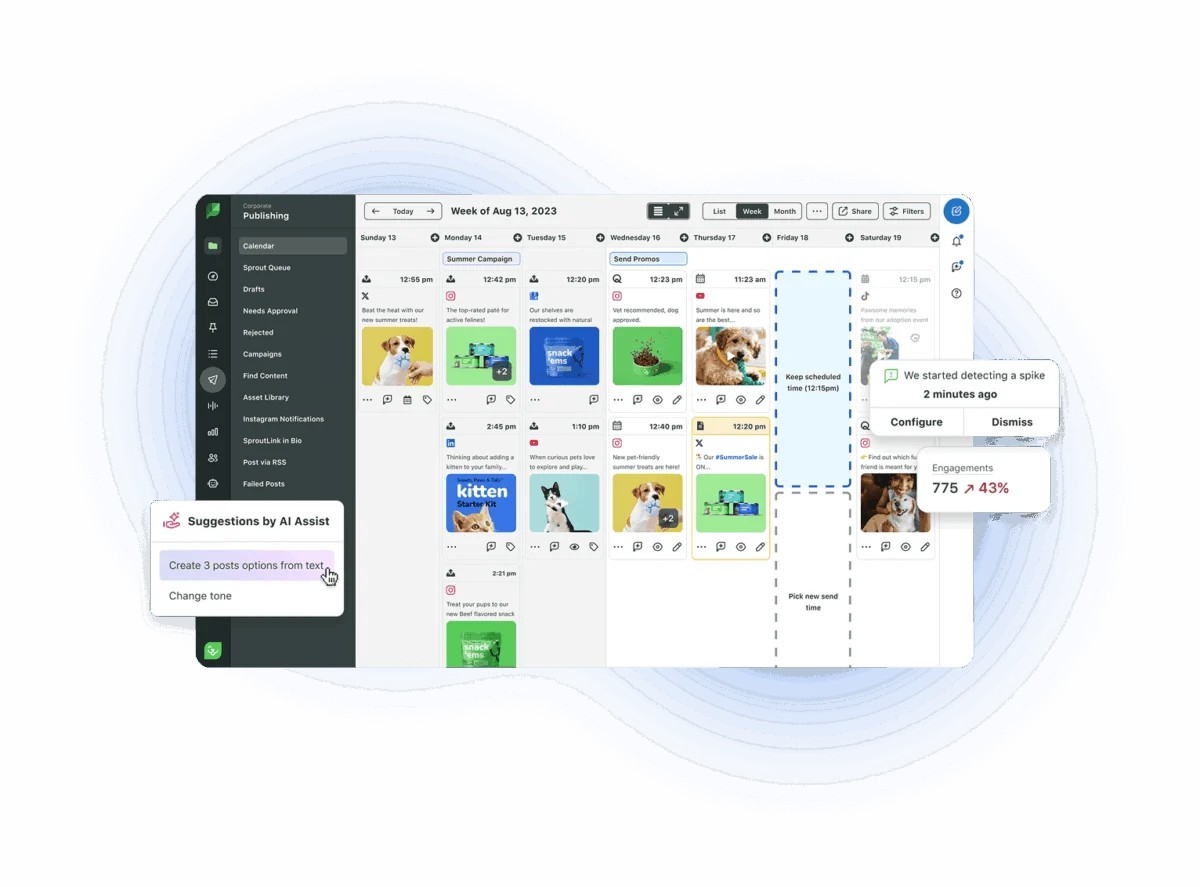
For the modern small business owner, the daily grind is a relentless balancing act. Between managing supply chains, balancing spreadsheets, and ensuring high-quality customer service, marketing often slips to the bottom of the priority list. It is rarely a lack of desire or a failure to recognize the importance of brand awareness that stalls these efforts; rather, it is the persistent reality of constrained resources. Most small enterprises lack the massive advertising budgets of global corporations and the dedicated departments required to manage complex, multi-channel marketing campaigns.
However, the digital landscape has undergone a seismic shift. Social media has effectively leveled the playing field, transforming from a simple networking tool into a powerhouse of product discovery and customer acquisition. As recent industry statistics indicate, social media platforms now drive 60% of product discovery, making them an essential, non-negotiable channel for businesses looking to scale.
The Evolution of Social Commerce: Why Social Media is Non-Negotiable
The traditional marketing funnel has been disrupted. Consumers no longer rely solely on search engines to find products; they turn to social media for inspiration, reviews, and cultural validation. For a small business, this creates a unique, low-cost opportunity to reach hyper-targeted audiences that were previously inaccessible.
Beyond mere discovery, social media provides a direct line of communication between brand and buyer. In the 2025 Sprout Social Index™, personalized customer service emerged as the top expectation consumers have for brands. The stakes are high: 73% of social media users report that they would switch to a competitor if a brand fails to engage or respond to them on social channels. This data underscores a fundamental truth—social media is no longer just about posting images; it is about building a responsive, human-centric community that fosters brand loyalty.
Defining the Roadmap: A Strategic Approach
Effective marketing is not about being everywhere at once; it is about being exactly where your customers are. Success on social media requires a methodical approach, beginning with a rigorous definition of your target audience.
The Anatomy of an Audience Profile
Marketing dollars are most effective when they are laser-focused. Small business owners should begin by constructing a comprehensive audience profile. This goes beyond basic demographics like age, location, and occupation. By utilizing native analytics from platforms like Meta and TikTok, business owners can access psychographic data—understanding the values, hobbies, and interests that drive their customers’ purchasing decisions. This depth of insight ensures that every piece of content created serves a specific segment of your audience, increasing the likelihood of conversion.
The "Quality Over Quantity" Doctrine
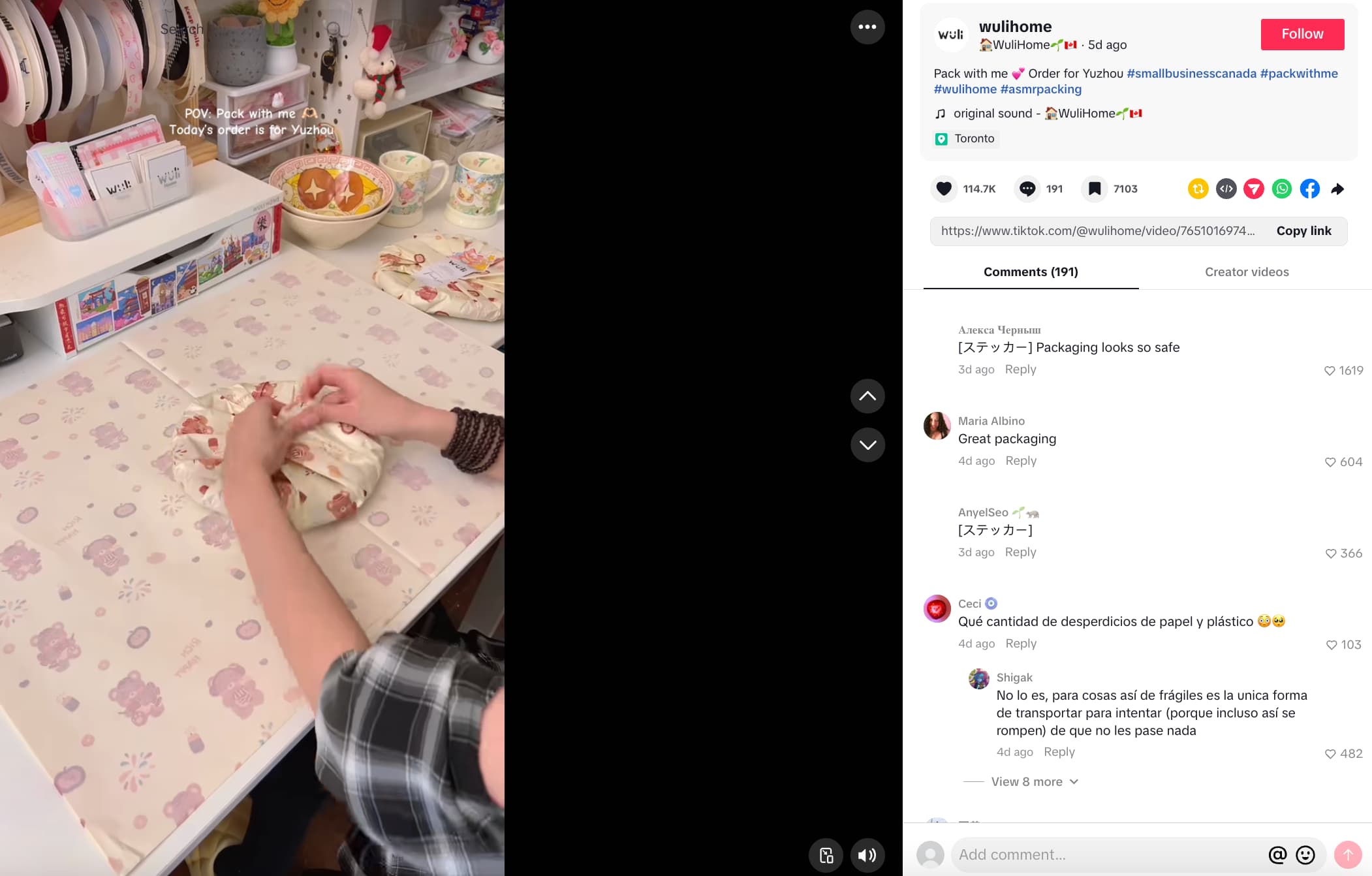
A common pitfall for small teams is the "all-platform" fallacy. Attempting to maintain a high-quality presence on Facebook, Instagram, X, LinkedIn, and TikTok simultaneously is a recipe for burnout. It is significantly more effective to master one or two platforms where your target demographic is most active. For instance, B2B services often find success in the professional discourse of LinkedIn, while visual retail brands thrive on the high-engagement, short-form video environments of Instagram and TikTok.
The Mechanics of Growth: Planning and Execution
Consistency is the heartbeat of social media success. An irregular posting schedule leads to a drop in algorithmic visibility and audience trust.
The Power of the Content Calendar
By utilizing a centralized social media content calendar, businesses can shift from reactive, last-minute posting to a proactive, strategic workflow. This calendar should be populated through "batch creation"—a method where content ideation, filming, and scheduling are completed in dedicated weekly blocks. This reduces the cognitive load on the business owner and ensures a steady cadence of posts.
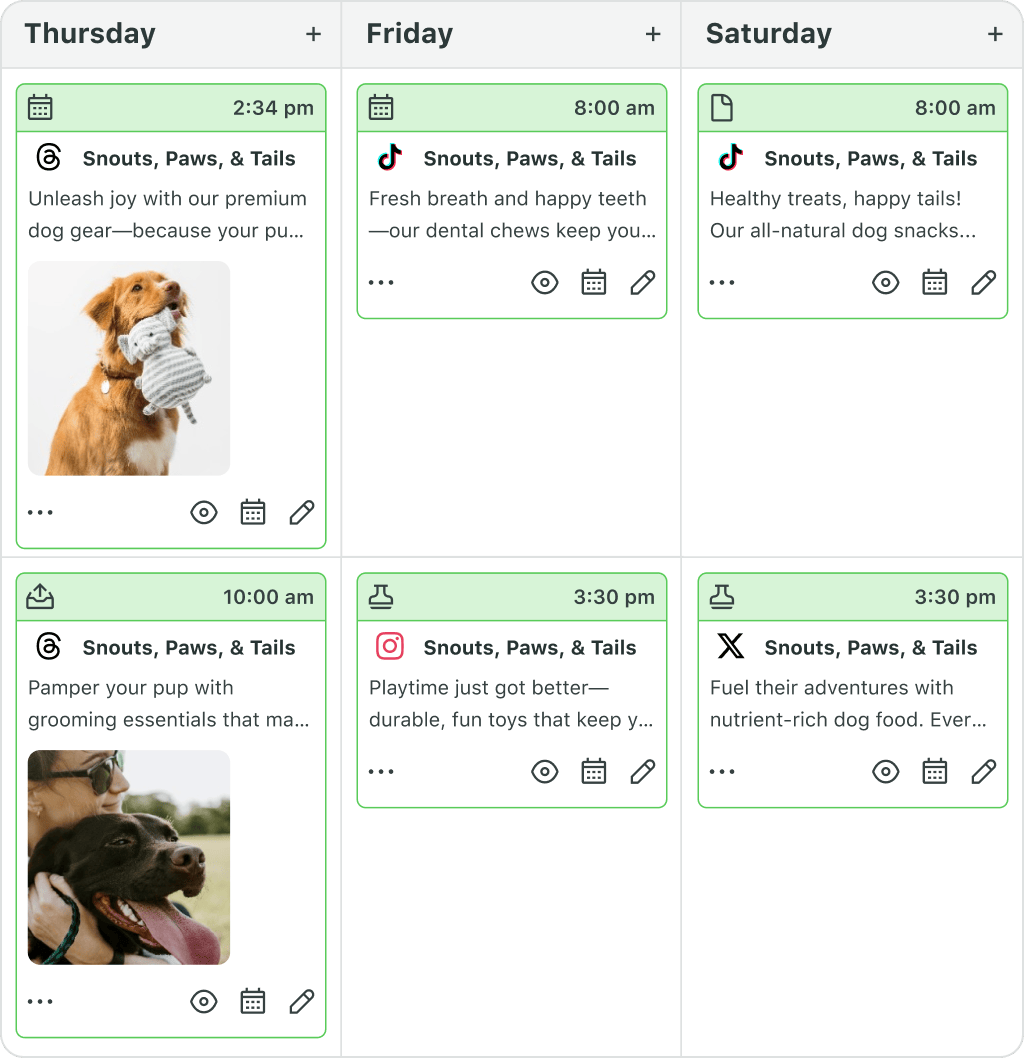
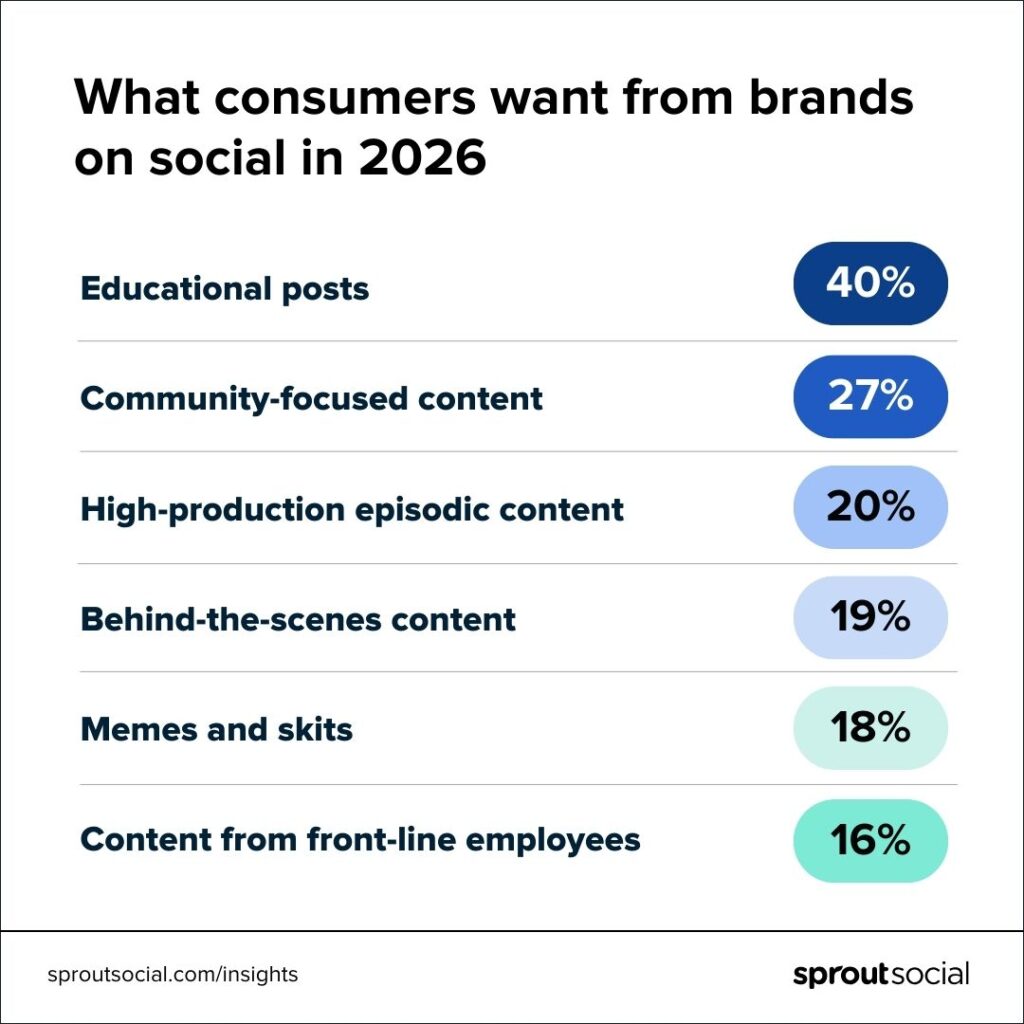
Visualizing your content plan also allows for a healthy mix of formats. According to the State of Social Media 2026 report, modern consumers demand a blend of educational content, community-focused narratives, and authentic, behind-the-scenes glimpses into the business. This variety keeps the brand feeling fresh and human.
The Rise of Short-Form Video
If a single medium defines the current era of social media, it is short-form video. The 2026 Social Media Content Strategy Report highlights that users are most likely to interact with videos under 60 seconds. Whether it is a "day in the life" reel from a local bakery or a quick tutorial from a home goods brand, these clips capture attention rapidly.
Notably, platforms now utilize metadata and in-video text to categorize and serve content. By naturally incorporating relevant keywords into captions and on-screen text, small businesses can drastically improve their searchability, effectively optimizing their posts for social search engines.
Cultivating Community and Trust
Once content is live, the work has only just begun. The "social" in social media requires active participation.
Engagement as a Business Strategy
Responding to comments and direct messages is not just a polite gesture; it is a critical retention strategy. When a brand takes the time to acknowledge a comment—whether a question, a compliment, or a critique—it signals to the audience that the business is listening. This responsiveness creates a positive feedback loop; the algorithm favors high-engagement posts, pushing them into wider feeds and increasing brand discovery.
Leveraging User-Generated Content (UGC)
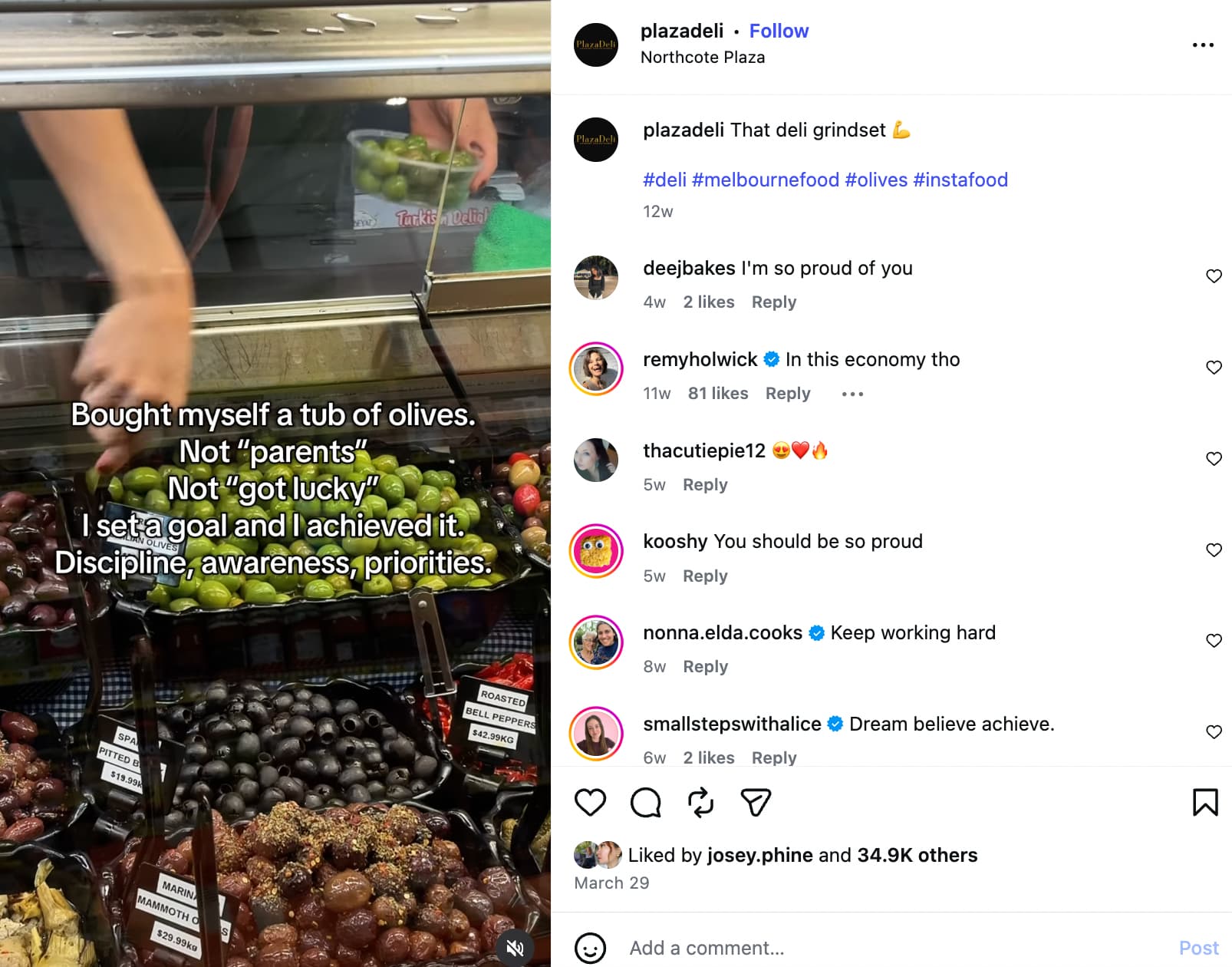
Perhaps the most authentic form of marketing is user-generated content. When customers share photos or reviews of your products, they are providing "social proof" that is far more persuasive than traditional advertising. Encouraging customers to use branded hashtags and obtaining permission to repost their content allows businesses to fill their feeds with authentic, human-centric narratives. This strategy not only builds trust but also fosters a deeper sense of community among existing followers.
The Role of Micro-Influencers
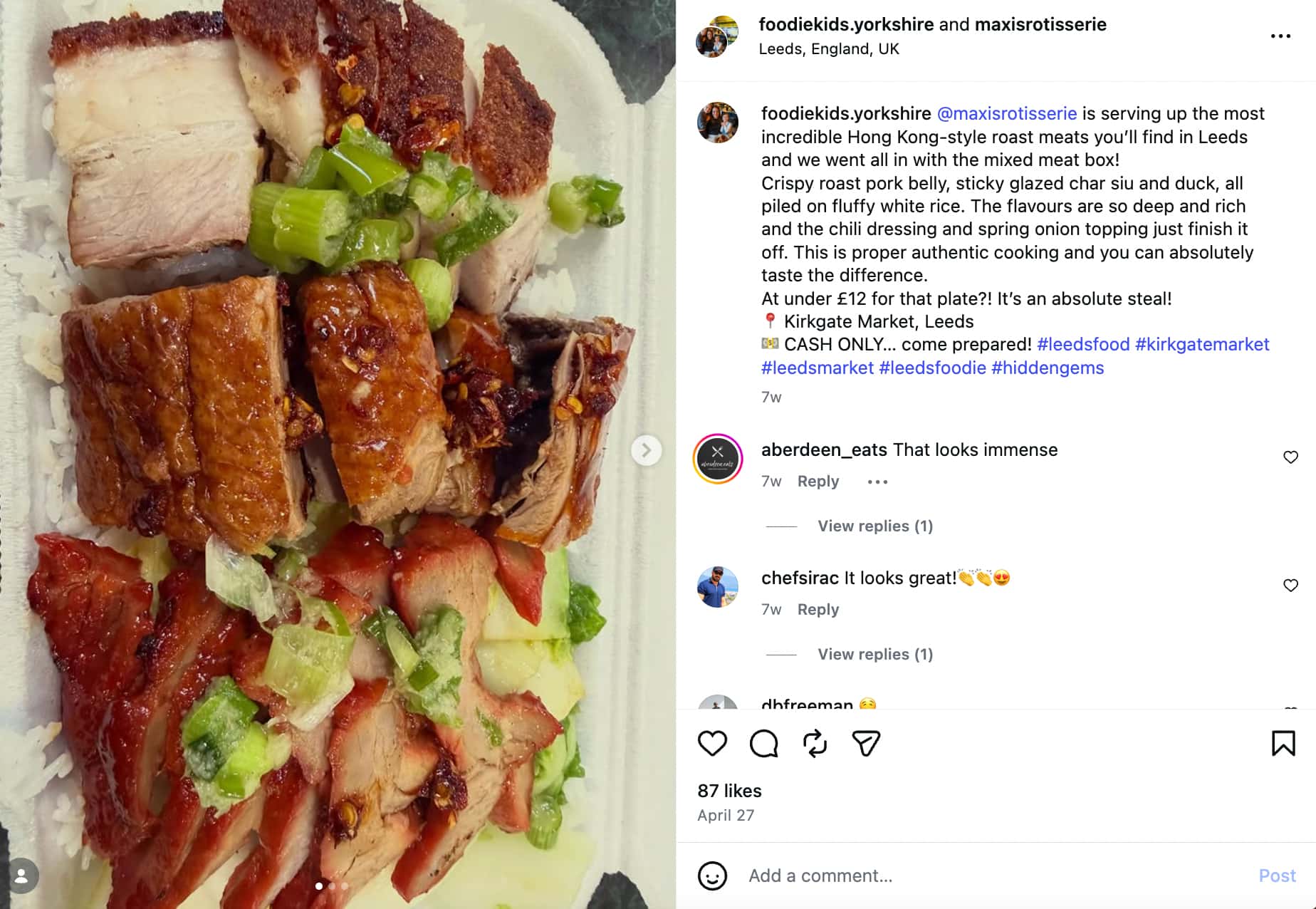
For small businesses, the era of partnering with high-cost celebrities is over. Instead, the focus has shifted to micro (10k–100k followers) and nano (1k–10k followers) influencers. These creators often boast higher engagement rates because their audiences are niche and highly loyal. A local food influencer or a community-based hobbyist can provide a level of visibility that is both cost-effective and highly relevant to the local market.
Using Analytics to Pivot and Refine
In an environment of limited resources, data is the ultimate equalizer. Every dollar and every hour spent on social media must be measured for ROI.
Native analytics dashboards provide the necessary metrics to gauge success:

- Reach: How many unique individuals are seeing your content?
- Engagement Rate: Are people commenting, saving, or sharing?
- Saves/Shares: These high-intent actions signal that your content provides genuine value to the user.
By monitoring these patterns, business owners can perform "content audits" to identify what is failing and what is thriving. If a specific series of videos is consistently driving traffic, the strategy should pivot to double down on that format. Conversely, if a content type is flatlining, it should be removed from the rotation immediately to save time and resources.
Streamlining the Workflow: The Case for Automation
The final hurdle for most small business owners is the administrative burden of managing multiple accounts. To grow, one must work smarter, not harder.
Integrated social media management tools have become the industry standard for efficiency. By utilizing platforms that offer centralized dashboards, businesses can:
- Schedule content in advance: Automating the publishing process ensures your brand is active even when you are busy running the store.
- Unify messaging: Managing comments and DMs from a single inbox ensures that no customer inquiry goes unanswered.
- Optimize timing: Many modern tools offer AI-driven recommendations on the best times to post based on your unique audience activity, taking the guesswork out of scheduling.
Implications for the Future
The digital landscape is not static. As search behaviors shift toward social platforms and the demand for authentic, human-generated content increases, the barrier to entry for effective marketing has lowered, but the standard for quality has risen.
Small businesses that fail to adapt to these shifts risk losing relevance in an increasingly digital marketplace. However, those that embrace a strategic, data-informed approach to social media—prioritizing community engagement, leveraging the power of short-form video, and utilizing automation tools—are uniquely positioned to punch above their weight. By treating social media not as an administrative chore but as a primary growth engine, small business owners can secure their place in the modern economy, building brands that are as resilient as they are visible.
In conclusion, while the challenges of running a small business remain, the tools for success have never been more accessible. The path forward is clear: define your audience, create with intent, engage with authenticity, and measure with precision. The digital conversation is happening right now—it is time for your business to join in.


 Reynand Wu
 Iffa Jayyana
 Raul Delapena Setiawan

 Sagoh
Sagoh

 Azzam Bilal Chamdy
 Ali Ikhwan