
 Muslim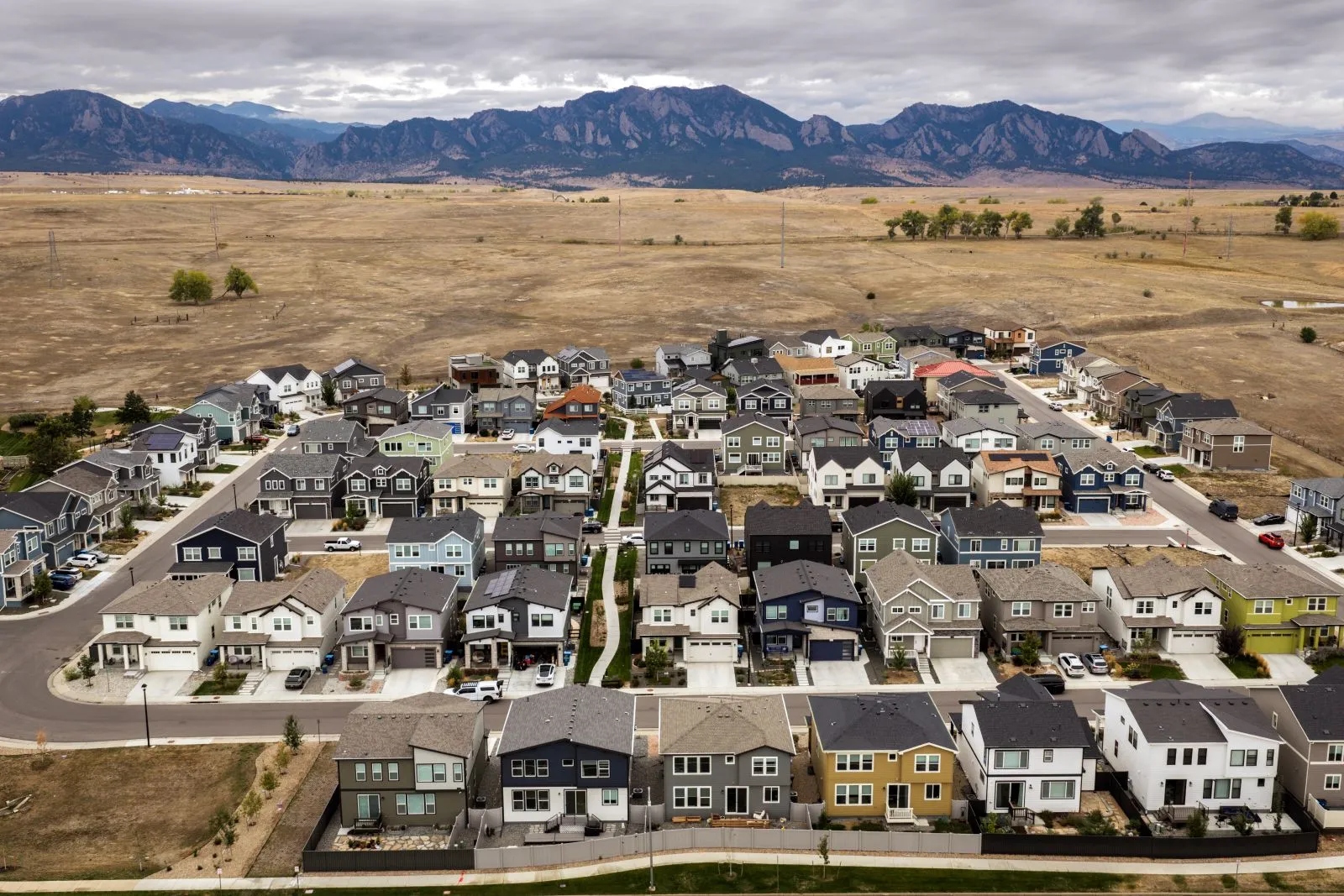
The Supreme Court of the United States opened its 2026-2027 term this week with a case that could fundamentally reshape the American legal landscape regarding corporate responsibility for the climate crisis. At the heart of the proceedings is a lawsuit filed by Boulder, Colorado, against energy giants Exxon Mobil and the Canadian firm Suncor. The case represents a significant test for dozens of similar local government lawsuits nationwide, all of which seek to hold fossil fuel companies financially accountable for the mounting costs of a warming planet.
As the justices convened for two hours of oral arguments, the courtroom atmosphere was marked by a palpable tension between the legal necessity of addressing local grievances and the systemic, global implications of imposing liability on the world’s most powerful energy corporations.
The Core Dispute: Deception vs. Regulation
The fundamental question before the court is not whether the planet is warming, but whether state courts are the appropriate venue for addressing the financial fallout of that reality. Boulder’s legal team, led by attorney Kevin Russell, argues that the case is fundamentally about consumer protection and corporate accountability. They allege that oil and gas companies knowingly engaged in a decades-long campaign of deception, obfuscating the risks their products posed to the climate while simultaneously lobbying against necessary policy shifts.
"This is not an effort to reduce emissions," Russell asserted during the hearing. "Under our deception theory, they can continue to produce as much fossil fuel as they like and contribute to as much air pollution and greenhouse gas emissions as the market will bear when consumers are properly informed about the consequences of that decision."
Conversely, the oil and gas industry, represented by Kannon Shanmugam, frames the litigation as an existential threat to the global energy market. They contend that the lawsuit is a thinly veiled attempt to use state-level nuisance claims to regulate global, systemic issues that should be the exclusive domain of federal authorities—specifically Congress and the executive branch.
Chronology of a Legal Confrontation
The path to the Supreme Court has been arduous, marked by years of jurisdictional maneuvering.
- Initial Filings: Boulder, along with other municipalities, initiated these lawsuits in state courts, seeking compensation for the costs of climate-related disasters, such as wildfires and infrastructure damage exacerbated by extreme weather.
- The Industry Counter-Offensive: Recognizing the danger of litigating these claims in more sympathetic state courts, Exxon Mobil and Suncor fought to move the cases to federal jurisdiction, where they hoped to see them dismissed on the grounds that federal law preempts state-level climate litigation.
- The Appellate Tug-of-War: For several years, the cases bounced between federal district and appellate courts, with industry defendants consistently challenging the authority of states to hear claims that possess global ramifications.
- The Supreme Court Intervention: After lower court rulings were mixed, the Supreme Court opted to intervene at the start of the 2026 term, signaling that the nation’s highest court would ultimately decide whether these local, state-level paths to recovery remain viable for communities across the country.
The Philosophical Divide: Lessons from Big Tobacco
A central theme of the debate has been the parallel between the current climate lawsuits and the landmark litigation against the tobacco industry in the 1990s. Justice Elena Kagan drew direct comparisons during the session, noting that the states’ successful suits against cigarette manufacturers were not designed to ban the sale of tobacco, but rather to force companies to internalize the health care costs associated with their products and to curtail deceptive marketing.
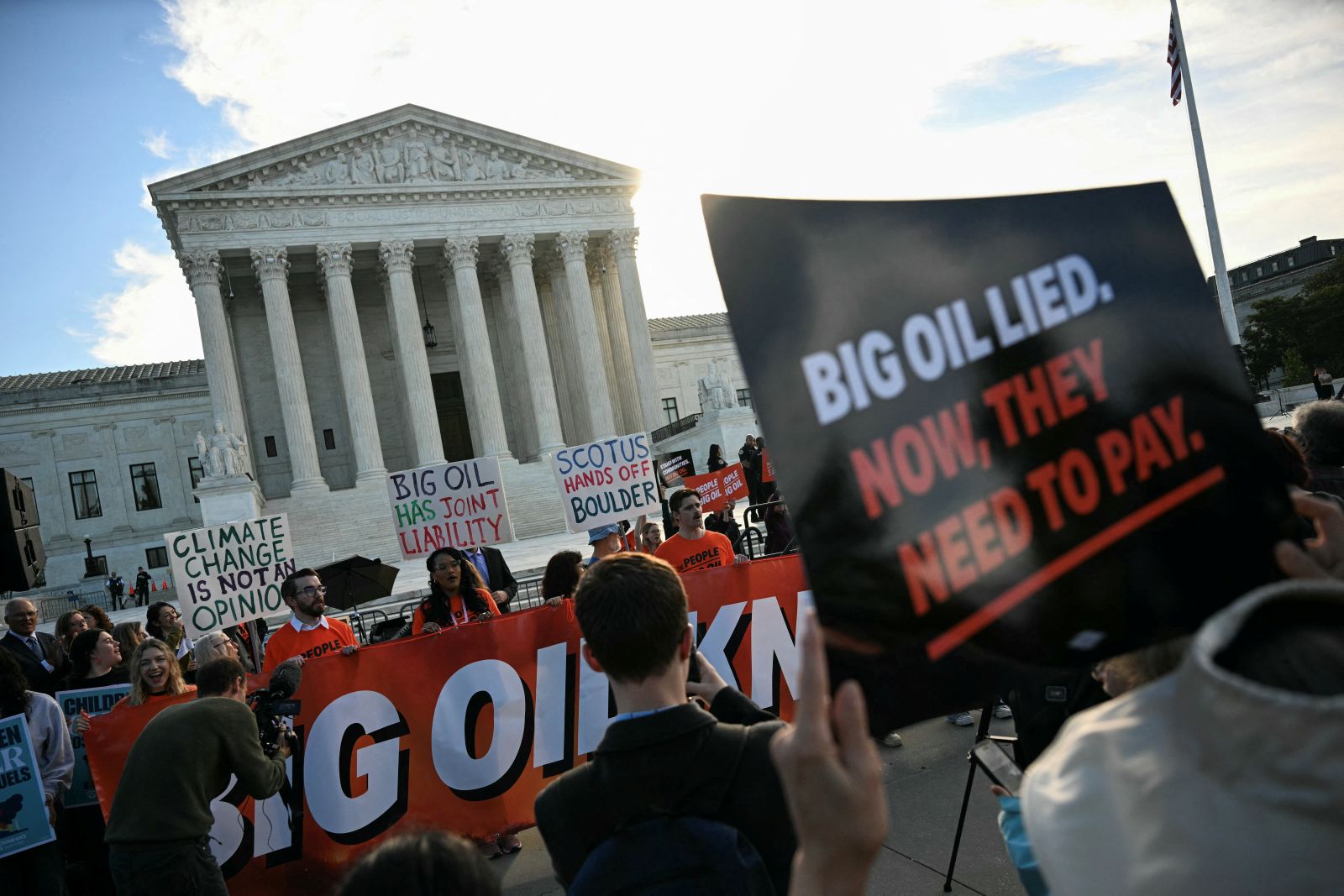
Boulder’s legal team hopes to utilize this framework. They argue that by requiring fossil fuel companies to pay for the destruction wrought by climate-driven disasters, they are simply forcing the industry to "internalize the costs" of their business model.
However, the justices—particularly those on the conservative wing—remained skeptical. Justice Brett Kavanaugh expressed concern that the scale of these claims is vastly different from the tobacco litigation. He suggested that if a state court were allowed to impose massive damages on oil companies, it would effectively grant that court the power to dictate energy policy on a global scale. "This case involves an unprecedented effort to use state law to regulate global conduct," Shanmugam argued, a point that clearly resonated with several members of the bench.
Supporting Data and the Burden of Proof
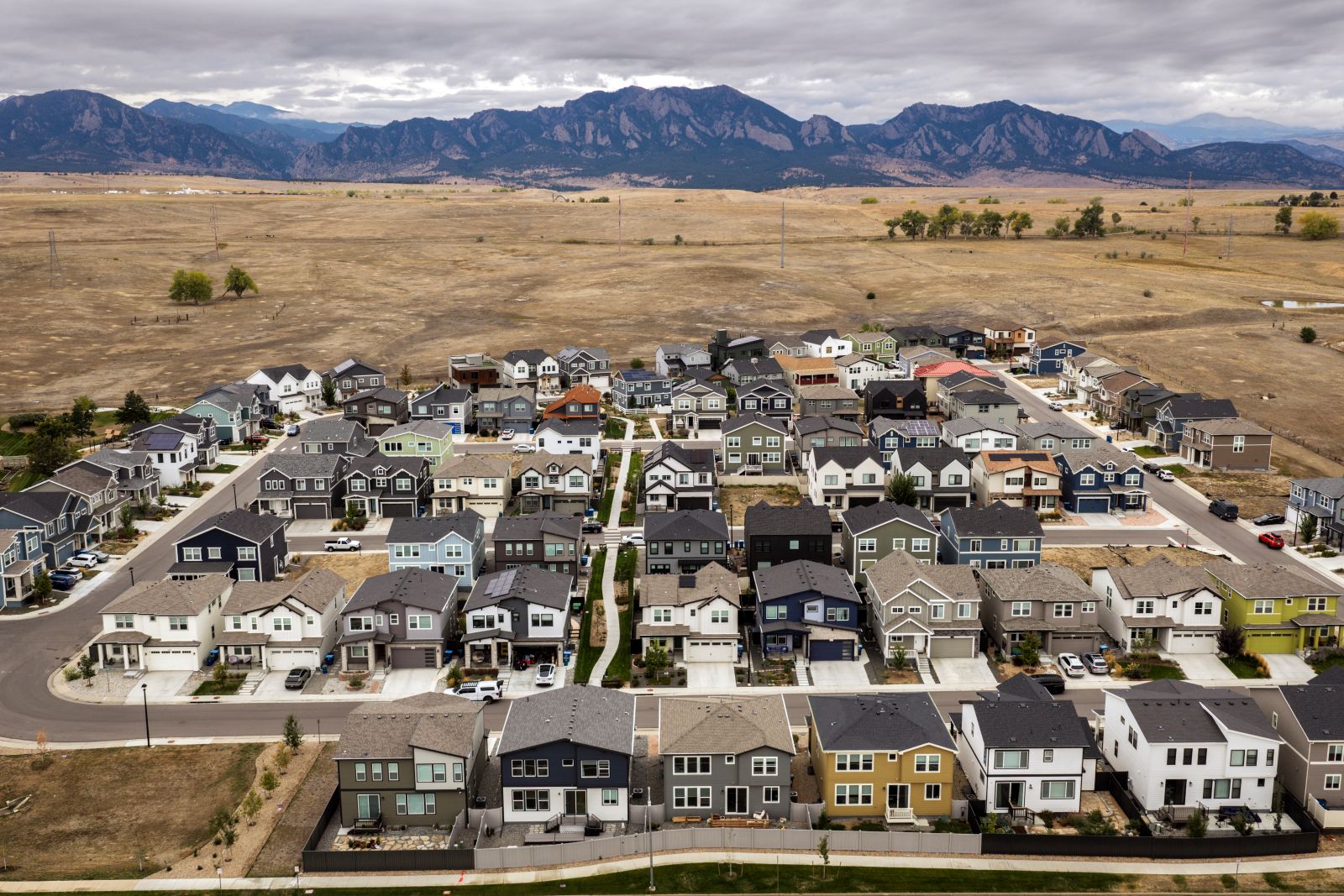
While the legal arguments focused on jurisdiction and the interpretation of the Clean Air Act, the backdrop of the case remains the staggering financial burden facing local governments. Boulder County, for example, points to the devastating Marshall Fire as a prime example of the costs associated with a drier, warmer, and more fire-prone landscape.
Climate experts have long documented the increasing frequency of "billion-dollar disasters," a term used by NOAA to describe climate-driven events that cause massive damage to municipal infrastructure. The plaintiffs argue that as these costs balloon, taxpayers should not be the sole financiers of the recovery efforts. Instead, they believe the "Polluter Pays" principle should apply to the energy companies whose products have scientifically been linked to the acceleration of these climate phenomena.
However, the defense has successfully shifted the focus to the "chaotic consequences" of such liability. Shanmugam’s dramatic warning to the justices—that a ruling in favor of Boulder could allow a resident to sue a gas station for a nuisance claim simply for filling up their car—sought to highlight what the industry claims is the logical absurdity of the plaintiff’s position.
Official Responses and Strategic Implications
The industry’s stance is clear: they are preparing for a long-term fight to protect their bottom lines. Firms like Suncor have already disclosed to their shareholders that the proliferation of climate-related lawsuits represents a "material risk" to their long-term financial health.
Legal scholars observing the case note that the court’s decision could be narrow or sweeping. Erika Kranz, an attorney with Harvard Law School’s environmental and energy law program, suggests the outcome depends heavily on the specific legal rationale the court chooses to adopt. "States and local governments are trying to recoup costs in a lot of different ways," Kranz noted. "Whether these other cases run into trouble will depend entirely on how the justices draft their opinion."
There is also the matter of Justice Samuel Alito’s recusal. While the court offered no formal explanation, his absence creates a 4-4 split possibility, which would leave the lower court ruling in place and effectively allow Boulder to proceed. However, critics have pointed to his past investments in the energy sector, fueling public speculation regarding judicial ethics and impartiality in high-stakes corporate litigation.
Implications for the Future of Climate Policy
The implications of the Supreme Court’s impending decision extend far beyond the city limits of Boulder. If the court rules that state courts lack the jurisdiction to hear these cases, it would effectively shut the courthouse doors to dozens of municipalities and states currently seeking damages.
Conversely, if the court allows the case to proceed, it could trigger a wave of litigation that forces a new era of corporate transparency and financial responsibility. Critics of the current industry model argue that without the pressure of litigation, there is little incentive for fossil fuel companies to change their business practices or to account for the "negative externalities" of their products.
As Chris Winter, executive director of the Getches-Wilkinson Center at the University of Colorado Law School, observed, the industry is successfully using the "regulatory" framing to appeal to the court’s conservative leanings. "There’s a lot of concern from the oil industry, from corporate actors, and from the conservative justices about the significant consequences of these cases," Winter said. "The industry’s strategy is to equate this case with previous regulatory battles, which are much more directly about the government’s power to control pollution."
As the court deliberates, the silence from the bench regarding their final decision is deafening. For the communities on the front lines of the climate crisis, the wait for a ruling will be long, and the stakes could not be higher. Whether the law can evolve to address the global scale of climate change remains the most significant legal challenge of the decade.


 Dwi Wanna
 Iffa Jayyana
 Raul Delapena Setiawan

 Nana Wu

 Rifan Muazin