
 Muslim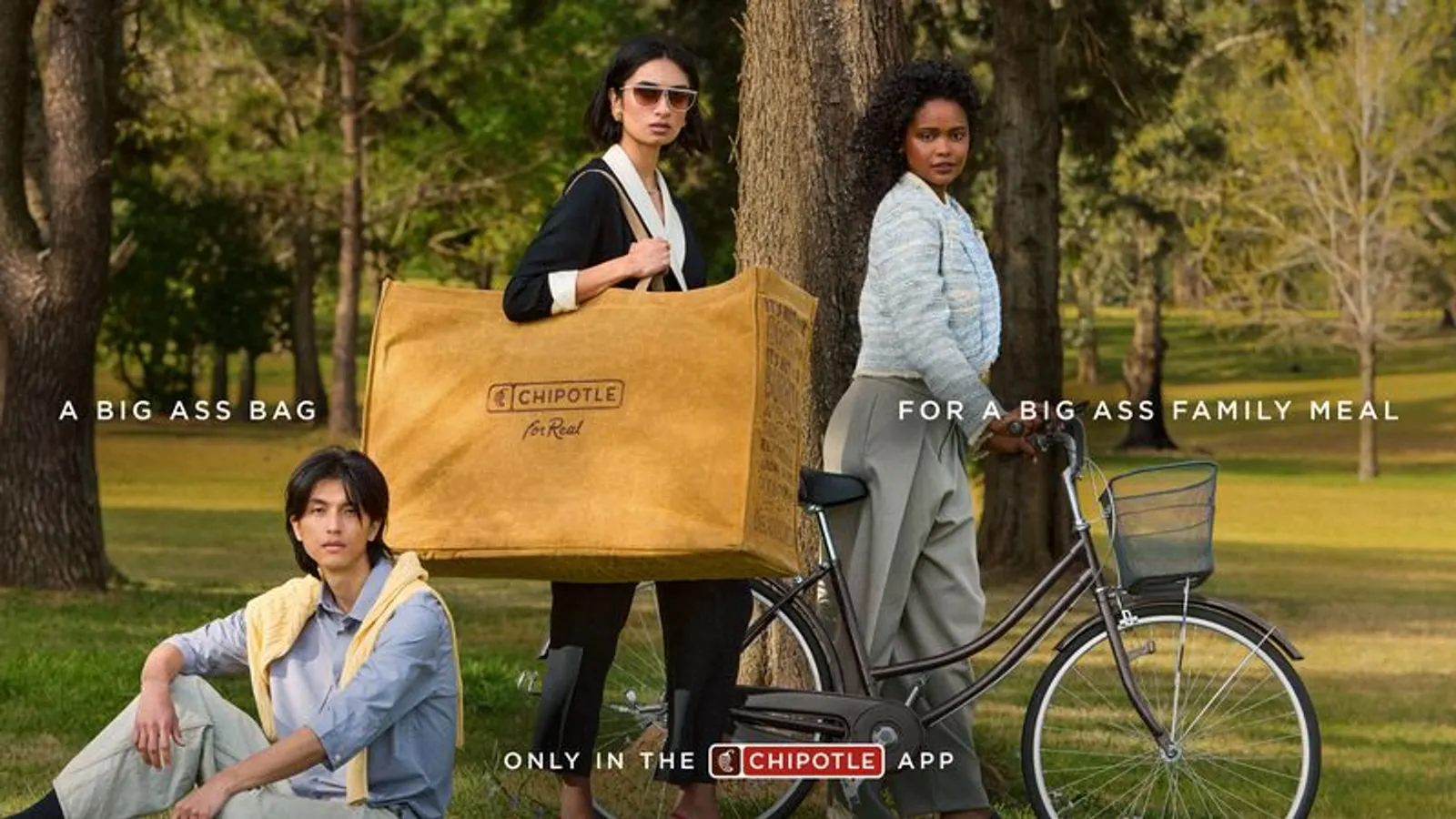
In the rapidly evolving landscape of consumer engagement, brands are moving beyond traditional billboards and social media ads to claim space in the one place that matters most: the daily lives and wardrobes of their customers. Over the past few months, a wave of iconic household names—ranging from fast-casual giants like Chipotle to confectionery players like Unreal Snacks—have pivoted toward an unexpected strategy: the high-end handbag.
By launching limited-edition, fashion-forward accessories, these companies are attempting to transcend their roles as mere commodity providers. Instead, they are positioning themselves as lifestyle markers, leveraging the current cultural obsession with oversized fashion and curated aesthetics to forge a deeper, more emotional connection with a younger, design-conscious demographic.
The Convergence of Fashion and Fast-Moving Consumer Goods
The marriage of snack food and luxury fashion may seem incongruous at first glance, but for brands looking to maintain relevance in a crowded market, the strategy is calculated. Marketers have long utilized novelty items to tap into niche interests, but the current "runway-ready" movement is a significant step up in sophistication.
This trend is not merely about brand recognition; it is about "lifestyle integration." Companies are realizing that if they can make a consumer carry their brand as an accessory, they have successfully moved from the pantry to the podium of personal identity.
A Chronology of Style: From Cake Slices to Silver Clutches
The push into the fashion sphere has been rapid and multifaceted.
- August 2025: Betty Crocker ignited the trend with a packaging-inspired collection featuring three cake-slice-shaped handbags. Priced at $89, the bags—complete with a signature red-spoon zipper pull—sold out within 24 hours. A second drop in September saw thousands of fans waiting in digital queues, proving that nostalgia, when packaged as high fashion, is a potent driver of demand.
- September 2025 (New York Fashion Week): The trend reached a fever pitch during New York Fashion Week (NYFW). Unreal Snacks debuted its "Coco Bag" in collaboration with designer Rachel Comey. The silver, Tyvek-constructed clutch, designed to mimic the texture of a chocolate wrapper, served as a bold statement piece. Simultaneously, Poppi beverage partnered with designer Grace Ling to debut a 3D-printed bag modeled after a soda can, signaling that the "snack-as-fashion" trend had arrived in the luxury sector.
- Late 2025: Cadbury deepened its U.S. presence by teaming up with fashion brand Luar to release a crystal-clad, insulated clutch specifically designed to house chocolate bars, merging high-end aesthetics with practical, edible utility.
- Recent Developments: Chipotle joined the fray with the "Big Ass Chipotle Bag," a massive 3-foot-wide accessory that leans into the oversized fashion trend, rewarding loyal rewards members with a product that is, by design, impossible to ignore.
Supporting Data: Why the Pivot is Working
The rationale behind these partnerships is backed by shifting market dynamics. The global chocolate market is projected to reach $135.3 billion by 2026, up from $128.9 billion the previous year, according to Fortune Business Insights. In this hyper-competitive environment, brands like Unreal Snacks—which focus on "better-for-you" ingredients like gluten-free and non-GMO components—are fighting for shelf space not just in grocery aisles, but in the minds of millennial and Gen Z consumers.
The "better-for-you" snack segment is growing in tandem with the broader industry. By aligning with high-fashion designers, brands are signaling that their products belong to the same "curated" lifestyle as organic ingredients, sustainable fashion, and premium home goods. The strategy serves as a bridge, allowing these companies to attract first-time buyers who might be drawn to the brand’s fashion-forward marketing even if they haven’t yet tasted the product.
The Vision: Official Perspectives from Industry Leaders
For the brands involved, the move is less about selling bags and more about entering a new "conversation." Alison Whritenour, Chief Commercial Officer of Unreal Snacks, emphasizes that the strategy is built on the concept of "great taste" existing on multiple levels.
"Fitting into [our consumers’] lifestyle is bigger than just the choices they’re making for snacks," Whritenour said in a recent interview. "We really view ourselves as being in ‘great taste,’ so looking for others around us who also have great taste on many different levels was a big part of that strategy. There’s something we love about the everyday nature of fashion—you engage with it daily, it’s part of how you move through the world, it’s part of your values."
The collaboration with Rachel Comey was specifically designed to mirror the lifestyle of Unreal’s core demographic: millennial women who value personal expression. By designing the interior of the Coco Bag to specifically house Unreal snack products, the brand created a seamless bridge between the runway and the reality of the consumer’s day.
Similarly, Chipotle’s approach focuses on the "fun" and "ridiculous" nature of the brand. Fernando Machado, Chief Brand Officer, noted that the 3-foot-wide bag was an "outsized upgrade" of the most recognizable part of the Chipotle experience. "We took one of the most recognizable parts of the Chipotle experience, gave it an outsized upgrade, and created something that’s impossible to miss," he stated.
Implications: The Future of Brand Identity
The rise of the "snack-bag" signals a permanent shift in how CPG (Consumer Packaged Goods) companies view their role in culture. There are three primary implications for this trend:
1. The Death of the "Standard" Ad Campaign
Traditional, passive advertising is yielding lower engagement rates. By creating physical items that consumers covet, brands are transforming their customer base into walking, talking billboards. When a consumer carries a designer bag modeled after a snack, they are endorsing that brand’s values, effectively acting as an influencer for the company.
2. The Power of Scarcity and Exclusivity
By releasing these bags in limited drops—often through sweepstakes or exclusive online portals—brands are creating a "hype culture" typically reserved for streetwear brands like Supreme. This creates a sense of urgency that traditional retail marketing lacks, forcing consumers to follow the brand closely to avoid missing out.
3. Values-Led Consumption
As Sarah Peck, senior brand manager for Betty Crocker at General Mills, noted, the goal is to make nostalgia feel "fresh and relevant." Consumers are increasingly choosing brands that align with their personal identity. By moving into fashion, these companies are signaling that they are not just providers of food, but partners in the consumer’s personal brand-building exercise.
Navigating the Challenges of High-End Positioning
While the move into fashion is lucrative, it is not without risk. Brands that over-index on fashion may alienate their core audience if the products are perceived as too expensive or inaccessible. Unreal’s decision to price the Coco Bag at $425 is a bold play that risks being seen as elitist, though the company defends this by stating it is a way to "flex" the brand’s ability to exist in luxury spaces.
However, the "proof of concept" is clear. For Unreal Snacks, the immediate media coverage and the presence of their brand at New York Fashion Week have provided an "amazing immediate proof point." They have successfully transitioned from being a pantry staple to a luxury accessory, at least for a limited time.
Conclusion: The New Frontier of Engagement
The current trend of CPG brands launching high-end handbags is more than a fleeting gimmick. It represents a fundamental shift in how brands perceive their place in the consumer ecosystem. As the lines between our diets, our values, and our fashion choices continue to blur, companies that can effectively straddle these worlds will find themselves at a distinct advantage.
Whether it is a $425 silver clutch or a 3-foot-wide takeout bag, these items serve as a testament to a new era of marketing: one where the most successful brands are those that don’t just ask to be bought, but insist on being worn. As we look toward 2026 and beyond, expect the runway to become an even more crowded space for the food and beverage industry, proving that in the modern economy, great taste is truly a universal language.

 Nana Wu
 Asep Darmawan
 Ali Ikhwan
 Raul Delapena Setiawan
 Nana
Nana


 Neng Nana