
 Layla Zulfa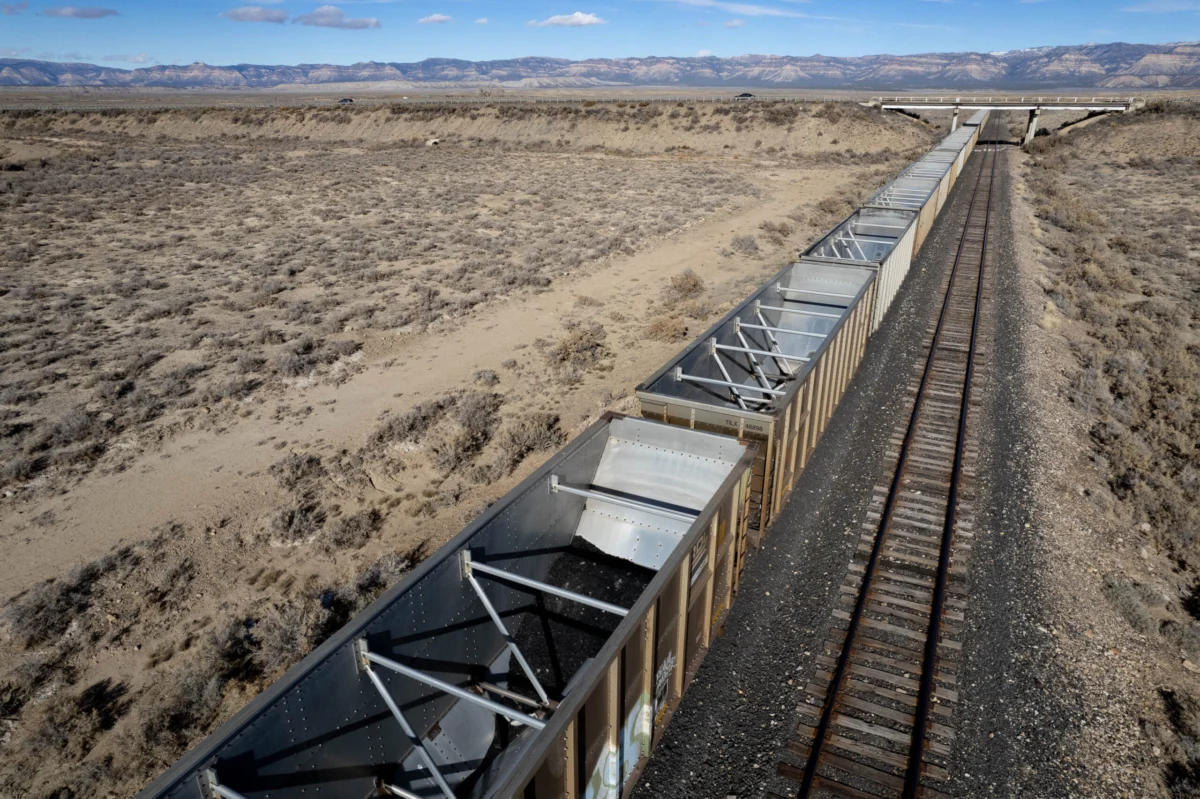
This coverage is made possible through a partnership between Grist and The Salt Lake Tribune, a nonprofit newsroom in Utah.
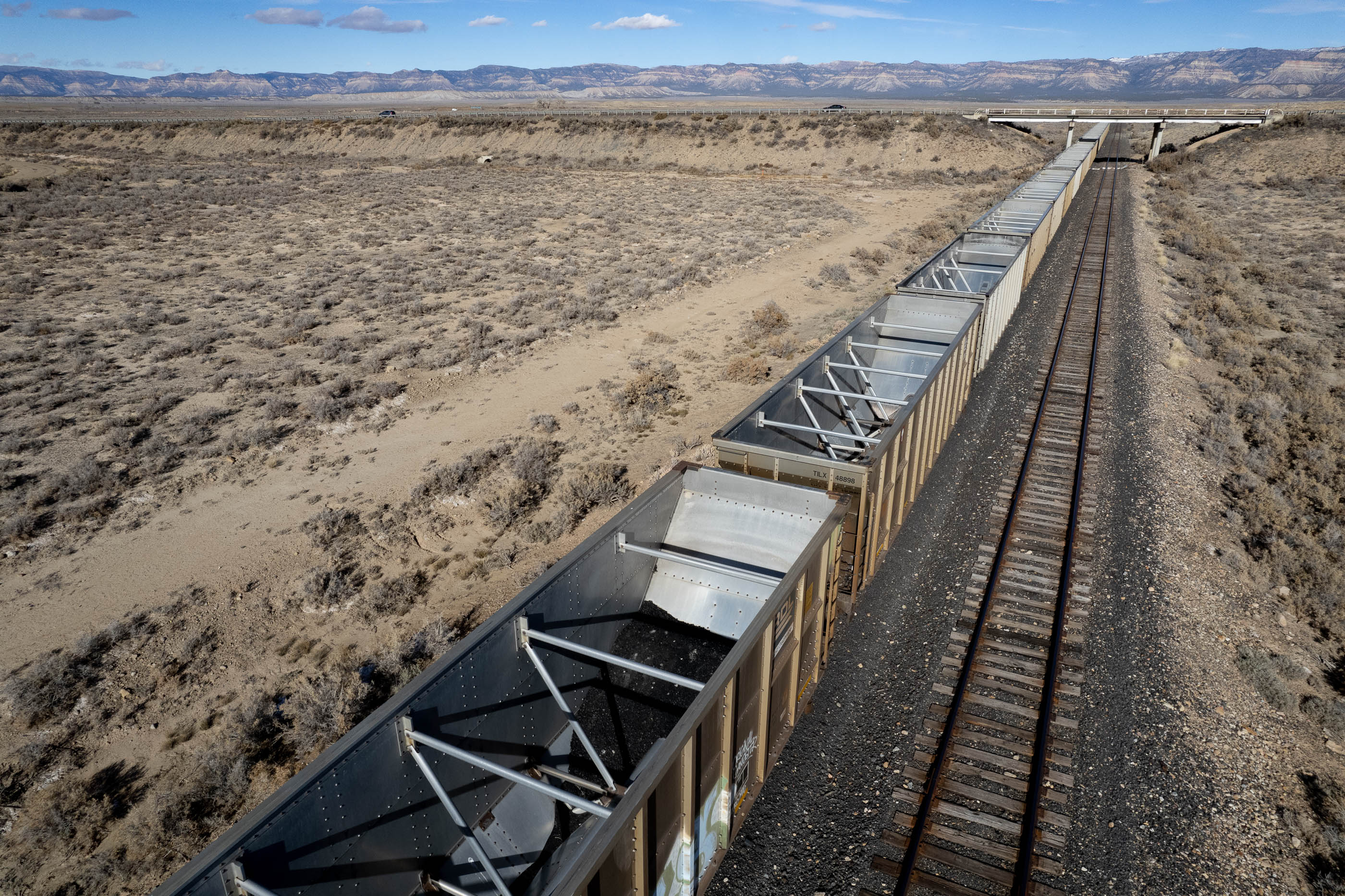
For decades, the economy of Carbon County, Utah, was written in black coal dust. Generations of families here built their lives around the rhythmic extraction of fossil fuels from the deep seams beneath the Wasatch Range. It was a life defined by boom-and-bust cycles, where the prosperity of the community was inextricably linked to the volatile global energy market. But that life came at a profound cost: chronic respiratory illness, the constant threat of mine explosions, and a landscape scarred by industrial activity.
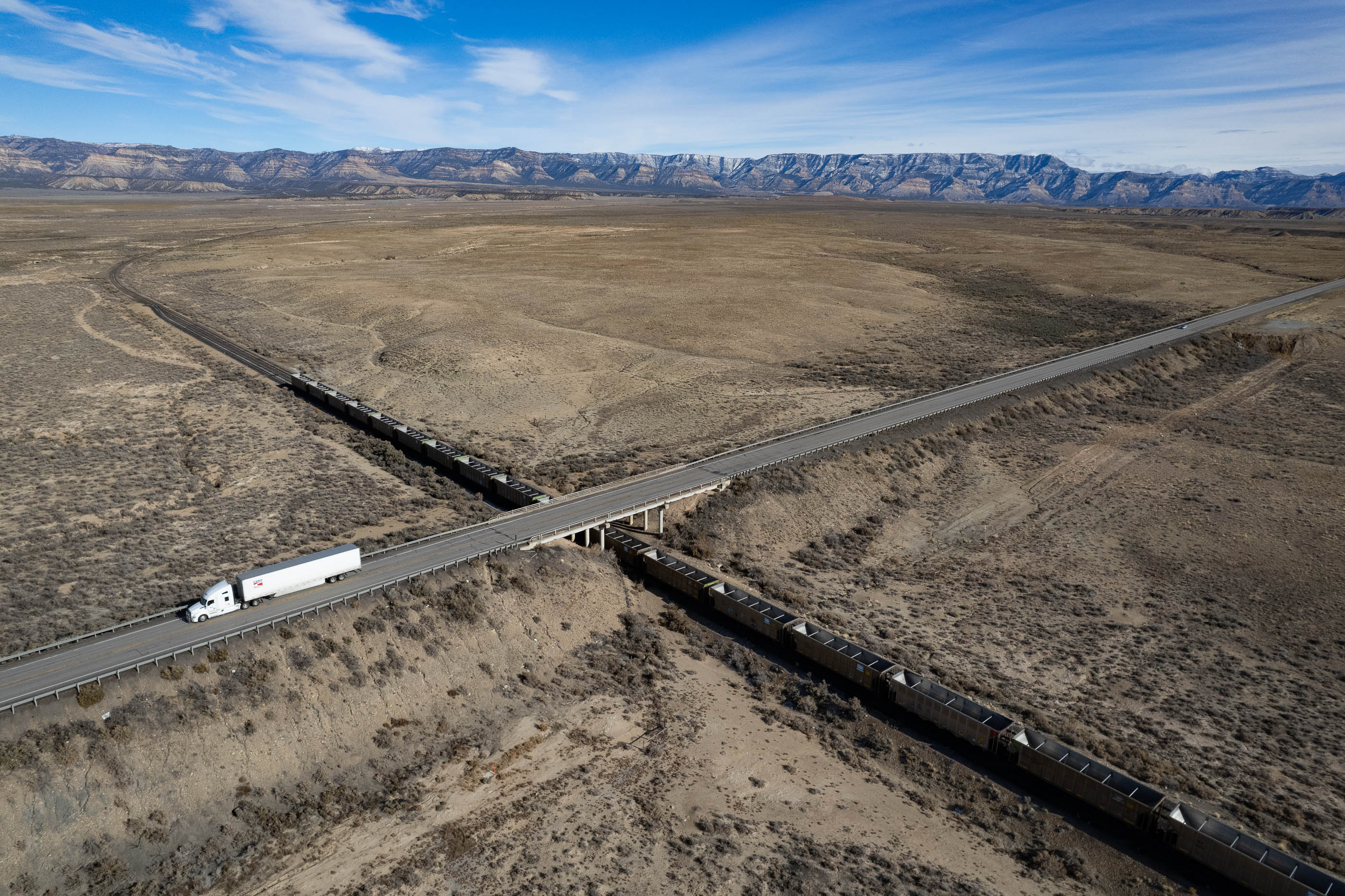
Today, as the last of the coal mines have shuttered—not a single pound of coal has been mined in the county since 2023—the region stands at a new, precarious crossroads. The industry that once provided the lifeblood of the economy has been replaced by a quiet, high-tech, and intensely controversial successor: the mega-scale data center. Residents like Cindy O’Neil, who have weathered the dangers of coal, now find themselves bracing for an uncertain future dominated by nuclear reactors and massive natural gas plants, projects they fear are being forced upon them without community consent.
The New Industrial Frontier: Nuclear and Natural Gas
The transformation of Carbon County is not merely a shift in energy sources; it is a fundamental alteration of the local landscape. The current spotlight is on two major, multi-million-dollar industrial proposals that have sparked intense public debate: Valar Atomics’ "Project Beehive" and Altigen Energy’s "Jurassic Spark."
Valar Atomics, a nuclear startup, has entered into a landmark agreement with the Utah Trust Lands Administration. The company plans to construct a vast complex featuring 456 small modular reactors (SMRs). This technology, while touted as the future of carbon-free energy, remains largely untested at a commercial scale within the United States. The proposed complex, situated on sprawling Bureau of Land Management (BLM) land and a square mile of state-owned trust lands, is designed to do far more than store radioactive waste. It aims to act as a localized power hub, supporting water desalination, steel manufacturing, critical mineral refining, and—most significantly—a constellation of energy-hungry data centers.
Simultaneously, the "Jurassic Spark" project, proposed by Altigen Energy, is set to cover hundreds of acres east of Wellington. Unlike the nuclear-focused Valar site, this project centers on a massive natural gas power plant. Initial plans call for a 250-megawatt facility, but local officials suggest the site has the potential to scale up to 3 gigawatts of power—a staggering figure when considering that the entire state of Utah currently consumes approximately 4 gigawatts.
A Chronology of Economic Displacement
The decline of coal in Carbon County was neither swift nor painless. In 2006, the region produced nearly 10 million tons of coal. However, a confluence of factors—including the rapid rise of cheaper, cleaner renewables and the depletion of easily accessible coal seams—rendered the industry uncompetitive. As coal revenues evaporated, the county’s tax base crumbled, forcing a difficult re-evaluation of its economic identity.
The state’s legislative response came in the form of Senate Bill 132, passed last year. The law allows private companies with energy demands exceeding 100 megawatts to build self-contained, independent power stations. While framed by state leaders as a necessary step to support business development and shield the public electrical grid from the massive demands of AI-driven server farms, the legislation inadvertently triggered a rush of industrial permits. Developers, seeing an opportunity to bypass grid congestion, began scouting rural areas like Carbon County, where land is cheap and regulatory hurdles are perceived to be lower.
For residents, the transition feels like a forced pivot from one type of extraction to another. "They say everything’s left us, and if we don’t grab these table scraps, we’re not going to get anything," said O’Neil. "I don’t think our county has to take the table scraps."
Technical and Environmental Risks: The "Heat Island" Effect
Beyond the socioeconomic anxiety, there are deep concerns regarding the physical impact of these facilities. Data centers are notoriously resource-intensive, requiring immense amounts of electricity and, in many cases, water for cooling.
While proponents of nuclear energy argue that the reactors will utilize closed-loop helium cooling systems to minimize water usage, experts remain cautious. Robert Davies, a professor of physics at Utah State University, highlights a unique challenge for the Wellington area: its geography. Situated in a valley and hemmed in by the Wasatch Range and the Book Cliffs, the area is prone to thermal inversions.
"If you’re in a contained valley, it concentrates the problem," Davies explained, referring to the heat output of these facilities. Because nuclear reactors and natural gas plants are inherently less than 100% efficient, they release significant waste heat into the environment. Residents like Aspen Westenskow, who has lived in the region her entire life, worry about the cumulative impact on the local ecosystem. "The heat island that the data centers produce, that concerns me," Westenskow said. "They go clear all this land, the brush, the trees. What helps cool the planet down? Not flat dirt."
Furthermore, the environmental history of the region adds a layer of intergenerational trauma. Cheryl Lupo, who is currently running for a seat on the county commission, points to the "downwinders"—residents affected by radioactive fallout from nuclear weapons testing in Nevada during the 1950s. Lupo believes her mother’s death and her grandfather’s passing were linked to this exposure. For many in the region, the arrival of nuclear technology—even in the form of advanced SMRs—is not seen as progress, but as a dangerous repeat of a dark history.
Official Responses and the "Silent Majority"
The stance of local government remains steadfastly in favor of the development. Carbon County commissioners argue that the revenue generated by these projects is essential to maintain public services and schools. The Valar Atomics project alone is projected to generate $35 million in lease rents over the next 50 years, funds that will directly benefit Utah’s public education system.
During a September board meeting, Commissioner Larry Jensen addressed the growing unrest. "We realize that this topic is a hot button now," Jensen stated. "It’s important that you understand that the Carbon County commissioners are committed to allowing these things to move forward. Even with the pushback—we realize that there are a few in our community who will push back—but the silent majority are the ones that we really represent."
This assertion has met with fierce pushback from residents like Lupo, who claim that public sentiment is far from silent. During her campaign for the commission, Lupo collected 300 signatures to earn a spot on the ballot, and she reports that the overwhelming majority of citizens she spoke to are deeply opposed to the current trajectory of industrial development. "People are up in arms," Lupo said. "Torches and pitchforks. Because they’re not being heard."
The state’s top officials, including Governor Spencer Cox and U.S. Senator John Curtis, have actively courted companies like Valar. The company has already successfully tested its "Ward250" microreactor at the San Rafael Energy Lab in neighboring Emery County and achieved "self-sustaining criticality" in June. With high-level backing and partnerships with tech giants like Nvidia, these companies appear to have cleared the primary political hurdles to establish a foothold in the region.
The Dilemma of Transparency
A recurring point of friction is the use of non-disclosure agreements (NDAs). Residents have repeatedly questioned the lack of transparency surrounding the deals being made behind closed doors. The county’s official position, issued in a statement on July 3, argues that these agreements are a competitive necessity: "Without these agreements, some companies would choose not to explore projects in Carbon County."
However, this secrecy breeds deep-seated mistrust. Oran Stainbrook, a former member of the county’s planning commission and economic development board, noted that while he was not privy to specific NDAs involving these data centers, such contracts are standard practice in the region’s development efforts. For O’Neil, who tracks these projects via local community Facebook pages, the lack of transparency is the core of the grievance. "You shouldn’t be hiding what you and the company are going to bring to a community," she said, "and not tell the community until it’s too late and a done deal."
Future Implications: A Region at the Breaking Point
As Carbon County navigates this transition, the implications extend far beyond its borders. The struggle between the desire for economic revitalization and the demand for environmental safety and community sovereignty is a microcosm of the global energy transition.
The promise of tax revenue and the allure of high-tech jobs are powerful incentives for a region left behind by the coal bust. Yet, the price of that progress—potential environmental degradation, water scarcity, and the imposition of unproven nuclear technology—is a risk that many residents feel they were never given the chance to reject.
As the "Jurassic Spark" and "Project Beehive" move through their respective planning and permitting stages, the eyes of the state will remain fixed on Carbon County. Whether this region can forge a sustainable future that honors the voices of its citizens, or whether it will continue to be treated as a sacrifice zone for the demands of the digital age, remains the defining question of the decade. For now, the people of Carbon County are left waiting for answers, watching the horizon for the next shift in an economy that has, for too long, functioned without their permission.


 Dwi Wanna
 Iffa Jayyana
 Muslim
 Nana Wu

 Rifan Muazin
 Asro
Asro