
 Layla Zulfa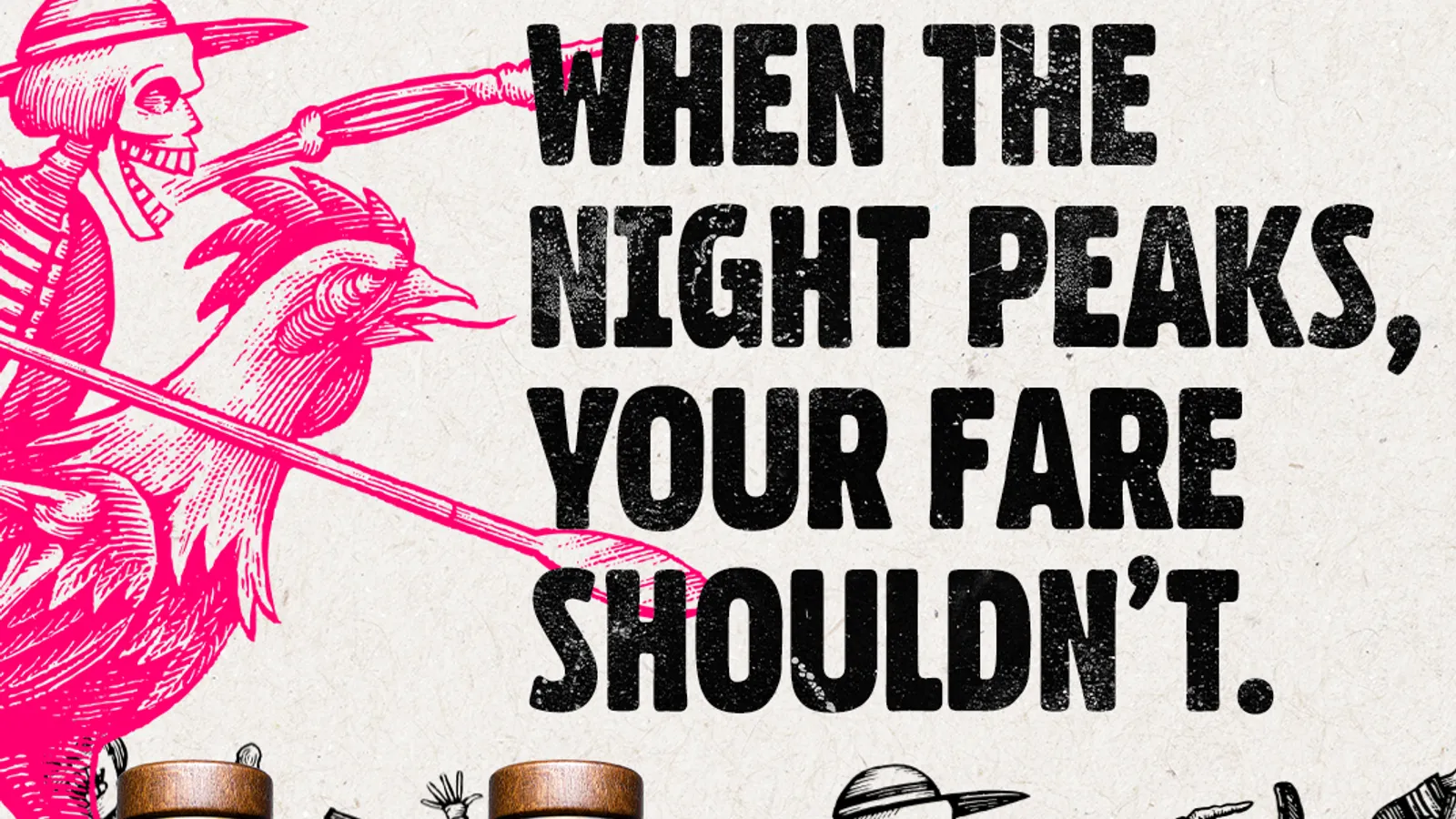
By Editorial Staff
Published: October 8, 2026
In a bold move that merges social responsibility with savvy brand positioning, Espolòn Tequila has officially launched its "Fare Share" program. Designed to alleviate the financial sting of ride-hailing surge pricing during one of the most high-traffic holidays of the year—Halloween—the initiative serves as both a consumer-facing service and a strategic critique of current transportation market dynamics. By offering partial reimbursements to those utilizing services like Uber and Lyft during peak holiday hours, the Campari-owned brand is positioning itself as a champion for the social drinker, fostering goodwill during a season where alcohol consumption traditionally spikes.
Main Facts: How "Fare Share" Functions
The Fare Share program is a tactical response to the "surge pricing" model, which has become a persistent point of contention for urban commuters and nightlife enthusiasts. During periods of high demand, platforms such as Uber and Lyft employ algorithmic adjustments that can increase ride costs by eight to nine times the standard fare.
Espolòn’s initiative invites consumers to submit their ride receipts for qualifying hours directly to the brand for partial reimbursement. By doing so, the company effectively subsidizes the cost of safe transportation. This program is not merely a one-off discount; it is a comprehensive engagement strategy supported by a dedicated landing page, social media amplification, and experiential activations occurring throughout the Halloween and Día de los Muertos (Day of the Dead) windows. The brand’s messaging is clear: consumers should feel empowered to enjoy their nights out without the looming anxiety of unpredictable, inflated transportation costs.
Chronology: From "Ride the Rooster" to Real-World Advocacy
The launch of Fare Share is the latest development in a broader brand evolution for Espolòn. The timeline of this strategic shift suggests a deliberate pivot toward community-focused marketing:
- August 2026: Espolòn launched its global "Ride the Rooster" campaign. The series of creative spots was designed to challenge the "culture of exclusivity" often associated with premium spirits. By positioning the brand as accessible and inclusive, the campaign laid the psychological groundwork for the more utilitarian "Fare Share" program.
- Late Summer 2026: As the brand continued to refine its market stance, it observed the growing consumer frustration regarding the lack of transparency in ride-sharing pricing.
- September 2026: Parent company Campari Group continued its aggressive marketing push, notably with the Campari brand’s "Stay Bitter" campaign featuring actor Alan Cumming. This established a culture of high-impact, conversation-starting advertising within the portfolio.
- October 8, 2026: The official announcement of the Fare Share program. The timing is deliberate, aligning with the surge in post-summer social events and the onset of the Halloween party season.
Supporting Data: The High Cost of the Holiday
The logic behind the campaign is rooted in hard data. Halloween weekend consistently ranks as one of the most active periods for alcohol consumption in the United States, with some industry reports indicating that drinking levels increase by as much as 25% during this timeframe.
However, the cost of participation has skyrocketed. In major metropolitan areas, data cited by Espolòn reveals that ride-sharing costs reached exorbitant levels last Halloween. When demand outstrips supply, these algorithms—which many consumers view as opaque—often create a barrier to safe travel. By intervening at this specific friction point, Espolòn is not just selling tequila; it is mitigating the "pain point" of the entire night out. This data-driven approach allows the brand to speak directly to the "nightlife economy," positioning itself as a brand that understands the logistical realities of its target demographic.
The Regulatory Climate: Surveillance Pricing and Consumer Sentiment
The "Fare Share" program arrives at a volatile moment in the relationship between tech platforms and the public. In August 2026, the Federal Trade Commission (FTC) proposed a new enforcement policy targeting "surveillance pricing"—the practice of using personal consumer data to set individualized prices. While major ride-sharing platforms have consistently denied engaging in such discriminatory pricing, the court of public opinion has been less convinced.

Recent reports from organizations like Consumer Reports have fueled skepticism, questioning the veracity of the data used to justify surge pricing. Consumers are increasingly wary of "fake discounts" and variable pricing structures that seem to punish them for their location, time of day, or battery life. By aligning itself with the consumer against these opaque algorithms, Espolòn is tapping into a deep vein of resentment. The brand is essentially saying, "We are on your side against the black box of corporate tech." This alignment is a powerful tool for building long-term brand equity, as it transforms the company from a mere commodity provider into a relatable ally.
Implications: The Future of Alcohol Marketing
The implications of the Fare Share program are significant for the alcohol and spirits industry. Brands are increasingly moving away from traditional "product-only" advertising in favor of "utility-based" marketing.
1. The Shift to Shared Experiences
Espolòn’s strategy mirrors that of other industry giants like Heineken. Through its "Fans Have More Friends" platform, Heineken has spent the last year pushing the narrative of in-person connection. The industry at large has recognized that in a digital-first world, the physical "third place" (the bar, the party, the venue) is the most valuable real estate for brand loyalty. By facilitating the transportation that gets consumers to those places, Espolòn is securing its place in the physical experience.
2. The Power of Portfolio Synergy
Being part of the Campari Group portfolio provides Espolòn with a unique advantage. With heavy hitters like Aperol, Wild Turkey, and Grand Marnier under the same umbrella, the company has the resources to run multi-channel campaigns that dominate the cultural conversation. The "Fare Share" program acts as a case study in how a mid-tier brand can punch above its weight by addressing a societal friction point rather than just touting flavor profiles.

3. Ethical Branding as a Competitive Edge
As consumers, particularly Gen Z and Millennials, place higher premiums on corporate ethics and transparency, brands that proactively solve problems for their customers will likely outperform those that remain passive. If "Fare Share" is successful, it could trigger a trend where spirits companies provide "safe ride" subsidies as a standard part of their annual marketing mix. This would shift the industry from a focus on pure consumption to a more nuanced focus on "responsible enjoyment."
Conclusion
Espolòn Tequila’s "Fare Share" program is a masterclass in timely, relevant marketing. By identifying a specific pain point—surge pricing—and addressing it with a tangible, consumer-focused solution, the brand has managed to turn a logistical frustration into a powerful narrative of empowerment.
Whether the program will be enough to move the needle on long-term brand loyalty remains to be seen, but the initial response suggests that consumers are eager for brands that acknowledge the complexities of their daily lives. As the holiday season approaches, Espolòn is betting that by helping its customers get home safely and affordably, it will earn the right to be the drink of choice at their next celebration. In an era of surveillance pricing and algorithmic uncertainty, that kind of trust is arguably the most valuable commodity of all.

 Suro Senen
 Raul Delapena Setiawan
 Laily UPN
 Iffa Jayyana
 Rifan Muazin
 Lina Hope
 Lina Irawan