
 Basiran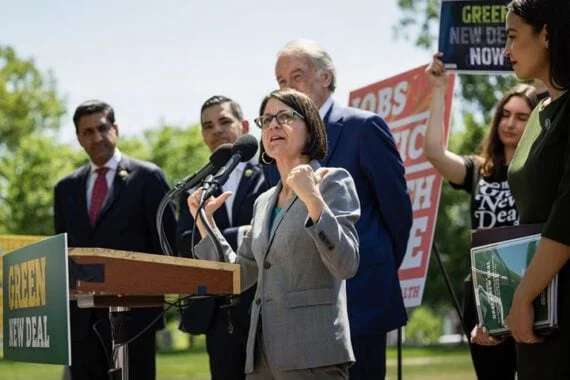
For millions of small and mid-sized enterprises, the digital storefront is the lifeblood of the modern economy. Platforms like Amazon, Walmart, and other major marketplaces offer an unparalleled reach, allowing a garage-based startup to compete for the attention of a global consumer base. However, this convenience comes with a precarious dependency. In the current ecosystem, a single automated policy flag can result in a catastrophic "freeze"—where a seller’s revenue is held indefinitely, inventory is stranded in fulfillment centers, and the business effectively ceases to exist overnight, often without a clear explanation or a path to recourse.
This week, that power dynamic faced a potential turning point. On July 21, 2026, Representative Becca Balint (D-Vt.) introduced the Online Sellers’ Bill of Rights Act of 2026 (H.R. 9799), a bipartisan-backed legislative effort aimed at bringing "commercial due process" to the Wild West of online marketplace enforcement.
The Genesis of H.R. 9799: Restoring Equilibrium
The proposed legislation arrives at a time of mounting tension between e-commerce giants and the third-party merchants who populate their virtual aisles. While marketplaces have a legitimate interest in policing their platforms against counterfeiters, fraudulent actors, and unsafe products, the current enforcement mechanisms are often opaque, algorithmic, and swift.
H.R. 9799 does not aim to strip marketplaces of their right to protect consumers. Instead, it seeks to codify a set of federal standards that would govern how platforms handle investigations, inventory, and appeals. By requiring transparency and accountability, proponents believe the bill will safeguard legitimate businesses from the collateral damage often caused by heavy-handed, automated enforcement.
A Chronology of Marketplace Enforcement
The call for legislative intervention has been building for years. The relationship between platforms and sellers has traditionally been governed by "Terms of Service" agreements that are heavily skewed in favor of the platform operator.
- Pre-2020: The rise of e-commerce dominance by a handful of players leads to an increase in seller complaints regarding arbitrary account suspensions.
- 2021-2024: High-profile cases of "stranded inventory" gain traction in trade media, highlighting how sellers are often left without recourse when platforms lock accounts for alleged policy violations.
- 2025: Regulatory scrutiny of big tech’s influence over small businesses intensifies at the federal level.
- July 21, 2026: Rep. Becca Balint introduces H.R. 9799, citing the need for "fundamental fairness" in the digital marketplace.
- Late July 2026: The House Judiciary Committee initiates review of the bill, setting the stage for what is expected to be a contentious lobbying battle between industry groups and merchant advocates.
The Pillars of Protection: Key Provisions
The Online Sellers’ Bill of Rights Act is structured around several critical protections designed to prevent the total collapse of a merchant’s business during a dispute.
1. Hard Limits on Inventory and Payment Holds
Perhaps the most significant aspect of the bill is the imposition of a 30-day "ticking clock." Under current practices, marketplaces can withhold funds and inventory for months while an investigation is pending. H.R. 9799 would mandate that inventory holds and financial freezes cannot exceed 30 calendar days. To extend a hold beyond this window, the platform must provide clear, evidence-based justification that the funds or goods in question are linked to illicit activity.
2. The "Gated Product" Grace Period
Marketplaces frequently restrict products after they have already been accepted into the fulfillment network, leaving sellers with stock they can no longer list. The bill would require platforms to provide a 30-day window for sellers to liquidate or return this inventory at no cost to the merchant, preventing the sudden, forced obsolescence of legitimate goods.
3. Notification of Material Changes
Transparency is a core theme of the proposal. Platforms would be required to give 30 days’ notice before implementing major changes to commissions, fees, compliance requirements, or listing restrictions. This ensures that sellers can adjust their business models and pricing strategies in real-time, rather than being hit with sudden margin-crushing updates.
4. Meaningful Appeals and Individualized Notices
The era of the "templated denial" could come to an end. The bill mandates that any enforcement action must be accompanied by a specific explanation of the alleged violation, relevant documentation, and a clear, actionable path for an appeal. Generic notices citing "general policy violations" would no longer suffice under the proposed federal standards.
Official Responses and Political Landscape
The reception of H.R. 9799 has been polarized, reflecting the divergent interests of the players involved.
Proponents: Small business advocacy groups, such as the Online Merchants Guild, have lauded the bill, characterizing it as the "Magna Carta for e-commerce." They argue that the threat of losing one’s livelihood due to an opaque, algorithmic error is a violation of basic commercial rights. By forcing platforms to be transparent, these groups argue that the entire ecosystem will become more robust and less prone to systemic failure.
Marketplace Operators: While official statements from major platforms like Amazon and Walmart have been measured, industry analysts expect significant pushback. The primary argument from the platforms is that such legislation could hinder their ability to react quickly to security threats. If a platform is forced to wait 30 days to freeze funds linked to a sophisticated criminal syndicate, they argue, it could result in massive losses for the platform and, more importantly, put consumers at risk.
Legal Implications and Enforcement
The enforcement mechanism of H.R. 9799 is what gives the bill its "teeth." If enacted, the Federal Trade Commission (FTC) would have 180 days to establish formal rules based on the legislation. Crucially, the bill includes a "private right of action," allowing injured sellers to sue in federal court regardless of whether their user agreement mandates private arbitration.
The potential for triple damages—awarding a plaintiff three times the amount of their financial loss—creates a significant legal liability for platforms. This provision is likely to become the central point of debate as the bill moves through the House Judiciary Committee. It effectively shifts the risk profile of wrongful enforcement from the seller to the platform, forcing companies to weigh the cost of a mistake against the cost of a lawsuit.
Unresolved Questions: Defining "Dominance"
Despite its ambitious scope, the bill faces a critical hurdle: the definition of a "dominant platform." The legislation classifies covered entities as "critical trading partners," but it lacks a concrete metric—such as annual revenue, user base, or market share percentage—to determine which marketplaces fall under these new regulations.
This ambiguity creates a legal gray area. Is a niche, hobby-focused marketplace with $50 million in revenue subject to the same strictures as a trillion-dollar e-commerce giant? If the FTC is left to define these thresholds, it may open the door to protracted litigation regarding the scope of the law. Without clear, measurable benchmarks, the bill risks being either too broad, stifling competition among smaller players, or too narrow, leaving the most vulnerable sellers unprotected on secondary platforms.
The Road Ahead
As the House Judiciary Committee begins its deliberations, the tech sector is bracing for a rigorous debate. The Online Sellers’ Bill of Rights Act of 2026 represents a landmark attempt to apply 20th-century notions of due process to 21st-century digital commerce.
Whether the bill passes in its current form remains to be seen. However, the conversation it has sparked is undeniable: the era of unchecked platform autonomy is facing its first serious challenge. For the millions of entrepreneurs who rely on these marketplaces to feed their families and grow their businesses, H.R. 9799 represents more than just regulation—it represents the hope for a fair shake in a digital world that often feels designed to overlook them.
As lawmakers continue to weigh the balance between consumer safety and seller rights, the outcome of this legislation will undoubtedly redefine the landscape of the American e-commerce economy for years to come.


 Ammar Sabilarrohman
 Nana Wu
 Lina Irawan


 Suro Senen
 Jia Lissa