
 Reynand Wu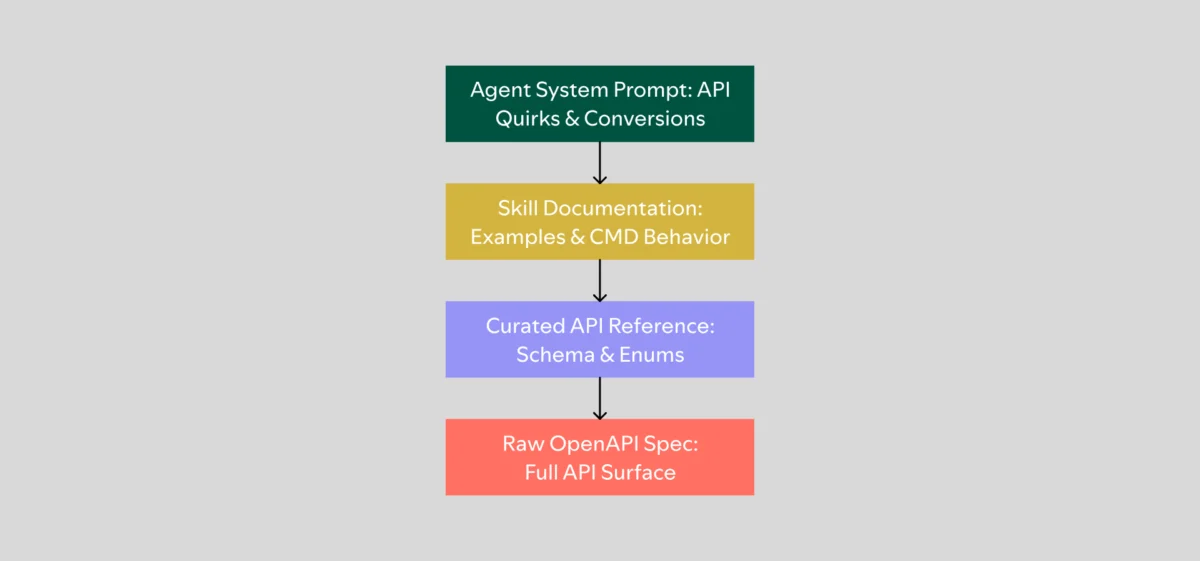
In the rapidly evolving landscape of programmatic advertising, the gap between human intent and technical execution has long been a source of friction. Advertising APIs, while immensely powerful, are notoriously complex—often requiring a deep understanding of nested entity hierarchies, multi-step validation processes, and rigid schema requirements. For the average advertiser, the cognitive load of navigating these technical hurdles can often overshadow the creative process.
Spotify has officially moved to collapse this divide. The company has introduced a suite of skills, agents, and tools bundled as a plugin for Claude Code, designed to make the Spotify Ads API fully accessible through natural language. By shifting the paradigm from manual orchestration to conversational interaction, Spotify is enabling users to launch complex audio campaigns simply by asking.
Main Facts: The Intersection of Intent and Execution
The core of Spotify’s new initiative is the spotify-ads-api plugin, now available via GitHub and the Claude Plugins marketplace. At its heart, the plugin acts as an intelligent translator, converting plain-English requests into precise, valid sequences of API calls.
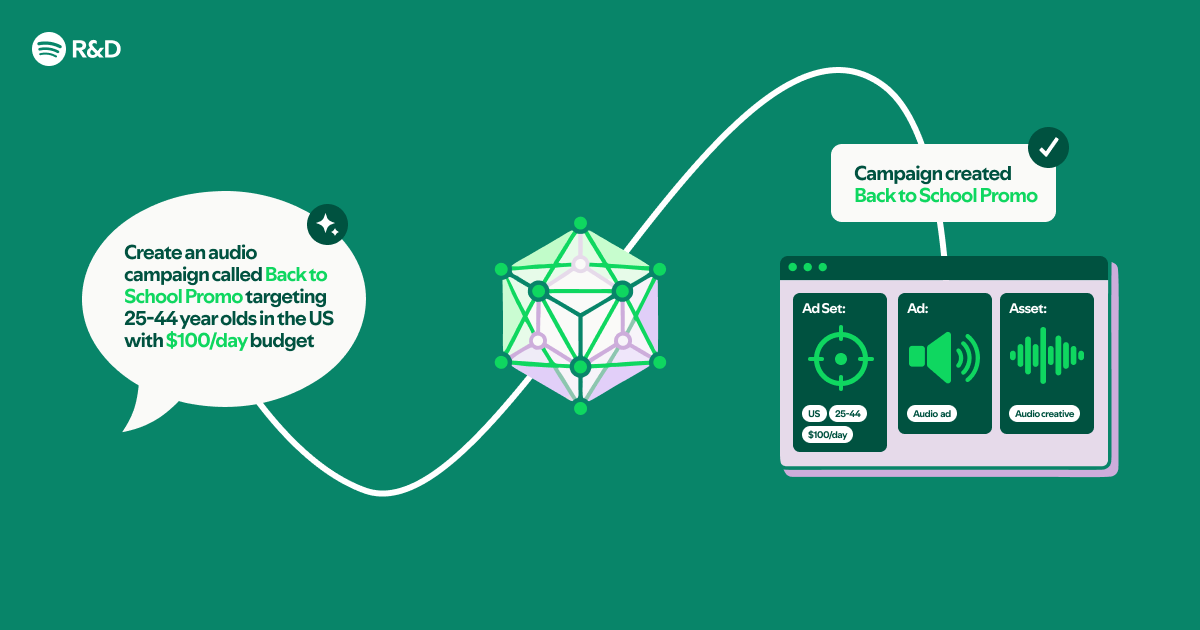
Rather than forcing users to write boilerplate code or navigate a complex dashboard to configure ad sets, targeting, and budgets, the system allows for intent-based commands. A user might request: "Create an audio campaign called ‘Back to School Promo,’ targeting 25-44-year-olds in the US with a $100/day budget."
The agent then takes over, decomposing this request into a multi-step workflow:
- Geo-targeting lookup: Identifying the correct IDs for US-based regions.
- Unit conversion: Translating standard dollar amounts into the micro-units required by the API.
- Entity creation: Programmatically building the campaign, the ad set, and the creative assets in the correct sequence.
- Validation: Ensuring all parameters meet Spotify’s internal requirements before submission.
By automating this lifecycle, Spotify is not just saving time; it is democratizing access to professional-grade advertising tools.
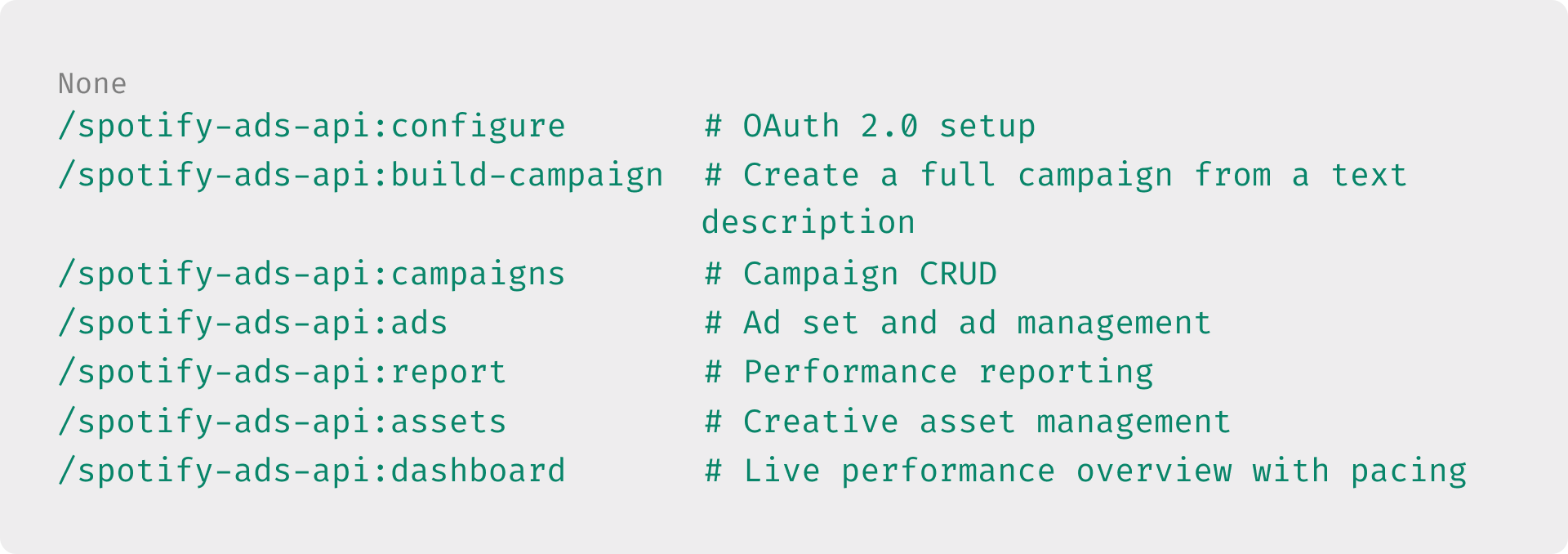
Chronology: Building a Developer-Centric Agent
The development of this tool was driven by a desire to prioritize speed, maintainability, and transparency. The team’s journey began with a critical decision: how to architect an agent that remains robust as the underlying API evolves.
The Shift to Claude Code
The development team opted for Claude Code, primarily due to its plugin architecture. Unlike traditional development environments that require complex compilation steps, package managers, or build pipelines, this plugin is written entirely in Markdown.
By utilizing Markdown files for skills, agents, and documentation, the team created a system that is inherently human-readable, easily diffable, and fully version-controllable. This "code-as-prose" philosophy means that when an API quirk is discovered or a new feature is added, the solution is often as simple as updating a text file rather than re-engineering a software architecture.
Rejecting the MCP Standard (For Now)
While the Model Context Protocol (MCP) has gained traction as the industry standard for connecting LLMs to external data, the Spotify team made the opinionated decision to eschew it for this specific project. Their reasoning was twofold:
- API Surface Complexity: The Spotify Ads API features dozens of endpoints with nested schemas. Importing this into an MCP tool registry would consume a massive portion of the LLM’s context window.
- Transparency and Debugging: The team prioritized the ability to display
curlcommands directly to the user. This ensures that every action taken by the AI is audit-able, copyable, and reproducible, providing a critical safety layer when handling advertising budgets.
Supporting Data: Leveraging the OpenAPI Spec as a Navigation Graph
A standout feature of this integration is its sophisticated use of the OpenAPI v3 specification. The plugin includes the full 8,600-line specification for the Spotify Ads API, serving as the "source of truth."
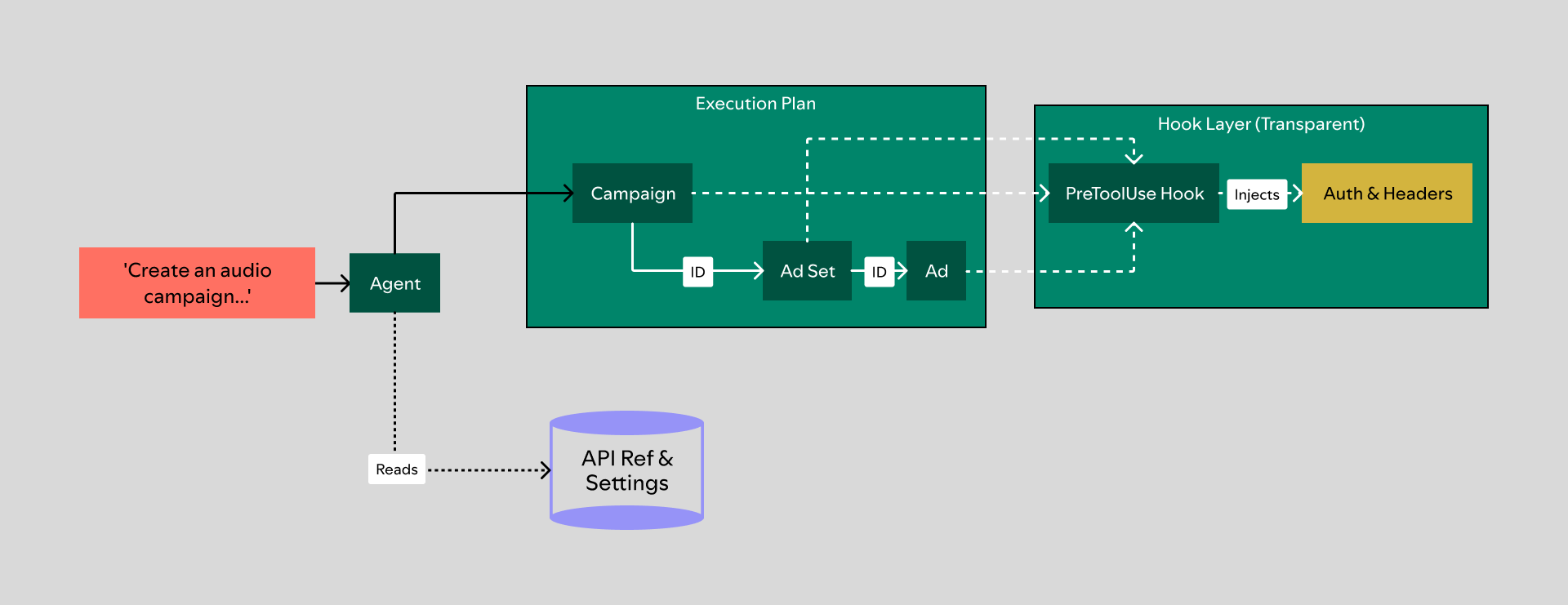
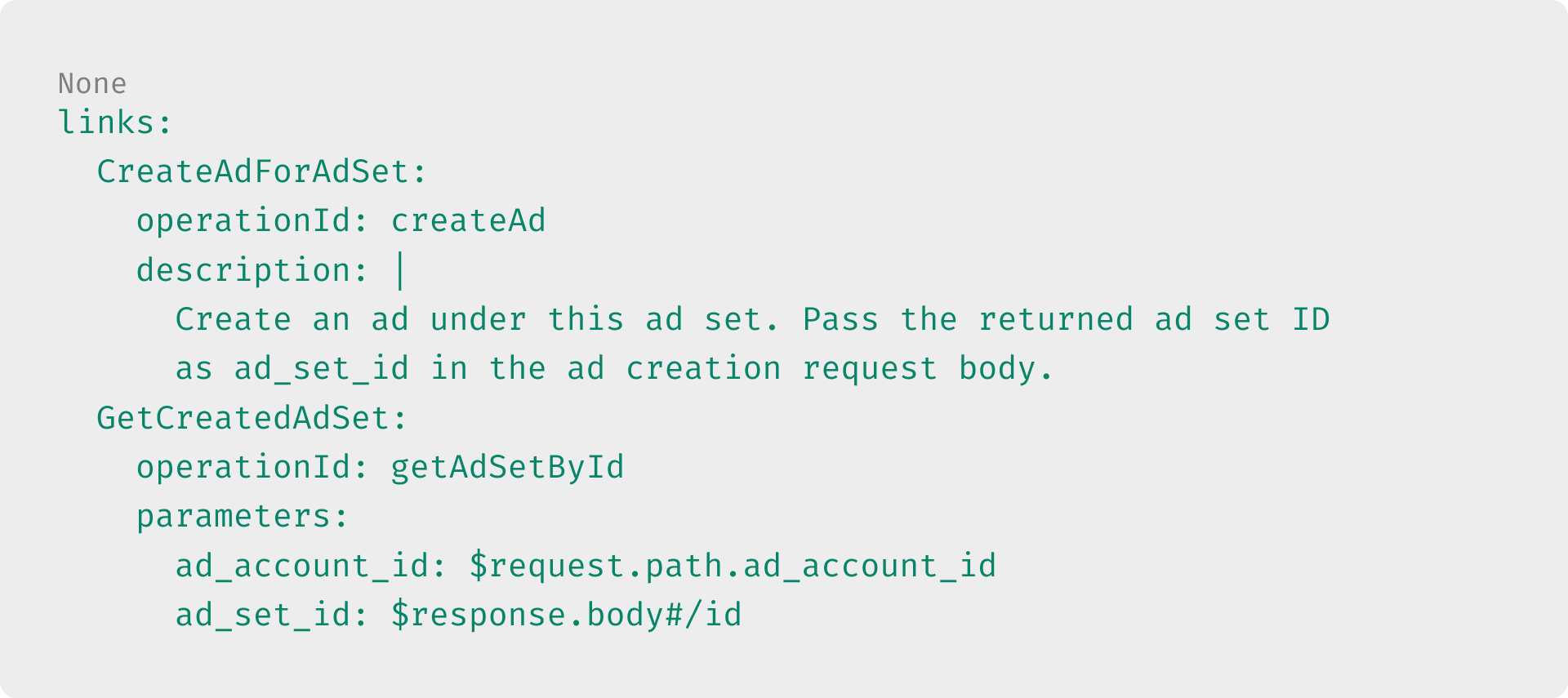
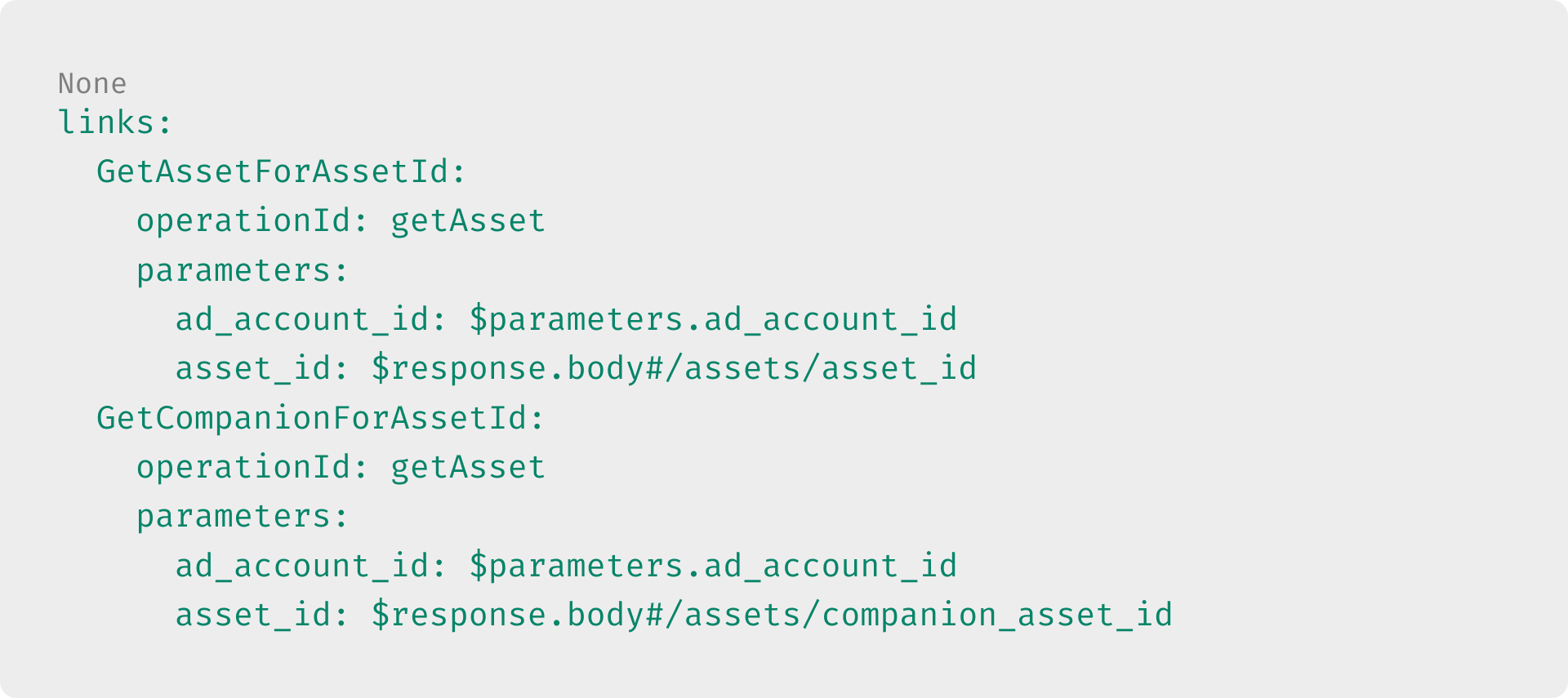
However, the team went a step further by utilizing OpenAPI Links. These links define the functional relationships between operations, effectively mapping the entity hierarchy. For instance, the system knows that the response from a "Create Campaign" request must be fed into the "Create Ad Set" endpoint.
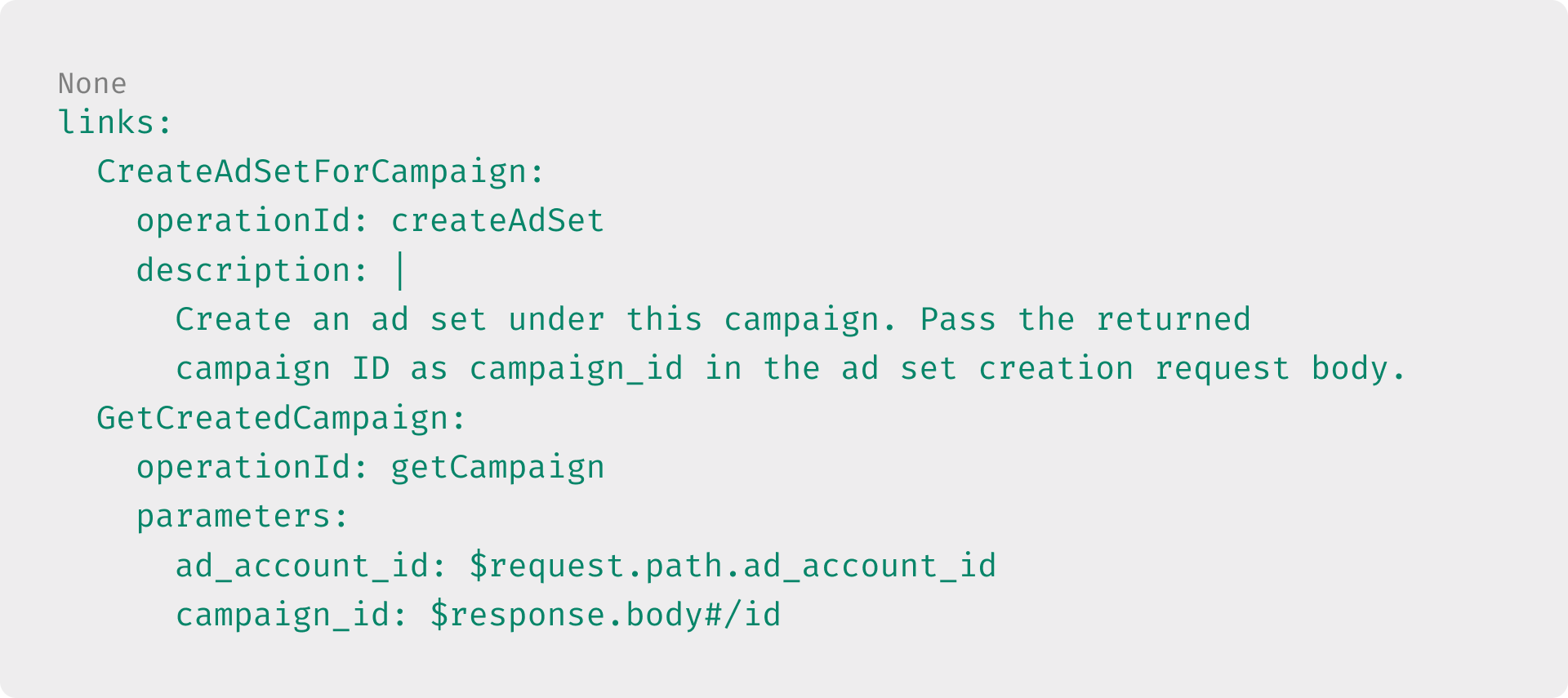
By treating these links as a navigation graph, the AI agent can autonomously traverse the API’s workflow. It understands that an ad set needs a campaign ID and that targeting parameters must be fetched before a campaign can be finalized. This machine-readable relationship map allows the agent to navigate the "cognitive distance" between the user’s intent and the necessary backend API calls with remarkable precision.
Official Responses and Strategic Philosophy
In discussing the launch, the Spotify engineering team emphasized a "pragmatic tradeoff" strategy. They balanced the use of curated, human-readable documentation for common tasks with the raw, comprehensive power of the OpenAPI spec for edge cases.
"This plugin is a bet on a specific thesis," the team noted in their official release documentation. "That the best interface to a complex API is natural language, grounded by detailed documentation, with transparent execution."
The team’s commitment to open-source (under the Apache 2.0 license) signals that this is not just an internal tool, but an experiment in how large-scale enterprise APIs should be exposed to the next generation of AI-driven developer tools. By avoiding complex runtimes and dependencies—relying only on curl, jq, and python3—they have ensured that the barrier to entry for developers looking to extend the tool is exceptionally low.
Implications: The Future of Advertising Operations
The launch of the spotify-ads-api plugin carries significant implications for the broader advertising industry.
Enhanced Productivity
For advertisers and agencies, this tool represents a shift from "manual labor" to "strategic oversight." Instead of spending hours in a GUI or debugging API requests, users can focus on campaign strategy, creative optimization, and audience research.
The Rise of Agentic Workflows
The success of this project suggests that we are entering an era where API design must evolve to accommodate LLMs. The use of OpenAPI Links, in particular, offers a roadmap for other companies looking to make their platforms "agent-ready." By documenting not just endpoints, but the relationships between them, companies can enable autonomous agents to perform complex, multi-stage workflows without human intervention.
What’s Next: Idempotency and Expansion
Spotify is already looking toward the next phase of the project. Key priorities include:
- Idempotency Keys: Implementing safety mechanisms to prevent duplicate campaigns during network retries, ensuring financial safety for users.
- Observability: Analyzing user interactions to identify where the agent requires clarification, which will feed back into refining the system prompts.
- Multi-Platform Support: While the initial release focuses on Claude, the team is actively exploring support for other environments, including Codex and Gemini CLI, with an eye toward future integration of generative AI for creative asset creation.
Ultimately, Spotify’s initiative proves that complex API integrations do not have to be intimidating. By combining the rigor of OpenAPI specifications with the flexibility of natural language agents, they have created a blueprint for the future of developer tools. As this project scales, it is likely to serve as a bellwether for how enterprise-level platforms bridge the gap between their complex backends and the increasingly conversational needs of their users.


 Jia Lissa
 Nila Kartika Wati
 Raul Delapena Setiawan

 Sagoh
Sagoh

 Azzam Bilal Chamdy
 Ali Ikhwan