
 Pevita Pearce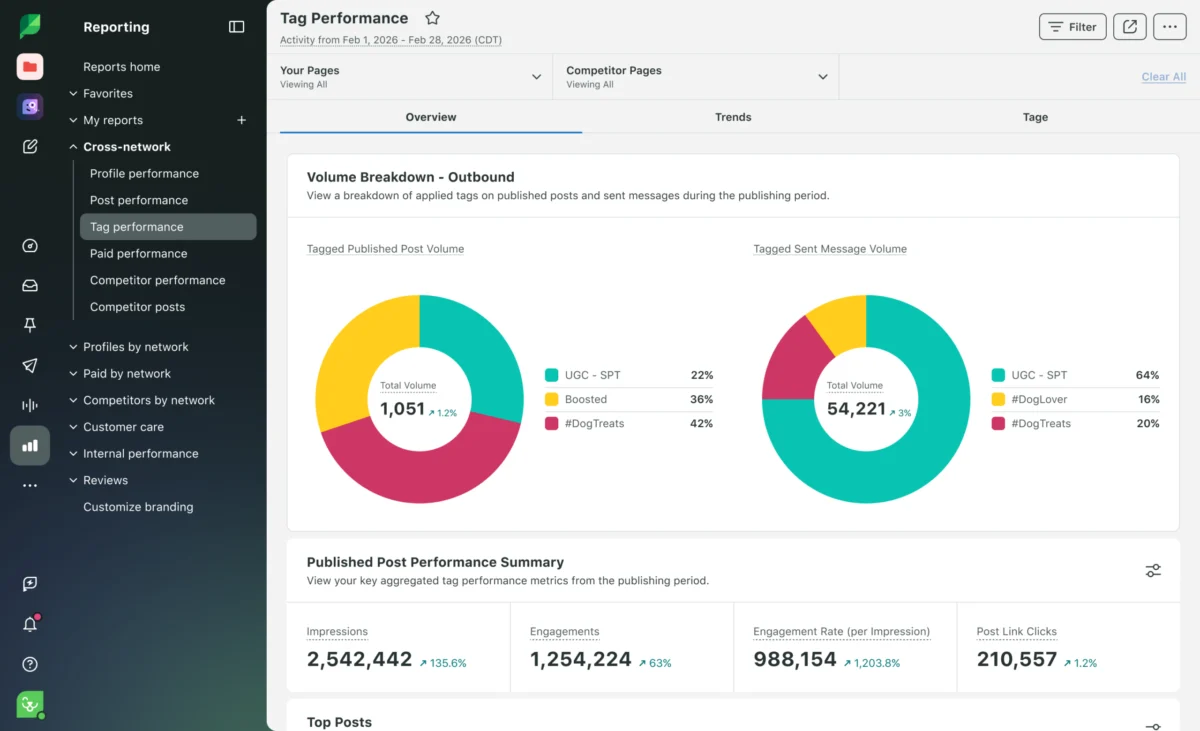
In the modern digital marketing ecosystem, video content is no longer an optional tactic—it is the primary driver of audience engagement. Yet, for many brands, the disconnect between their video production efforts and actual business ROI remains a significant hurdle. Many marketing teams rely exclusively on YouTube Studio, an essential tool for management that nonetheless functions as an isolated silo. While YouTube Studio excels at the technical aspects of video hosting, it often fails to bridge the gap between "views" and "business results."
For marketing professionals, the challenge is clear: how do you transition from tracking vanity metrics—such as raw view counts—to analyzing performance in a way that aligns with organizational goals? The answer lies in moving beyond the native interface and adopting a unified, cross-channel reporting strategy.

The Anatomy of the YouTube Dashboard: More Than Just Analytics
To understand why a shift in reporting strategy is necessary, one must first distinguish between the two primary functions of the YouTube interface: the YouTube Dashboard and YouTube Analytics.
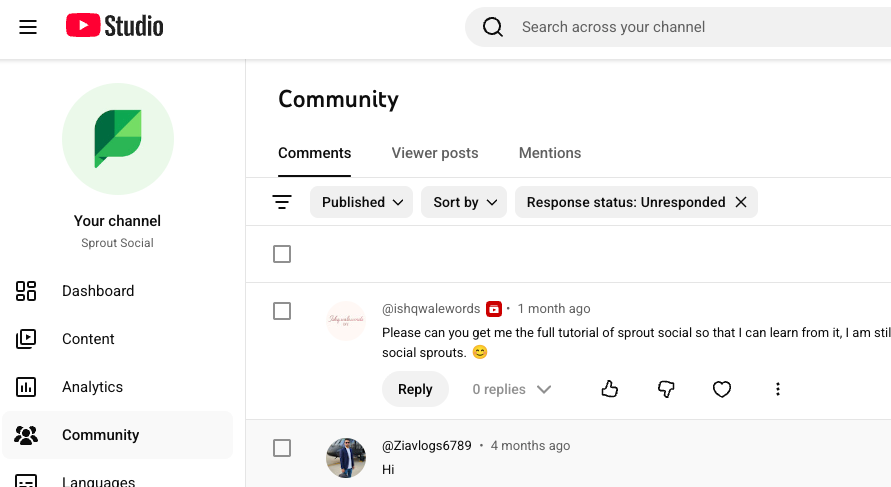
The YouTube Dashboard is the command center of the platform. It is the centralized workspace where creators and brands publish content, moderate community discussions, review monetization eligibility, and adjust channel-wide settings. It is operational by design. Conversely, YouTube Analytics is a specific tab within that workspace, focused on quantitative measurement.
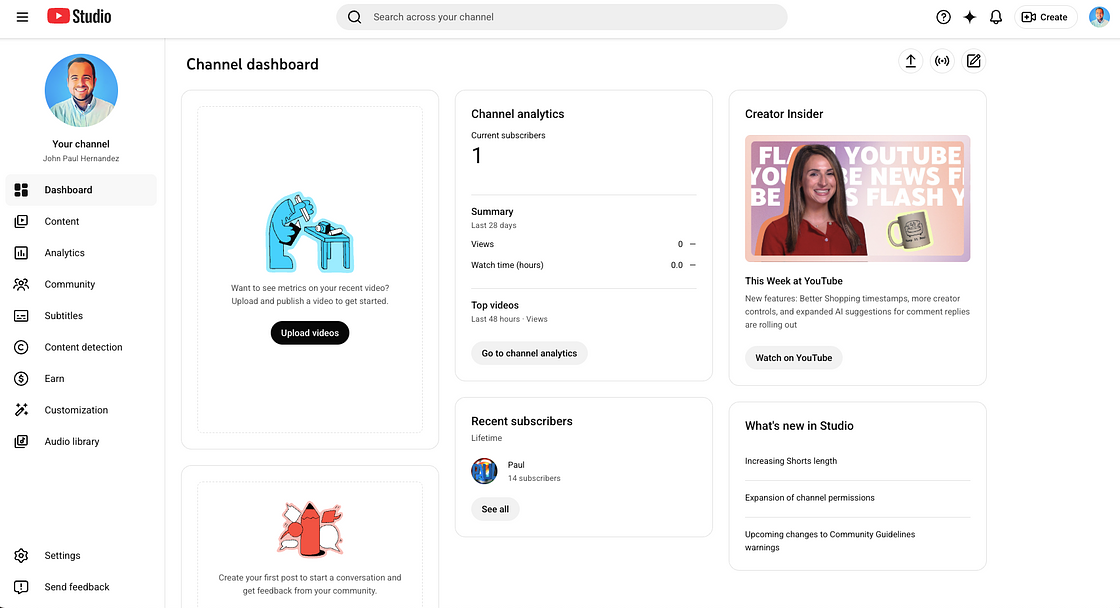
While the native dashboard is sufficient for individual creators managing a single channel, it falls short for enterprise-level marketing teams. Native tools force teams to operate in isolation, disconnected from their Instagram, TikTok, or LinkedIn performance. In a multi-platform social media strategy, this fragmentation leads to strategic blind spots, preventing teams from understanding how a single video’s performance contributes to the broader customer journey.
A Chronological Evolution of Social Media Reporting
The history of social media analytics has been one of gradual consolidation. In the early days of YouTube, creators were satisfied with simple view counts. As platforms matured, the demand for deeper insights—such as audience retention, traffic sources, and demographic data—led to the rise of sophisticated native analytics.

However, the "spreadsheet era" followed, where marketers were forced to manually export data from various platforms to compare performance. This was not only time-consuming but also prone to human error and data decay. Today, we have entered the "unified reporting era." Advanced social media management platforms like Sprout Social have evolved to bridge these gaps, allowing teams to integrate YouTube data into a wider, cross-platform narrative. This evolution represents a shift from descriptive analytics (what happened) to prescriptive analytics (why it happened and what to do next).
Supporting Data: Why Native Limitations Impede Strategy
The limitations of native YouTube reporting are not merely theoretical; they have measurable consequences for team productivity and strategic accuracy.
The Cost of Siloed Data
According to a Forrester Total Economic Impact™ study, marketing teams that move away from manual data aggregation—often the result of relying on native, siloed tools—can reduce the time spent on monthly reporting by up to 75%. When data is trapped in YouTube Studio, teams must either share sensitive login credentials or spend hours manually transposing metrics into spreadsheets. This is inefficient, insecure, and ultimately undermines the speed at which a brand can react to market trends.
The "Vanity vs. Impact" Divide
Native dashboards prioritize metrics that are easy to measure but difficult to monetize. For instance, while "total views" is a popular metric, it rarely correlates with conversion or customer lifetime value. Professional reporting solutions allow for the creation of custom, comparative views that native dashboards cannot provide, such as:
- Cross-platform performance benchmarks: Comparing video engagement across YouTube, TikTok, and LinkedIn.
- Tag-based campaign analysis: Grouping content by product category or marketing theme to see which initiatives actually drive revenue.
- Granular audience insights: Tracking how specific video formats—like Shorts versus long-form—contribute to subscriber growth versus brand awareness.
Implications for Modern Marketing Teams
The move toward integrated reporting has profound implications for how brands approach their content strategy. By centralizing YouTube data within a unified platform, marketing teams can achieve several critical outcomes:
1. Unified Strategic Visibility
When YouTube analytics are viewed in context with other social networks, marketers can finally answer the "why." If a video sees a spike in engagement, is it because of the content itself, or because of a successful promotion on another channel? A unified dashboard clarifies these causal relationships, allowing teams to optimize their content distribution strategies across the entire social ecosystem.
2. Enhanced Operational Security
Sharing a single YouTube login among team members is a significant security risk. By using a platform that allows for role-based access and secure integration, brands can protect their channel credentials while ensuring that all stakeholders have access to the data they need.
3. Automated, Actionable Insights
Modern reporting tools are no longer just about static charts. With the integration of AI-driven tools—such as Sprout’s Trellis—marketers can now ask questions in plain language, such as, "Which YouTube videos drove the most engagement last quarter?" This reduces the time-to-insight, allowing for faster, more data-informed decision-making.

Key Metrics: The Foundation of a Strategic Dashboard
To build a truly strategic YouTube dashboard, marketers must prioritize six essential metrics that provide actionable intelligence:
- Watch Time & Audience Retention: These metrics reveal the "stickiness" of your content. A steep drop-off at the 30-second mark indicates a pacing issue, while a stable curve suggests that the video successfully fulfills the promise made in the title and thumbnail.
- Traffic Sources: Understanding whether viewers arrive via YouTube Search, Suggested Videos, or external links is crucial. High search traffic indicates a successful SEO strategy, while high "Suggested" traffic signals that the algorithm is actively promoting your content.
- Subscriber Growth Rate: Rather than focusing on total count, track which specific videos are responsible for your most significant growth periods. This helps you identify which content pillars are most effective at turning casual viewers into loyal followers.
- Engagement Rate: Comments, likes, and shares are the "human" metrics. Monitoring these provides direct access to audience sentiment and can highlight potential product improvements or areas for future content.
- Click-Through Rate (CTR): This is the ultimate indicator of your packaging’s effectiveness. A high CTR with low watch time suggests that your titles and thumbnails are compelling, but the content itself may not be meeting user expectations.
- Shorts vs. Long-form Performance: Because these formats serve different purposes (Shorts for reach, long-form for depth), they should never be lumped together. Separating these metrics ensures you are judging your content against the correct benchmarks.
Conclusion: Driving Business Impact
The transition from a basic YouTube Studio user to a strategic data-driven marketer is defined by how you handle your analytics. While YouTube Studio will always remain the operational hub for uploading and managing videos, it should not be the destination for your reporting.
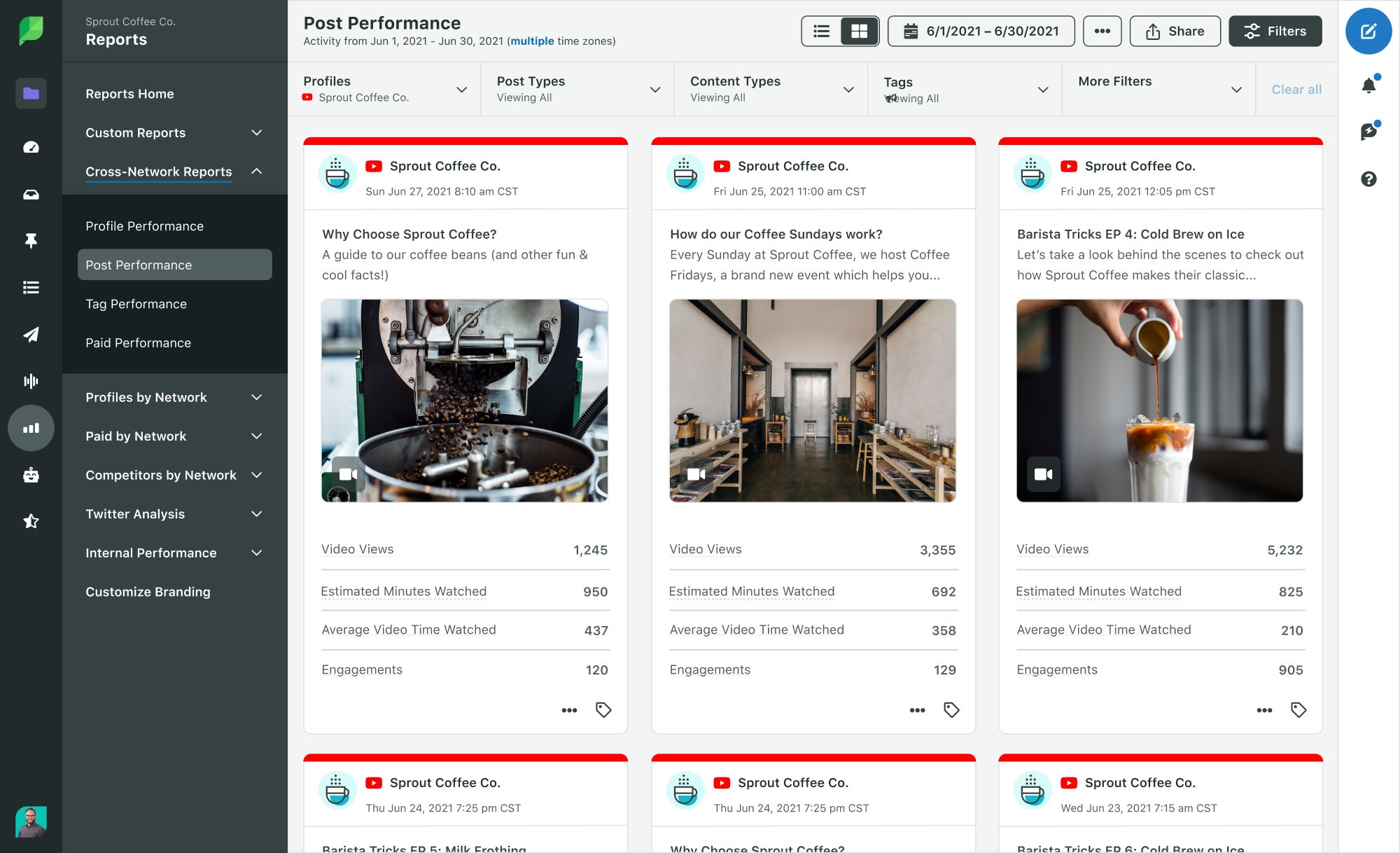
By integrating your YouTube data into a broader, unified reporting platform, you shift your focus from the "what" to the "so what." You gain the ability to tie video performance directly to ROI, streamline team collaboration, and automate the delivery of insights to leadership. In an era where video consumption continues to accelerate, the brands that win will be those that can transform raw data into a cohesive, connected story of business impact.
To begin your transition, evaluate your current reporting workflow. If you are still relying on manual exports and siloed dashboards, it is time to build a strategy that mirrors the complexity of your business. Start by connecting your YouTube channel to a platform that prioritizes integration, custom tagging, and automated, cross-network insights. The future of video marketing is not just about racking up views—it is about proving the value of every second watched.


 Ammar Sabilarrohman
 Sagoh
Sagoh
 Raul Delapena Setiawan
 Reynand Wu


 Azzam Bilal Chamdy
 Ali Ikhwan