
 Rifan Muazin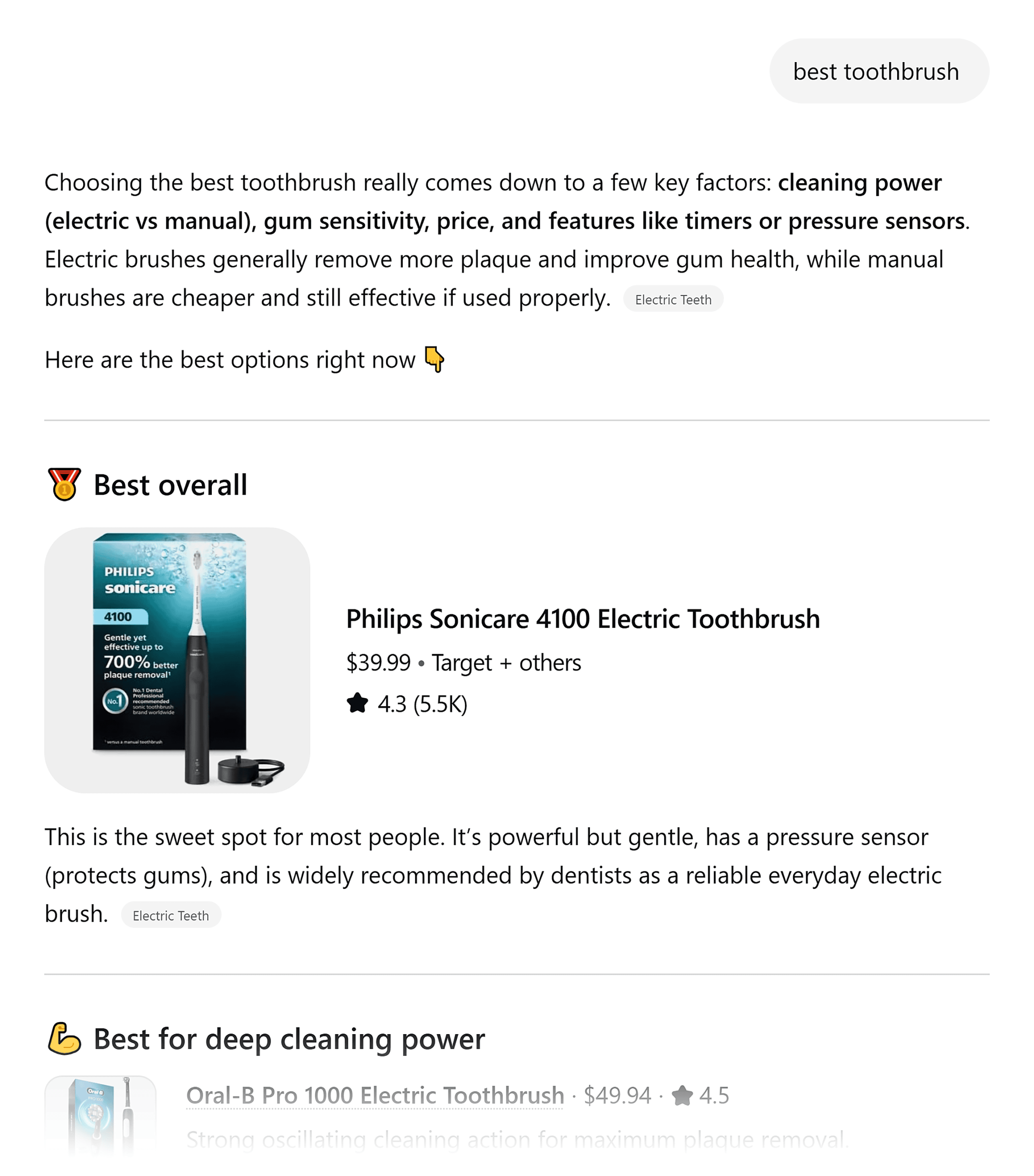
In the traditional era of search engine optimization (SEO), the goal was singular and binary: secure the number one position on Google’s Search Engine Results Page (SERP). Digital marketers obsessed over backlinks, keyword density, and technical audits to climb the mountain. However, in the age of generative AI, the mountain has shifted. You can hold the top-ranking page for a high-volume keyword and still be entirely ignored by AI-powered search engines like ChatGPT, Perplexity, or Google’s AI Overviews.

The reason for this disconnect lies in a process called query fan-out. Understanding this background mechanism is no longer optional for SEO professionals; it is the new frontier of digital visibility.
What Is Query Fan-Out?
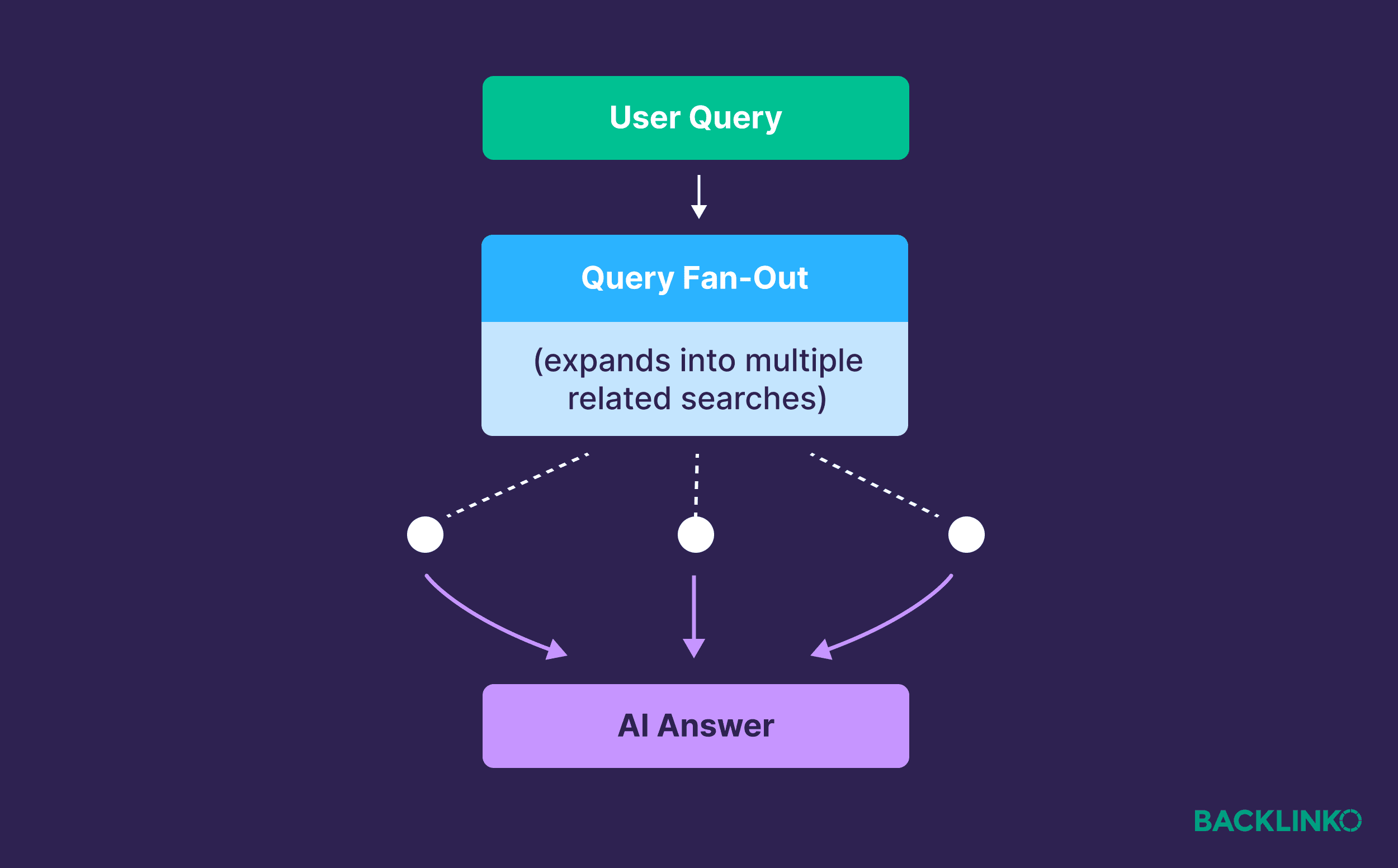
Query fan-out is the sophisticated process AI systems use to transform a single, often vague user prompt into a series of nuanced sub-queries. Rather than treating a user’s question as a literal request to be matched against a database of links, an LLM "fans out" the query to build a comprehensive, multi-dimensional response.
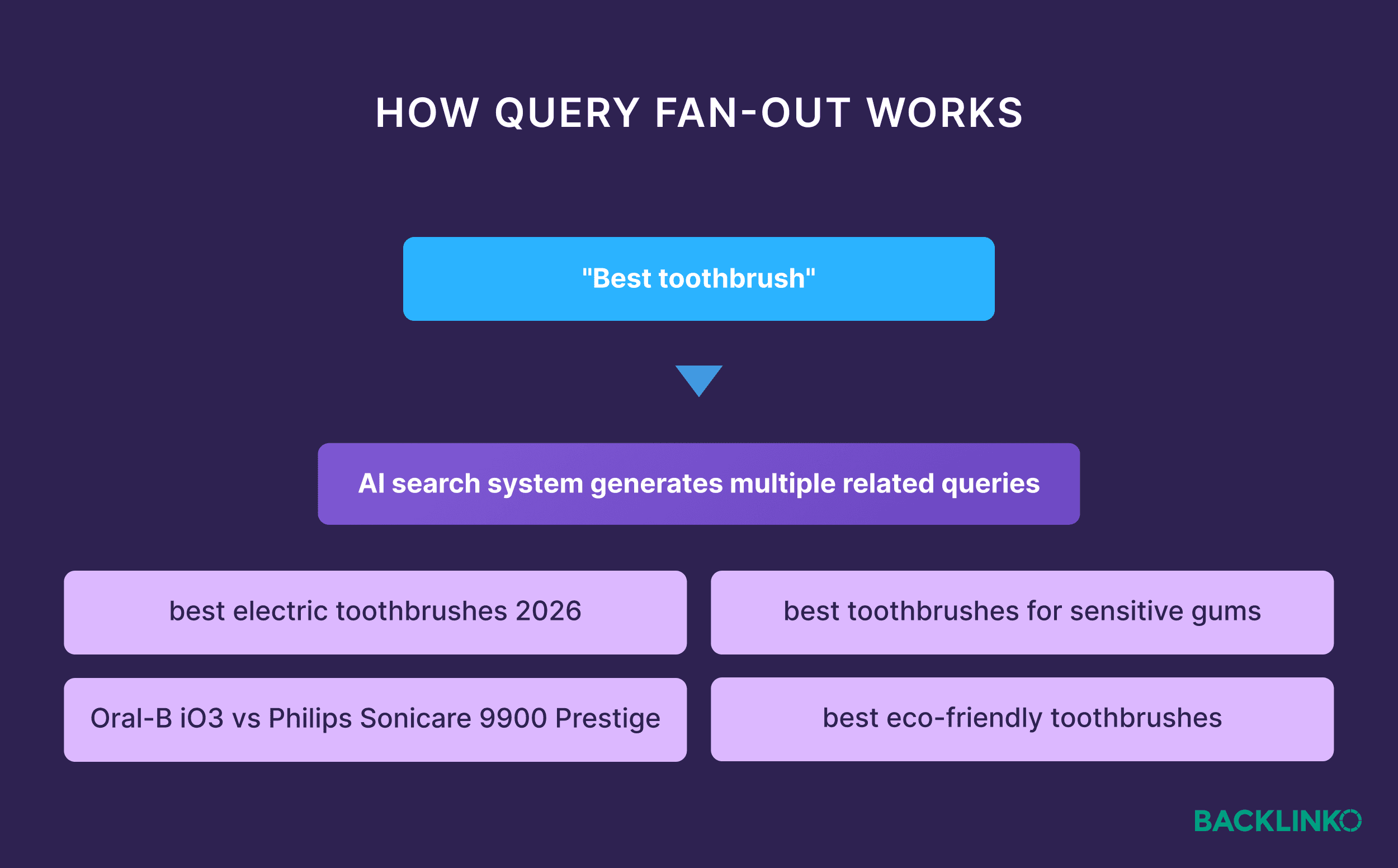
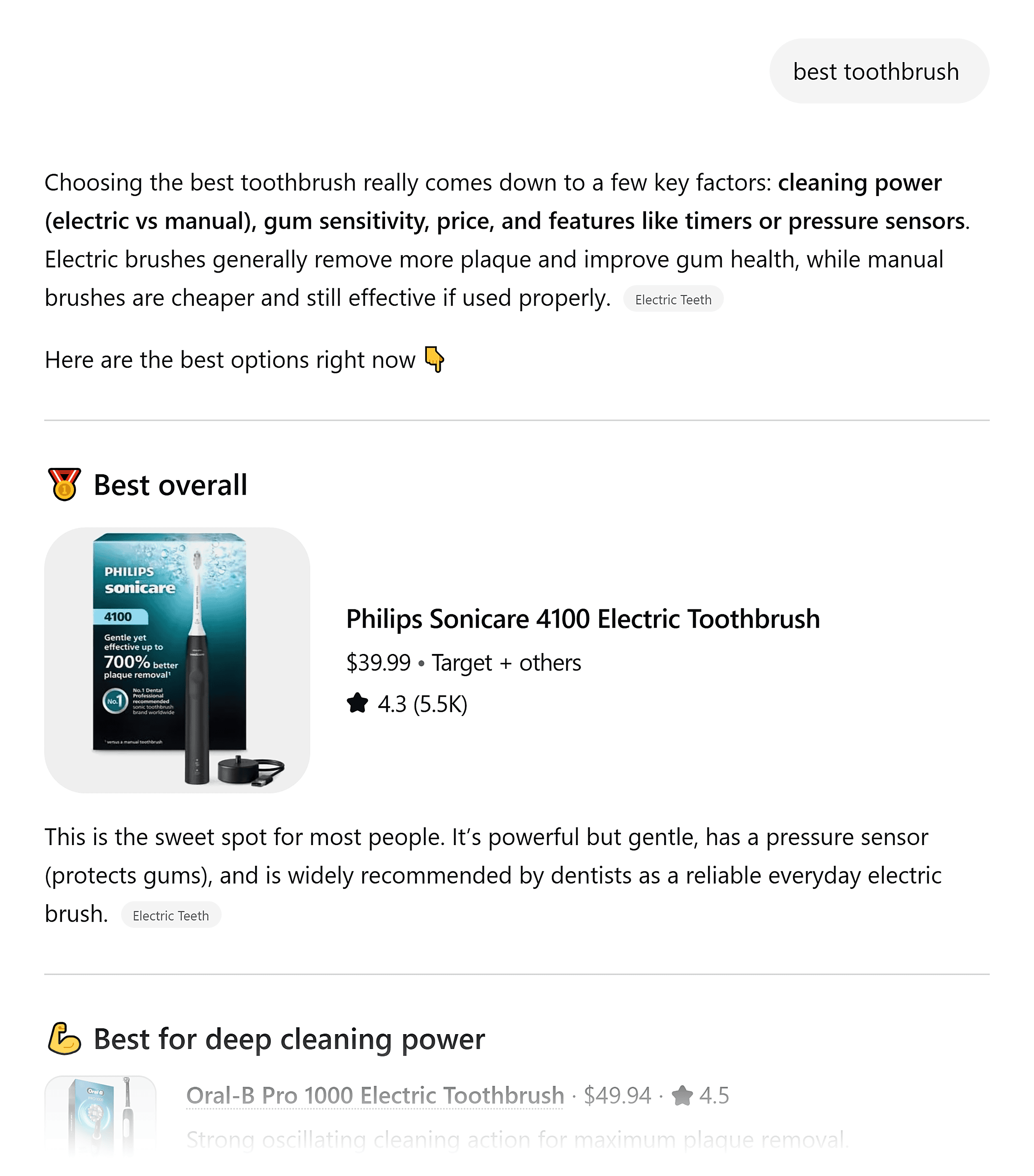
For example, if a user types "best toothbrush" into an AI search tool, the system does not simply search for the highest-ranking page for that exact phrase. Instead, it internally generates sub-queries such as:
- "Best electric toothbrushes [Current Year]"
- "Best toothbrushes for sensitive gums"
- "Oral-B vs. Philips Sonicare comparison"
- "Value picks for eco-friendly toothbrushes"
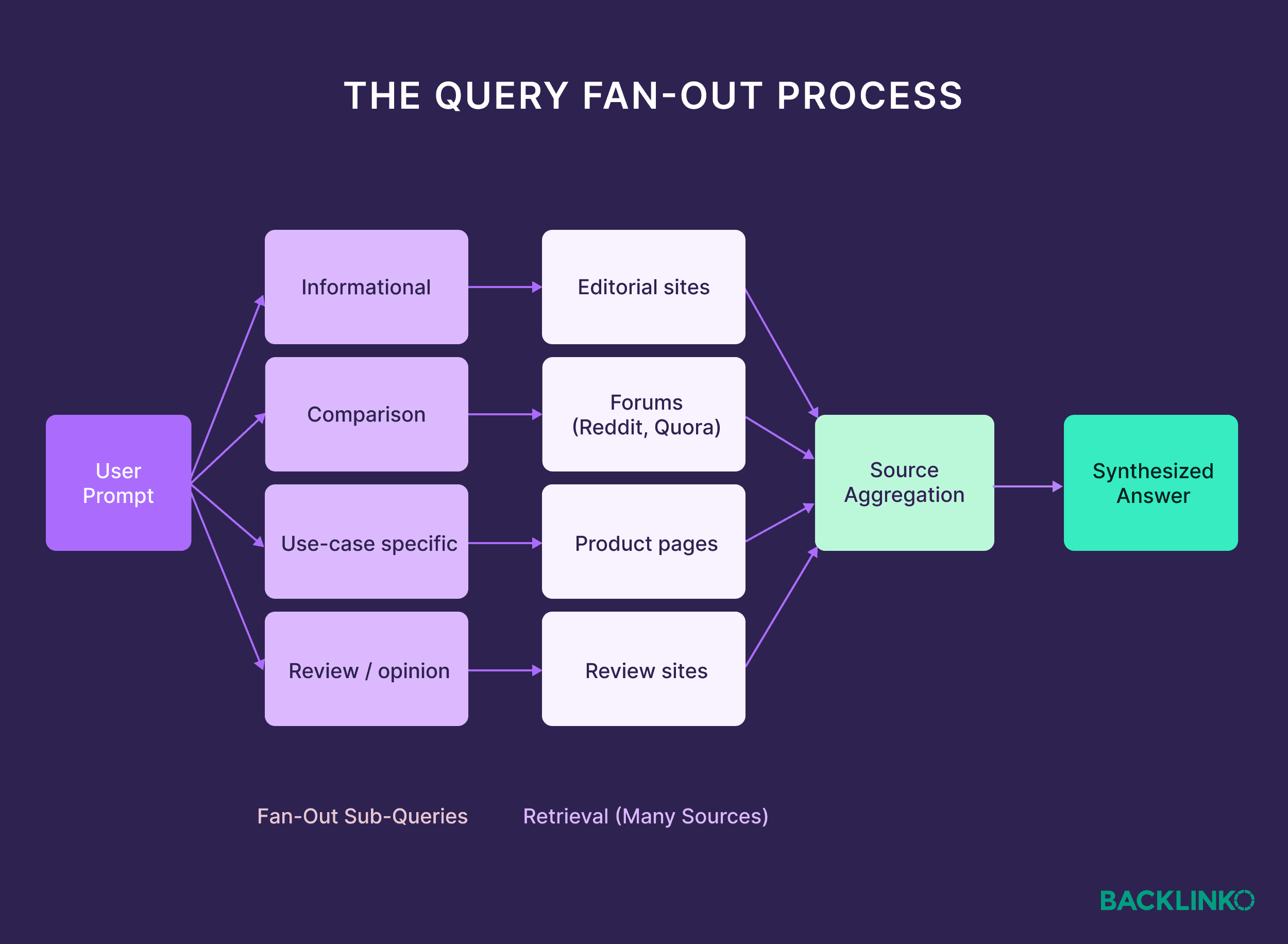
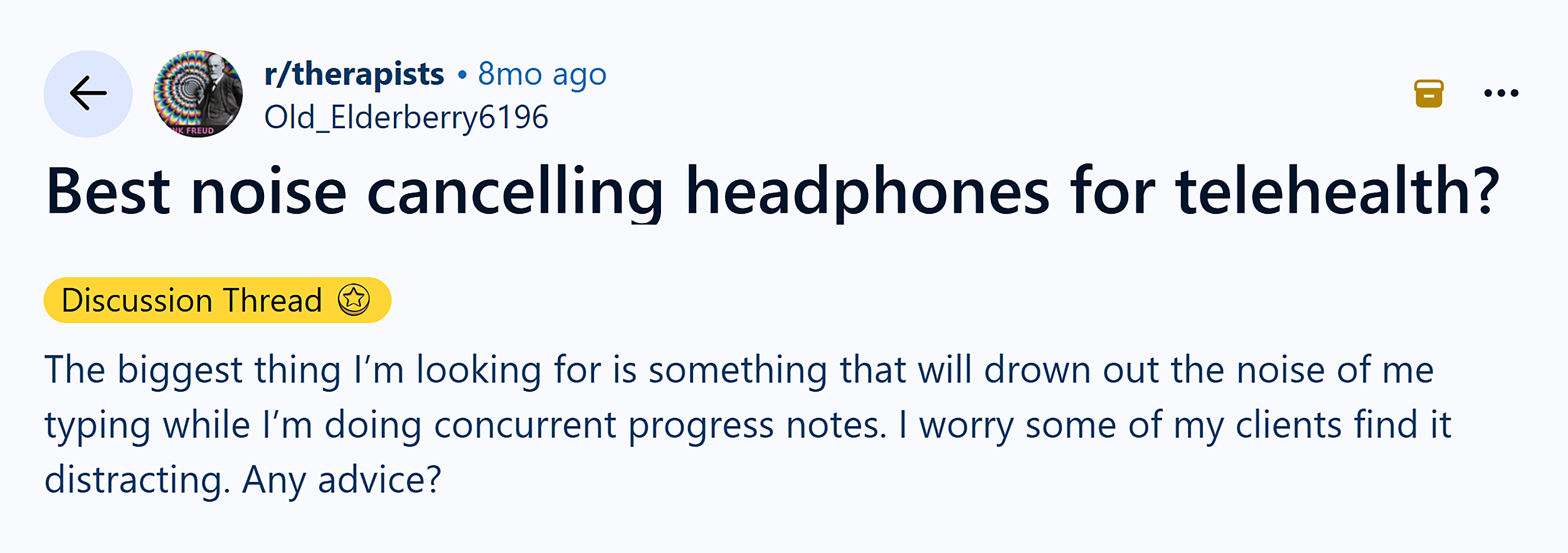
By aggregating results from editorial sites, Reddit threads, and specialized product pages for each of these sub-queries, the AI synthesizes a holistic answer that anticipates the user’s true intent. In this new ecosystem, "coverage" and "retrievability" have replaced simple ranking as the metrics that matter most.
Chronology of the Shift: From Linear to Collapsed Funnels
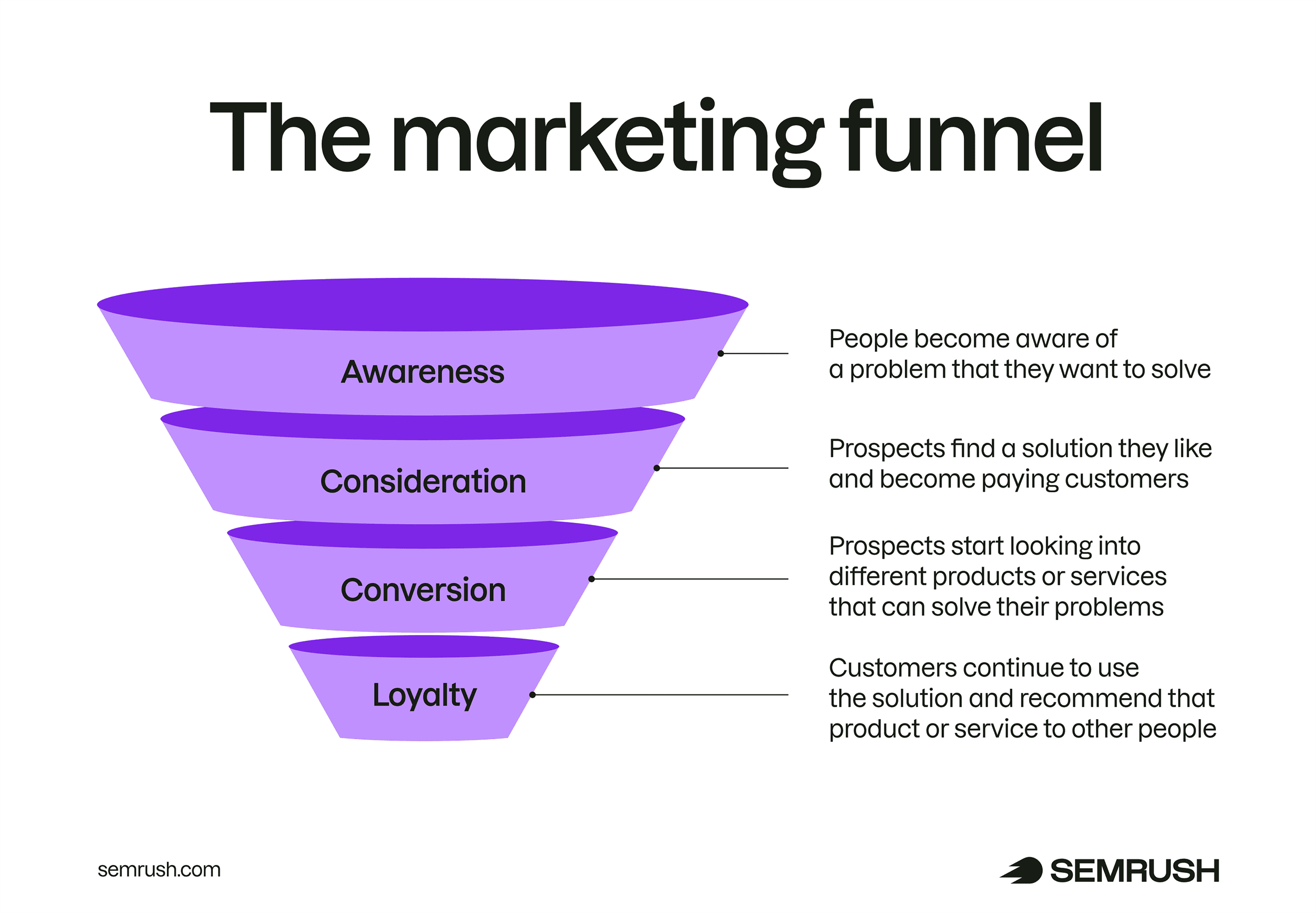
Historically, the customer journey was viewed as a linear progression: Awareness → Consideration → Decision. Marketers created distinct content for each stage of this funnel. Query fan-out has effectively collapsed this entire journey into a single interaction.
The Evolution of User Intent
- Pre-AI: A user would perform multiple searches, clicking through various websites to conduct their own research and comparisons.
- Early AI Integration: AI tools began to act as "summarizers," pulling data from top-ranked pages to answer simple questions.
- The Fan-Out Era (Today): Systems now anticipate the full spectrum of user needs. A single, high-intent prompt now forces the AI to retrieve information across the entire buying spectrum—from general education to specific product specifications—all in one response.
This means that your content strategy can no longer afford to be siloed. A page that only addresses a "decision" keyword will likely be overlooked by an AI that is looking for the "awareness" and "consideration" context to round out its answer.
Supporting Data: Why Rankings Are Losing Their Grip
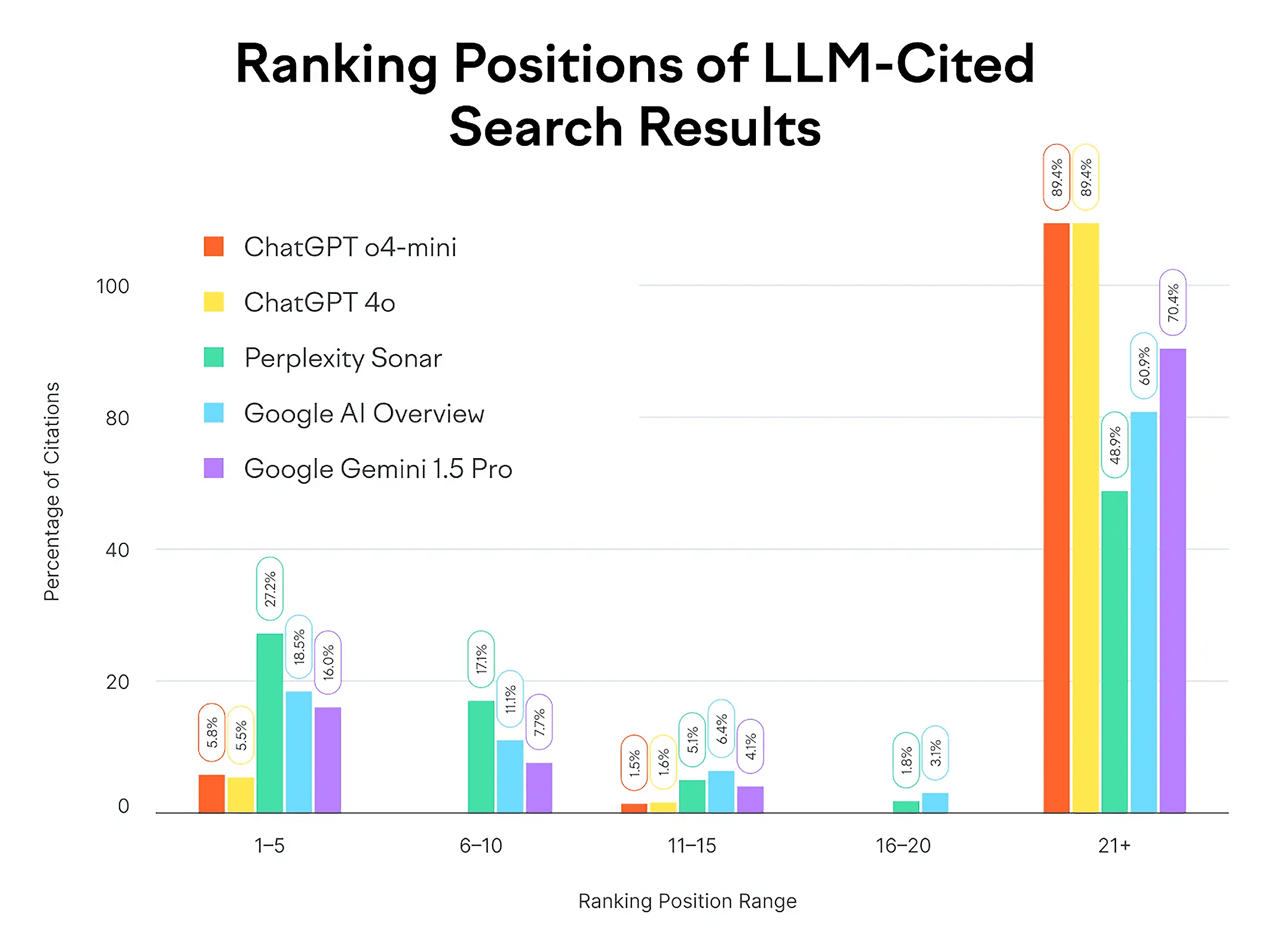
The data supporting this shift is stark. A recent Semrush study found that ChatGPT cites pages appearing in positions 21 and beyond nearly 90% of the time. This indicates that AI systems are prioritizing the quality and specificity of the answer over the traditional authority signals that keep a page in the "Top 3."
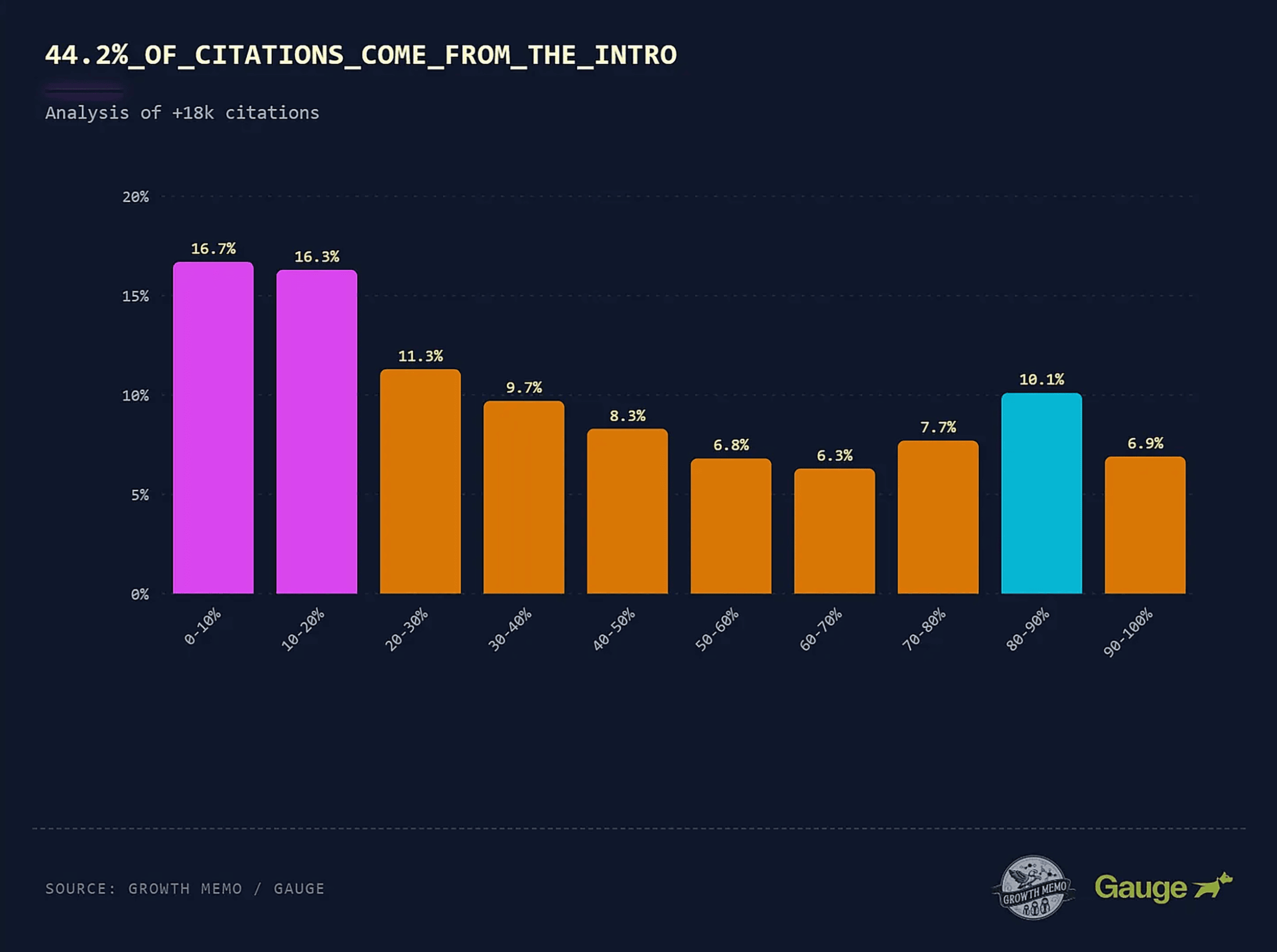
Furthermore, analysis by growth expert Kevin Indig of over 1.2 million ChatGPT responses reveals that AI attention is heavily front-loaded. Approximately 44.2% of citations are pulled from the first 30% of a page’s content. This suggests that the "inverted pyramid" style of journalism—putting the most critical information at the very top—is now a core technical requirement for AI visibility.
Implications for Your Content Strategy
To stay visible in this environment, brands must pivot from "keyword-centric" content to "topic-centric" content.
1. You Don’t Need to Rank #1
Because AI retrieves passages rather than pages, your goal is to provide the most authoritative answer to a specific sub-query. If your page provides the best answer to "Are Sonicare brushes better for sensitive gums?" you can earn a citation even if your domain authority is lower than that of the site ranking #1 for the broader "best toothbrush" term.
2. The Power of Topic Clusters
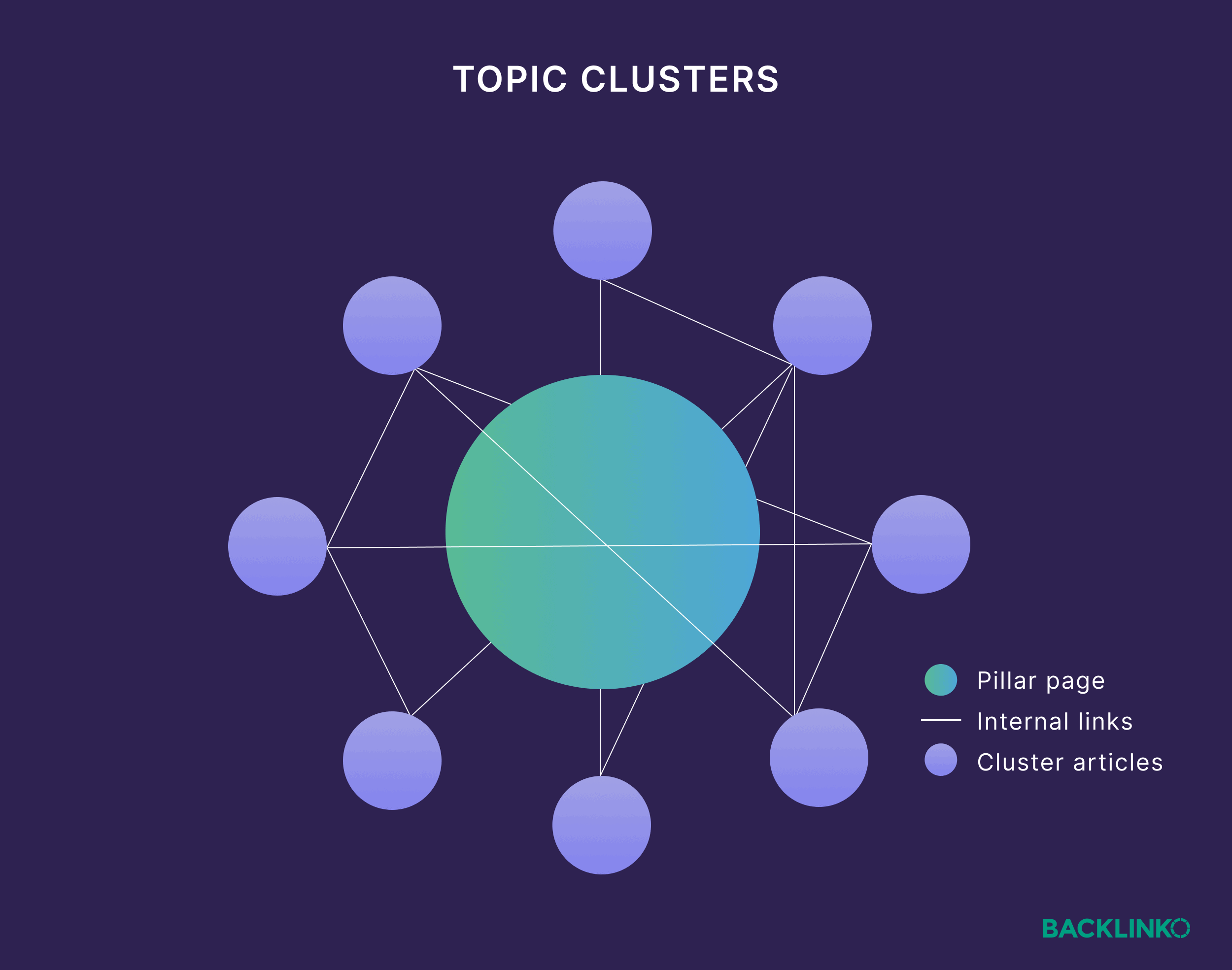
Broad, well-connected coverage is the best defense against being ignored. By building pillar pages supported by a network of specific sub-topic articles, you ensure that when an AI "fans out" your topic, it finds authoritative, relevant content for every sub-query it generates.

3. The "Self-Contained" Answer
Because AI extracts snippets, your content must be modular. Every section of your article should be able to stand alone. Avoid vague references like "as mentioned above" or "the aforementioned product," as these lose meaning when extracted by an AI. Instead, use clear, descriptive subheadings and define your entities clearly within each paragraph.
The 6-Step Workflow for AI Visibility
To capture more citations, you should implement a repeatable "fan-out" workflow:
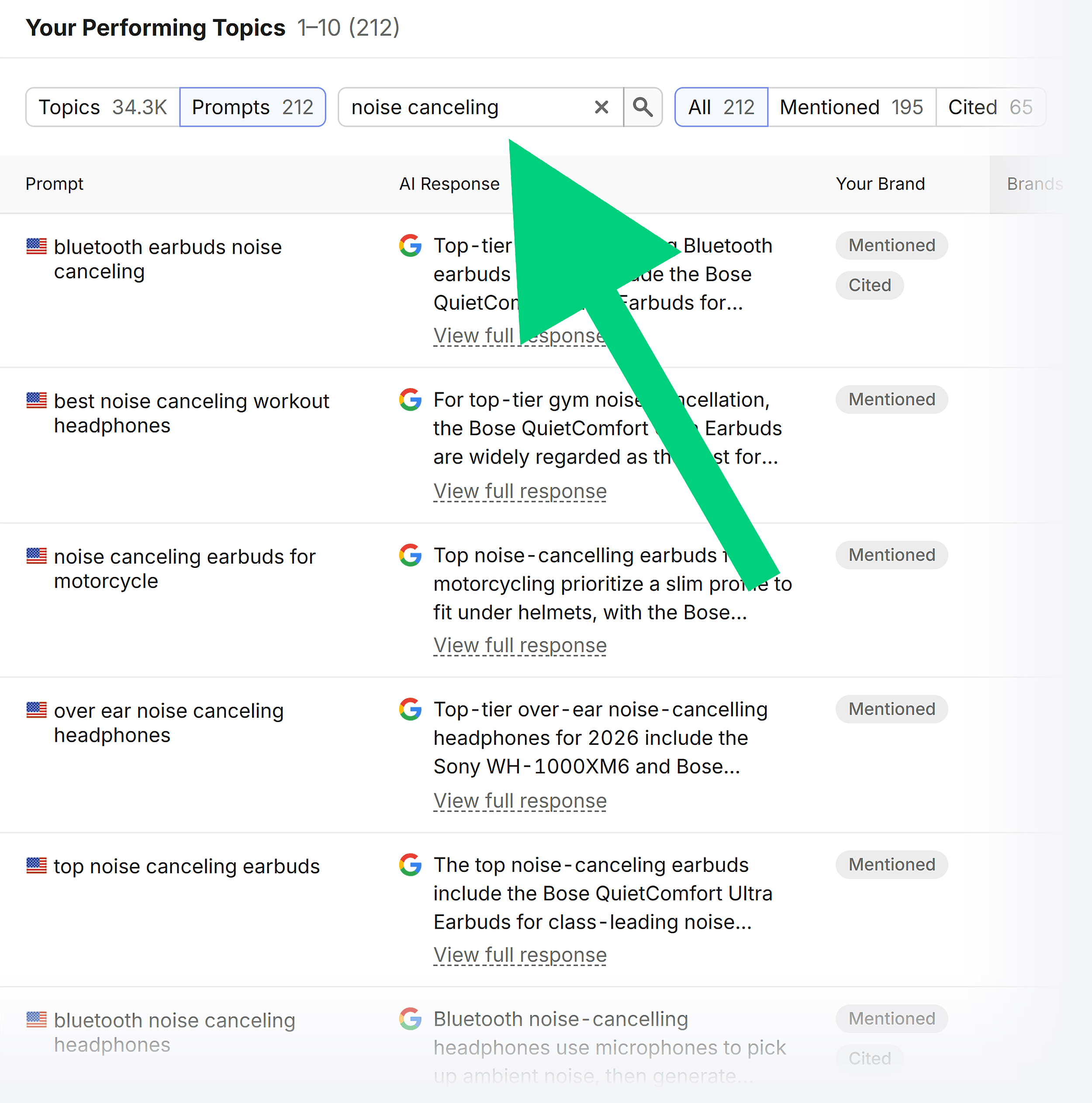
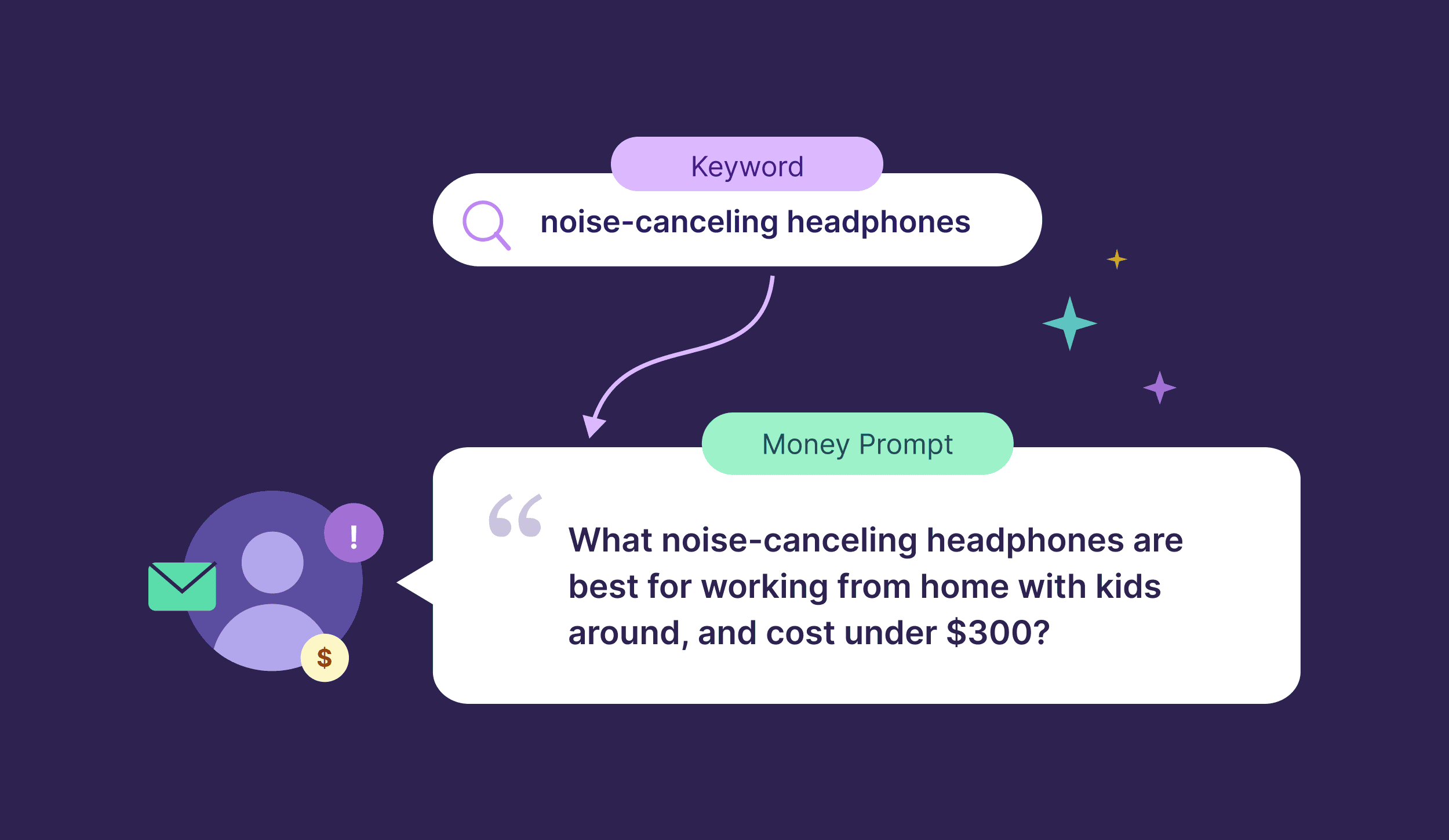
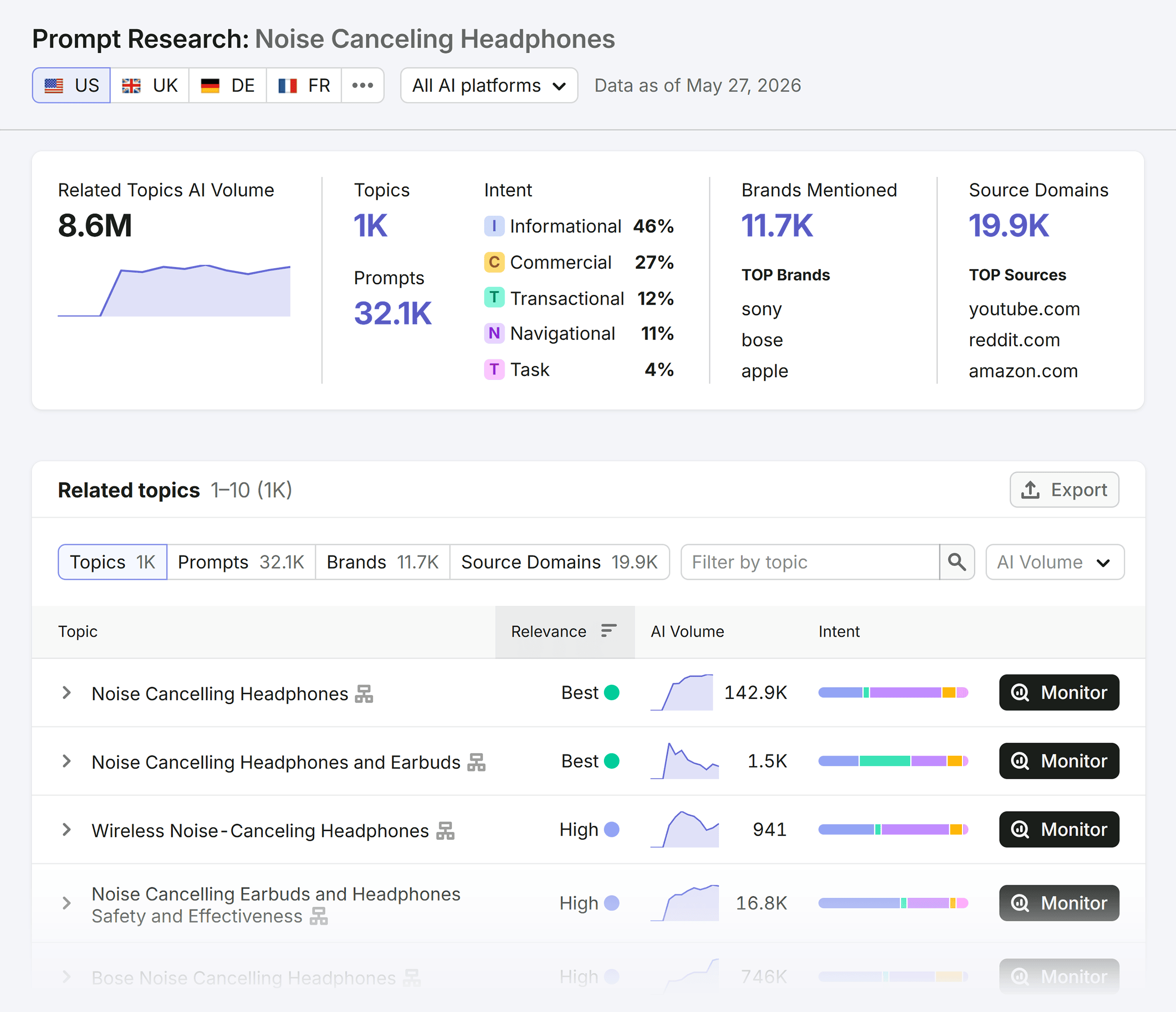
- Find Your Money Prompts: Identify the complex, conversational questions your ideal customers are asking. These are your "money prompts"—high-intent, multi-part questions that signal a user is ready to act.
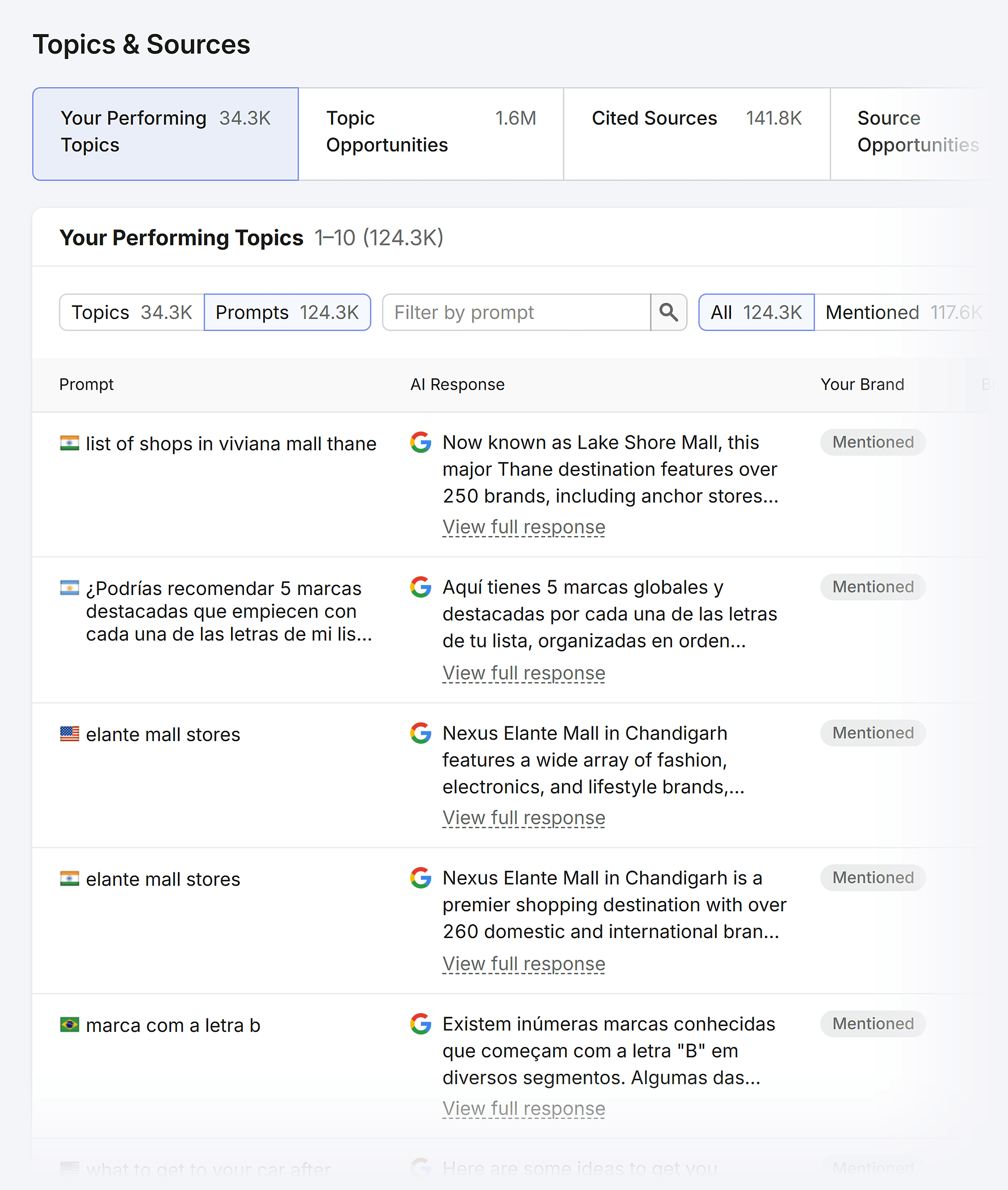
- Generate Your Fan-Out Set: Use AI tools or browser-based inspection techniques (like viewing the "network" tab in Chrome DevTools) to see exactly what sub-queries your prompt triggers.
- Bucket Sub-Queries by Intent: Categorize these sub-queries into buckets such as Definitions, Comparisons, Troubleshooting, or Social Proof.
- Audit Your Gaps: Search your own site for these sub-queries. If you have no coverage, create it. If you have partial coverage, expand the section to make it a definitive answer.
- Structure for Extraction: Use H2s, H3s, and structured data (schema) to make your content machine-readable. Front-load your claims so the AI finds the "meat" of the answer immediately.
- Measure and Refine: Use AI-specific tracking tools to monitor whether your brand is being cited in the LLM responses for your identified money prompts.
Official Responses and Industry Outlook
Industry leaders are in consensus: the era of "blue-link" dominance is fading. While Google continues to evolve its Search Generative Experience (SGE), the core philosophy of AI-driven search remains consistent across the board: Helpfulness is the new authority.
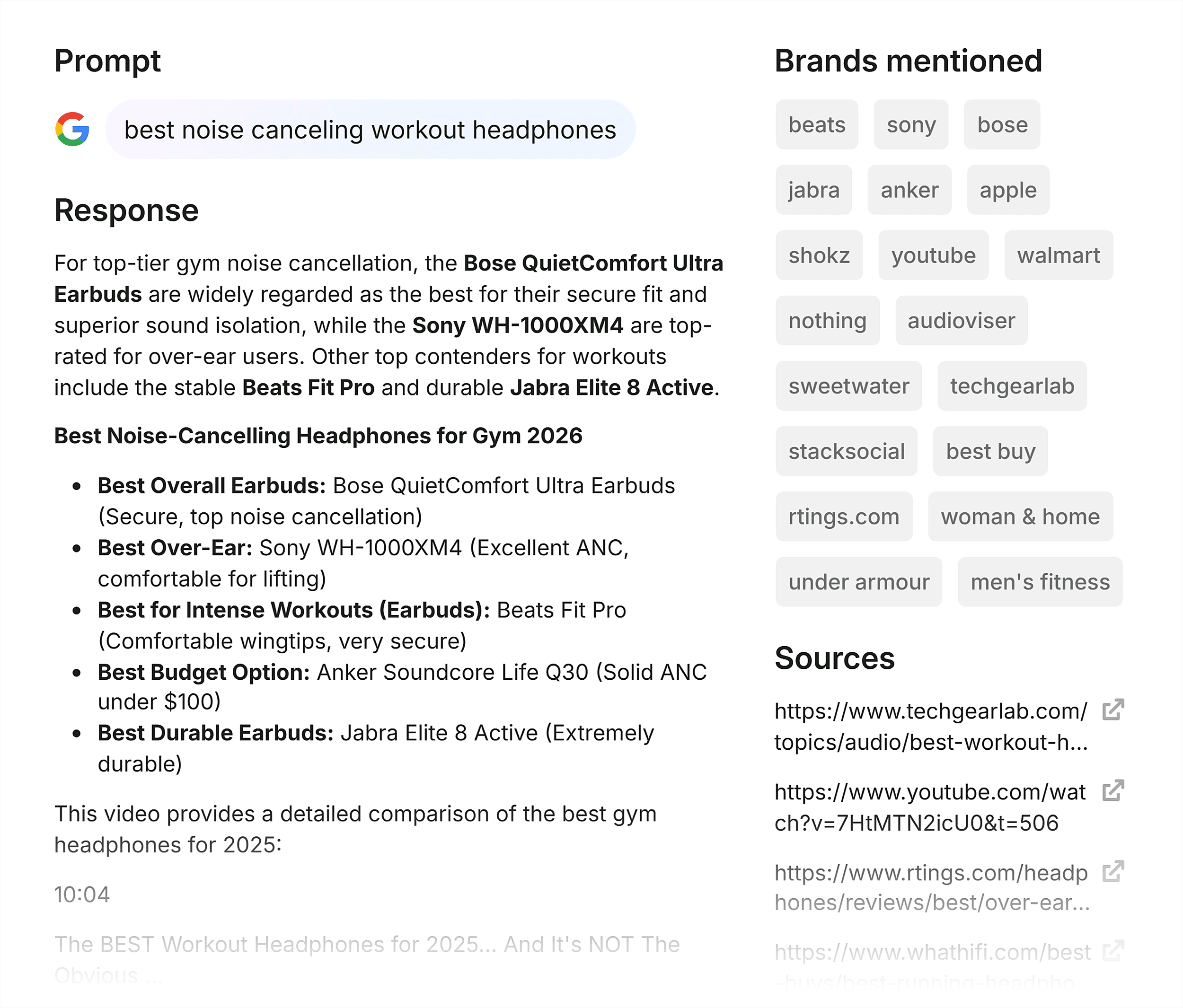
As platforms like Perplexity and OpenAI continue to refine their models, the focus is shifting toward "grounding"—ensuring AI answers are backed by verifiable, high-quality sources. For businesses, this is an opportunity. By structuring your content to be the definitive source of truth for the sub-questions that make up your industry’s primary topics, you move from being just another search result to being the source of the AI’s intelligence.
Conclusion: The Future is Conversational
Query fan-out is not a threat to be feared; it is a signal to be followed. It encourages creators to write better, more comprehensive, and more structured content. By understanding how AI systems "think" and "search" behind the scenes, you can future-proof your brand against the volatility of search algorithms. The brands that win in the next decade will be those that provide the most precise, modular, and helpful answers to the deepest questions their customers are asking.


 Ali Ikhwan
 Layla Zulfa
 Lina Irawan
 Ammar Sabilarrohman
 Nana Wu

 Suro Senen
 Jia Lissa