
 Siti Muinah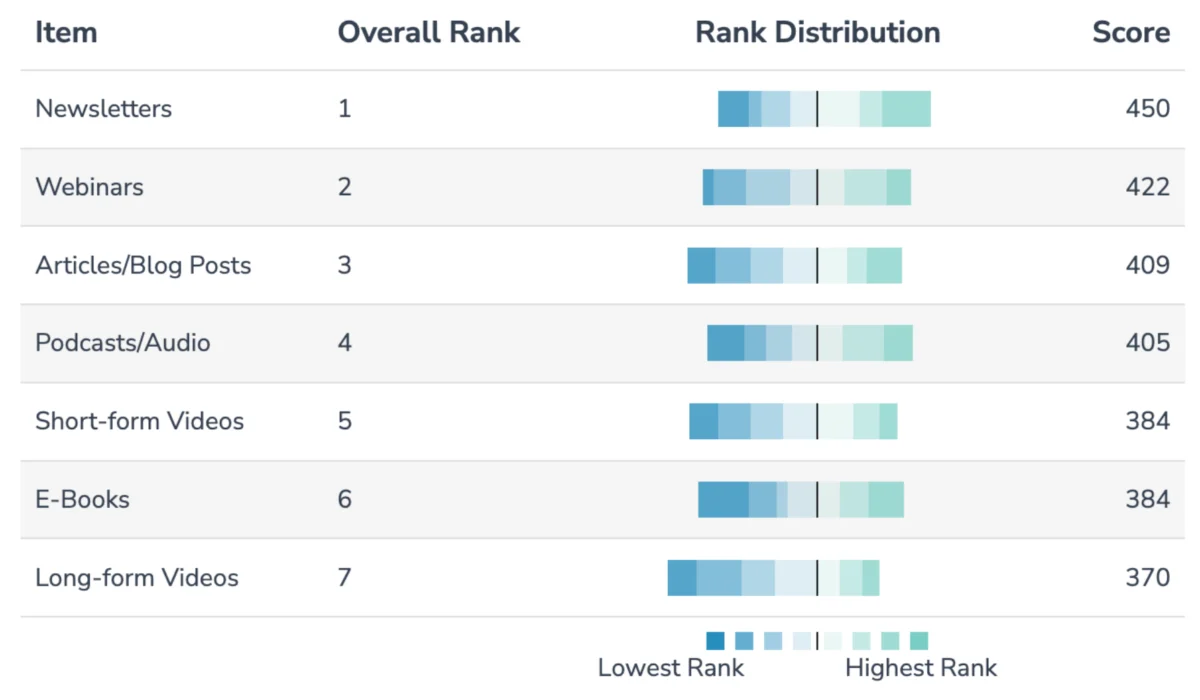
In an era defined by an unrelenting deluge of digital information, the most valuable commodity for a marketing leader is no longer access to content—it is the capacity for discernment. Every day, the average executive is bombarded by a cacophony of white papers, algorithmic social media feeds, "must-read" industry reports, and an endless stream of podcast episodes.
The paradox is clear: while marketers have more access to data than ever before, they have less time to process it. Consequently, the traditional approach to content marketing—which favors volume and mass distribution—is rapidly losing its efficacy. In response to this shifting landscape, industry leader Convince & Convert (C&C) has announced a significant pivot, rebranding its flagship newsletter from "ON" to "The Trendline." This move signals a broader industry trend: the transition from content-heavy broadcasting to high-value, curated intelligence.
The Core Problem: The Filter Deficit
The fundamental challenge facing marketing leadership today is not a lack of resources, but a lack of filters. When every platform claims to offer the "ultimate" insight, the sheer volume of information becomes a form of noise that obscures actionable strategy.
For years, many brands relied on newsletters that functioned primarily as a list of links—a "digest" of recent blog posts or podcast episodes. While this format served its purpose in the early days of digital marketing, it no longer satisfies the modern professional’s requirement for immediate utility. Today’s marketing leaders do not want more content to consume; they want "smart summaries" that interpret what industry shifts actually mean for their bottom line.
Chronology of a Transformation
The decision to overhaul the Convince & Convert newsletter did not happen in a vacuum. It was the result of a multi-year observation of audience behavior and a commitment to data-driven strategy.
- The Baseline (2018–2023): For years, the ON newsletter served as a reliable distribution channel for C&C’s diverse ecosystem of content, including podcasts, research studies, and blog articles. It followed the industry-standard "listicle" format, which successfully drove traffic back to the brand’s website.
- The Recognition of Friction (Early 2024): Internal reviews revealed a mounting disconnect between the quantity of content produced and the engagement levels of the audience. It became apparent that forcing readers to click through multiple links to find the "value" was creating unnecessary friction.
- The Audience Audit (Mid-2024): C&C conducted an annual survey of its readership. The findings were stark: newsletters were ranked as the preferred medium for learning about marketing trends—surpassing short-form video, webinars, and podcasts.
- The Strategic Pivot (Late 2024 – Early 2025): The team began designing a "debrief-style" format. The objective was clear: provide the core insight directly within the email interface so that the reader gains value regardless of whether they choose to click through to an external page.
- The Launch (March 2025): The official transition to The Trendline occurred, marking a shift toward an editorialized, high-value, and concise format.
Supporting Data: Why Newsletters Prevail
The data gathered by Convince & Convert provides a compelling case for the enduring power of email. When surveyed, marketing leaders were asked to rank their preferred content formats for professional development.
The results showed that newsletters were almost twice as likely to be ranked as the number-one source for industry insights compared to any other medium. This data suggests that while social media platforms offer breadth, email offers depth and, crucially, a sense of intimacy.

The "filter" provided by a well-curated newsletter serves as a proxy for trust. When a brand takes the time to synthesize complex trends into a concise format, they aren’t just sending an email; they are providing a service that saves their audience time. In a professional environment where time is a scarce resource, this is the ultimate competitive advantage.
Implications for Content Strategy
The shift from ON to The Trendline serves as a case study for any brand looking to refine its content marketing strategy. The primary implication is that "content for content’s sake" is a failed model. If your brand’s newsletter is merely a vehicle for driving traffic, you are likely failing to build the deep, intellectual trust required to sustain long-term engagement.
1. The Death of the "Link Dump"
Traditional newsletters often fail because they treat the reader as a visitor to a portal rather than a subscriber to a publication. By forcing readers to leave the inbox to find value, brands create a "click-barrier." The modern strategy, as evidenced by The Trendline, involves providing the "Why" and the "So What" upfront, ensuring the reader feels smarter the moment they finish reading the email.
2. The Rise of the "Strategic Debrief"
Marketing leaders are not looking for news—they are looking for interpretation. The Trendline is structured as a debriefing document. It takes a piece of industry news, applies the C&C strategic lens, and poses the relevant questions a CMO should be asking their team. This transforms the newsletter from a generic update into a strategic tool.
3. Owning the Engagement Metric
In an era where third-party algorithms (like LinkedIn or X) dictate who sees your content, the email list remains one of the few "owned" assets a brand possesses. By incorporating interactive elements—such as "Sound Off" polls—brands can move beyond vanity metrics like open rates and click-through rates. These interactive components provide qualitative data on audience sentiment and interests, allowing for a more responsive and agile editorial strategy.
Official Perspective: A Focus on Utility
The leadership at Convince & Convert emphasizes that this change was not a "lateral move," but a necessary evolution in response to the maturity of the digital content landscape.
"Marketing leaders don’t need more content in their inboxes. None of us do, really," the team noted in their official release. "We want to be entertained, inspired, and feel smarter. Our theory is that marketers need less content, and the content they do consume needs to help them make smarter decisions in an industry built on rapid change."

This sentiment is echoed by industry consultants who argue that the "quality bar" for branded content has been raised significantly. In the past, companies could get away with mediocre, frequent updates. Today, audience attention is so fractured that only high-value, high-intent content can penetrate the noise.
Lessons for the Modern CMO
For those managing brand communications, the evolution of The Trendline offers three critical takeaways for the coming year:
First: Audit your audience’s consumption habits. Do not assume that your audience wants to consume content in the same way they did three years ago. Conduct surveys, look at heatmaps, and—most importantly—listen to the qualitative feedback from your most senior readers.
Second: Prioritize value over vanity. If you are measuring your newsletter success solely by total clicks to your website, you are missing the point. If your subscribers feel they are getting smarter by reading your email before they click a link, you have achieved the holy grail of engagement: brand authority.
Third: Design for the platform. The inbox is a personal, intimate space. Your newsletter should feel like a conversation with a trusted advisor, not a sales brochure or a corporate press release. Use a consistent editorial voice, implement clear hierarchies for information, and ensure that every section has a purpose.
Conclusion: The Path Forward
The rebranding of the Convince & Convert newsletter to The Trendline is more than a simple aesthetic update; it is a declaration of intent. It acknowledges that the era of "content bloat" is coming to an end, replaced by an era of "content precision."
As brands continue to navigate a complex and rapidly changing marketing environment, those who prioritize curation and strategic insight will be the ones who command the most precious resource of all: the attention of the decision-makers who matter most. By shifting the focus from quantity to quality, The Trendline demonstrates that the best way to earn trust is to stop asking for your audience’s time, and start earning it with every sentence.


 Ammar Sabilarrohman
 Sagoh
Sagoh
 Raul Delapena Setiawan
 Reynand Wu


 Azzam Bilal Chamdy
 Ali Ikhwan