
 Muslim
In the digital retail landscape, the inbox has become a battlefield. During peak periods like Black Friday, Cyber Monday, or the Valentine’s Day rush, the average consumer is bombarded with hundreds of identical messages: "50% OFF EVERYTHING," "LAST CHANCE," and "DON’T MISS OUT." For the recipient, the response is almost reflexive: a rapid-fire sequence of swipes and clicks labeled "delete."
For founders and marketing teams, this environment presents a paradox. Seasonal events are undeniably the most lucrative windows for revenue, yet the standard "sales-first" approach often results in diminished brand equity, increased unsubscribe rates, and a race to the bottom on pricing. The solution, however, does not lie in silence. It lies in a fundamental shift from transactional blasting to relational engagement. To succeed, brands must move away from the "salesy" archetype and toward a strategy that prioritizes value, context, and anticipation.
The Strategic Framework: Why Timing is Everything
If your marketing calendar is reactive—meaning you are drafting Valentine’s Day copy on February 13th—you have already conceded the market to your competitors. A sophisticated seasonal strategy is built on a foundation of long-term planning.
The Chronology of a Successful Campaign
The most effective campaigns follow a three-phase timeline:
- The Anticipation Phase (4–6 weeks out): This period is for priming your audience. Instead of discounts, focus on "give-value" content. Share behind-the-scenes glimpses, solve seasonal pain points, or offer educational content that naturally aligns with the upcoming event.
- The Launch Phase (1–2 weeks out): Here, you introduce the offer. By this point, your subscribers are already warmed up. The transition from helpful content to a promotional offer feels like a natural progression rather than an interruption.
- The Sustenance Phase (Post-Event): The biggest mistake brands make is going dark after the sale. Use this time to share customer success stories, gather feedback, or offer post-purchase support. This cements the relationship for the next season.
Supporting Data: Why Storytelling Wins Over Statistics
The reliance on discount-heavy messaging is not just aesthetically tiresome; it is statistically inefficient. Research consistently indicates that human cognition is wired for narrative, not arithmetic.
According to various marketing studies, consumers retain approximately 63% of information when it is presented in the form of a story, whereas retention for standalone statistics—such as a percentage-off discount—drops to a mere 5%.
The Psychology of the "Give-and-Take" Approach
A robust content calendar should adhere to a strict ratio: for every one email that asks for a sale, you must send at least two that provide utility. This utility can take the form of:
- Educational Content: How-to guides or tutorials that help the customer use your product better.
- Entertainment: Behind-the-scenes footage, company milestones, or curated content that aligns with the brand’s lifestyle.
- Inspiration: Customer testimonials or thought-leadership pieces that position your brand as an expert in the field.
By consistently "giving" to your audience, you build a psychological reservoir of goodwill. When the time comes to "take" (i.e., ask for a purchase), your subscribers are far more likely to reciprocate because the brand has established itself as a source of value rather than a source of noise.
Segmentation: Moving Beyond the "Valued Customer" Facade
The "one-size-fits-all" email blast is a relic of the early internet. Today, consumers demand hyper-personalization. Sending a "Merry Christmas" discount code to a first-time browser is as ineffective as sending a wedding gift invitation to a stranger.
Implementing Dynamic Segmentation
To increase conversion rates, brands must segment their lists based on specific behavioral data:
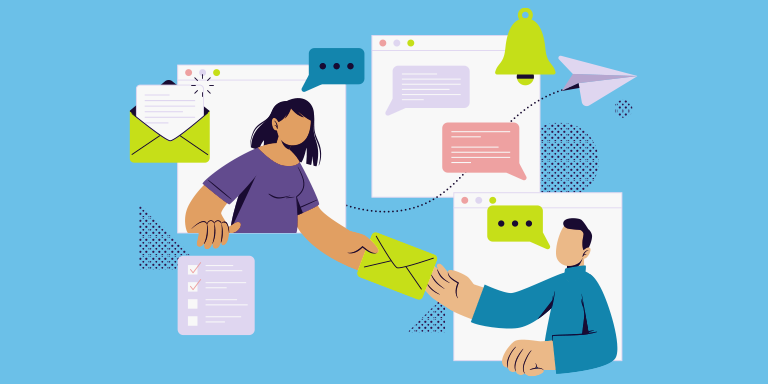
- The New Subscriber: These users require an introduction to your brand’s "why." They are looking for mission, quality, and brand identity.
- The Loyal Repeat Customer: These users do not need a hard sell. They respond better to exclusivity—early access to sales, loyalty-based rewards, or "VIP" status updates.
- The Window Shopper: These individuals have shown interest but haven’t converted. A personalized, high-value reminder—or a specific solution to a problem they were browsing for—can often be the final nudge.
Modern tools like Omnisend have democratized this process, allowing solo founders to implement sophisticated filters that automatically trigger specific flows based on purchase history or browsing behavior. This shifts the tone from a generic broadcast to a targeted, meaningful conversation.
Creating Urgency Without Desperation
Urgency is a powerful psychological trigger, but there is a fine line between creating excitement and inducing anxiety. "LAST CHANCE" subject lines in all-caps have become a hallmark of desperation.
Instead, successful brands leverage exclusivity and anticipation.
Consider the strategy used by high-growth startups like Luu Lounge. By building a "waitlist" or a "countdown" atmosphere, the brand generates excitement before the sale even begins. The urgency is derived from the limited availability of a product or the exclusive nature of the offer, rather than the pressure of an expiring countdown timer. When customers feel they are part of an "in-crowd" that gets first dibs, the urgency feels like a privilege rather than a threat.
The Role of Automation in Scaling
For the modern founder, the bottleneck is rarely strategy—it is time. Scaling an email marketing strategy without burning out requires the strategic application of automation.
Implications of Automated Workflows
Automated flows serve as the "always-on" engine of your business. By setting up triggers—such as abandoned cart sequences, welcome series, or replenishment reminders—you ensure that your brand is communicating with customers at the exact moment they are most receptive, regardless of the time of day.
This does not mean your communication should be robotic. Quite the opposite: by automating the logistical "heavy lifting," you free up your creative bandwidth to focus on the storytelling, the personal touch, and the brand identity that makes your business unique.
Conclusion: Turning Transactions into Relationships
Seasonal email marketing is not a numbers game; it is a human-centric endeavor. The founders who see the highest return on investment are those who view their subscribers as community members rather than transaction sources.
By planning early, leading with stories, segmenting for relevance, and leveraging automation to maintain a steady cadence of value, you can transform your inbox from a warzone into a destination.
For those looking to refine their approach, the goal should always be to ensure that when a customer sees your brand’s name in their inbox, they feel an impulse to click out of genuine interest, not because they are being shouted at. In the current marketplace, that distinction is not just a marketing best practice—it is the ultimate competitive advantage.

 Layla Zulfa
 Lina Hope
 Raul Delapena Setiawan
 Dwi Wanna

 Nana Wu

 Rifan Muazin