
 Reynand Wu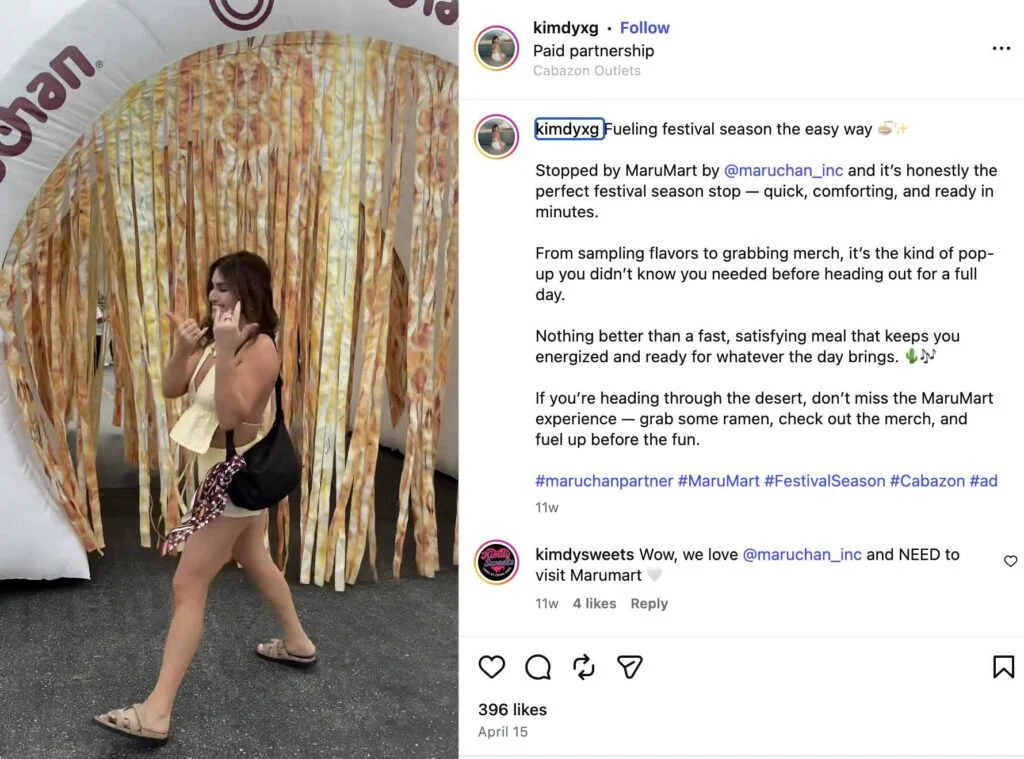
The traditional playbook for influencer marketing—a strategy once defined by simple arithmetic—has officially reached its expiration date. For years, the formula was elementary: identify an account with a massive follower count, allocate a portion of the marketing budget, secure a script, and await the surge in vanity metrics. However, as social media algorithms evolve to prioritize hyper-personalized content over broad-spectrum visibility, this "bigger is better" model is failing to deliver the results brands demand.
In the current landscape, audience attention has decoupled from an account’s reach. A massive follower count is no longer a reliable predictor of campaign efficacy. As brands look toward the latter half of 2026, the industry is undergoing a fundamental shift: moving away from the superficiality of follower counts and toward the substance of topical alignment and community trust.
The Death of the Vanity Metric: Main Facts
According to the Q2 2026 Pulse Survey, the modern consumer is far more discerning than their predecessors. Only 17% of social media users now consider an influencer’s follower count when deciding whether to hit the "follow" button. Instead, 47% of users prioritize the specific subjects an influencer discusses, while 29% base their decision on the quality of recent posts and the brands that creator chooses to endorse.
This data suggests that social media users have become "content-first" consumers. They treat their feeds as curated libraries of interests rather than passive streams of celebrity news. For marketers, this means the "mainstream vs. niche" divide is no longer just about budget allocation—it is about understanding the psychological contract between a creator and their audience.
A Chronology of the Creator Economy Shift
To understand how we arrived at this pivotal moment, we must look at the evolution of the creator economy:
- 2015–2019: The "Wild West" of Reach. The era of the "mega-influencer" reigned supreme. Brands chased high-profile accounts, believing that reach equated to conversion. Algorithms were chronological, rewarding accounts with large, static follower bases.
- 2020–2023: The Rise of the Algorithm. Platforms shifted toward interest-based feed curation. Even accounts with millions of followers began to see declining engagement rates as algorithms favored high-relevance, short-form video over simple brand broadcast messages.
- 2024–2025: The Trust Deficit. Consumers began to grow weary of "pay-to-play" advertisements from celebrities. Skepticism toward mega-influencers grew as their product endorsements felt increasingly disconnected from reality.
- 2026: The Maturity Phase. We have arrived at a point where brands are abandoning the "reach at all costs" mentality. The focus has shifted toward high-intent, community-driven engagement, where niche creators—often with audiences under 50,000—are outperforming global celebrities in terms of conversion and brand sentiment.
Supporting Data: Why Niche is the New Gold
The Q2 2026 Pulse Survey provides a compelling argument for the pivot toward niche creators. When asked about their primary reasons for following high-profile mega-influencers, 59% of respondents cited entertainment and escapism. For Gen Z (64%) and Millennials (61%), these accounts serve as digital versions of broadcast television—a passive experience, not a shopping destination.
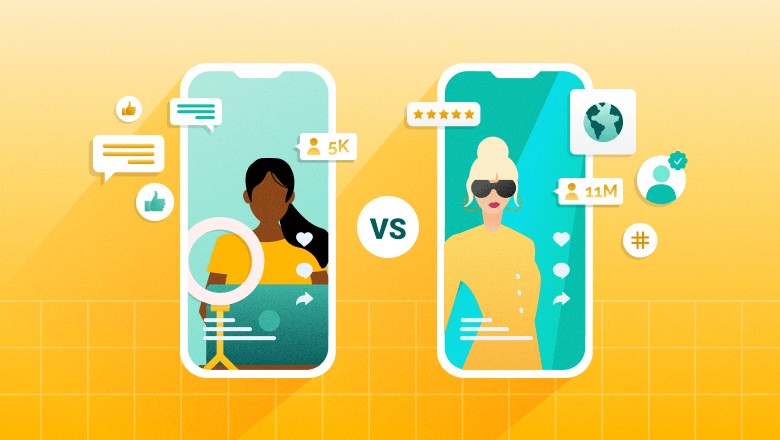
Conversely, niche influencers—often referred to as micro or nano-influencers—are viewed as trusted authorities. The survey highlights three key pillars of the niche advantage:
- Educational Value: 38% of users follow niche creators to learn specific skills or hobbies.
- Product Discovery: 36% turn to these creators for reliable, non-corporate reviews.
- Community Belonging: 31% cite a genuine sense of connection to a subculture.
Perhaps most tellingly, when presented with a choice between a recommendation from a large creator versus a niche expert, 21% of consumers explicitly preferred the niche creator, compared to just 15% for the mainstream giant. Among Gen Z, that preference gap widens significantly (29% vs. 18%), signaling a generational shift that favors credibility over fame.
Case Studies: The Divergent Strategies
The effectiveness of these two categories depends entirely on the brand’s objective.
The Mainstream Approach: Airbnb and Fabrizio Romano
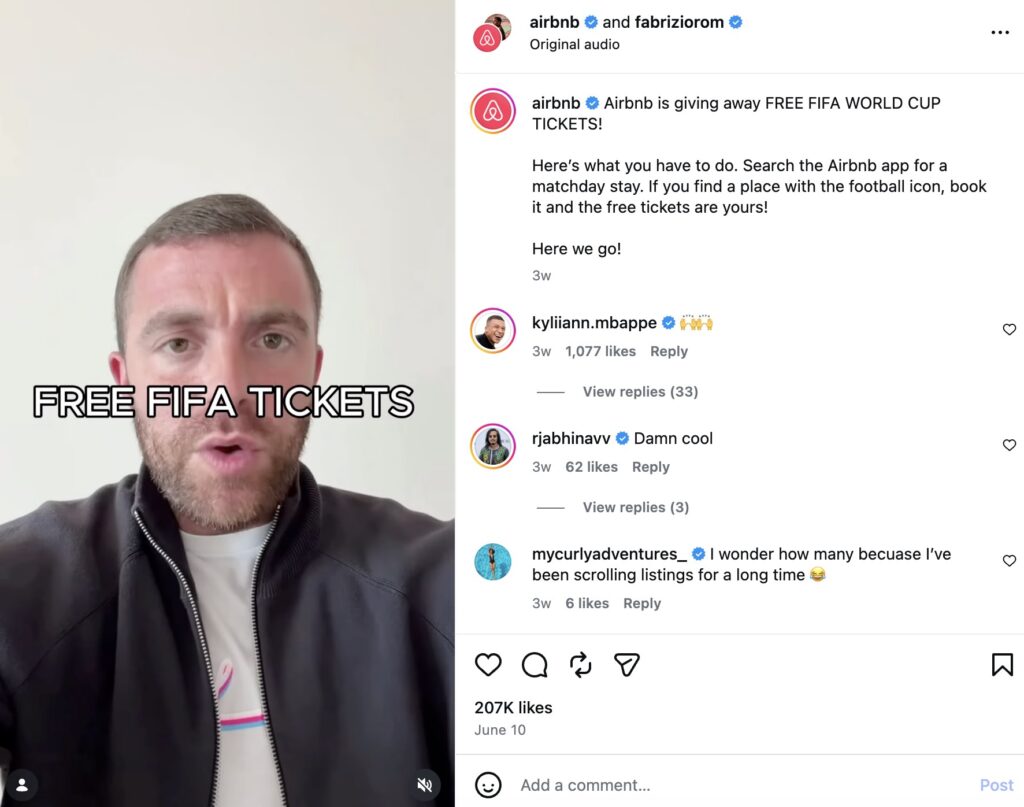
In 2026, Airbnb demonstrated how to utilize a mega-influencer effectively. By partnering with Fabrizio Romano—a titan in the sports media world—to announce a massive giveaway for World Cup tickets, Airbnb tapped into an existing global event. Because the audience was already unified by their passion for the World Cup, the partnership felt like a natural extension of the event rather than an intrusive ad. The result was over 200,000 engagements, proving that mainstream influencers still hold immense power when they act as "event catalysts" rather than "product peddlers."
The Niche Approach: Kim Garcia and Maruchan
Contrast the Airbnb example with creator Kim Garcia’s partnership with Maruchan ramen. Garcia, a lifestyle creator with a modest, highly engaged audience, integrated the product into her Coachella travel journey. Because she had established a pattern of sharing her travel snacks previously, the sponsored content felt authentic. The result was an astonishing 10% engagement rate—a level of interaction that is mathematically impossible for most mainstream influencers to sustain.
Implications for Brands: Navigating the Future
For marketing executives, the message is clear: stop buying "reach" and start buying "relevance." As algorithms prioritize topical interest, brands must stop viewing influencers as billboards and start viewing them as community anchors.
1. Shift from Transactional to Relational
Brands must move away from one-off, script-heavy campaigns. The most successful brands in 2026 are establishing long-term partnerships. These "always-on" relationships allow creators to weave products into their natural content stream, which increases the likelihood of audience adoption.
2. Prioritize Topical Alignment
Before contacting an influencer, brands should use social listening tools to analyze the creator’s specific audience interests. If your product is a high-end mechanical keyboard, you shouldn’t be looking for a lifestyle influencer with 1 million followers; you should be looking for the creator who has spent three years reviewing desk setups for a devoted audience of 20,000 enthusiasts.
3. Rethink Success Metrics
If you are still measuring success solely by "impressions," you are measuring the wrong thing. Brands need to adopt metrics that track community health, such as:
- Sentiment Analysis: How are the comments section responding? Are they asking technical questions, or are they ignoring the post?
- Attributed Conversion: Tracking direct clicks and long-term customer lifetime value (CLV) coming from specific creators.
- Engagement-to-Follower Ratio: A high engagement rate is the only reliable proxy for trust in the modern creator economy.
Conclusion: The Road Ahead
The creator economy of 2026 is no longer about the size of the megaphone; it is about the resonance of the voice. While mainstream influencers will continue to play a role in massive awareness campaigns, the engine of sustainable growth lies within the niche.
Brands that succeed in this new era will be those that embrace complexity. They will understand that a "like" from a trusted, niche expert is worth more than a dozen "impressions" from a distant celebrity. By grounding influencer strategies in shared values, long-term relationships, and genuine topical relevance, brands can move past the digital noise and build something far more durable: a loyal, active community.
As we look toward the remainder of the decade, the mantra for every marketing department should be simple: Influence is earned through trust, not purchased through reach.


 Ali Ikhwan
 Layla Zulfa
 Ammar Sabilarrohman
 Suro Senen
 Jia Lissa
 Evan Lee Salim