
 Ali Ikhwan
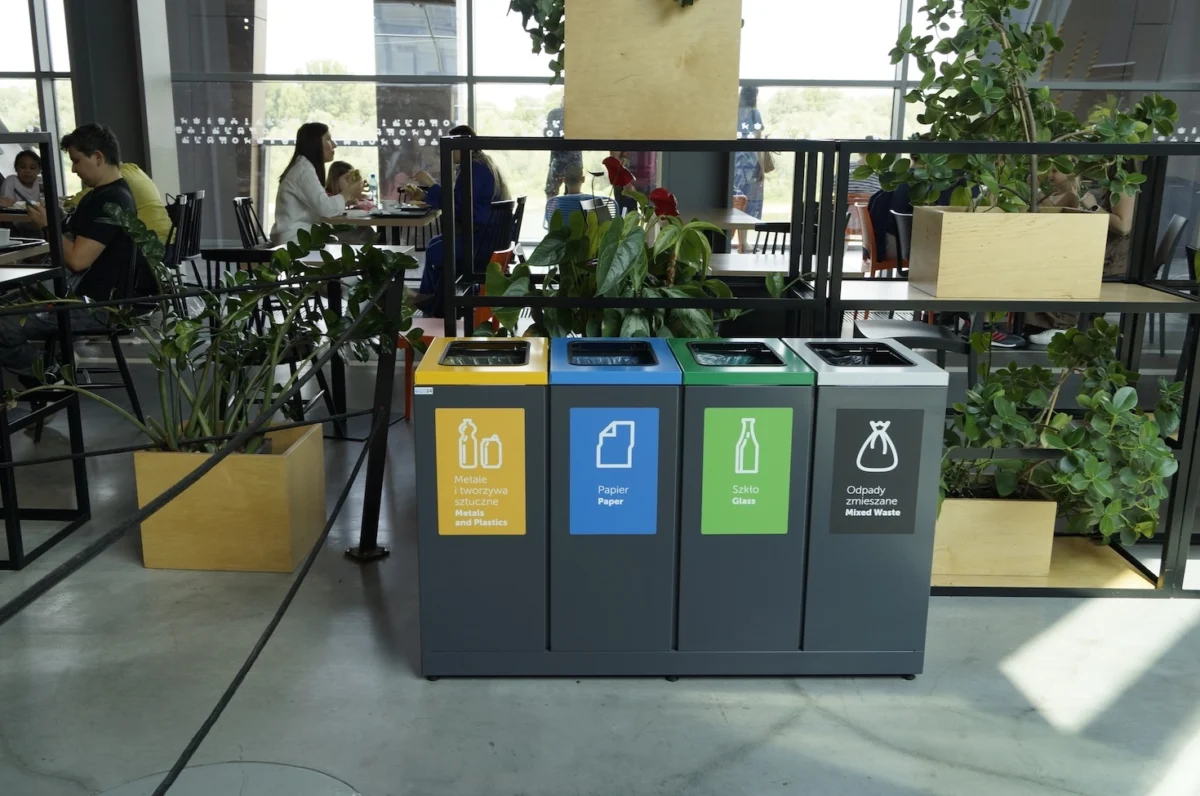
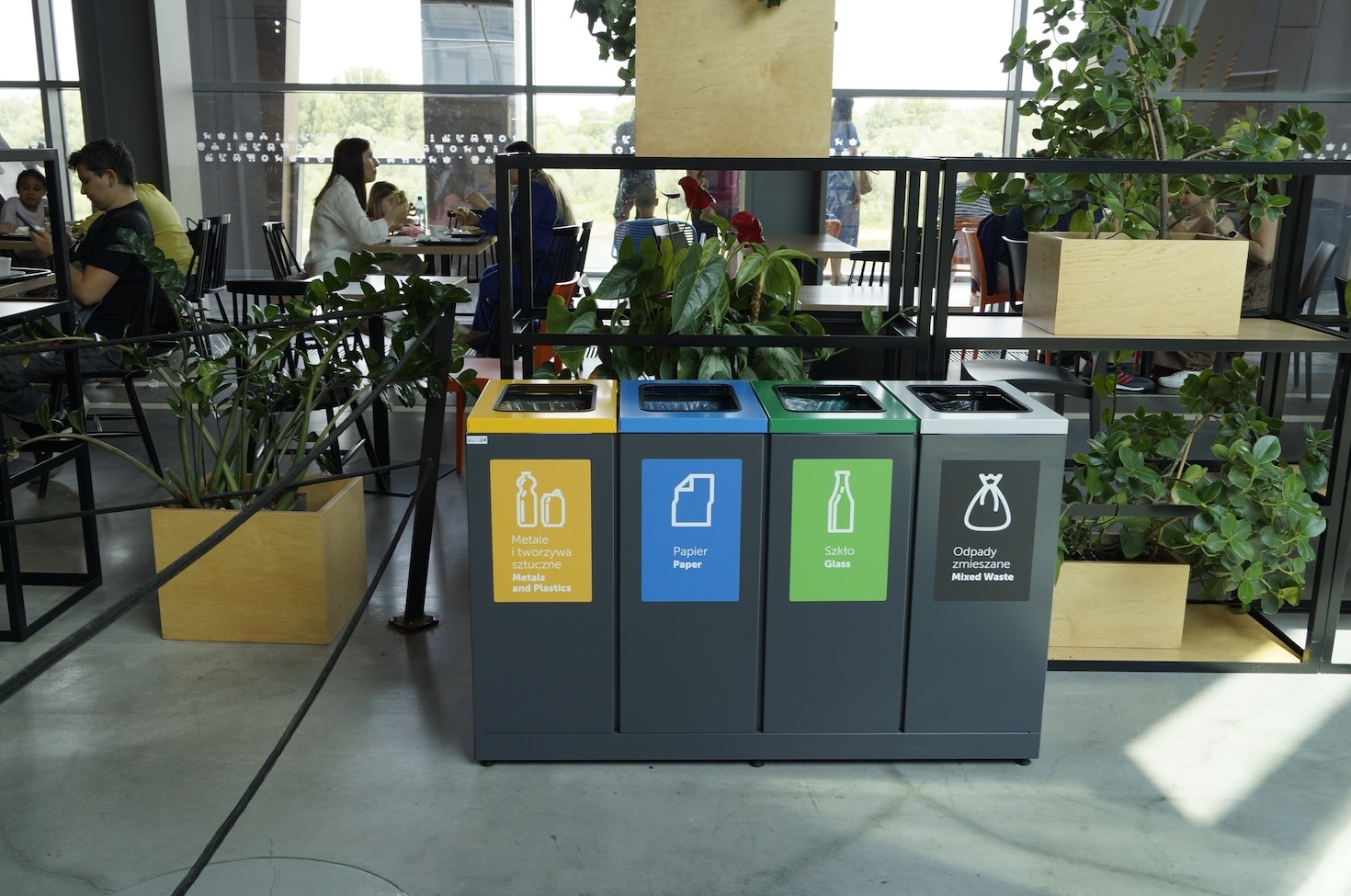
“Can I put a stapled document in the recycling bin?”
“Don’t even think about touching the K-cups—the VP will lose his mind.”
“Can we acknowledge the reality of climate change in this meeting?”
For those tasked with leading corporate sustainability initiatives, these questions are all too familiar. They represent the daily friction between well-meaning environmental advocacy and the ingrained habits of corporate culture. For years, the sustainability professional’s role has been defined by a strange paradox: tasked with saving the planet, yet often reduced to policing the breakroom trash.
Drawing from six years of experience in the power industry—spanning roles at Green Mountain Energy and later at NRG—it is clear that the “Green Ambassador” model, while well-intentioned, often suffers from an identity crisis. When sustainability is framed solely through the lens of recycling protocols or reusable water bottles, it risks being perceived as elementary or, worse, disconnected from the core business. To move the needle, organizations must evolve beyond the bin.
The Professional Challenge: Bridging the Gap Between "Eco-Office" and Material Impact
The traditional approach to employee engagement—often centered on low-stakes environmental habits—is not inherently bad, but it is insufficient. When sustainability teams focus exclusively on surface-level office behaviors, they risk trivializing the profession. These initiatives should be balanced with rigorous education and involvement in goals that are material to the organization, such as sustainable procurement, carbon-neutral supply chains, and the reduction of emissions associated with business travel.
The danger of focusing too heavily on projects disconnected from business goals is twofold. First, it can jeopardize the influence that sustainability teams exert in high-level operational strategy. If a department is viewed as the "office recycling police," their voice is often sidelined when it comes to capital expenditure or procurement strategy. Second, it triggers apathy. Employees are intelligent; they recognize when a sustainability initiative is performative. When the company hands out branded reusable water bottles while ignoring the massive carbon footprint of its logistics or travel, the hypocrisy is palpable.
The Data-Driven Imperative: Why Engagement Still Matters
Despite the pitfalls of poorly executed programs, abandoning employee engagement is not the answer. The data suggests that employees are not only interested in corporate sustainability—they are demanding it. Research from the sustainability consultancy Kite Insights indicates that over 80 percent of employees want to take active, meaningful steps to address climate change within their professional capacity.
Employees represent the largest, most underutilized resource in a company’s sustainability strategy. When aligned with the company’s broader ESG (Environmental, Social, and Governance) goals, an engaged workforce becomes a catalyst for innovation and a guardian of the company’s long-term viability. The challenge, therefore, is not whether to engage, but how to transition from "recycling-focused" to "strategy-focused."
Five Strategic Pillars for Meaningful Alignment
To move beyond the breakroom, sustainability leaders must adopt a more strategic framework. The following five approaches are designed to integrate sustainability into the DNA of the organization.
1. The Power of the Dedicated Event
An annual, high-visibility event dedicated to sustainability ensures the topic receives the undivided attention of leadership and staff alike. According to Lydia Perez Poole, sustainability director at the spice and herb manufacturer McCormick, these moments serve as a "reset" button. By carving out specific time for sustainability, companies signal that the topic is a strategic priority, not a side project to be squeezed into the margins of a busy work week.
2. Leadership Presence and the "Unscripted" Moment
Sustainability must be championed from the top down to be taken seriously. Holding events at the corporate headquarters is not just about logistics; it is about visibility. One leader at a global logistics firm recalls a pivotal event where the CEO candidly told employees that the company pursued sustainability strategies because customers and investors demanded them, rather than "to get to heaven." While the statement lacked the polished varnish of a PR campaign, it was refreshingly honest and galvanized the staff. Authentic leadership engagement creates a psychological space where sustainability is viewed as a business requirement, not a moral elective.
3. Tying Sustainability to Compensation
The most effective way to change corporate behavior is to change the incentive structure. Implementing an organizational scorecard or linking team Key Performance Indicators (KPIs) to in-house sustainability goals is a game-changer.
Hannah Black, a 2026 Trellis 30 Under 30 awardee and leader of Trane Technologies’ global Sustainability Ambassador Network, has demonstrated the power of structure. By creating a function-specific goal guide, she enabled teams to classify their contributions as SMART (Specific, Measurable, Achievable, Realistic, and Timely). This shift resulted in a 20 percent increase in high-quality, actionable sustainability goals across the organization, effectively turning vague aspirations into measurable outcomes.
4. Curated, Cross-Functional Meetings
Sustainability directors often struggle with "siloing." To break this down, Erin Koch, sustainability director at Prologis, advocates for 15-minute, high-impact presentations delivered directly to specific teams and their department heads. By presenting the company’s sustainability data in the context of their specific daily workflows, leadership can demonstrate exactly how a department’s output affects the company’s broader carbon or waste profile. This makes the intangible tangible.
5. Expanding the Scope: The SDG Framework
Sustainability is not solely defined by environmental issues. As noted by Sam Gooch of Waymo, leveraging the United Nations’ Sustainable Development Goals (SDGs)—such as gender equity, food access, and community development—can serve as a powerful entry point for employees who may not identify as "environmentalists." By broadening the scope, companies can foster a more inclusive culture where every employee finds a personal stake in the firm’s impact.
Measuring the Impact: Moving Beyond Surveys
Measuring the efficacy of engagement is notoriously difficult, yet it is essential for proving the value of these initiatives. While HR-led employee surveys are a starting point, they are often lagging indicators.
A more robust approach involves tracking leading indicators:
- Integration Rate: How often are sustainability team members invited to join projects led by other departments?
- Operational Efficiency: If the company shifts to digital-first documentation, what is the measurable decrease in physical paper waste?
- Retention and Happiness: While these are primarily HR metrics, sustainability departments should partner with HR to analyze whether employees who participate in sustainability initiatives show higher long-term engagement and lower turnover rates.
Implications: The Long-Term Cultural Shift
The evolution of the sustainability professional is shifting from the role of an educator (explaining why plastic bags don’t go in the recycling bin) to that of a strategic partner.
Organizations must be wary of the "echo chamber" effect. A major red flag in any sustainability program is when it only engages employees who were already "pre-converted." If your internal sustainability efforts are only attended by the same 10 percent of eco-conscious employees, your strategy is failing to scale.
True success looks like the integration of these principles into the day-to-day operations of the supply chain, the finance department, and the boardroom. It requires the patience to deal with the inevitable questions about stapled documents and coffee pods, while simultaneously having the courage to demand a seat at the table where the company’s true material impact is decided.
In the final analysis, the goal is to make sustainability so synonymous with "good business" that the need for a separate "sustainability team" eventually fades. Until then, the work of bridging that gap continues—one conversation, one measurable goal, and one strategic initiative at a time.


 Laily UPN

 Sagoh


 Dwi Wanna

 Evan Lee Salim

 Iffa Jayyana
