
 Neng Nana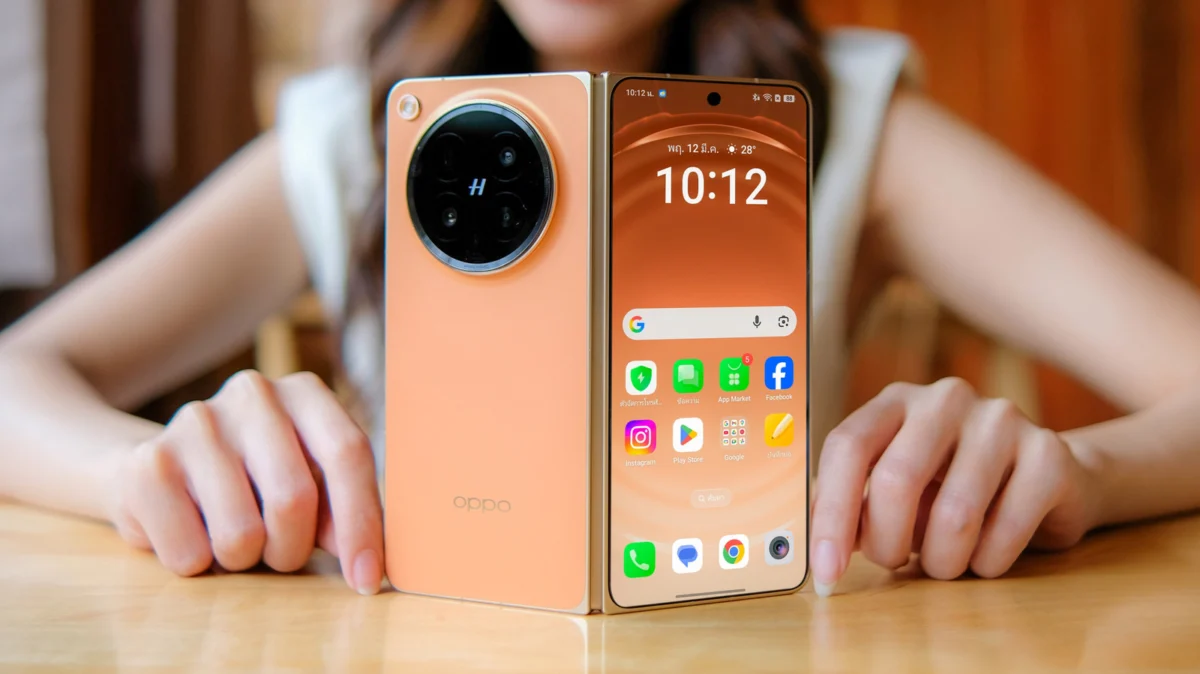
In an era of global connectivity, the smartphone market in the United States often feels like a closed loop. While American consumers are well-served by industry giants like Apple, Samsung, and Google, the global landscape—particularly in Asia—is a hotbed of experimental engineering, aggressive pricing, and cutting-edge design. From Huawei’s tri-fold marvels to Xiaomi’s ultra-thin foldables and OPPO’s advanced camera arrays, the temptation to look beyond domestic borders has never been stronger.
However, importing a device from abroad is far from a plug-and-play experience. It is a high-stakes endeavor that requires a deep understanding of telecommunications infrastructure, software ecosystems, and consumer rights. For the enthusiast, it is an adventure; for the average user, it is often a recipe for frustration.
The Landscape of Global Innovation
To understand why consumers take the risk, one must look at the sheer disparity in hardware innovation. While US flagships often prioritize iterative improvements—refined cameras, slightly faster processors, and polished software—international markets are currently driving the "form factor" revolution.
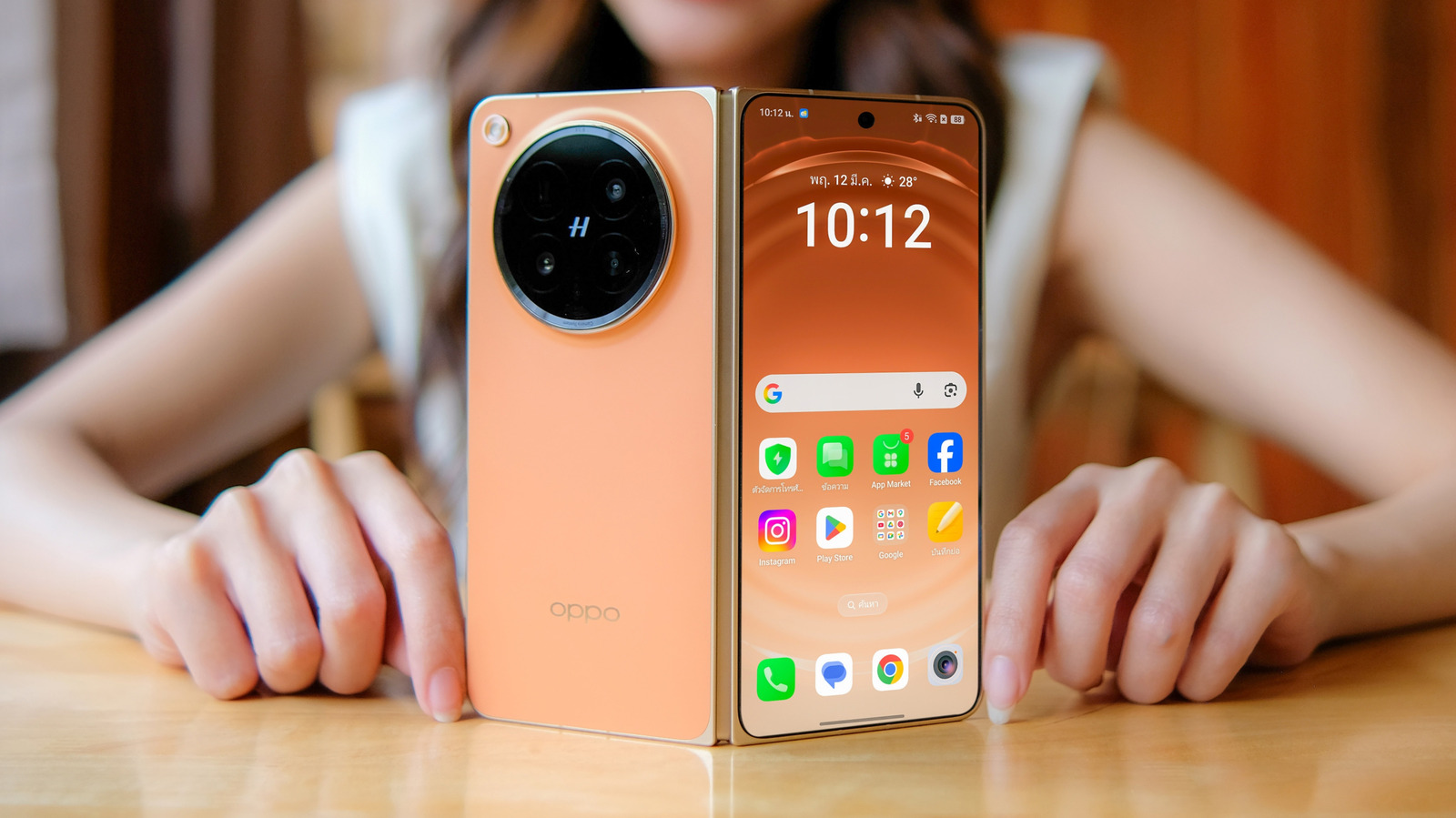
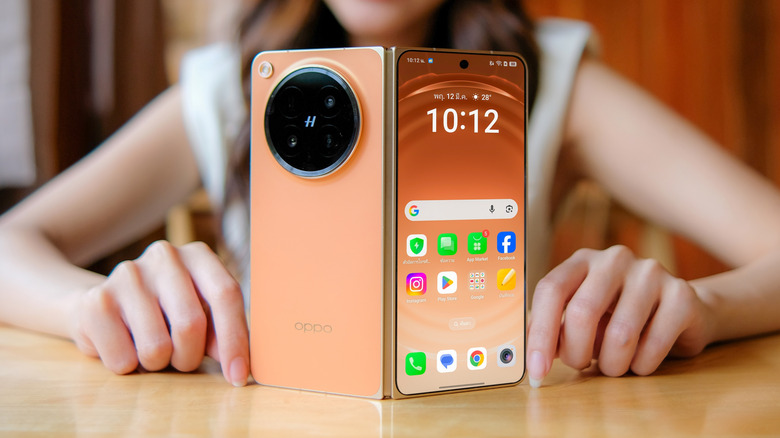
Chinese manufacturers, in particular, are pushing the boundaries of physical design. Devices like the Xiaomi Mix Fold or Honor’s Magic series offer aesthetic and mechanical feats that simply have no direct equivalent on US store shelves. These devices cater to a "power user" demographic that values hardware versatility above all else, often providing features that US carriers and manufacturers have deemed too niche for the domestic market.
Chronology of the "Gray Market" Evolution
The trend of importing phones has shifted significantly over the last decade:
- 2010–2015: The "Early Adopter" era. Importing was largely restricted to niche enthusiasts who were comfortable flashing custom ROMs (like CyanogenMod) to make international phones usable in English.
- 2016–2020: The "Global Band" era. Manufacturers began designing hardware with broader radio support, making international phones more likely to latch onto US 4G LTE networks out of the box.
- 2021–Present: The "5G Complication" era. While hardware is more universal, the fragmentation of 5G bands and the rise of carrier-specific network locking have created a complex minefield for consumers, despite the hardware being more accessible than ever via e-commerce platforms.
The Technical Reality: Network Compatibility and Carrier Hurdles
The primary obstacle to importing a phone is the physical reality of cellular networks. In the United States, carriers use specific frequency bands to transmit data. If an imported phone lacks the necessary hardware to communicate on these specific frequencies, the result is poor connectivity or, in worst-case scenarios, a complete inability to access high-speed data.
The 5G Fragmentation Problem
Even if a phone supports a 5G radio, it may not support the "n-bands" used by T-Mobile, AT&T, or Verizon. A device might function perfectly in a major metropolitan area but revert to 3G or drop to LTE in suburban or rural environments.
The Feature Gap
Beyond raw data speed, there are the "invisible" features. Services such as VoLTE (Voice over LTE), Wi-Fi Calling, and Visual Voicemail are not universal standards. They are often subject to specific carrier certifications. When you insert a SIM card into an imported device, your carrier’s system may not recognize the phone’s "handshake." Consequently, even if you have a 5G signal, you may find yourself unable to make crystal-clear calls over LTE or use Wi-Fi calling in areas with poor cellular reception—a critical drawback for those living in dead zones.
Software and Ecosystems: The Google Play Dilemma
For most US users, the Android experience is synonymous with the Google Play Store, Google Maps, and Gmail. However, many international models—particularly those intended for the Chinese market—do not include Google Mobile Services (GMS) by default.
While many of these devices can be "sideloaded" with GMS, this creates a secondary set of problems:
- Security Risks: Manual installation of core system services often requires unlocking bootloaders or using third-party installers, which can expose the device to malware.
- App Incompatibility: Banking apps, corporate security software (like Microsoft Intune), and certain streaming services often perform "SafetyNet" checks. If the device’s software is not officially certified by Google, these apps will refuse to launch, rendering the phone effectively useless for day-to-day productivity.
- Bloatware: International ROMs often come pre-loaded with regional apps, news aggregators, and advertising services that cannot be uninstalled, leading to a cluttered and often unreadable interface.
The Warranty and Repair Vacuum
Perhaps the most significant risk is the lack of a safety net. In the US, a cracked screen or a failing battery is handled through an Apple Store or a local authorized service center. With an imported device, you are effectively on your own.
Because these manufacturers have no official footprint in the US, there is no customer support to call. Parts are not readily available to independent repair shops, and if a component fails, the cost of shipping the device back to the country of origin for repair—if the manufacturer even accepts international mail-in repairs—is often prohibitive. For many, a single hardware failure effectively turns a $1,500 flagship into a paperweight.
Implications for the Consumer
So, is it worth it? The answer depends entirely on your risk tolerance and technical proficiency.
The Case for Importing
For the enthusiast, the benefits are clear:
- Physical Dual SIM: While US carriers have pushed for eSIM, many international markets retain dual physical SIM trays, which are highly prized by international travelers.
- Unique Hardware: Access to form factors—like the tri-fold designs currently dominating headlines—that simply do not exist in the domestic market.
- Camera Innovation: Many international flagships utilize larger sensors and optics that challenge the current status quo of domestic photography.
The Case Against Importing
For the average consumer who relies on their phone for banking, work, and emergency communication, the risks are substantial:

- No Official Support: You are entirely responsible for the device’s longevity.
- Security Vulnerabilities: Manual software management increases the attack surface for bad actors.
- Resale Difficulty: Selling an imported, non-certified device in the US is notoriously difficult, as the buyer pool is limited to other enthusiasts who understand the inherent risks.
Expert Guidance: Best Practices for the Bold
If you are determined to import, follow these industry-standard precautions:
- Verify Frequency Bands: Use websites like Kimovil or WillMyPhoneWork to compare the device’s supported bands against your specific carrier’s requirements.
- Check for "Global ROMs": If buying a Chinese device, ensure it is a "Global Version" rather than a "China ROM" version. Global versions are more likely to have Google Play Services pre-installed and localized software.
- Join Community Forums: Before purchasing, visit Reddit (r/Android, r/Smartphones) or XDA Developers. Search for the specific model and your carrier. If dozens of users are reporting "VoLTE not working," believe them.
- Factor in Insurance: If you plan to import, consider third-party electronics insurance that covers accidental damage and theft, as the manufacturer’s warranty will be non-existent.
Conclusion: A Measured Choice
The global smartphone market is a testament to the incredible pace of human ingenuity. We are seeing devices that fold, roll, and capture images with precision that would have seemed impossible a decade ago. However, the wall between international innovation and domestic utility remains sturdy. While importing a phone can be a deeply rewarding experience for the tech-savvy individual, it comes with a tax—not just in dollars, but in the time and energy required to keep the device functional.
Before hitting "buy" on an overseas listing, ask yourself: Is the unique design worth the loss of guaranteed connectivity, support, and security? For most, the answer is no. But for the few, the trade-off is the price of admission to the absolute cutting edge of technology.


 Muslim
 Nana Wu
 Raul Delapena Setiawan
 Dwi Wanna

 Rifan Muazin