
 Jia Lissa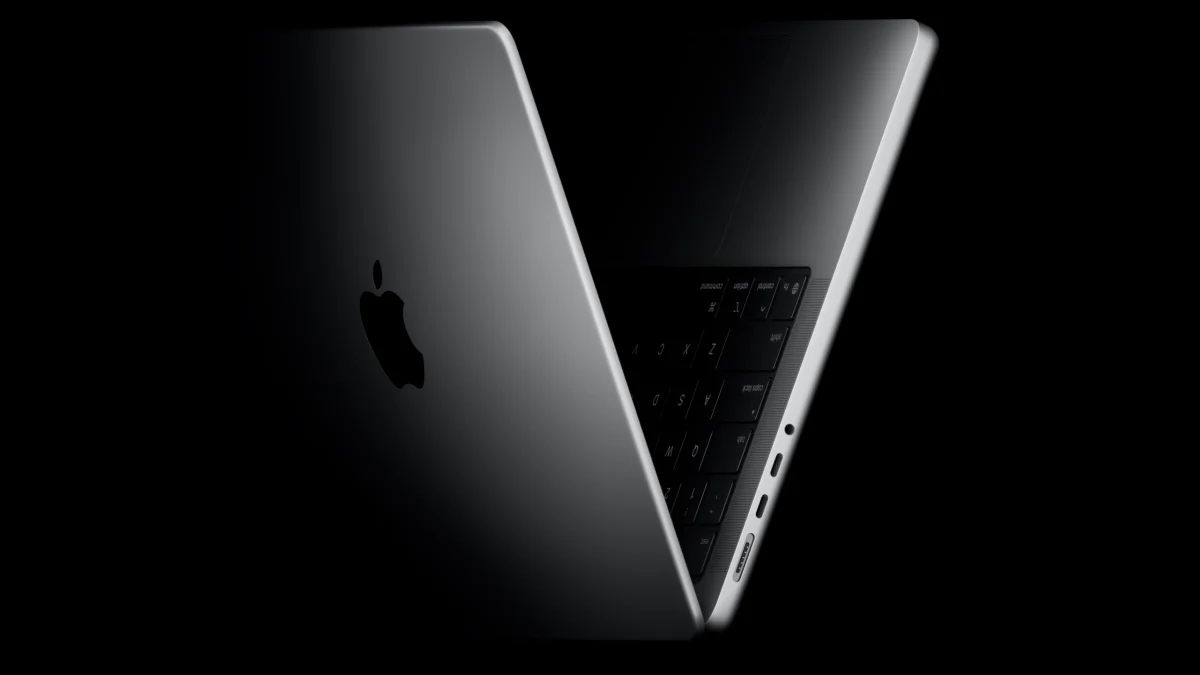
In an unprecedented display of product-cycle intensity, Apple is preparing to dominate the technology landscape this autumn with a rare "double-header" event strategy. While the tech world’s attention is currently fixed on the upcoming October 13 "Welcome Home" event, whispers from Cupertino suggest that Tim Cook’s team is merely setting the stage for a second, even more consequential showcase scheduled for late October.
According to industry reports, most notably from Bloomberg’s Mark Gurman, Apple is set to host a follow-up digital event on or around Tuesday, October 27. This secondary presentation is expected to serve as the launchpad for the most significant shift in Apple’s hardware strategy in over a decade: the introduction of the company’s first-ever touchscreen MacBook.
The Main Facts: What to Expect in Late October
The October 27 event is shaping up to be a hardware juggernaut. While the mid-month event focuses on the smart home—highlighting the HomePod mini and the rumored "HomePad" smart hub—the late-October event is squarely aimed at the professional creative market.
The MacBook "Ultra"
The centerpiece of the late-October reveal is the highly anticipated touchscreen MacBook, internally referred to as the "MacBook Ultra." This device represents a fundamental departure from Apple’s long-standing skepticism regarding touch interfaces on macOS.
- Display Technology: The new laptops will feature high-fidelity OLED panels, a shift that promises deeper blacks, superior contrast ratios, and improved power efficiency.
- Form Factor: The devices will arrive in the classic 14-inch and 16-inch configurations, maintaining the aesthetic language of the modern MacBook Pro while integrating a Dynamic Island—a feature migrated from the iPhone, suggesting deeper hardware-software integration for notifications and background tasks.
- Processing Power: Both models will be powered by the debut of the M6 chip, representing the latest iteration of Apple Silicon. This new architecture is designed to handle the thermal and computational demands of high-end creative workflows.
The iMac Refresh
Joining the laptops on stage will be a refreshed iMac. Also powered by the M6 chip, this update is intended to maintain the iMac’s status as the quintessential desktop solution for creative professionals. While design changes may be iterative, the performance leap provided by the M6 architecture is expected to be significant, particularly for users involved in heavy rendering and multitasking.
The iPad Mini Upgrade
Rounding out the hardware announcements is a significant update to the iPad mini. Rumored to feature the A20 Pro chip, this device is being positioned as a "pocket-sized powerhouse." It is expected to include a landscape-oriented camera—perfect for modern video conferencing—a revamped speaker system for better audio immersion, and a slightly larger OLED display, narrowing the bezels to provide more screen real estate without increasing the overall footprint of the tablet.
Chronology: The Road to the October Events
Apple’s product roadmap has been a subject of intense speculation throughout 2026. To understand the magnitude of these upcoming events, it is necessary to look at the sequence of releases that preceded them.
- March 2026: The release of the "MacBook Neo" marked the company’s push into the budget-friendly laptop segment, effectively widening the net of the Apple ecosystem to include students and entry-level users.
- Early October 2026: Rumors coalesced around the "Welcome Home" event, focusing on the company’s renewed commitment to the smart home space, bridging the gap between mobile and domestic automation.
- October 13, 2026: The official announcement of the HomePod mini and the smart home hub.
- October 27, 2026 (Projected): The late-October event, serving as the capstone to a year of massive product diversification.
This timeline reveals a deliberate strategy: clear the peripheral product lines early in the month so that the late-October event can focus entirely on the core professional computing hardware that serves as the company’s fiscal and brand bedrock.
Supporting Data: Why the Move to Touch?
The industry has long debated whether Apple would ever bring touch capability to its laptops. For years, company executives, including Tim Cook, expressed concerns about ergonomics and the viability of "gorilla arm" syndrome. However, the data suggests that the demand for converged workflows has reached a tipping point.
The Creative Professional Demographic
Market research indicates that the modern creative professional—the target audience for the MacBook Ultra—is increasingly accustomed to touch-based workflows through iPad Pro usage. By bringing the touchscreen to the MacBook, Apple is effectively removing the friction between its tablet and laptop lines.
M6 Performance Benchmarks
The move to the M6 chip is not merely an incremental speed boost. With the inclusion of more advanced neural engines and unified memory architectures, the M6 is being built specifically to support the high-resolution, multi-layer rendering required for 8K video production and complex music synthesis. The integration of a touchscreen with this level of raw power allows for a "tactile" editing experience, enabling users to adjust timelines, mix audio, and manipulate graphic layers with a precision that trackpads cannot emulate.
Official Responses and Industry Context
Apple has, as is customary, maintained a strict policy of silence regarding the leaked event details. However, supply chain insiders and analysts have provided the necessary context to understand why this update is so critical.
Mark Gurman’s reporting highlights that this represents the first major overhaul of the high-end MacBook lineup since 2021. The 2021 launch of the M1 Pro/Max 14 and 16-inch models set a high bar for performance, but the market has since demanded more—specifically, greater integration between hardware and software.
When asked about the future of the Mac, industry analysts noted: "Apple is at a crossroads where they must decide if they want to keep their operating systems distinct or move toward a unified experience. By introducing a touchscreen MacBook, they are opting for the latter, choosing to meet the needs of the ‘pro-sumer’ who lives in a hybrid world of design and software development."
Implications: A New Era for Apple Hardware
The implications of these product launches are profound for both the consumer market and the broader technology sector.
1. The Death of the "Laptop vs. Tablet" Dichotomy
By introducing a touchscreen on a professional-grade MacBook, Apple is effectively signaling the end of the traditional "laptop vs. tablet" debate. If a user can perform complex photo editing on a touch-enabled MacBook with the same efficiency as an iPad, the barrier between these product categories blurs. This may eventually force a total rethink of the iPadOS versus macOS divide.
2. Market Pressure on Competitors
Competitors like Microsoft, with their Surface line, have long held the crown for touch-enabled productivity. Apple’s entry into this space with the MacBook Ultra puts immense pressure on Windows-based OEMs. Apple’s vertical integration—owning the silicon (M6), the hardware, and the software (macOS)—gives them a distinct advantage in optimizing the touch experience in a way that generic Windows drivers have struggled to achieve.
3. The Future of the Ecosystem
With the smart home hub, the HomePod mini, the A20 Pro-powered iPad, and the M6 MacBook Ultra, Apple is creating a holistic environment where every device is a node in a professional-grade network. The ability to seamlessly move a project from an iPad mini on the go to a MacBook Ultra at the studio, and then utilize the HomePad for ambient task monitoring, reflects a vision of the future where the hardware disappears, leaving only the creative output.
Conclusion
As October 27 approaches, the tech community remains in a state of high anticipation. The transition to touch-enabled professional computing is a bold move for a company that has historically prioritized its traditional input methods. However, in the context of the M6 chip and the maturing creative market, it is a logical evolution.
Whether these devices will truly replace the mouse and trackpad as the primary tools of the trade remains to be seen. What is clear, however, is that Apple is not content to iterate; they are aiming to redefine what a computer can do, ensuring that for the creative professional, the "Welcome home" to a new era of computing begins this month.


 Lina Irawan
 Suro Senen
 Laily UPN
 Iffa Jayyana
 Rifan Muazin

 Lina Hope