Reynand Wu
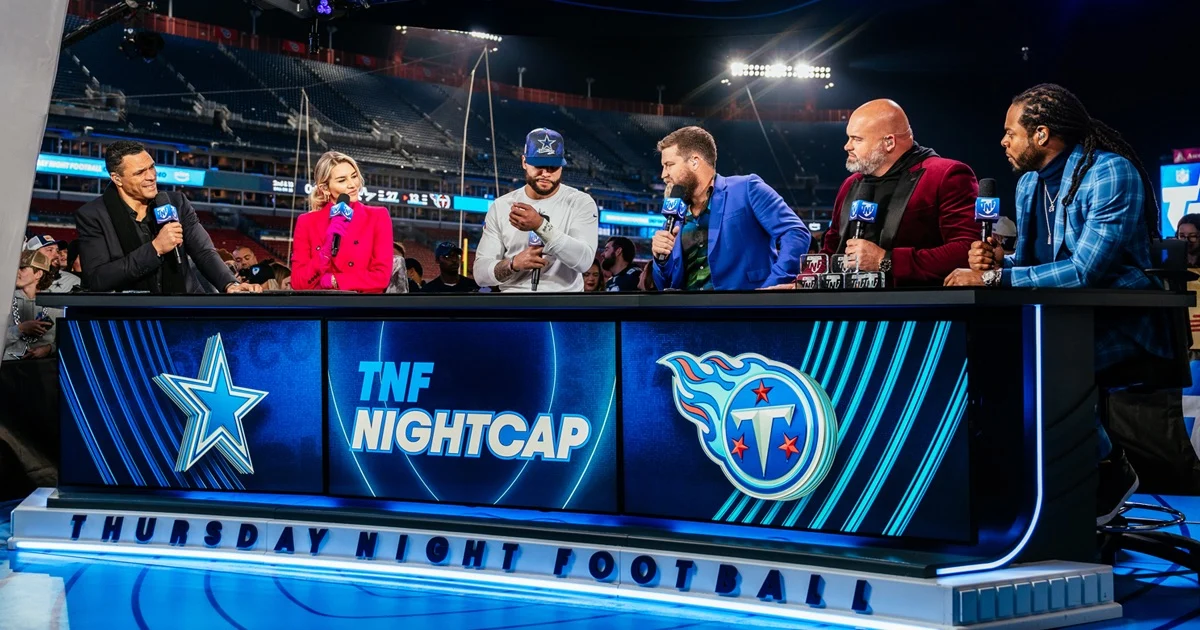
As the NFL’s 2024 season reaches its mid-point, Amazon Prime Video is cementing its position as a dominant force in the sports media landscape. Now in the fifth year of its historic 11-year broadcast deal, the tech giant is moving beyond the initial "proof of concept" phase of its exclusive Thursday Night Football (TNF) streaming experiment. Instead, it is actively executing a sophisticated expansion of its commercial playbook, turning the weekly broadcast into a high-octane engine for broad-spectrum advertising growth.
Recent performance data confirms that Amazon’s strategy—which leverages the unique intersection of live sports viewership and the vast, data-rich ecosystem of its retail platform—is paying dividends. With a 6% year-over-year increase in advertisers and a significant influx of new brands, Amazon is proving that it isn’t just a streaming service; it is a primary destination for global brands looking to capture the attention of a highly engaged, high-intent audience.
The State of Play: Key Performance Indicators
The most recent indicator of Prime Video’s success was the high-profile matchup between the Chicago Bears and the New England Patriots. In a contest that saw the Bears edge out the Patriots 30-24, the game served as more than just a battle on the gridiron—it served as a showcase for Amazon’s maturing advertising ecosystem.
The numbers for the current season are compelling. Across the board, advertiser participation has climbed 6% compared to the previous year. More importantly, this growth is not concentrated in a single sector; it is broad-based, with double-digit growth reported in critical advertising verticals, including financial services, retail, hardlines, automotive, and travel.
Perhaps most significant is the influx of new blood. Amazon reports that 17% of the brands appearing on Thursday Night Football this season are entirely new to the platform. This suggests that the barrier to entry for streaming sports advertising is falling, and the value proposition—combining the reach of broadcast television with the targeting capabilities of e-commerce—is becoming impossible for national brands to ignore.
A Chronology of Amazon’s Sports Evolution
To understand how Amazon reached this inflection point, one must look back at the company’s strategic trajectory over the last decade.
2017: The Initial Experiment
Amazon’s foray into the NFL began in 2017 when it secured the rights to stream ten Thursday Night Football games as a simulcast alongside traditional network partners. At the time, the industry was skeptical. Critics questioned whether a tech company could provide the broadcast polish required for the NFL’s demanding standards. Amazon treated this as a pilot program, testing the waters of live-stream infrastructure.
2020-2021: The Pandemic Catalyst
The COVID-19 pandemic accelerated the shift toward streaming. As traditional cable viewership declined, Amazon’s reach expanded. The company used this period to integrate its Twitch platform, experimenting with alternate broadcasts and interactive features that traditional networks could not easily replicate.
2022: The Exclusive Era
The turning point arrived in 2022, when Amazon Prime Video became the exclusive home of Thursday Night Football. This was a massive gamble, shifting the game entirely off linear television for the first time in league history. Critics predicted a drop in viewership, but Amazon invested heavily in production quality, talent, and technological integration, effectively silencing skeptics by the end of the first full exclusive season.
2023-2024: Data-Driven Maturity
Now in the middle of its current cycle, Amazon has shifted its focus from simply "streaming the game" to "monetizing the ecosystem." The current season is characterized by a tighter integration between Amazon Ads, Prime Video, and the Amazon retail marketplace. The company is no longer just selling 30-second spots; it is selling comprehensive, data-backed campaigns that follow the consumer from the screen to the checkout page.
The Strategy: "Leaning In" to the Prime Ecosystem
The core of Amazon’s current success lies in its ability to bridge the gap between "top-of-funnel" awareness and "bottom-of-funnel" conversion.
Amy McDevitt, head of live sports sales partnerships at Amazon Ads, articulated the company’s current philosophy during a recent briefing. According to McDevitt, the mandate for the current season is to encourage advertisers to move beyond the traditional "spot buy."
"The latest season is about getting advertisers to lean in to Prime Video’s offerings and expand their relationship across the company," McDevitt noted.
This strategy, often referred to within industry circles as "full-funnel advertising," allows brands to utilize Amazon’s first-party data to reach specific demographics during the game, and then retarget those viewers across the Amazon ecosystem—whether through display ads on Amazon.com, placements on Fire TV devices, or even within the retail experience itself. By connecting the Thursday Night Football viewership data with purchasing behavior, Amazon provides an attribution model that linear networks simply cannot match.
Supporting Data: Why Advertisers are Migrating
The migration of brands toward Amazon is not accidental. The 17% of new advertisers are largely reacting to several key technological and behavioral advantages:
- Audience Demographics: Prime Video viewers skew younger and more affluent than traditional cable television viewers. This demographic is notoriously difficult to reach via legacy media, making the NFL on Prime a rare "must-buy" for brands looking to capture Gen Z and Millennial purchasing power.
- Technological Interactivity: Through features like X-Ray, which allows viewers to access real-time statistics, player bios, and shopping offers without leaving the stream, Amazon has turned the passive act of watching a game into an interactive experience.
- Retail Integration: The ability for a viewer to see an ad for a product and, within moments, locate that product on the Amazon app, creates a friction-less path to purchase. For the retail and hardlines sectors, this is the "holy grail" of advertising efficiency.
The Broader Implications for the Media Landscape
Amazon’s success has profound implications for the future of sports broadcasting and the wider advertising industry.
The Erosion of Linear Dominance
The success of Thursday Night Football is further proof that the "cord-cutting" era has fundamentally altered the sports rights landscape. As more viewers migrate to streaming, the traditional networks (NBC, CBS, FOX, ABC/ESPN) are being forced to pivot their own digital strategies. Amazon’s presence has effectively set a new "price floor" and "tech standard" for what a sports broadcast should look like.
The Rise of "Retail Media"
Amazon is leading a broader trend known as Retail Media Networks (RMNs). By leveraging its own shopping data to inform ad placement during live sports, Amazon is setting a standard that other retailers are now scrambling to emulate. Walmart, Target, and others are currently building out their own advertising platforms, but none have the sheer scale of Amazon’s combined streaming and e-commerce infrastructure.
The NFL’s Strategic Bet
For the NFL, the partnership with Amazon has been a masterstroke of diversification. By placing their product on a platform that reaches a younger, more tech-savvy audience, the league has protected its long-term future. The NFL is no longer reliant on the stability of cable bundles; they have successfully transitioned into the digital era, ensuring that the next generation of fans will engage with the sport on their own terms, via the devices they use most.
Conclusion: Looking Toward the Future
As the season progresses, industry watchers expect Amazon to continue refining its interactive ad formats. Rumors persist regarding more aggressive "shoppable" segments, where viewers might eventually be able to purchase team apparel or game-day essentials directly from their remote controls.
For brands, the message from the Bears-Patriots matchup is clear: Thursday Night Football on Prime Video is no longer an alternative to traditional television—it is a cornerstone of a modern, data-driven marketing strategy. With advertiser growth climbing and a 17% influx of new participants, Amazon has successfully transformed from an experimental streaming player into the most powerful advertising engine in sports media.
As the league heads into the final stretch of the season, the focus will shift from simple viewership numbers to the depth of the viewer experience. If Amazon’s track record is any indication, they are just getting started. The playbook is open, the audience is growing, and the competition—both on and off the field—is fiercer than ever.

 Neng Nana


 Siti Muinah