
 Pevita Pearce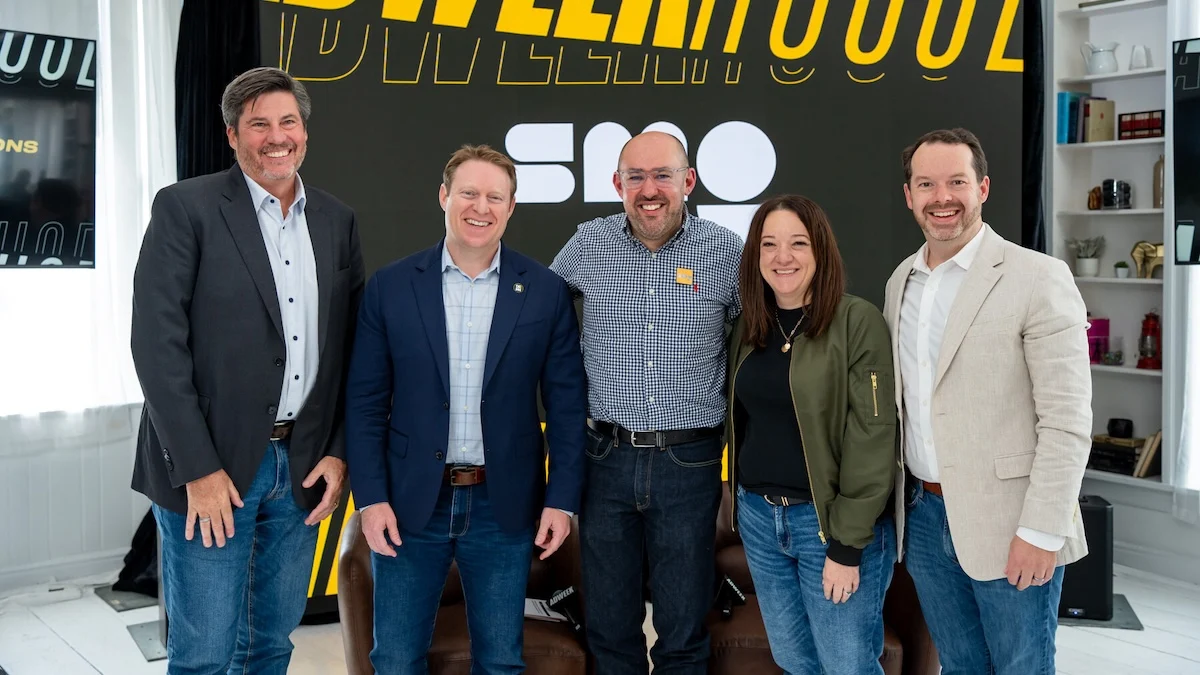
This report is produced in partnership with SMG.
The retail media landscape is no longer just a digital advertising subset; it has evolved into a sprawling, multi-dimensional ecosystem that bridges the gap between physical retail footprints and digital intent. As brands scramble to optimize their presence within these networks, the industry is grappling with a central question: How do you measure the intangible value of a consumer’s journey when that journey spans from the couch to the checkout aisle, and eventually, to the airport terminal?
During the recent ADWEEK House Advertising HQ sessions, co-hosted with SMG, industry leaders convened to dissect the tectonic shifts occurring in commerce media. From the granular mechanics of in-store advertising to the emerging potential of travel-based media networks, the message was clear: The future of advertising is not just about reach—it is about the context of the conversion.
The Main Facts: The New Rules of Engagement
Retail media networks (RMNs) are currently undergoing a period of professionalization. No longer content with simple display ads on e-commerce sites, advertisers are now demanding sophisticated, cross-channel strategies that account for every touchpoint.
The ADWEEK House sessions highlighted three critical pillars of this evolution:
- In-Store Digitization: The physical store is being reimagined as a data-rich media environment.
- Holistic Grocery Strategies: Moving beyond traditional ROAS (Return on Ad Spend) to understand the "connected" nature of the grocery shopper.
- The Travel Vertical: Identifying high-intent audiences in the transit and hospitality sectors.
Chronology: A Deep Dive into the Sessions
Session I: The Battle for In-Store Leadership
The event kicked off with "Choose Your Player: The Battle for In-Store Leadership." Moderated by Ollie Shayer (SMG), the panel featured Collin Colburn (IAB), Chip Harding (Simon Property Group), Austin Leonard (DG Media Network), and Britt Polihronis (RedMedia).

The conversation centered on the logistical and technological hurdles of scaling in-store media. While digital ads are easy to track, in-store ads—ranging from digital signage to shelf-talkers—have historically been difficult to link to incremental sales. The panelists agreed that the industry is at an inflection point where physical retail must start "acting like a website," using sensors, loyalty program data, and foot-traffic analytics to prove efficacy.
Session II: Connecting the Grocery Journey
In a fireside chat with Zoë Ruderman (ADWEEK), Liz Roche (Albertsons Media Collective) dismantled the reliance on singular metrics. The discussion emphasized that grocery shopping is a habitual, high-frequency activity. Reaching a consumer only at the point of sale ignores the 90% of the journey that happens at home via Connected TV (CTV), mobile apps, and social discovery.
Session III: The Rise of Travel Media
The final session, "Media on the Move," pivoted to the travel sector. Sean Crawford (SMG) guided a panel comprising Katie Blackburn (WHSmith), Shane Dwyer (Lyft Ads), Chris Norton (Marriott Media), and Steven Paganelli (Tripadvisor). The core theme here was the "travel mindset"—a unique psychological state where consumers are often more open to discovery, spending, and brand messaging than they are during the mundane routines of daily life.
Supporting Data and Strategic Insights
The shift in retail media is underpinned by a growing need for measurement accuracy. Currently, the industry faces a "methodology fragmentation" problem.
The Measurement Gap
As noted by the panelists, the metrics of success are highly context-dependent:
- Malls: Success is measured through a blend of high-intent foot traffic and secondary retail sales.
- Grocery: Success is measured by immediate conversion, but also by long-term category growth.
- Travel: Success is measured through the "journey lifecycle"—tracking a consumer from the initial search for a flight to the in-hotel experience.
Liz Roche of Albertsons Media Collective raised a critical point regarding ROAS and iROAS (incremental Return on Ad Spend). She argued that these metrics are often manipulated by the methodology used to calculate them. For instance, if an advertiser changes their attribution window, the ROAS numbers can swing wildly without any actual change in consumer behavior. The industry is moving toward "critical thinking" in analytics, where data is used as a narrative tool rather than a final verdict.

The Travel Demographic
Data suggests that travel-based media networks offer an elite audience profile. Travelers, on average, possess:
- Higher Disposable Income: A direct correlation to premium product interest.
- Education Levels: Above-average educational attainment, which shifts the messaging requirements for brands.
- Category Affinity: High interest in retail, alcoholic beverages, and home improvement—sectors that thrive on aspirational marketing.
Official Responses and Industry Perspectives
The consensus among the participants was that the "walled garden" era of retail media is beginning to crack in favor of more collaborative, cross-network strategies.
Ollie Shayer (SMG) emphasized that innovation in strategy is what will separate the winners from the losers. "It’s not just about having the inventory; it’s about having the intelligence to curate brand offerings that encourage discovery rather than just commodity transactions," Shayer noted.
Liz Roche (Albertsons Media Collective) challenged her peers to look beyond the dashboard. "When you rely on a single metric, you lose the nuance of the brand story. We need to be looking at how our ads affect the category as a whole, not just the specific product being promoted," she argued.
Chip Harding (Simon Property Group) pointed to the physical mall as a "discovery engine." He stated, "People don’t go to the mall just to buy; they go to experience. Brands that treat the mall as a showroom rather than just a shelf space are seeing significantly higher engagement."
Implications: The Road Ahead
What does this mean for brands and retailers in 2026 and beyond?

1. The Death of the "Single Metric" Strategy
Brands can no longer afford to optimize solely for ROAS. The industry is shifting toward a "Balanced Scorecard" approach, which includes brand lift, incremental sales, category growth, and customer lifetime value (CLV). Companies that fail to diversify their measurement strategies will find themselves making bad decisions based on siloed, incomplete data.
2. The Contextual Revolution
The "Media on the Move" panel proved that context is the new currency. Whether it is a traveler at an airport waiting for a gate or a grocery shopper scanning an aisle, the environment dictates the efficacy of the ad. Brands must invest in creative that is tailored to these specific mindsets, rather than deploying "one-size-fits-all" assets across every channel.
3. The Integration of Physical and Digital
The divide between "retail" and "retail media" is vanishing. Retailers who successfully integrate their loyalty data into their physical signage and digital ad networks will create a flywheel effect. This will allow for hyper-personalized messaging that feels like a service to the shopper rather than an intrusion.
4. The Rise of Niche Networks
We are seeing the birth of specialized networks outside of traditional grocery. Travel networks, in particular, offer a high-value audience that is currently under-leveraged. Expect to see more partnerships between airlines, hotels, ride-sharing platforms, and major consumer brands as they look to capture the "vacationer’s wallet."
Conclusion
The evolution of retail media networks is a testament to the fact that consumer behavior is fluid and multifaceted. As the industry moves forward, the success of any media program will be defined by its ability to provide value at every stage of the journey. Whether that is helping a traveler find a beverage at the airport or assisting a grocery shopper in discovering a new brand for their family, the focus is shifting back to the human experience.
For brands, the mandate is clear: Stop looking at the conversion as a destination and start looking at it as a milestone in a much longer relationship. The networks that provide the best tools for that journey—those that offer transparency, context, and sophisticated measurement—will ultimately dominate the commerce landscape.

 Nana Wu
 Sagoh
Sagoh
 Reynand Wu
 Nana Muazin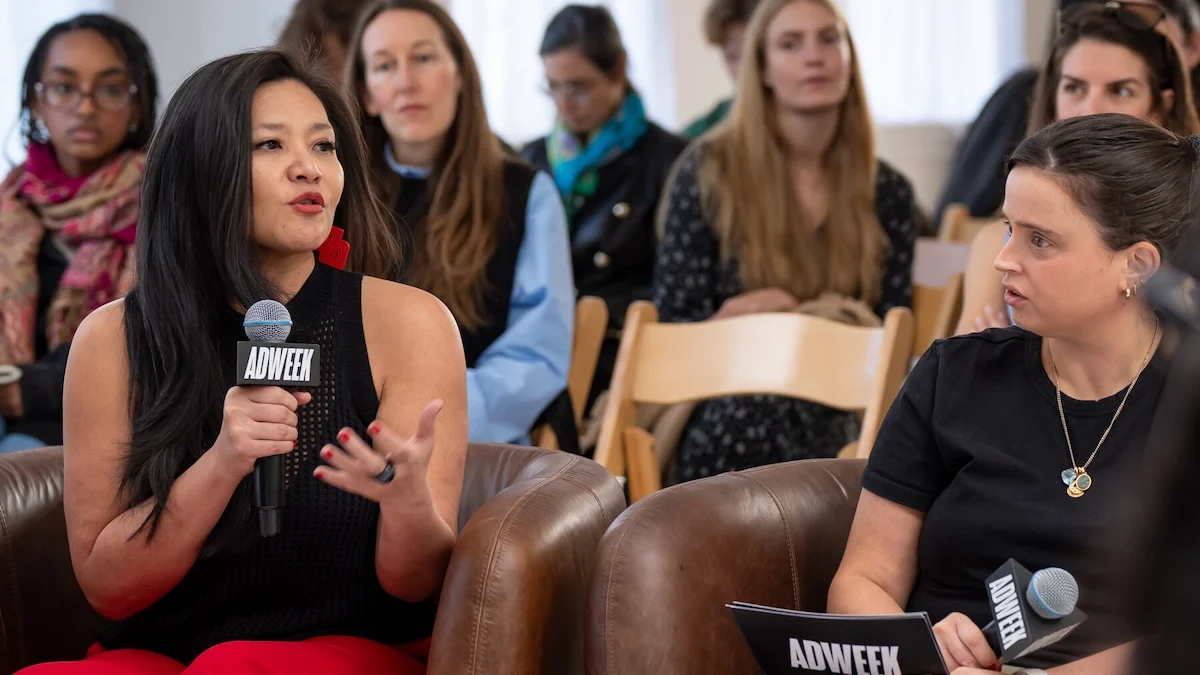
 Nana
Nana
 Lina Hope