
 Layla Zulfa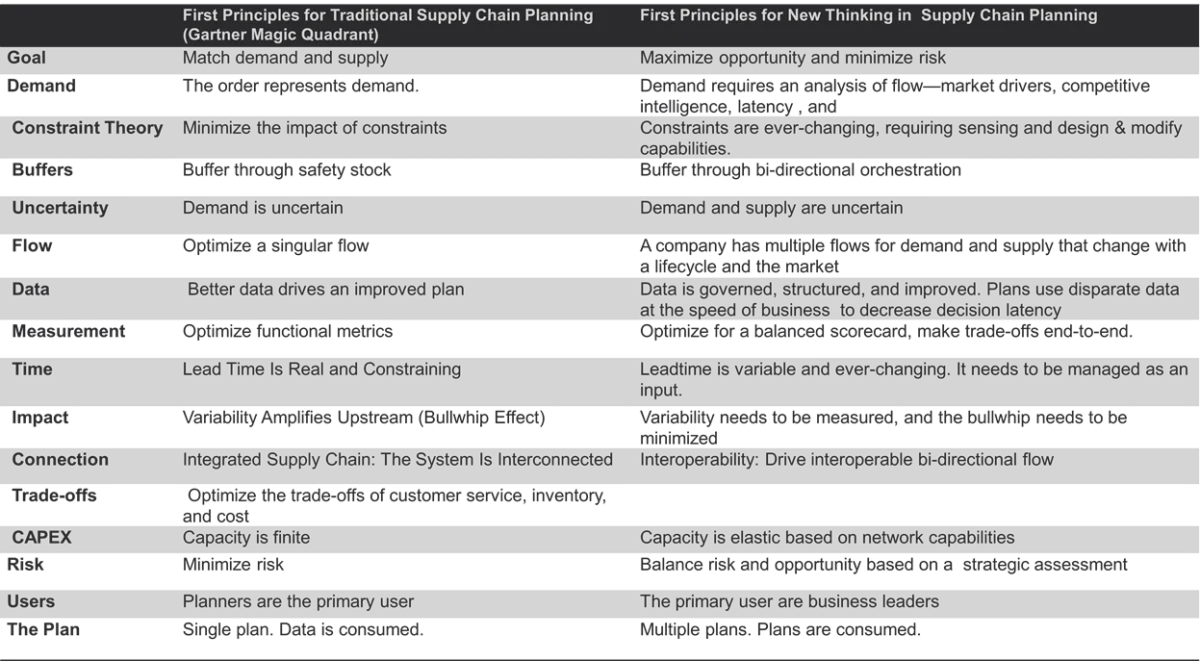
The technological landscape is evolving at a breakneck pace, leaving many organizations struggling to keep up. While Artificial Intelligence (AI) promises to revolutionize the supply chain, the primary barrier to adoption is not a lack of sophisticated software—it is the outdated mindset of leadership. As the industry stands on the precipice of a new era defined by "agentics," the most successful companies will not be those with the largest IT budgets, but those that challenge the fundamental paradigms of how value is created.
The Core Challenge: Leadership Over Logistics
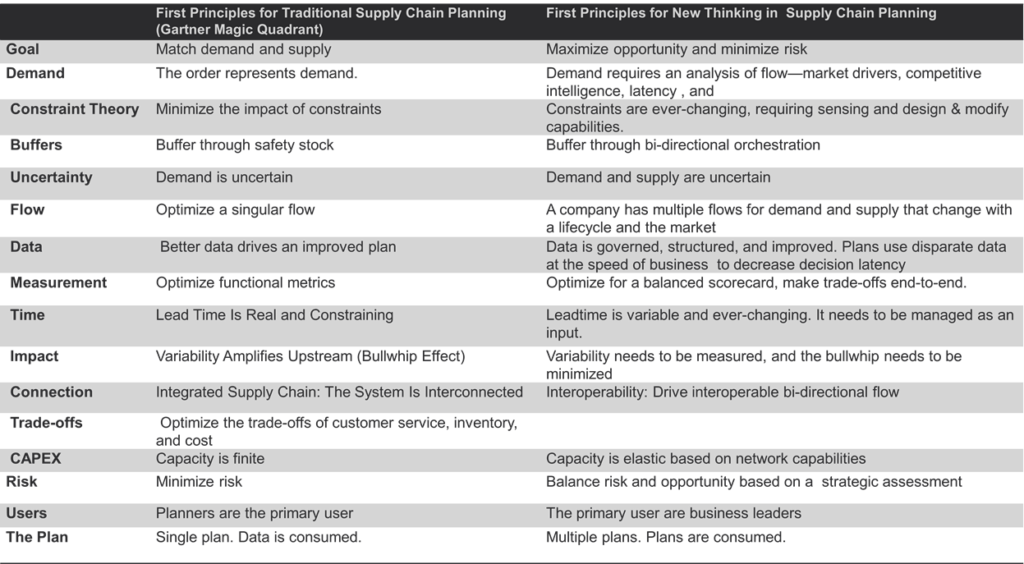
True supply chain excellence remains a poorly defined metric in many boardrooms. Too often, organizations fall into the trap of rewarding functional metrics that, while appearing efficient in isolation, actively erode total firm value. When leaders layer modern AI agents onto flawed legacy processes, they simply accelerate the failure of those processes, creating a high-speed path to inefficiency.
The toughest task for any supply chain leader today is not implementing a new tool; it is the courageous act of unlearning. For decades, supply chain design has been shackled by the limitations of legacy technologies. Today’s leaders must pivot toward process redefinition, prioritizing business outcomes over the "shiny object" allure of buzzword-heavy tech stacks.
Defining the AI Landscape
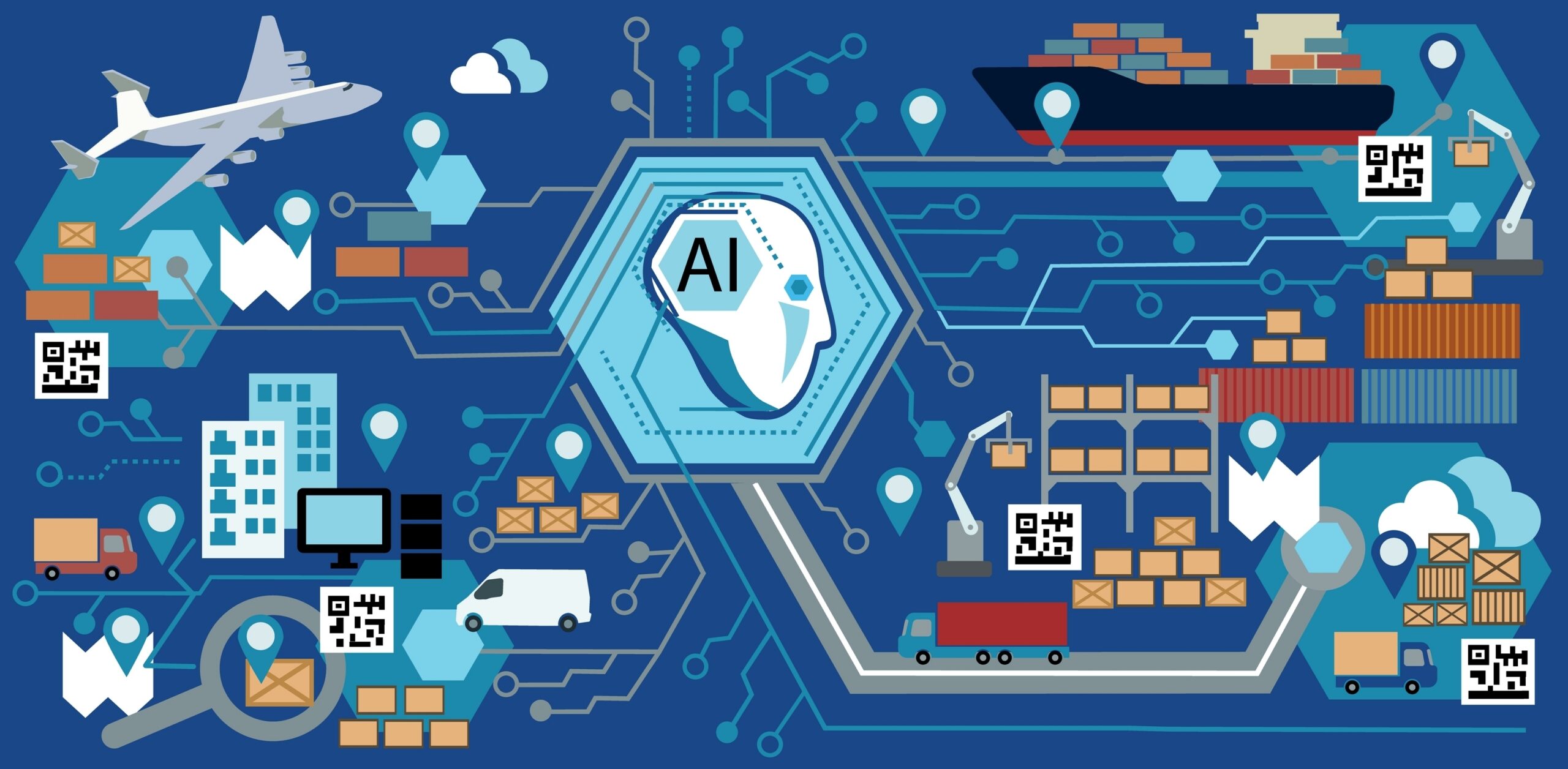
The terminology surrounding AI—large language models (LLMs), generative AI, machine learning, deep learning, and agentics—can be overwhelming. However, the most critical shift is not in the algorithm, but in the relationship between an organization and its data.
The pursuit of "pristine" data lakes is often a fool’s errand. Instead, organizations must embrace semantic layers and diverse data types. By shifting the focus from perfect, centralized data to an agile, semantic approach, companies can bypass the bottlenecks that have historically plagued enterprise resource planning (ERP) systems.
A Framework for AI Readiness: Six Pillars of Success
To determine if an organization is truly prepared to integrate AI, leaders should evaluate their operations across six critical dimensions:
1. Knowledge and Clarity
The journey begins with education. Teams must move beyond superficial jargon and align on specific, measurable outcomes. Is the organization clear on the difference between a neural network and an agentic system? More importantly, is there a consensus on how these technologies drive value? If an organization is mired in internal politics or "buzzword bingo," it is not ready for AI.
2. Curiosity and Innovation Culture
Early adopters who foster a "fail-forward" mentality consistently outperform their peers. Conversely, organizations overly dependent on manual spreadsheets are at a significant disadvantage. If an organization is reliant on spreadsheets for critical decision-making, it must address the underlying architectural debt before attempting an AI deployment.
3. Organizational Capabilities
High-readiness organizations exhibit strong governance and trust in their data. These companies form diverse, cross-functional teams comprising business leaders, IT specialists, data scientists, and finance representatives. They view AI initiatives as business transformations rather than isolated IT projects.
4. Process Readiness
AI thrives on repeatability. The most effective organizations establish innovation funds and governance boards, allowing for "stage-gate" approvals that move from concept to testing without the burden of custom-coded, inflexible software. The goal is to solve specific business problems rather than force-fitting generic AI models.
5. Technology Acumen
Winning teams understand the nuances of interoperability and synchronization. They recognize that their greatest technical challenge is rarely the model itself, but the act of connecting fragmented, disparate systems. By focusing on a semantic layer for demand and supply translation, they mitigate the bullwhip effect that plagues less-integrated competitors.
6. Network and Supplier Relationships
AI’s value is exponential when it extends beyond the four walls of the enterprise. Companies must build robust, bidirectional data connections with key suppliers. Using Forecast Value Added (FVA) analysis, leaders can move toward a more transparent, collaborative supply network that benefits all participants.
The 2026 Shift: Launching Dynamic Benchmarking
In a significant development for the industry, the long-standing "Supply Chains to Admire" methodology—which has provided independent, data-driven benchmarking for over 15 years—is entering a new phase. Following a two-year validation study conducted in partnership with the Georgia Tech Industrial and Systems Engineering (ISYE) department, this research is now being integrated into a new, AI-driven platform.
The Evolution of "Ask Lora"
Starting June 23rd, 2026, the industry will gain access to "Dynamic Benchmarking." By leveraging an LLM named "Ask Lora," companies can now conduct a comprehensive assessment of their supply chain performance in under 10 minutes.
The process involves answering 20 targeted questions, after which the system generates a detailed, actionable plan. This plan utilizes financial and maturity data to benchmark the user’s performance against top-tier "Supply Chains to Admire" winners. Unlike traditional, static reports, this dynamic model learns over time, offering increasingly precise insights into how a company’s AI readiness compares to its peer group and historical industry leaders.
Implications for the Future
The integration of agentics into supply chain benchmarking marks a turning point. As these tools become more sophisticated, the gap between organizations that utilize AI for strategic decision-making and those that continue to struggle with legacy manual processes will widen.
Assessing Your Readiness
To determine where your organization stands, consider the following scoring framework:
- 6–10 points: Your primary focus must be on fundamental knowledge and cultural transformation. Leadership must be brought into the fold before any technology is deployed.
- 15–20 points: You are ready to form cross-functional governance boards. Begin by initiating pilot projects with clear, business-driven objectives.
- 20+ points: You have the maturity to co-develop with technology partners. Shift your focus toward scaling successful projects and refining your innovation processes.
Conclusion: Challenging the Status Quo
The potential for technology to reshape the supply chain is immense, but it is not a panacea. The "gray matter" between the ears of supply chain professionals remains the most important asset. Whether you are building a new demand model or auditing your supplier network, the principles remain the same: define value, build diverse teams, and maintain the courage to challenge the status quo.
As we move into the latter half of 2026, the question is no longer whether your company can afford to adopt AI, but whether it can afford to remain anchored to the paradigms of the past. The launch of tools like Dynamic Benchmarking provides the compass, but the leadership required to navigate the journey must come from within.
By prioritizing first-principle thinking and a commitment to continuous learning, the modern supply chain leader can move beyond the hype and deliver tangible, sustainable value in an increasingly volatile global market.


 Raul Delapena Setiawan
 Evan Lee Salim
 Dwi Wanna
 Muslim
 Nana Wu

 Rifan Muazin