
 Neng Nana
Nineteen years into a life of early retirement, a veteran of the Financial Independence, Retire Early (FIRE) movement has uncovered an uncomfortable truth: total freedom is not merely a vacation—it is a crucible. For those who have successfully bypassed the traditional nine-to-five grind, the ultimate luxury of "never having to do anything you don’t want to do" often devolves into a subtle, insidious form of self-sabotage.
This realization marks a significant shift in the personal development narrative of Mr. Money Mustache, the moniker for a pioneer who helped popularize the concept of extreme frugality and early retirement. By analyzing the psychological pitfalls of a life without external mandates, he offers a blueprint for how high-performers can navigate the "comfort crisis" of absolute autonomy.
The Mirage of Infinite Leisure
To the average employee trapped in a daily commute and corporate bureaucracy, the life of a retiree seems like an endless, blissful playground. The freedom to focus entirely on family, fitness, and passion projects is, objectively, a triumph. However, the lack of external pressure creates a vacuum.
When the obligation to perform vanishes, the human brain—wired for homeostasis—often defaults to the path of least resistance. Without a boss, a schedule, or a deadline, the "freedom" to do anything frequently results in the "freedom" to do nothing. This phenomenon, often termed the "post-retirement slump," reveals that external constraints, while often annoying, serve a secondary purpose: they provide the momentum necessary for action.
Chronology of a Behavioral Pivot
The trajectory of this shift can be traced through three distinct phases:
- The Golden Decade (Years 1–10): Following retirement, the subject maintained a high level of activity, balancing parenthood with neighborhood construction projects, international travel, and consistent content creation. The novelty and the demands of raising a young child provided the necessary structure to keep lethargy at bay.
- The Softening (Years 11–17): As the child aged and the initial excitement of retirement stabilized, a subtle decline in output occurred. The "lounge-on-the-couch" syndrome began to take hold. Days previously reserved for building or writing were increasingly surrendered to digital distractions and the avoidance of "difficult" tasks—those requiring significant cognitive or physical effort.
- The Intervention (Year 18–Present): Recognizing the pattern of self-sabotage, the subject began integrating rigorous, high-intensity psychological frameworks—specifically those championed by ultra-endurance athlete David Goggins—to reclaim the discipline required for a fulfilling, high-output lifestyle.
The Mechanics of Self-Sabotage: Identifying the Hesitation
The central finding in this behavioral study is the "moment of hesitation." When an individual is faced with a task that is beneficial but difficult—such as a weight-training session or a complex creative project—there is a fleeting window where the brain manufactures an excuse.
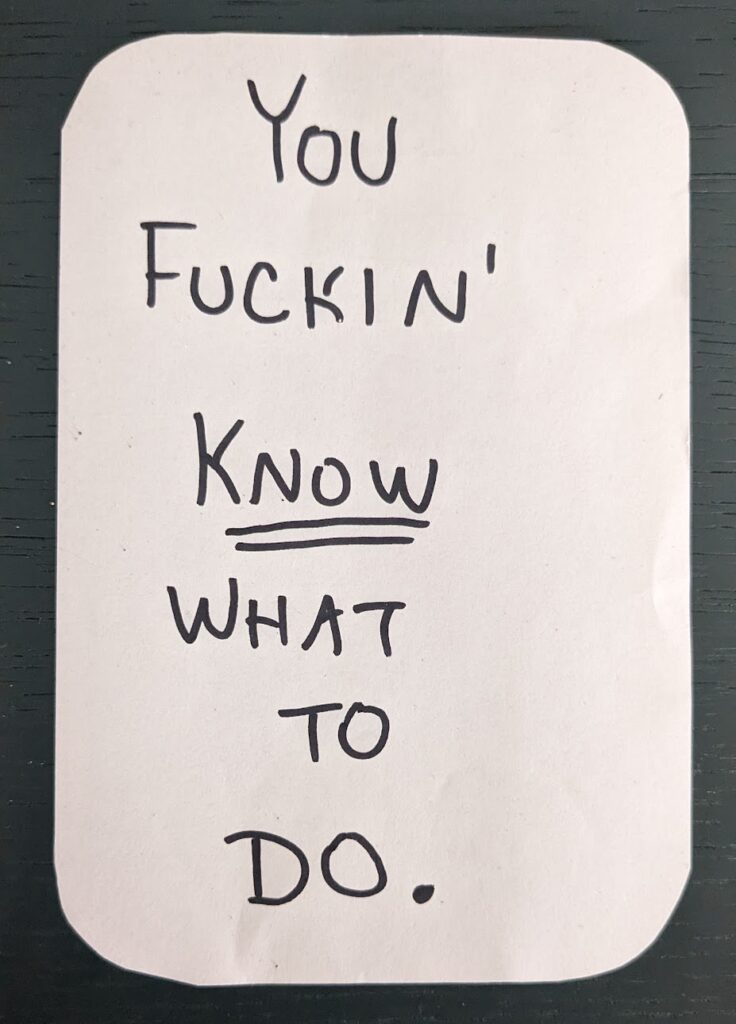
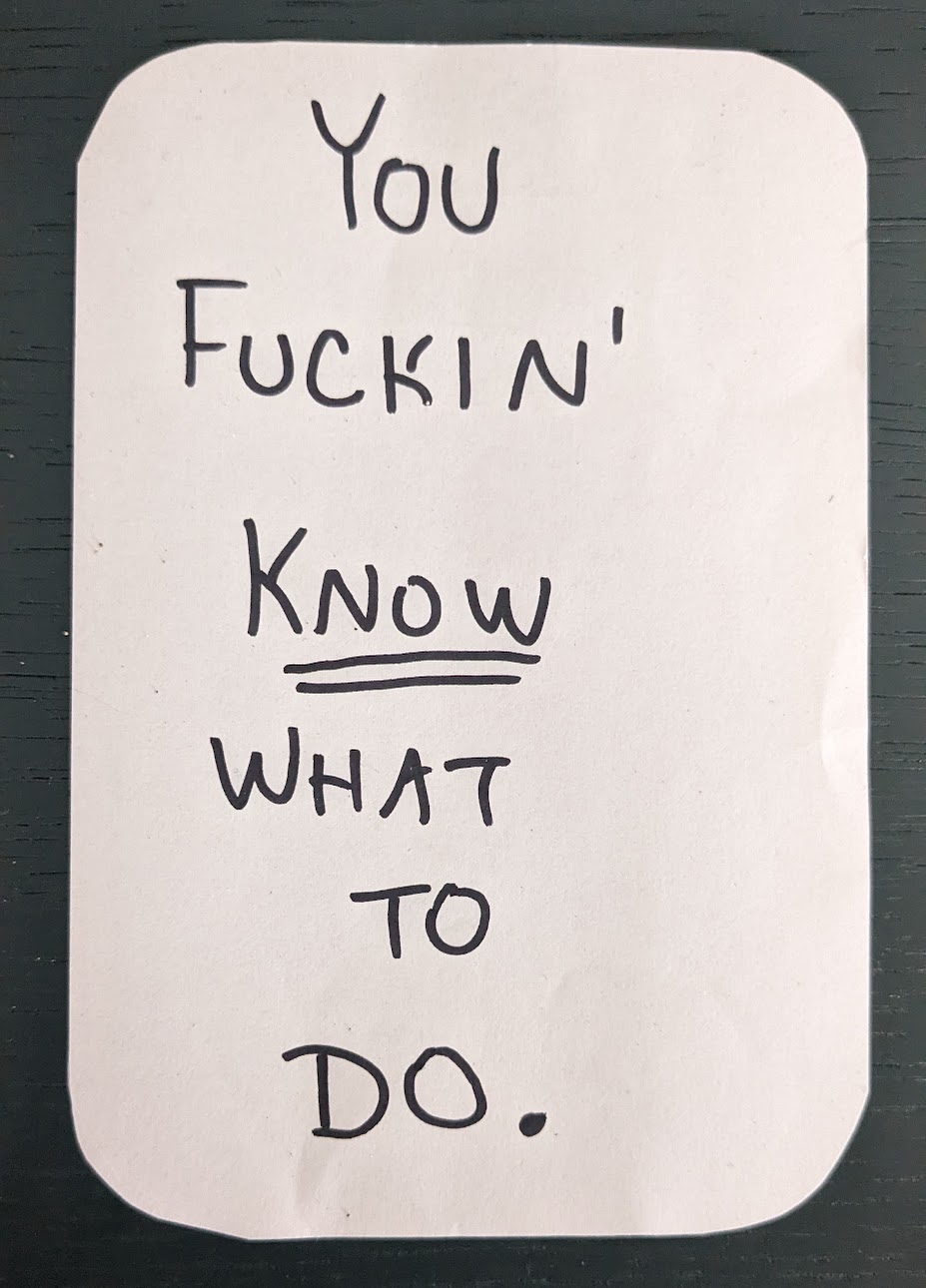
The traditional approach to "greasing the wheels"—optimizing for the perfect time of day, the perfect mood, or the perfect environment—is often just a sophisticated form of procrastination. The breakthrough, however, lies in a complete reversal of this logic: treating the "I don’t feel like it" feeling not as a sign to wait, but as a direct trigger for immediate action.
The "Goggins" Catalyst
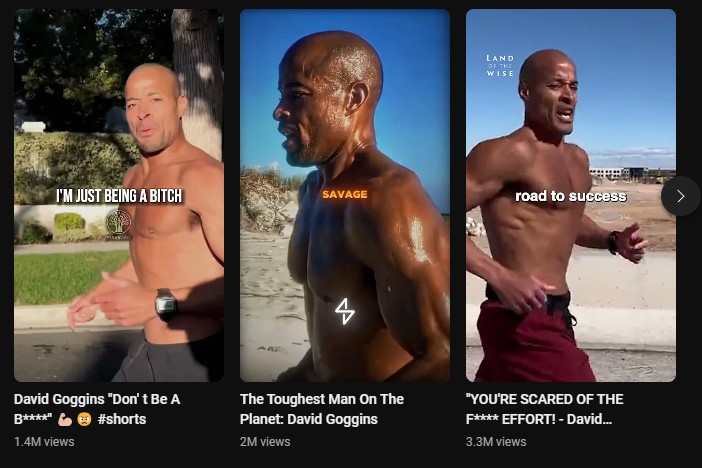
The inclusion of David Goggins’ philosophy into the FIRE community is a departure from traditional "slow living" retirement advice. Goggins, known for his grueling physical feats and a "no-excuses" mentality, represents the polar opposite of the relaxed retiree.
By consuming content from figures like Goggins, Peter Attia, and Jocko Willink, the subject has adopted a "warrior mindset" to address what he terms the "comfort crisis." This is not about training for a military career or an ultramarathon; it is about using the example of extreme discipline to calibrate one’s own internal governor. The goal is to shatter the illusion that barriers to success are physical or environmental, when they are almost exclusively mental.
Data and Outcomes: The Physical Manifestation of Will
The efficacy of this new, aggressive approach to self-discipline is supported by measurable physical outcomes. By eliminating the "waiting for the right time" variable and adopting a "do it anyway" protocol, the subject reported:
- Muscle Hypertrophy: A documented gain of 10 pounds of lean muscle mass over a four-month period.
- Joint Health: A reported return to the physical flexibility and "spring" of his mid-twenties.
- Consistency Metrics: A shift from sporadic, "whenever-I-feel-like-it" workouts to a daily, non-negotiable regimen.
- Output Efficiency: A measurable increase in creative output, including a surge in writing, project management, and social engagement at local professional hubs.
The Implications of "Bro-Science" in Modern Wellness
While some intellectual circles criticize the "hard-man" rhetoric of modern health podcasters as "toxic" or "bro-science," the practical implications for the individual are undeniable. The philosophy provides a necessary counter-balance to the modern tendency toward over-comfort.
For the FIRE community, the implication is clear: Financial independence is a tool, not an end state. If the tools are not used to build something of value—whether it be personal health, community contribution, or creative endeavor—the independence is wasted.
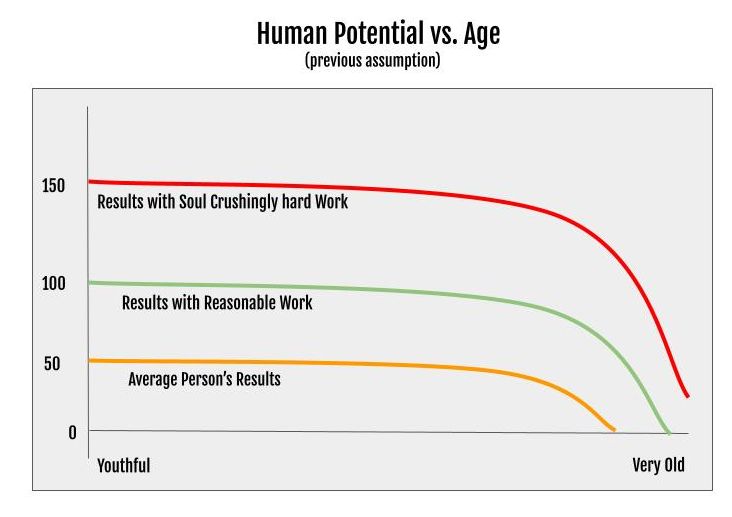
The "Goggins-Mustache" synthesis suggests that the most successful retirees are those who treat their retirement not as a permanent vacation, but as a self-directed career. This requires:
- Extreme Ownership: Admitting that the lack of progress is a personal failure of discipline, not a lack of resources.
- The Trigger Mechanism: Replacing the "I’ll do it later" internal dialogue with "I feel resistance, therefore I must act now."
- Inspiration Management: Curating a constant stream of high-performance content to maintain a baseline of "necessary pressure."
Conclusion: Redefining Retirement
The "Tiny Violin of First World Problems" is a self-aware acknowledgement that the challenges of the wealthy and free are unique but valid. Without the external fire of a boss or a mortgage, one must build their own furnace.
By shifting from the assumption that life should be easy to the realization that life is a series of self-imposed challenges, the subject has found a way to maintain the vitality of his twenties well into his late forties. The takeaway is universal: Whether you are working for a salary or living on passive income, the greatest threat to your potential is the comfort of your own excuses. To bypass them, you must learn to run directly at the things you most want to avoid.


 Iffa Jayyana
 Ali Ikhwan

 Ammar Sabilarrohman
 Basiran
 Laily UPN