Ali Ikhwan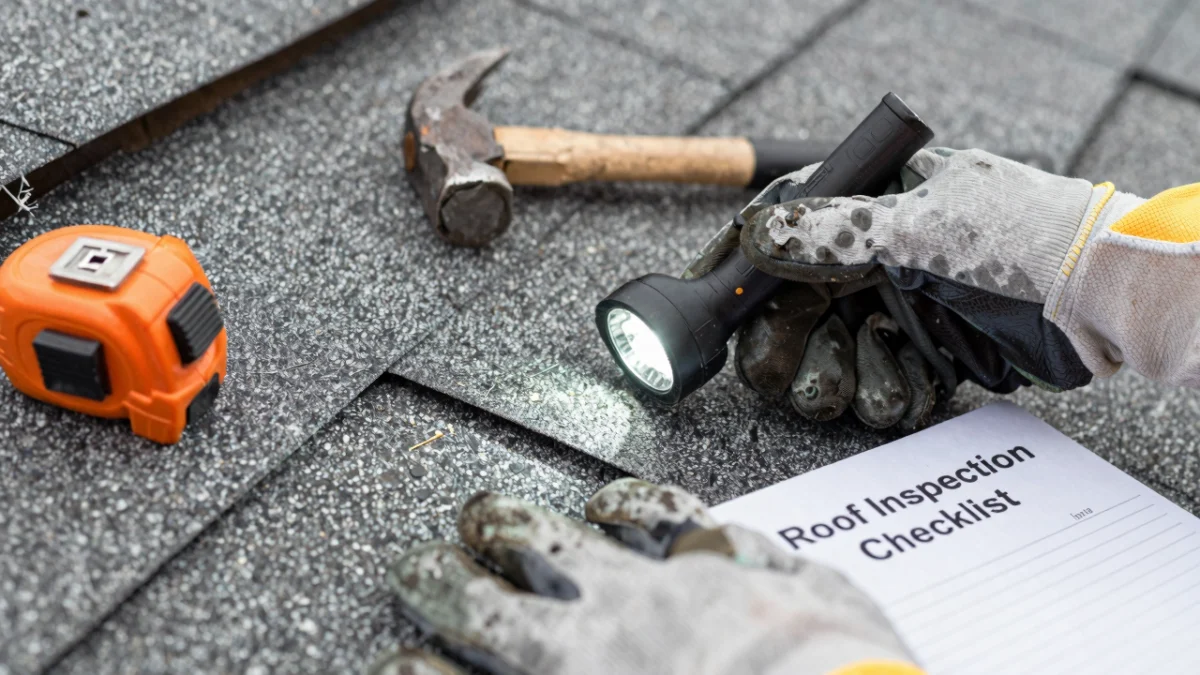
Maintaining a property is often viewed as a chore, but for the savvy homeowner, it is an essential investment strategy. A home is typically an individual’s largest financial asset; neglecting its upkeep is akin to letting a high-value stock portfolio wither through lack of management. By adopting a proactive approach to Maintenance, Repair, and Operations (MRO), homeowners can significantly extend the lifespan of their property’s systems, slash utility costs, and avoid the catastrophic financial impact of emergency repairs.
The Financial Implications of Neglect
The philosophy of "if it isn’t broken, don’t fix it" is a dangerous fallacy in home ownership. When structural or mechanical components are ignored, they rarely simply stop working; they deteriorate in a way that creates a cascade of secondary damages.

For example, a minor, unaddressed roof leak may seem like a localized nuisance. However, the resulting water infiltration can lead to mold growth, rot in structural wooden beams, and damage to insulation—transforming a $200 patch job into a $10,000 renovation. Similarly, an HVAC system running with a clogged filter is forced to work exponentially harder to cycle air, leading to a 30% reduction in efficiency. Over the course of a year, this inefficiency manifests as inflated energy bills and, ultimately, the premature failure of the compressor, which can cost thousands to replace.
Data suggests that consistent, routine inspections can save a homeowner up to 10% on their annual maintenance budget by identifying wear-and-tear before it becomes a failure.

Chronology of Care: The Seasonal Maintenance Cycle
To manage a home effectively, homeowners should operate on a seasonal cadence. This ensures that every system is prepared for the specific environmental stresses of the coming months.
Spring: The Awakening
As temperatures rise, focus on the exterior. This is the prime window to inspect the roof for winter damage—specifically looking for shingles that have curled or cracked due to frost heaves. Clear the gutters of winter debris to ensure that spring rains are channeled away from the foundation. This is also the time to test your sump pump and service the air conditioning unit before the summer heat hits.

Summer: Peak Performance
Summer is the ideal time for cosmetic and exterior maintenance. With the ground dry, check your home’s perimeter for drainage issues. Ensure that downspouts extend at least four to six feet away from the foundation. Inside, focus on appliances; clean the coils behind your refrigerator and ensure your dryer vent is clear of lint, which is a leading cause of house fires.
Autumn: The Hardening
Before the first frost, seal the "envelope" of your home. Use caulk to fill gaps around windows and doors to prevent heat loss. Shut off outdoor water valves and drain garden hoses to prevent pipe bursts. This is also the critical time for a furnace tune-up to ensure the heating system is safe and efficient for the winter.

Winter: Indoor Optimization
When outdoor work is limited, shift focus to the interior. Test smoke and carbon monoxide detectors monthly. Monitor indoor humidity levels; if you notice condensation on windows, your home may be too humid, which can lead to mold. This is also a good time to deep-clean carpets and upholstery, improving indoor air quality.
Structural Integrity: Roof and Foundation
Your roof is the primary barrier between your family and the elements. A biennial inspection—performed in the spring and fall—is the gold standard. During these inspections, look for "shingle fatigue": curling, cracking, or missing granules. Examine the flashing around chimneys, vents, and skylights; these are the most common points of entry for water. If you are uncomfortable climbing a ladder, hiring a professional for a drone-assisted or physical inspection every three years is a prudent expenditure that protects your home’s equity.

Plumbing: Preventing the Silent Destroyer
Plumbing failures are the leading cause of interior property damage. Homeowners should cultivate a basic knowledge of their system, including the location of the main water shut-off valve.
- Pressure Checks: High water pressure can stress pipes and fixtures. Use a simple gauge to ensure your pressure is between 40 and 60 PSI.
- Leak Detection: Regularly check under sinks and around water heaters for dampness or mineral deposits, which signal slow leaks.
- Drain Care: Avoid harsh chemical cleaners, which can corrode older pipes. Use enzyme-based treatments or mechanical snakes to clear slow drains.
- Fixture Maintenance: Clean aerators on faucets to maintain flow and check toilet flappers for signs of decay, which can lead to silent, expensive water waste.
HVAC Efficiency and Indoor Air Quality
The HVAC system is the "lungs" of your home. Its health is inextricably linked to your family’s respiratory health and your monthly budget.

- Filter Discipline: Change filters every 30 to 90 days. In homes with pets or high dust levels, 30 days is the recommended interval.
- System Calibration: Annual professional inspections allow a technician to check refrigerant levels, tighten electrical connections, and clean the evaporator coils.
- Ductwork Integrity: Over time, ducts can develop leaks. Sealing these with mastic tape or aerosol sealants can boost efficiency by up to 20%.
The Electrical System: Safety and Modernization
Electrical fires are among the most preventable disasters. Homeowners must be vigilant for "symptoms" of an overtaxed or aging system: flickering lights, warm-to-the-touch outlets, or breakers that trip repeatedly.
- GFCI Testing: Ground Fault Circuit Interrupters (GFCIs) are critical in bathrooms, kitchens, and garages. Test them monthly using the "test" and "reset" buttons to ensure they cut power during a surge.
- The 30-Year Rule: If your home is over 30 years old, it was likely built for a different era of energy consumption. Modern homes require more capacity for high-end appliances, smart home technology, and electric vehicle chargers. Consider an electrical panel upgrade to ensure your system meets modern safety codes.
Energy Efficiency: High-Return Upgrades
Efficiency is not just about the environment; it is about cash flow.

- Programmable Thermostats: By automatically adjusting temperatures when you are away, you can shave 10% off your utility bill.
- Attic Insulation: Many homes are under-insulated. Adding insulation to reach modern R-value standards can reduce heating and cooling costs by up to 50%.
- ENERGY STAR Appliances: Replacing a 15-year-old refrigerator or dishwasher with an ENERGY STAR model can yield significant annual savings, often paying for the appliance within its lifespan.
Professional Perspectives on MRO
Industry experts categorize maintenance into three distinct pillars:
- Preventive: Scheduled tasks (e.g., changing filters) that keep equipment from failing.
- Predictive: Using data and monitoring to anticipate failure (e.g., noticing a motor making a strange noise).
- Corrective: Fixing what has already failed.
The goal of any well-maintained home is to shift the ratio toward Preventive and Predictive, minimizing the reliance on Corrective maintenance. As one contractor noted, "We prefer to be invited for a tune-up rather than an emergency flood repair at 2:00 AM. One is an appointment; the other is a crisis."

Conclusion: The Path Forward
Building a home maintenance checklist is not about creating a list of chores; it is about creating a roadmap for peace of mind. By mastering basic skills—such as patching drywall, clearing drains, and identifying electrical hazards—you empower yourself as a homeowner.
Set aside 1% to 3% of your home’s total value annually as a maintenance reserve. When you pair this financial discipline with a consistent inspection schedule, you do more than just fix leaks and clean filters—you preserve the value, safety, and comfort of your home for generations to come. Start your first inspection today; your future self, and your bank account, will thank you.


 Azzam Bilal Chamdy
 Iffa Jayyana
 Ammar Sabilarrohman
 Neng Nana
 Basiran